Boat Type: Power Boats
Boat Class: Rigid Inflatable Boats
Length: 9.19 ft
Berths: 1
Cabins: 1
Bathrooms: 1
Max Persons: 4
Boat Database » 3D Tender Ultimate 280
3D Tender Ultimate 280
Outboard four-stroke, Unleaded, 1x 15 HP
Power Boats 2018 3D Tender Ultimate 280 Review: How to Get the Most from This Compact Tender
If you’re looking at the 2018 3D Tender Ultimate 280, chances are you’re trying to solve a pretty common boating problem: how do you get a small, li...
Discover


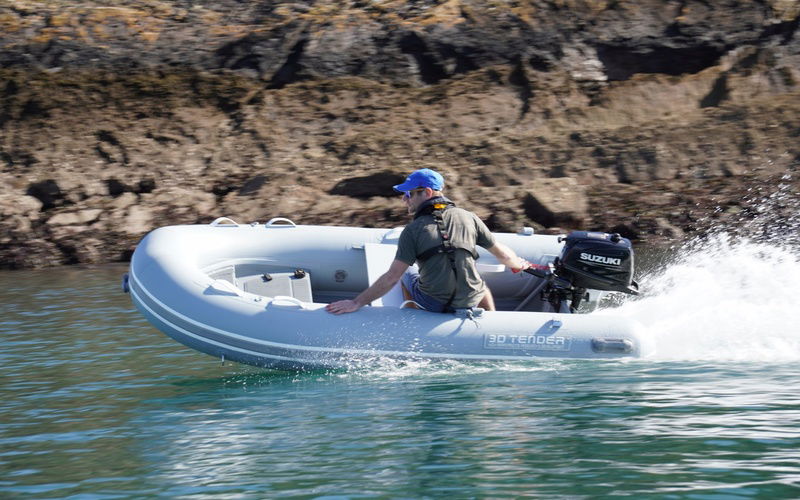
Images have been gathered from various sources and belong to their respective owners.
Review - 3D Tender Ultimate 280

MarineBroker
01/08/2024, 11:04 AM
2018 3D Tender Ultimate 280 Review: How to Get the Most from This Compact Tender
If you’re looking at the 2018 3D Tender Ultimate 280, chances are you’re trying to solve a pretty common boating problem: how do you get a small, lightweight boat that’s easy to launch, simple to store, and still capable enough for tender duty, short coastal runs, or calm-water exploring? That’s exactly where compact inflatables like this one shine.
The challenge with boats in this size range is that they can be incredibly convenient, but only if they’re set up and used the right way. A small tender can feel cramped, underpowered, or unstable if you overload it, choose the wrong engine, or skip basic maintenance. On the other hand, when matched with the right setup, a boat like the 2018 3D Tender Ultimate 280 can be a genuinely practical little workhorse.
In this article, we’ll look at what makes this model appealing, the most common issues owners face, and the best ways to solve them. Whether you already own one or you’re considering buying a used example, the goal here is simple: help you get more comfort, better performance, and fewer headaches from your 2018 3D Tender Ultimate 280.
- Why the 2018 3D Tender Ultimate 280 Still Gets Attention
The 3D Tender Ultimate 280 sits in a sweet spot for boaters who want portability without giving up too much usability. At 2.8 meters long, it’s compact enough to handle easily, yet large enough for practical tender use, short leisure trips, or as a backup boat for a yacht or cruiser.
For many owners, the appeal is straightforward:
- Easy to transport on a car roof, small trailer, or in storage
- Lightweight enough for one or two people to manage
- Simple to inflate, launch, and recover
- Suitable for calm-water use, harbor trips, and tender duties
That said, small inflatables are always a balancing act. The same size that makes the Ultimate 280 convenient can also create limitations if you expect too much from it. The key is understanding what it does well and where smart setup makes all the difference.
- What Problem Does the 2018 3D Tender Ultimate 280 Solve?
The main problem this boat helps solve is mobility.
A lot of boaters want access to the water without the hassle of a larger rigid hull, heavy trailer, or expensive marina storage. The 2018 3D Tender Ultimate 280 offers a way to get on the water fast, keep costs relatively low, and maintain flexibility.
It’s especially useful if you need:
- A tender for a larger boat
- A lightweight runabout for short trips
- A compact craft for lakes, harbors, or sheltered coastal water
- A boat that can be stored in a garage or onboard a mothership
This is why small tenders remain popular. They are not trying to replace a bigger boat. They’re solving a different problem: convenience.
- Understanding the 2018 3D Tender Ultimate 280’s Strengths
Before talking about common issues, it helps to understand what this type of boat is naturally good at.
- Portability
The biggest strength is how easy it is to move around. Compared with fiberglass dinghies or heavier RIBs, a compact inflatable like this is much less demanding to launch and retrieve.
- Simplicity
Fewer moving parts usually means fewer things to go wrong. That’s a big plus for casual boaters and anyone who wants a low-maintenance setup.
- Versatility
It can work as a tender, a utility boat, or a fun little day boat in protected waters.
- Storage efficiency
If space is tight, this is a major advantage. A boat this size is often much easier to stow than a hard-hull alternative.
Of course, these strengths only matter if you avoid the common mistakes that can make a small boat feel frustrating instead of useful.
- Common Problems Owners Face with Small Tenders Like the 2018 3D Tender Ultimate 280
Let’s get into the real-world issues. These are the kinds of problems that often show up with compact inflatables, especially after a few seasons of use.
- Underpowering or overpowering the boat
One of the most common mistakes is choosing the wrong outboard. Too little power and the boat feels sluggish. Too much and you may sacrifice fuel efficiency, safety, and control.
A small boat like the Ultimate 280 generally performs best when the engine choice is matched to its intended use, not just the maximum number on paper.
- Poor weight distribution
Because the boat is short, weight placement matters a lot. If passengers, fuel, and gear are all loaded in the wrong spot, the boat can trim poorly, squat at the stern, or feel unstable.
- Inflation and pressure issues
Inflatable boats need correct pressure to perform properly. Underinflated tubes can make the boat feel soft and less responsive, while overinflation in hot weather can stress seams and valves.
- Wear and tear from improper storage
UV exposure, moisture, salt residue, and folding the boat incorrectly can shorten its life. This is especially true if the boat is often used as a tender and gets packed away frequently.
- Limited load awareness
Small boats are easy to overload without realizing it. A couple of people, a cooler, fuel, anchor, and bags can add up quickly.
These problems are common, but the good news is they’re all manageable.
- The Best Way to Use a 2018 3D Tender Ultimate 280
If you want this boat to work well, the solution is not complicated. It’s about setup, discipline, and realistic expectations.
- Keep the use case realistic
The Ultimate 280 is best treated as a compact utility boat, not a mini cruiser. It will do its job well in sheltered waters, short hops, and tender duties.
Good use cases include:
- Dock-to-boat transfers
- Harbor errands
- Calm lake outings
- Short fishing trips in protected water
- Emergency backup transport
Less suitable use cases:
- Rough offshore conditions
- Overloaded family day trips
- Long-distance runs in chop
- High-speed performance expectations
- Match the engine carefully
If you’re setting up the boat or evaluating a used one, engine choice matters more than many people think.
A practical approach is to focus on:
- Lightweight outboards
- Reliable low-speed handling
- Fuel efficiency
- Easy starting and simple maintenance
For a small tender, smooth control often matters more than raw speed. If the boat is mainly for short transfers, you don’t need to chase top-end performance.
- Load smart, not heavy
With a boat this size, every kilo counts. Keep the loadout simple and balanced.
A good rule of thumb:
- Put heavier items low and centered
- Avoid stacking weight too far aft
- Don’t bring unnecessary gear
- Keep passengers seated evenly when possible
This alone can dramatically improve ride quality and stability.
- Practical Setup Tips for Better Performance
If you already own a 2018 3D Tender Ultimate 280, these are the easiest ways to make it feel better on the water.
- Check tube pressure before every outing
Inflatable boats perform best at the correct pressure. A quick check before launch helps prevent sluggish handling and uneven trim.
- Use a proper floor setup
If your model includes a floor system, make sure it’s installed correctly and seated evenly. A poorly fitted floor can create flex and reduce confidence underfoot.
- Keep the propeller and lower unit clean
Even small amounts of weed or debris can affect performance on a small boat. Because the engine is usually modest in size, any drag is more noticeable.
- Secure gear properly
Loose gear shifts around and changes balance. Use dry bags, tie-downs, or storage bins to keep things organized.
- Avoid unnecessary speed
Small boats are often more comfortable and efficient at moderate speeds. Running flat out all the time may not be the best way to use the boat, especially in chop.
- How to Improve Stability and Comfort
Stability is one of the biggest concerns people have with small inflatables. The good news is that a lot of the perceived “instability” comes from loading and handling, not the hull itself.
Here’s how to improve comfort:
- Keep passengers seated low and balanced
- Avoid sudden movements at anchor or while boarding
- Distribute fuel and heavy items evenly
- Use calm, deliberate throttle inputs
- Don’t crowd the stern with too much weight
If you’re using the boat as a tender, boarding technique also matters. One person stepping in too quickly can make even a stable boat feel twitchy. A slower, more controlled approach makes a big difference.
- Buying Used: What to Check on a 2018 3D Tender Ultimate 280
If you’re considering a used 2018 3D Tender Ultimate 280, inspection is the most important part of the process. A well-kept inflatable can still be a great buy, but neglect is easy to hide if you don’t know what to look for.
Inspect these areas carefully:
- Tubes for patches, leaks, or sun damage
- Seams for signs of separation or cracking
- Valves for proper sealing and smooth operation
- Floor panels for warping or wear
- Transom for flex, rot, or loose fittings
- D-rings and handles for corrosion or peeling glue
- Previous storage conditions
- Engine condition if included
A used inflatable’s condition often tells you more than its age. A 2018 boat with good care can be a better choice than a newer one that was stored badly.
- Maintenance Habits That Extend the Life of the Boat
This is where many owners either protect their investment or slowly wear it out.
Simple maintenance habits include:
- Rinsing with fresh water after saltwater use
- Drying fully before storage
- Avoiding prolonged sun exposure
- Keeping it slightly inflated or properly folded as recommended by the manufacturer
- Checking valves, seams, and fittings regularly
- Storing the boat in a cool, dry place
If you’re using the boat often, a quick rinse and dry routine can dramatically extend its lifespan.
- Why Small Inflatables Like This Stay Popular
There’s a reason compact tenders remain in demand even as boating options expand. They fit modern boating habits really well.
People want:
- Less hassle
- Lower storage needs
- Easy transport
- Flexible use
- Affordable entry into boating
The 2018 3D Tender Ultimate 280 fits that mindset. It’s not about luxury or speed. It’s about convenience and function.
For many owners, that’s exactly what makes it valuable. It can be the difference between using the water regularly and leaving a bigger boat unused because it’s too much effort.
- Is the 2018 3D Tender Ultimate 280 Right for You?
This boat makes the most sense if you value simplicity and portability over space and performance.
It may be a good fit if you:
- Need a compact tender
- Want easy storage and transport
- Boat mostly in sheltered water
- Prefer low-maintenance boating
- Don’t need high-speed capability
It may not be ideal if you:
- Want lots of room for passengers and gear
- Regularly boat in rough conditions
- Need long-range cruising ability
- Expect a rigid-hull feel
The best boating setup is always the one that matches your actual use, not your idealized one. That’s where the Ultimate 280 can be a smart choice.
- Final Thoughts on Getting the Most from the 2018 3D Tender Ultimate 280
The 2018 3D Tender Ultimate 280 is a good example of a boat that works best when you keep things simple. Its real value comes from portability, easy handling, and practical everyday use, especially in calm or protected waters.
If you’re dealing with issues like poor performance, unstable trim, or storage headaches, the solution usually comes down to better setup, smarter loading, and regular maintenance. With the right engine, correct inflation, and realistic expectations, this compact tender can be a very useful part of your boating routine.
If you’re researching one now, focus on condition, setup, and how well it fits your actual boating needs. That’s the best way to make a small boat feel like a big win.
Specifications
General
Boat Type: Power Boats
Class Type: Rigid Inflatable Boats
Specifications
Length: 9.19
Beam: 5.05
Draft: 0.98
Hull Material: Aluminium
Build
First Built: 2018
Propulsion
Fuel Type: Unleaded
Engines: 1
Power: 15 HP
Brand: Unknown
Accomodation
Berths: 1
Cabins: 1
Bathrooms: 1
PROS & CONS
What we appreciated
 Robust and durable construction suitable for rough watersSpacious deck layout providing ample room for passengersHigh-performance engine options offering strong speed and accelerationVersatile design ideal for both leisure and utility purposesGood fuel efficiency for its size and power
What we didn’t appreciate
 Relatively heavy, which may affect trailerability and fuel consumptionHigher initial purchase price compared to similar modelsLimited availability of aftermarket accessories and customizationsSome users report a learning curve in handling at high speedsInterior seating may lack advanced comfort features found in newer models
Upkeep Costs
Fuel: Approximately $1,000 - $2,500 per year depending on usage
Maintenance: Around $500 - $1,000 annually for engine servicing and upkeep
Insurance: Typically $300 - $600 per year
Storage: Varies widely, $500 - $2,000 annually depending on location and type
Registration and Taxes: Approximately $100 - $300 per year

Rating
5.0
User
Score
Score
Driveability
Technology
Interior
Design
Similar Boats


MarineBroker
Download now for an immersive boat experience like never before! ⛵✨ Your journey begins with a simple click. 🌊📲
#SetSailSmart #DownloadNow
#SetSailSmart #DownloadNow

Subscribe
Copyright 2017 - 2026, Marinebroker.net, All Rights Reserved