Boat Type: Power Boats
Boat Class: Rigid Inflatable Boats
Length: 19.36 ft
Berths: 1
Cabins: 1
Bathrooms: 1
Max Persons: 10
Boat Database » 3D Tender Dream 6
3D Tender Dream 6
Outboard four-stroke, Unleaded, 1x 120 HP
Power Boats 2020 3D Tender Dream 6 Review: How to Choose, Set Up, and Enjoy This Compact RIB the Right Way
If you’ve been looking at the 2020 3D Tender Dream 6, chances are you’re trying to solve a pretty common boating problem: how to get a...
Discover


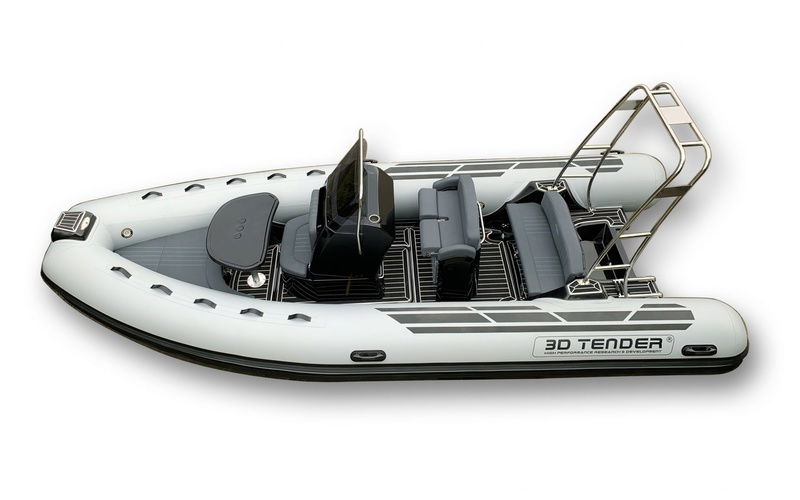
Images have been gathered from various sources and belong to their respective owners.
Latest Market Trends (Latest Available Year Model)
Price: $40,876
Review - 3D Tender Dream 6

MarineBroker
01/08/2024, 3:20 AM
2020 3D Tender Dream 6 Review: How to Choose, Set Up, and Enjoy This Compact RIB the Right Way
If you’ve been looking at the 2020 3D Tender Dream 6, chances are you’re trying to solve a pretty common boating problem: how to get a boat that feels spacious, stable, and capable without jumping into something too big, too expensive, or too hard to manage. That’s exactly where compact RIBs like the Dream 6 start to make a lot of sense.
For many boaters, the challenge isn’t just finding a boat that looks good on paper. It’s finding one that actually fits real life. You want something easy to tow, simple to launch, comfortable for family trips, and practical enough for coastal cruising, island hopping, or a lazy day at anchor. At the same time, you don’t want to compromise on safety, ride quality, or storage space.
The 2020 3D Tender Dream 6 sits in that sweet spot for a lot of people. But like any boat, getting the best experience depends on understanding what it does well, where it has limits, and how to prepare it properly. In this article, we’ll break down the key things to know so you can make smarter decisions and enjoy the boat more confidently.
- What Makes the 2020 3D Tender Dream 6 Stand Out
The 2020 3D Tender Dream 6 is a compact rigid inflatable boat, often called a RIB, designed for people who want a balance of performance, comfort, and practicality. At around 6 meters in length, it’s large enough to feel capable offshore in suitable conditions, but still manageable for everyday use.
What makes this type of boat appealing is the combination of a rigid hull and inflatable tubes. That setup usually gives you a stable ride, good buoyancy, and easier docking than many traditional small boats. For owners who value versatility, that’s a big win.
The Dream 6 is especially attractive to:
- Families wanting a safe day boat
- Coastal cruisers who need a nimble platform
- Watersports users looking for easy handling
- Boaters who want trailerable convenience
- Buyers stepping up from a smaller tender or open boat
In practical terms, the boat is often chosen because it offers a lot of utility without feeling intimidating. That matters more than people think. A boat that is too large or too complex often gets used less often.
- The Main Problem Buyers Face With a Boat Like This
The biggest issue people run into with the 2020 3D Tender Dream 6 isn’t usually the boat itself. It’s figuring out whether it truly fits their boating style.
A lot of buyers get caught between two extremes. On one side, they want a boat that’s compact and affordable. On the other, they don’t want to outgrow it in one season. That can lead to hesitation, second-guessing, and sometimes buying the wrong setup.
Common concerns include:
- Is 6 meters enough for my group?
- Will it handle chop comfortably?
- Is it practical for family outings?
- How much maintenance does a RIB really need?
- What engine size makes sense?
- Can I launch and retrieve it without stress?
Those are fair questions. And the answer usually depends less on the brand name and more on how the boat is configured and used. A well-matched engine, smart storage habits, and realistic expectations can make a huge difference.
- Understanding the 2020 3D Tender Dream 6 as a Boat Type
Before talking about solution strategies, it helps to understand the boat category.
A 6-meter RIB is often a “do a lot of things reasonably well” kind of boat. It’s not usually the biggest, fastest, or most luxurious option, but it can be one of the most useful. That’s why these boats are popular with owners who want flexibility.
Typical strengths of a boat like the Dream 6 include:
- Good stability at rest
- Easier handling than larger cruisers
- Less draft than many hard-hull boats
- A forgiving ride in moderate conditions
- Easy beaching or shallow-water access in some situations
- Trailerability for owners who don’t want marina dependence
That said, there are trade-offs. Space is still limited compared with larger center consoles or cabin boats. Storage, seating, and fuel range all need to be managed carefully.
The trick is not expecting it to behave like a 7.5 or 8-meter boat. If you use it for what it is, it becomes a very practical platform.
- How to Tell If the 2020 3D Tender Dream 6 Fits Your Needs
The best way to avoid disappointment is to match the boat to your actual use case.
Ask yourself a few simple questions:
- How many people will usually be aboard?
- Will you mostly do short day trips or longer coastal runs?
- Do you want it for family cruising, fishing, watersports, or all three?
- Will you launch from a trailer or keep it in the water?
- Do you need lots of storage, or is simplicity more important?
If your typical outing involves 2 to 6 people, the Dream 6 may be a very sensible size. If you regularly carry more passengers, a lot of gear, or want a cabin, you may need to look larger.
A realistic use profile for a 6-meter RIB often looks like this:
- Two adults and two children for a beach day
- A couple with snorkeling gear and a picnic
- A small group heading to a nearby island
- A solo owner doing quick runs along the coast
If that sounds close to your boating life, you’re in the right neighborhood.
- The Best Way to Solve the “Is It Big Enough?” Question
This is one of the most common doubts, and the solution is simple: measure the boat against your real-world routine, not just the brochure.
A lot of people imagine maximum occupancy instead of comfortable occupancy. Those are not the same thing.
Here’s a better way to think about it:
- Comfortable use: the number of people you can take out without feeling cramped
- Maximum use: the number of people you can technically carry
- Practical use: the number of people you’ll actually enjoy taking out regularly
For a 2020 3D Tender Dream 6, practical use often matters most. If you usually boat with a few passengers and value easy handling, the size may be ideal. If you expect full-day comfort for a larger family, then seating layout and deck space become critical.
A good rule: choose the boat that fits your most common outing, not your rareest one.
- Engine Choice Matters More Than People Think
One of the biggest factors in getting the most from the 2020 3D Tender Dream 6 is engine selection. A boat can look great and still feel wrong if the power setup isn’t matched properly.
Too little power can make the boat feel sluggish, especially with a full load. Too much power can increase fuel use, create handling issues, and make the boat less forgiving for less experienced drivers.
When choosing propulsion, consider:
- Typical passenger count
- Total gear weight
- Expected cruising speed
- Whether you prioritize economy or performance
- Local water conditions
For many owners, the sweet spot is an engine that gives confident planing without overworking the hull. That usually means the boat feels lively but not nervous.
If you’re buying used, ask:
- Is the current engine properly serviced?
- Does it match the recommended range?
- Has the boat been used mostly lightly or heavily loaded?
- Are there signs of poor maintenance or mismatched setup?
A well-matched engine can make a compact RIB feel much larger and more capable than it is.
- Practical Setup Tips for Better Comfort and Safety
The easiest way to improve your experience is not by changing the boat, but by setting it up correctly.
A few small adjustments can make the 2020 3D Tender Dream 6 far more enjoyable.
Focus on these areas:
- Weight distribution: Keep heavy items balanced and avoid loading too much in one area.
- Seating layout: Make sure passengers have secure, comfortable places to sit.
- Storage planning: Use dry bags, under-seat storage, or compact bins to reduce clutter.
- Safety gear: Life jackets, communication tools, and an anchor setup should always be ready.
- Shade and weather protection: A simple bimini or cover can make long days much better.
- Boarding access: A swim ladder or easy step arrangement helps a lot at anchor or beach stops.
Clutter is one of the quickest ways to make a small boat feel smaller. A clean deck and thoughtful storage plan can transform the experience.
- 2020 3D Tender Dream 6 for Family Use
If your main goal is family outings, the Dream 6 can be a strong candidate, provided you keep expectations realistic.
Families usually care about:
- Safety
- Ease of boarding
- Stable seating
- Enough room for bags, snacks, and toys
- A ride that doesn’t feel too harsh
RIBs are often appealing for families because they feel secure and predictable. The inflatable tubes can also provide a reassuring sense of stability when kids are moving around.
To make family trips smoother:
- Bring only the gear you’ll actually use
- Keep snacks and drinks in one easy-access cooler
- Plan shorter runs if conditions are bumpy
- Make sure everyone knows where to sit during acceleration
- Teach simple safety habits early
If you’re boating with children, the Dream 6’s manageable size can be a real advantage. It’s easier to supervise everyone when the boat isn’t oversized or overly complex.
- How to Handle Maintenance Without Overcomplicating It
A common issue with RIB ownership is that people either ignore maintenance or overthink it. The better solution is to keep a simple routine.
For the 2020 3D Tender Dream 6, basic care should include:
- Rinsing the boat after saltwater use
- Checking tube pressure regularly
- Inspecting seams, valves, and fittings
- Servicing the engine on schedule
- Cleaning upholstery and deck surfaces
- Storing the boat properly when not in use
If the boat is used in saltwater, regular rinsing matters a lot. Salt buildup can shorten the life of hardware and surfaces faster than many new owners expect.
Also pay attention to the tubes. Inflatable sections are durable, but they still need inspection. Look for abrasions, slow leaks, and UV wear. Catching small issues early is much cheaper than waiting.
A simple monthly checklist is often enough for casual owners:
1. Inspect tubes and valves
2. Check fuel system and battery
3. Verify navigation and safety gear
4. Clean and rinse exposed surfaces
5. Confirm trailer condition if applicable
Consistency beats complexity every time.
- Buying Used? Here’s What to Check First
If you’re considering a used 2020 3D Tender Dream 6, the good news is that a careful inspection can save you a lot of trouble later.
Look closely at:
- Hull condition
- Tube wear and repairs
- Engine hours and service history
- Steering and throttle response
- Electrical system function
- Trailer condition, if included
- Upholstery and deck wear
A boat can look tidy in photos but still have hidden issues. Ask for service records whenever possible. If the seller can’t explain maintenance clearly, that’s worth noting.
Pay special attention to:
- Soft spots or impact marks
- Uneven tube inflation
- Corrosion on fittings
- Cracked hoses or loose wiring
- Signs of poor storage or UV damage
If you’re not confident assessing it yourself, a marine surveyor or experienced mechanic can be worth the cost. For a boat purchase, that’s often money well spent.
- Common Mistakes Owners Make With Compact RIBs
Even good boats can become frustrating when they’re used the wrong way.
Some of the most common mistakes include:
- Overloading the boat with people and gear
- Ignoring weight balance
- Choosing the wrong engine setup
- Skipping routine cleaning and maintenance
- Expecting too much comfort in rough conditions
- Not planning storage or transport in advance
The fix is usually straightforward. Use the boat within its comfort zone, keep the setup clean, and treat maintenance as part of ownership rather than an afterthought.
A compact RIB works best when it’s treated like a flexible day boat, not a miniature cruiser.
- Why the 2020 3D Tender Dream 6 Can Be a Smart Practical Choice
The reason boats like the 2020 3D Tender Dream 6 remain appealing is simple: they solve a real problem for a lot of boaters.
They offer a manageable size, a stable platform, and enough versatility for many common activities. For people who want an easy-to-handle boat that still feels substantial, that combination is hard to beat.
It’s especially useful if you want:
- A trailerable boat
- Simple day-boating fun
- A stable family platform
- A boat that’s easier to store and maintain than a larger craft
- A versatile setup for coastal use
The key is to think practically. If you match the boat to your habits, maintain it consistently, and set it up with comfort in mind, it can be a very satisfying ownership experience.
- Conclusion
The 2020 3D Tender Dream 6 appeals to a lot of boaters because it sits in a very useful middle ground. It’s compact enough to stay manageable, yet capable enough to handle family trips, coastal cruising, and relaxed day boating when set up properly. The main challenge is not the boat itself, but making sure it matches your real needs in terms of space, engine choice, and usage style.
If you focus on practical setup, regular maintenance, and realistic expectations, you’ll get much more out of a boat like this. Whether you’re buying, comparing, or already owning one, the smartest move is to treat it as a versatile day boat that rewards good planning. If you want to go deeper, exploring engine matching, RIB maintenance, and weight distribution is a great next step.
Specifications
General
Boat Type: Power Boats
Class Type: Rigid Inflatable Boats
Specifications
Length: 19.36
Beam: 8.04
Draft: 1.64
Hull Material: GRP
Build
First Built: 2020
Propulsion
Fuel Type: Unleaded
Engines: 1
Power: 120 HP
Brand: Unknown
Accomodation
Berths: 1
Cabins: 1
Bathrooms: 1
PROS & CONS
What we appreciated
 Lightweight and easy to transportStable hull design suitable for calm watersCompact size ideal for use as a tender or small day boatSimple and efficient layout allowing for easy handlingDurable construction with quality materials
What we didn’t appreciate
 Limited seating capacity, not suitable for large groupsNot designed for rough or open water conditionsMinimal onboard storage spaceBasic features with limited amenitiesOutboard motor options may have limited power range
Upkeep Costs
Fuel: Approximately $1,200 - $1,800 per year depending on usage
Maintenance and Repairs: Around $800 - $1,200 annually
Insurance: Typically $300 - $600 per year
Storage: $500 - $1,200 yearly depending on location and type
Registration and Taxes: Approximately $100 - $300 annually
Rating
5.8
User
Score
Score
Driveability
Technology
Interior
Design
Similar Boats


MarineBroker
Download now for an immersive boat experience like never before! ⛵✨ Your journey begins with a simple click. 🌊📲
#SetSailSmart #DownloadNow
#SetSailSmart #DownloadNow

Subscribe
Copyright 2017 - 2026, Marinebroker.net, All Rights Reserved