Boat Type: Power Boats
Boat Class: Rigid Inflatable Boats
Length: 5.91 ft
Berths: 1
Cabins: 1
Bathrooms: 1
Max Persons: 2
Boat Database » 3D Tender Twin V-Shape 180
3D Tender Twin V-Shape 180
Outboard four-stroke, Unleaded, 1x 4 HP
Power Boats 2020 3D Tender Twin V-Shape 180: What to Know Before You Buy, Use, or Upgrade
If you’ve been searching for information on the 2020 3D Tender Twin V-Shape 180, chances are you’re trying to figure out whether this compact inflatabl...
Discover


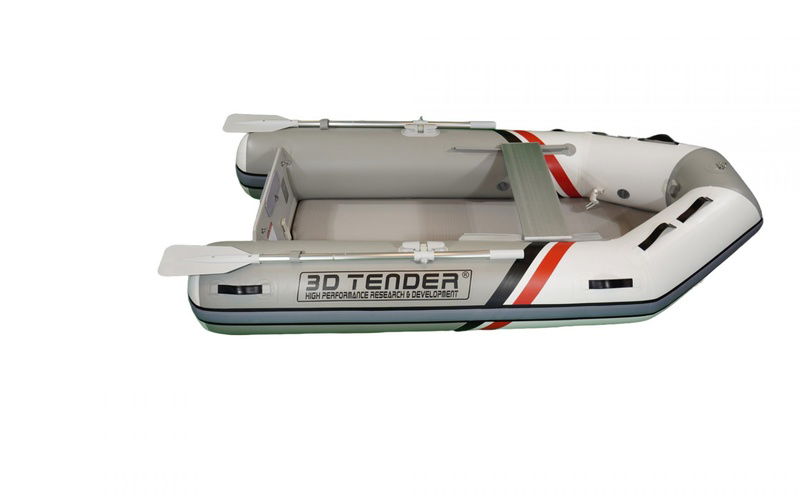
Images have been gathered from various sources and belong to their respective owners.
Review - 3D Tender Twin V-Shape 180

MarineBroker
01/09/2024, 7:14 AM
2020 3D Tender Twin V-Shape 180: What to Know Before You Buy, Use, or Upgrade
If you’ve been searching for information on the 2020 3D Tender Twin V-Shape 180, chances are you’re trying to figure out whether this compact inflatable boat actually fits your real-world boating needs. That’s a smart question, because with small tenders and dinghies, the details matter more than the brochure photos. A boat in this size range can be incredibly useful, but only if it matches how you launch, store, transport, and use it.
The most common challenge for people interested in the 2020 3D Tender Twin V-Shape 180 is simple: they want a lightweight, easy-to-handle tender, but they also need enough stability, comfort, and practical performance for everyday use. On paper, small boats can all look similar. In real life, the difference between a good fit and a frustrating purchase often comes down to hull shape, deck layout, portability, and how the boat behaves with one or two people aboard.
This article breaks down what makes this model interesting, what problems it can help solve, and how to decide whether it’s the right solution for your boating setup.
- What Makes the 2020 3D Tender Twin V-Shape 180 Stand Out
The 2020 3D Tender Twin V-Shape 180 belongs to the category of compact inflatable tenders, but its design gives it a slightly more capable feel than a basic flat-bottom option. The “V-shape” hull concept is important because it usually improves tracking and handling in comparison with very shallow or fully flat inflatable boats.
For boat owners, that can translate into a more controlled ride when moving between dock and vessel, or when using the boat in light chop. In a small tender, even subtle improvements in hull design can make a noticeable difference.
A model like this is typically attractive to people who want:
- A compact tender for a sailboat or small cruiser
- Easy storage on deck, in a garage, or in a car
- A lightweight boat that’s simple to inflate and launch
- A practical solution for short trips, harbor runs, or shore access
The biggest appeal is convenience. If your current setup is bulky, hard to manage, or awkward to transport, a small inflatable with a smart hull shape can solve more problems than it creates.
- The Main Problem: Small Boats Need to Be Easy, But Also Stable
Most people shopping for a tender in this size range are dealing with a compromise. They want something small enough to store easily, but not so small or unstable that it feels sketchy on the water.
That’s the real issue the 2020 3D Tender Twin V-Shape 180 is often being considered for: how do you get portability without giving up too much confidence on board?
Common pain points include:
- Tenders that are too heavy to move alone
- Boats that feel twitchy underfoot
- Poor tracking when rowing or using a small outboard
- Limited space for a person plus gear
- Inflatable boats that are easy to store, but frustrating to use
If you’ve ever wrestled with a dinghy that drifts sideways, slaps around in small waves, or feels cramped the moment you step in, you already know why design matters. A good tender should reduce hassle, not add to it.
- Why Hull Shape Matters More Than People Think
For small inflatable boats, hull shape is one of the most important factors affecting everyday usability. A V-shaped or twin V-style hull can help the boat cut through water more cleanly than a flat-bottom design.
That usually means:
- Better directional stability
- A more comfortable ride in light chop
- Easier control when rowing or motoring
- Less “skating” across the surface in turns
Of course, no 6-foot-ish tender is going to behave like a deep-V runabout. But in this category, even a modest improvement in hull behavior can make the boat feel far more predictable.
This is especially useful if you:
- Use the tender frequently
- Carry a child, pet, or light gear
- Need to approach docks, beaches, or moorings with more control
- Want a boat that feels less nervous than ultra-flat inflatables
The 2020 3D Tender Twin V-Shape 180 is interesting because it aims to balance compact dimensions with a more refined water feel. That makes it appealing to owners who want more than just the cheapest possible dinghy.
- Who This Kind of Tender Is Best For
A boat this size is not for everyone, and that’s actually a good thing. The best match is usually someone who values simplicity and has clear use cases.
It tends to work well for:
- Sailboat owners needing a compact yacht tender
- Recreational boaters who need a shore shuttle
- People with limited storage space
- Solo users or two-person short trips
- Owners who want a lightweight backup boat
It may be less ideal if you need:
- Lots of seating
- Frequent high-speed use
- Heavy payload capacity
- Long-distance travel in rough water
The key is being honest about your expectations. If you want a nimble, easy-to-manage tender for short hops and practical everyday boating, a compact inflatable in this class can be a very smart choice.
- 2020 3D Tender Twin V-Shape 180: Practical Uses on the Water
This type of boat shines in everyday, real-world boating tasks. It’s not about luxury or speed. It’s about making small jobs easier.
Some of the most common uses include:
- Getting from a mooring to shore
- Running supplies out to a larger vessel
- Taking one or two people across a harbor
- Short fishing trips in calm waters
- Emergency backup transport
- Exploring shallow areas near the coast
For many owners, the biggest value is time saved. A tender that inflates quickly, stores neatly, and handles predictably can make a boating day much smoother.
Imagine this scenario: you’re anchored offshore and need to go ashore for groceries or fuel. A boat that is easy to launch and maneuver reduces stress immediately. That’s where a compact V-shape inflatable can really earn its keep.
- What to Check Before Buying or Using One
Even if the 2020 3D Tender Twin V-Shape 180 looks like a good fit, it’s worth checking a few practical details before committing.
Here’s a useful checklist:
1. Storage space
Make sure you can store the boat deflated, partially inflated, or fully assembled depending on your routine.
2. Launch method
Consider whether you’ll carry it by hand, use a davit, or launch from a dock. Small dimensions help, but weight still matters.
3. Engine compatibility
If you plan to use a small outboard, confirm the transom and power setup are appropriate for your needs.
4. Load expectations
Think about how many people and how much gear you’ll actually carry. A tender that feels fine with one person may feel crowded with two and equipment.
5. Water conditions
Be realistic about where you’ll use it. Calm harbors, marinas, and protected bays are much different from exposed coastal waters.
6. Inflation and maintenance routine
A boat is only convenient if you’ll actually use it often. Choose a setup that matches your patience level for inflation, cleaning, and storage.
These checks help prevent the most common mistake: buying based on size alone instead of use case.
- How to Get the Best Performance from a Small Inflatable Tender
A lot of people assume a small tender either works or doesn’t. In reality, performance depends heavily on setup and handling.
To get the best results:
- Keep inflation pressure consistent
- Distribute weight evenly
- Avoid overloading the bow
- Use the correct oars or motor setup
- Store it clean and dry to protect materials
- Check valves and seams regularly
Weight distribution is especially important. In a compact inflatable, loading the boat badly can make it feel unstable or sluggish. Even a few extra bags in the wrong spot can affect how it trims in the water.
If you use a small outboard, test the setup in calm conditions first. That helps you understand how the boat responds before you rely on it in a busy marina or variable weather.
- Common Mistakes People Make with Compact Tenders
When people are disappointed with a small inflatable, the issue is often not the boat itself. It’s the expectations.
Here are some common mistakes:
- Expecting a very small tender to feel like a larger rigid boat
- Ignoring the importance of hull design
- Choosing based only on price
- Overloading the boat
- Forgetting about storage and transport realities
- Using it in conditions it wasn’t designed for
A compact tender should be judged on practicality first. If it solves your daily boating headaches, that’s success.
The 2020 3D Tender Twin V-Shape 180 fits best when the goal is efficient, lightweight utility rather than maximum capacity or offshore performance. That makes it a strong option for owners who value convenience and control over raw size.
- Comparing It to Other Small Tender Options
If you’re comparing this boat to other small inflatables, it helps to focus on the features that matter most in real use.
Look at:
- Hull shape
- Total weight
- Ease of inflation
- Storage footprint
- Stability at rest
- Rowing efficiency
- Compatibility with a small motor
Flat-bottom tenders often win on simplicity and initial stability at rest, especially in very calm water. But V-shaped designs can feel better underway and more confidence-inspiring when conditions are less than perfect.
That’s why the right choice depends on your priorities. If you mostly drift around in protected water, a flatter boat may be enough. If you want a little more control and a smoother feel, the V-shape approach starts to make more sense.
- Maintenance Tips to Keep It Reliable
Like any inflatable boat, this kind of tender will last longer and perform better with basic care.
A few habits go a long way:
- Rinse after saltwater use
- Dry thoroughly before storage
- Avoid prolonged sun exposure when possible
- Inspect for abrasion or punctures
- Keep the floor and tubes clean
- Store away from sharp objects and fuel residue
Maintenance is not just about appearance. It affects safety, inflation retention, and the overall lifespan of the boat. A well-kept tender is easier to use and more reliable when you need it most.
If your tender is part of a larger boating system, regular checks become even more important. A small issue with a valve or seam can turn a simple shore run into an annoying delay.
- Is the 2020 3D Tender Twin V-Shape 180 the Right Solution?
The best answer depends on your boating lifestyle. If your main problem is that your current tender is too bulky, too unstable, or too awkward to manage, then a compact inflatable like the 2020 3D Tender Twin V-Shape 180 may be a very practical solution.
It’s especially appealing if you want:
- A lightweight tender
- Better handling than a basic flat inflatable
- Easy storage and transport
- A boat for short, everyday trips
- A simple, low-fuss boating experience
It’s less compelling if you need serious payload capacity, long-range cruising, or rough-water performance. In other words, it’s a tool for convenience and utility, not a one-boat-fits-all answer.
The smartest approach is to match the boat to your actual routine, not your idealized one. That’s how you avoid buyer’s remorse and end up with a tender you’ll actually use.
- Final Thoughts on the 2020 3D Tender Twin V-Shape 180
The 2020 3D Tender Twin V-Shape 180 is worth a look for boaters who want a compact, manageable tender that does the basics well and adds a bit more confidence than the simplest flat-bottom alternatives. Its value comes from practicality: easier storage, easier handling, and a more controlled feel on the water.
If your current problem is finding a small boat that fits your space without feeling too flimsy or frustrating, this style of tender may be a solid answer. The key is to think about your real boating habits, not just the specs on paper. If you want to keep learning, compare hull types, payload needs, and storage options before making a final decision. That small bit of research can make a big difference once you’re actually on the water.
Specifications
General
Boat Type: Power Boats
Class Type: Rigid Inflatable Boats
Specifications
Length: 5.91
Beam: 4.23
Draft: 0.66
Hull Material: Unknown
Build
First Built: 2020
Propulsion
Fuel Type: Unleaded
Engines: 1
Power: 4 HP
Brand: Unknown
Accomodation
Berths: 1
Cabins: 1
Bathrooms: 1
PROS & CONS
What we appreciated
 Compact and lightweight design for easy transport and storageTwin V-shape hull provides excellent stability and smooth rideDurable construction suitable for various water conditionsVersatile usage for fishing, leisure, and tender dutiesModern design with efficient fuel consumption
What we didn’t appreciate
 Limited passenger and cargo capacity due to compact sizeSmaller engine options may limit top speed and powerMinimal onboard amenities and storage spaceNot ideal for long-distance cruising or rough open watersMay lack advanced navigation or comfort features found in larger boats
Upkeep Costs
Fuel: Approximately $1,500 - $3,000 per year depending on usage
Maintenance and Repairs: Around $500 - $1,200 annually
Insurance: Typically $300 - $700 per year
Storage: $600 - $1,200 annually depending on location and type
Registration and Taxes: $50 - $200 per year
Rating
4.8
User
Score
Score
Driveability
Technology
Interior
Design
Similar Boats


MarineBroker
Download now for an immersive boat experience like never before! ⛵✨ Your journey begins with a simple click. 🌊📲
#SetSailSmart #DownloadNow
#SetSailSmart #DownloadNow

Subscribe
Copyright 2017 - 2026, Marinebroker.net, All Rights Reserved