Boat Database » AB Inflatables Ventus 10 VL
AB Inflatables Ventus 10 VL
Outboard four-stroke, Unleaded, 1x 25 HP
Power Boats 2015 AB Inflatables Ventus 10 VL: What Owners Should Know Before Buying, Using, or Upgrading
If you’ve been looking at the 2015 AB Inflatables Ventus 10 VL, chances are you’re trying to figure out whether it’s the right tender, h...
Discover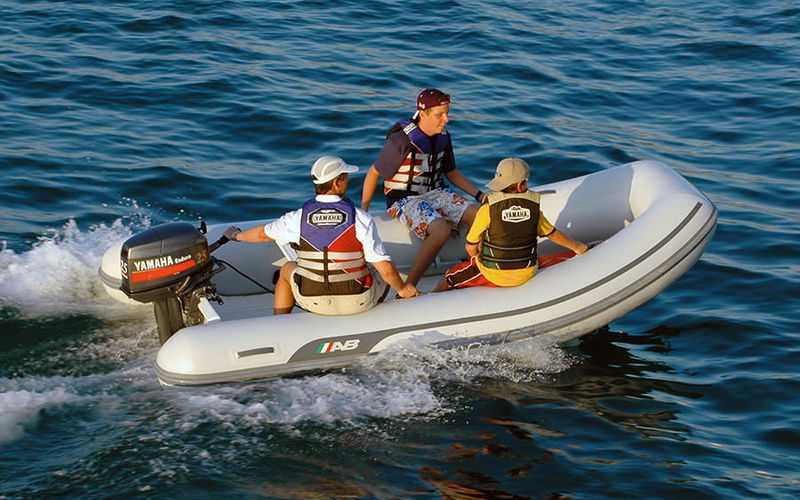

Images have been gathered from various sources and belong to their respective owners.
Review - AB Inflatables Ventus 10 VL

MarineBroker
01/15/2024, 12:35 PM
2015 AB Inflatables Ventus 10 VL: What Owners Should Know Before Buying, Using, or Upgrading
If you’ve been looking at the 2015 AB Inflatables Ventus 10 VL, chances are you’re trying to figure out whether it’s the right tender, how it performs, or what to watch for before making a purchase. That’s a smart place to start. Small inflatable boats can look simple at first glance, but the details matter a lot more than most people expect.
A 10-foot inflatable like the Ventus 10 VL is often chosen for easy transport, quick setup, and dependable use as a yacht tender, lake boat, or short-range runabout. But the real challenge usually isn’t finding a boat like this — it’s knowing whether it fits your needs, how to evaluate its condition, and what practical trade-offs come with a used model from 2015.
That’s where this guide comes in. We’ll break down what makes the 2015 AB Inflatables Ventus 10 VL worth considering, what common issues buyers and owners should look for, and how to get the most out of it with simple, practical steps.
- What the 2015 AB Inflatables Ventus 10 VL is best suited for
- How to inspect a used inflatable properly
- Common performance and maintenance concerns
- Smart upgrades and ownership tips
- When this boat is a good fit — and when it’s not
- What Makes the 2015 AB Inflatables Ventus 10 VL Stand Out
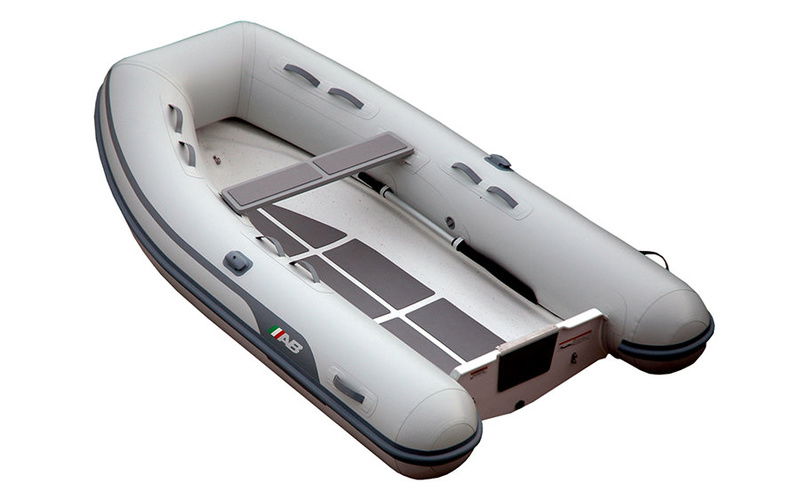
The 2015 AB Inflatables Ventus 10 VL is a compact rigid inflatable-style tender designed for people who want a lightweight, easy-to-handle boat without giving up too much stability. At around 10 feet in length, it sits in that sweet spot where it’s small enough to store and launch easily, but still big enough for practical day-to-day use.
For many owners, the biggest appeal is simplicity. A boat in this size class is easier to tow, easier to hoist, and easier to keep on deck or in a garage than larger inflatables. That makes it attractive for yacht owners, weekend boaters, and anyone who needs a reliable small craft for short trips.
The “VL” designation is often associated with a layout or configuration that emphasizes lightweight handling and utility. In real-world terms, that usually means the boat is meant to be functional first: stable, efficient, and easy to operate.
Common reasons people look at this model include:
- Tender use for larger boats
- Short coastal or inland-water trips
- Easy storage on a lift, dock, or trailer
- Family use for calm-water outings
- A compact option for solo or two-person operation
If you’re shopping used, the main question is not just “Is it available?” but “Is this size and setup actually practical for how I’ll use it?”
- The Real Problem: Choosing the Right Small Inflatable Without Regret
Most people searching for a boat like the 2015 AB Inflatables Ventus 10 VL are dealing with one of three problems:
- They need a dependable tender and don’t want to overspend
- They’re comparing used inflatables and can’t tell which one is in better shape
- They want a small boat, but they’re worried it may feel too cramped, underpowered, or fragile
That uncertainty is normal. A used inflatable can look clean in photos and still have hidden issues that affect performance and safety. On the other hand, a well-kept model can deliver years of solid service if it’s matched to the right use.
The solution is to focus less on the model name alone and more on the boat’s condition, setup, and fit for your boating style. In other words, don’t just ask, “Is this a good boat?” Ask, “Is this a good boat for my water, my load, and my expectations?”
- How to Evaluate a Used 2015 AB Inflatables Ventus 10 VL
When buying a used inflatable, condition matters more than age. A 2015 model that has been stored well may be a far better purchase than a newer boat that lived in the sun and salt.
Here’s what to inspect carefully.
- Tube Condition
The inflatable tubes are one of the most important parts of the boat. Look for:
- Cracks or dry rot
- Patches or signs of previous repairs
- Uneven discoloration from UV exposure
- Soft spots or air loss
- Seam separation
Press gently along the tubes and check whether they hold pressure evenly. If one section feels noticeably softer, that could point to a leak or valve issue.
- Hull and Bottom
If the boat has a rigid hull or reinforced bottom section, inspect it for:
- Dents
- Scratches deeper than surface wear
- Delamination
- Stress cracks
- Evidence of grounding damage
A few cosmetic marks are normal on a used boat. Structural damage is not.
- Valves and Inflation System
Old valves can be a hidden headache. Check that:
- Valves open and close smoothly
- Caps seal properly
- No air escapes after inflation
- The inflation process is straightforward
A slow leak around a valve can be annoying, but it can also become a safety issue if ignored.
- Seams and Glue Lines
Seams are where a lot of inflatable problems begin. Look closely for:
- Lifting edges
- Sticky residue
- Cracking in adhesive areas
- Uneven bonding
If the boat has been exposed to heat or poor storage, adhesive failure can happen over time.
- Transom and Motor Mount Area
If the boat is used with an outboard, the transom area deserves extra attention. Check for:
- Softness in the wood or composite core
- Flexing under pressure
- Corrosion on hardware
- Loose mounting points
This area takes a lot of stress, especially if the boat has been used frequently with a heavier motor.
- Flooring and Interior Setup
Depending on the configuration, flooring may be inflatable, slatted, or rigid. Make sure it feels:
- Secure
- Level
- Free of warping
- Easy to assemble and remove
A floor that shifts underfoot can make the boat feel less stable than it should.
- Performance Expectations for a 10-Foot Inflatable
A boat like the 2015 AB Inflatables Ventus 10 VL is not meant to behave like a larger center console or deep-V offshore boat. That sounds obvious, but it’s where many buyers get disappointed.
The right expectations make all the difference.
A 10-foot inflatable generally performs best when used for:
- Short runs
- Calm to moderate water
- Light passenger loads
- Tender duties
- Slow to moderate cruising speeds
What it usually won’t do as well:
- Carry heavy gear plus multiple adults comfortably
- Handle rough chop at speed
- Feel spacious for long outings
- Perform like a larger fiberglass boat
If you’re planning to use it as a tender, that’s often a great match. If you want a “small family boat” for regular all-day outings, you may wish you had more deck space.
- Practical Ways to Improve the Boat’s Everyday Use
The good news is that a compact inflatable can be made much easier and more enjoyable to use with a few simple improvements.
- Choose the Right Outboard
Motor choice matters a lot on a boat this size. Too little power and the boat feels sluggish. Too much and you may create handling, weight, or safety issues.
A good setup should:
- Match the manufacturer’s recommended horsepower range
- Be light enough for safe transom loading
- Offer smooth low-speed control
- Avoid excessive fuel burn
For tenders and short trips, reliability is usually more important than chasing top speed.
- Keep Weight Under Control
Small inflatables are sensitive to load. Extra weight affects:
- Planing
- Fuel efficiency
- Stability
- Freeboard
- Handling in waves
Keep gear minimal and distribute it evenly. If the boat feels sluggish, it may not be the engine — it may be overloaded.
- Use Proper Inflation Pressure
Underinflated tubes can make the boat feel soft and unstable. Overinflation can stress the seams, especially in hot weather.
A simple habit helps:
- Check pressure before launch
- Recheck after long sun exposure
- Follow the manufacturer’s recommended PSI
This one step can improve ride quality and reduce wear.
- Add Protective Accessories
A few small accessories can make a big difference:
- Tube protectors or chafe guards
- A quality bow line for docking
- A battery-powered pump for faster setup
- A motor lock or security cable if used as a tender
- UV cover or storage cover
These don’t just improve convenience. They help preserve the boat over time.
- Maintenance Tips That Extend the Boat’s Life
Inflatables last longer when they’re treated as equipment that needs regular care, not just occasional attention.
- Rinse After Every Use
If the boat sees saltwater, rinse it thoroughly after each outing. Salt buildup can damage hardware, degrade materials, and shorten the life of fittings.
Even in freshwater, a rinse helps remove dirt and grit.
- Dry Before Storing
Never store the boat wet if you can avoid it. Moisture trapped in seams, under floors, or around fittings can lead to mildew and material breakdown.
A quick drying routine saves a lot of trouble later.
- Store Out of Direct Sun
UV exposure is one of the biggest enemies of inflatable boats. If possible:
- Use a cover
- Store indoors
- Keep it out of prolonged direct sunlight
- Avoid leaving it inflated on a dock for long periods
Sun damage often builds slowly, then becomes obvious all at once.
- Inspect Regularly
Set a simple monthly or seasonal inspection routine:
- Check inflation pressure
- Look for leaks
- Inspect hardware
- Tighten loose fittings
- Examine the transom and seams
A 10-minute inspection can prevent a much bigger repair later.
- Keep Adhesives and Repairs in Mind
If the boat already has patches, ask whether they were professionally done. Small repairs are not necessarily a problem, but repeated or sloppy repairs can mean the boat has had a harder life than it appears.
- When the 2015 AB Inflatables Ventus 10 VL Is a Great Fit
This model makes a lot of sense if you want a compact boat for straightforward use. It’s especially practical if you value portability and easy handling over size.
It may be a good fit if you:
- Need a tender for a larger vessel
- Boat mostly in calm or protected waters
- Want something easy to launch and retrieve
- Prefer a simple, manageable craft
- Usually travel with one or two people
It can be especially appealing for boaters who don’t want the hassle of storing a larger hull. If your boating life is about convenience, this size class is hard to beat.
- When You Might Want Something Bigger
A small inflatable is not always the right answer.
You may want to look at a larger boat if you:
- Regularly carry three or more adults
- Need more gear space
- Want better comfort for longer outings
- Boat in rougher water often
- Prefer more speed and range
The key is honesty about your use case. Many buyers fall in love with the convenience of a compact inflatable, then realize they actually need more room and payload capacity.
- Smart Buying Tips for Used Inflatable Boats
If you’re specifically considering a used 2015 AB Inflatables Ventus 10 VL, here are a few practical buying tips that can save you from headaches.
- Ask About Storage History
How the boat was stored matters a lot.
Good signs:
- Kept indoors
- Covered when not in use
- Not left inflated in the sun for long periods
- Rinsed after saltwater use
Riskier signs:
- Constant outdoor exposure
- Long-term dock storage
- Visible fading or chalking
- Multiple patch areas
- Request a Full Inflation Test
A boat should be fully inflated and left sitting long enough to show whether it holds pressure. If possible, inspect it after it has been inflated for a while, not just right after pumping.
- Check for Included Accessories
Useful extras can add value, such as:
- Oars
- Pump
- Seat
- Cover
- Repair kit
- Motor mounting hardware
But don’t let accessories distract you from the boat’s actual condition.
- Compare Total Cost, Not Just Sticker Price
A cheaper boat may need:
- New valves
- Seam repair
- Floor replacement
- Fresh accessories
- A new motor setup
Sometimes the “better deal” is the one that needs less work.
- Common Mistakes Owners Make
A lot of inflatable boat problems come from avoidable habits.
- Leaving it in the sun for long periods
- Overloading it with people or gear
- Using the wrong motor size
- Ignoring small air leaks
- Storing it wet or dirty
- Dragging it over rough surfaces
- Skipping pressure checks before launch
These mistakes are easy to make because the boat feels simple. But small inflatables reward careful handling.
- Why This Boat Still Appeals to Many Boaters
Even years after its original release, the 2015 AB Inflatables Ventus 10 VL still draws interest because the formula makes sense. A compact inflatable with practical handling, easy storage, and versatile use has lasting appeal.
Boaters often want something that is:
- Easy to move
- Quick to set up
- Simple to maintain
- Stable for its size
- Useful in more than one setting
That combination is still valuable today. If the boat has been cared for properly, it can remain a very functional choice.
- Final Thoughts Before You Decide
The 2015 AB Inflatables Ventus 10 VL is the kind of boat that can work really well when its size and purpose match your needs. It’s compact, practical, and well suited to light-duty boating, especially as a tender or small utility craft.
The biggest lesson is to buy or own with realistic expectations. Check the tubes, seams, valves, and transom carefully. Keep the load manageable, maintain proper inflation, and protect it from sun and moisture. Do that, and a small inflatable can stay useful and enjoyable for a long time.
If you’re still comparing options, focus on condition, storage history, and how you’ll actually use the boat. That’s the best way to find a setup that feels right on the water and stays reliable over time.
Specifications
General
Boat Type: Power Boats
Class Type: Rigid Inflatable Boats
Specifications
Length: 10.47
Beam: 5.64
Draft: 1.31
Hull Material: GRP
Build
First Built: 2015
Propulsion
Fuel Type: Unleaded
Engines: 1
Power: 25 HP
Brand: Unknown
Accomodation
PROS & CONS
What we appreciated
 Lightweight and easy to tow due to inflatable designDurable Hypalon material resistant to UV and abrasionStable hull design suitable for various water conditionsSpacious deck layout for passengers and gearGood fuel efficiency with appropriate outboard engine
What we didn’t appreciate
 Limited speed compared to hard-hull boats of similar sizeRequires regular maintenance to ensure inflatable tubes remain airtightLess insulated against cold water and weatherStorage space can be limited compared to rigid hull boatsPotential vulnerability to punctures despite durable material
Upkeep Costs
Fuel: Approximately $1,200 - $2,500 per year depending on usage
Maintenance: Around $500 - $1,000 annually for engine servicing and hull upkeep
Insurance: Typically $300 - $600 per year
Storage: $600 - $1,200 yearly depending on location and type
Registration and Licensing: $50 - $150 annually
Rating
5.1
User
Score
Score
Driveability
Technology
Interior
Design
Similar Boats


MarineBroker
Download now for an immersive boat experience like never before! ⛵✨ Your journey begins with a simple click. 🌊📲
#SetSailSmart #DownloadNow
#SetSailSmart #DownloadNow

Subscribe
Copyright 2017 - 2026, Marinebroker.net, All Rights Reserved