Boat Type: Power Boats
Boat Class: Rigid Inflatable Boats
Length: 7.55 ft
Berths: 1
Cabins: 1
Bathrooms: 1
Max Persons: 2
Boat Database » 3D Tender Twin V-Shape 230
3D Tender Twin V-Shape 230
Outboard four-stroke, Unleaded, 1x 4 HP
Power Boats 2020 3D Tender Twin V-Shape 230: A Practical Guide to Choosing, Using, and Getting the Most from a Compact Inflatable Boat
If you’re looking at the 2020 3D Tender Twin V-Shape 230, chances are you’re trying to solve a very specif...
Discover

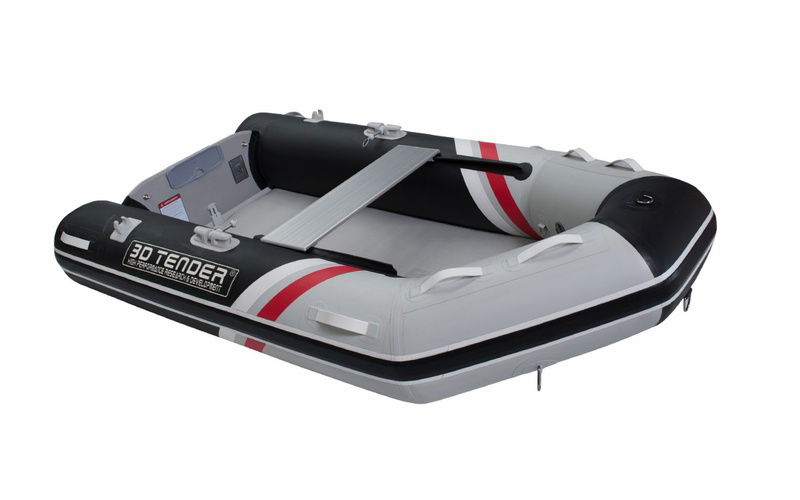

Images have been gathered from various sources and belong to their respective owners.
Review - 3D Tender Twin V-Shape 230

MarineBroker
01/09/2024, 7:20 AM
2020 3D Tender Twin V-Shape 230: A Practical Guide to Choosing, Using, and Getting the Most from a Compact Inflatable Boat
If you’re looking at the 2020 3D Tender Twin V-Shape 230, chances are you’re trying to solve a very specific boating problem: how to get a boat that’s small enough to handle easily, but still stable, comfortable, and useful on the water. That’s a common challenge for tenders, dinghies, and compact inflatables. Go too small, and the boat feels limited or twitchy. Go too large, and you lose the portability and convenience that made you want an inflatable in the first place.
The 2020 3D Tender Twin V-Shape 230 sits right in that interesting middle ground. It’s the kind of boat many people consider when they want a lightweight craft for short trips, tender duties, calm-water exploring, or quick access to shore. But like any compact inflatable, getting the best experience depends on understanding what it can do, what it can’t do, and how to set it up properly.
In this article, we’ll break down the real-world advantages of this type of boat, the common issues owners run into, and the best ways to make a small inflatable feel safer, smoother, and more practical on the water.
- What Makes the 2020 3D Tender Twin V-Shape 230 Stand Out
The 2020 3D Tender Twin V-Shape 230 is a compact inflatable boat designed for convenience and stability in a small package. The “twin V-shape” design is especially interesting because it aims to improve tracking and handling compared with flatter inflatable hulls.
For many boaters, that matters a lot. A small inflatable can be easy to carry, launch, and store, but if it feels too bouncy or drifts around too much, it quickly becomes frustrating. The V-shaped hull concept helps address that by giving the boat a more directional feel in the water.
In practical terms, this kind of boat is often used as:
- A tender for a larger yacht or cruiser
- A short-range runabout for calm waters
- A lightweight support boat for fishing or shore access
- A compact inflatable for easy transport and storage
The appeal is obvious: small footprint, simple handling, and a lower barrier to getting out on the water. Still, the key is knowing how to match expectations with reality.
- The Main Problem People Face with Small Inflatable Boats
The biggest issue with compact inflatables like the 2020 3D Tender Twin V-Shape 230 is not usually the boat itself. It’s the mismatch between what the buyer expects and what a 230 cm inflatable can realistically deliver.
People often run into one or more of these problems:
- The boat feels less stable than expected in chop
- There’s limited room for gear, passengers, or movement
- The boat can be affected by wind more than larger craft
- Performance depends heavily on correct inflation and load balance
- Storage and portability are great, but comfort can be tight
This is where many owners get disappointed. They want something that behaves like a bigger rigid boat, but the compact inflatable format is really about efficiency and practicality.
The good news is that these issues are manageable. Once you understand the boat’s strengths and limits, you can use it in a way that feels much better.
- Understanding the Twin V-Shape Advantage
The Twin V-Shape concept is worth paying attention to because hull shape matters a lot in small boats. A flatter inflatable can be very stable at rest, but it may slap more in waves and feel less precise underway. A V-shaped bottom tends to improve directional control and can make the ride feel more composed.
For a boat like the 2020 3D Tender Twin V-Shape 230, this can help in several ways:
- Better tracking in a straight line
- More predictable handling at low to moderate speeds
- Improved comfort in light chop
- A more “boat-like” feel than a fully flat inflatable
That said, the trade-off is simple: a V-shaped inflatable may not feel as roomy or as rock-solid at rest as some flatter alternatives. So if your main goal is standing still for long periods, fishing with several people, or carrying heavier loads, you need to think carefully about how you’ll use it.
- Who This Boat Is Best Suited For
The 2020 3D Tender Twin V-Shape 230 makes the most sense for people who value portability and simplicity over maximum space.
It’s a good fit for:
- Yacht owners needing a tender
- Solo users or one adult with a child
- Boaters who launch from a car, trailer, or storage locker
- People who mainly operate in sheltered water
- Anyone who wants a compact boat for short trips rather than long outings
It’s less ideal for:
- Larger groups
- Offshore use
- Heavy gear hauling
- Rough-water adventures
- Users who want lots of deck space
If you’re choosing a boat for convenience and quick access, this size can be very attractive. If you’re trying to replace a full-size dinghy or family boat, though, you may feel constrained.
- Common Setup Mistakes and How to Avoid Them
A lot of problems with small inflatables come from setup errors, not design flaws. With a compact model like the 2020 3D Tender Twin V-Shape 230, getting the basics right makes a big difference.
Here are the most common mistakes:
- Underinflation
A boat that isn’t inflated correctly will feel soft, sluggish, and less stable. It may also sit differently in the water, which affects handling.
- Overloading
Even if the boat technically floats with extra weight, performance can drop fast. Too much load makes a small inflatable sit lower, respond slower, and feel less secure.
- Uneven weight distribution
If one side carries too much weight, the boat can lean or track poorly. Keep gear balanced and passengers centered where possible.
- Using the wrong motor setup
If the boat is paired with propulsion that’s too strong or poorly matched, handling can suffer. Small inflatables are sensitive to setup choices.
- Ignoring water conditions
Calm water and sheltered areas are where a compact inflatable shines. In rougher conditions, even a good design has limits.
A simple pre-launch routine helps a lot:
1. Check inflation pressure.
2. Inspect seams, valves, and floor sections.
3. Balance weight and gear.
4. Confirm the motor and fuel setup are secure.
5. Test the boat in calm water first.
- How to Improve Stability and Comfort on a Small Inflatable
If you already own or are considering the 2020 3D Tender Twin V-Shape 230, the goal is to make the most of the space and hull design you have. A few practical habits can improve the experience significantly.
- Keep the load light
The less excess weight you carry, the better the boat will perform. Bring only what you need.
- Sit low and centered
In a compact inflatable, body position matters. Staying centered improves balance and reduces unnecessary movement.
- Use smooth throttle inputs
Sudden acceleration or sharp turns can make a small boat feel nervous. Gentle control gives you a more stable ride.
- Pack gear in soft bags
Soft bags are easier to stow and less likely to create awkward weight shifts.
- Choose calm launch areas
A sheltered harbor, marina, or protected shoreline will make the boat much easier to handle.
- Match expectations to purpose
Think “efficient tender” or “compact utility boat,” not “mini cruiser.”
These small choices often matter more than people expect. A well-prepared compact inflatable can feel very different from one that’s overloaded or poorly balanced.
- 2020 3D Tender Twin V-Shape 230 and Real-World Use Cases
To understand whether this boat is right for you, it helps to picture how it’s used in everyday boating situations.
- As a tender
This is one of the clearest use cases. A compact inflatable is easy to store on deck or on a davit system, and it can shuttle people or light gear between shore and a larger vessel.
- For short harbor runs
If you need a quick, lightweight boat for moving around protected water, a small inflatable can be very practical.
- For solo outings
One person can manage launch, retrieval, and transport more easily than with a larger craft.
- For emergency backup
Some boaters like having a compact inflatable available as a secondary option for shore access or short-distance movement.
- For minimalist boating
If your style is simple, lightweight, and low-hassle, this type of boat fits well.
The big advantage is convenience. You can get on the water without the complexity of a larger rigid boat, which is a huge plus for many owners.
- What to Check Before Buying or Using One
If you’re evaluating the 2020 3D Tender Twin V-Shape 230, don’t just look at the size. Focus on the details that affect daily use.
Check these points:
- Maximum load capacity
- Number of passengers it can comfortably carry
- Floor construction and rigidity
- Hull shape and tracking behavior
- Storage dimensions when deflated
- Compatibility with your intended motor or propulsion method
- Valve quality and ease of inflation
- Portability for your vehicle or storage space
It’s also smart to think about your own routine:
- How far will you travel?
- How often will you launch?
- Will you carry passengers or just go solo?
- Do you need a tender, a utility boat, or a small leisure craft?
A boat that looks perfect on paper can feel wrong if it doesn’t fit your actual use case.
- Maintenance Tips for Better Longevity
One of the best things about a small inflatable is that it can be relatively easy to maintain, as long as you stay consistent.
Here are the basics:
- Rinse with fresh water after saltwater use
- Dry thoroughly before storage
- Avoid dragging the boat over rough surfaces
- Check for abrasions and punctures regularly
- Store away from direct sunlight when possible
- Inspect valves and seams periodically
- Keep inflation within the recommended range
A little routine care goes a long way. Inflatable boats often last much longer when they’re cleaned, dried, and stored properly.
If you’re using the boat frequently as a tender, it’s especially important to pay attention to chafe points and repeated contact areas. Those small wear spots are often where problems begin.
- Is the 2020 3D Tender Twin V-Shape 230 the Right Size for You?
This is the question that really matters. The answer depends less on brand and more on your boating habits.
Choose a compact boat like this if you want:
- Easy storage
- Simple transport
- Fast setup
- Light-duty use
- Good maneuverability in sheltered water
Look for something larger if you need:
- More deck space
- Better comfort with passengers
- More confidence in rough water
- Greater carrying capacity
- Longer-range versatility
A lot of boating frustration comes from choosing a boat based on one feature alone. Size, hull shape, and intended use all need to work together.
The 2020 3D Tender Twin V-Shape 230 is most appealing when you want a practical, easy-to-manage inflatable that doesn’t demand a lot of space or effort.
- Practical Buying and Usage Advice for First-Time Owners
If you’re new to small inflatables, here’s the simplest way to think about it: start with the job the boat needs to do, then choose the setup around that job.
A few useful tips:
- Don’t buy for the rare trip; buy for the usual one
- Prioritize stability and ease of handling over flashy features
- Test the boat in calm conditions first
- Learn how it behaves with your typical load
- Keep your gear minimal until you know what you actually use
That approach helps avoid the classic mistake of over-equipping a small boat. Many owners discover they need less onboard than they originally thought.
Also, if you’re planning to use it as a tender, make sure the storage and launch process is realistic. A boat that’s easy to use once but annoying to handle every day can become a chore.
- Why This Kind of Boat Still Makes Sense
In a world of bigger, more complex boats, compact inflatables still have a strong place. They solve a real problem: how to move people and gear efficiently without committing to a large, expensive, or difficult-to-store vessel.
That’s why the 2020 3D Tender Twin V-Shape 230 remains relevant. It offers a balance of portability, simplicity, and functional performance that suits a lot of boaters very well.
When used for the right purpose, a small inflatable can be incredibly satisfying. It gets you on the water quickly, keeps logistics simple, and does exactly what it’s supposed to do.
The key is to respect the size, use it smartly, and keep the setup clean and balanced.
- Conclusion
The 2020 3D Tender Twin V-Shape 230 is a great example of how a compact inflatable can solve a very common boating problem: getting a boat that’s easy to handle without giving up all sense of stability and control. It’s best suited to sheltered water, light-duty use, and people who value convenience over size.
If you match the boat to the right job, keep the load balanced, and pay attention to setup and maintenance, it can be a very practical and enjoyable option. For anyone comparing small tenders or compact inflatables, focusing on real-world use is the smartest way to choose. If you want to go deeper, explore hull design, load limits, and setup tips before making your final decision.
Specifications
General
Boat Type: Power Boats
Class Type: Rigid Inflatable Boats
Specifications
Length: 7.55
Beam: 4.4
Draft: 0.66
Hull Material: Unknown
Build
First Built: 2020
Propulsion
Fuel Type: Unleaded
Engines: 1
Power: 4 HP
Brand: Unknown
Accomodation
Berths: 1
Cabins: 1
Bathrooms: 1
PROS & CONS
What we appreciated
 Spacious twin V-shape hull design offers excellent stability and comfort.Modern 2020 model with updated features and materials.Durable construction suitable for various water conditions.Good performance with efficient fuel consumption.Versatile tender suitable for both leisure and utility purposes.
What we didn’t appreciate
 May be heavier than single V-hull tenders, affecting transport and handling.Limited availability of aftermarket accessories specific to this model.Higher initial purchase price compared to smaller or simpler tenders.Requires regular maintenance to preserve the twin hull integrity.Not ideal for very shallow or extremely rough waters due to hull design.
Upkeep Costs
Fuel: Approximately $2,000 - $4,000 per year depending on usage
Maintenance: Around $1,000 - $2,000 per year including engine servicing and hull upkeep
Insurance: Typically $500 - $1,200 annually depending on coverage and location
Storage: $500 - $2,000 annually depending on marina or dry storage options
Registration and Taxes: $100 - $300 per year depending on local regulations
Rating
4.9
User
Score
Score
Driveability
Technology
Interior
Design
Similar Boats


MarineBroker
Download now for an immersive boat experience like never before! ⛵✨ Your journey begins with a simple click. 🌊📲
#SetSailSmart #DownloadNow
#SetSailSmart #DownloadNow

Subscribe
Copyright 2017 - 2026, Marinebroker.net, All Rights Reserved