Boat Database » Aermarine Espace 300
Aermarine Espace 300
Outboard four-stroke, Unleaded, 1x 20 HP
Power Boats 2015 Aermarine Espace 300: What Owners Should Know Before Hitting the Water
If you’re looking into the 2015 Aermarine Espace 300, chances are you’re trying to figure out one simple thing: is it the right boat for your kind of boa...
Discover
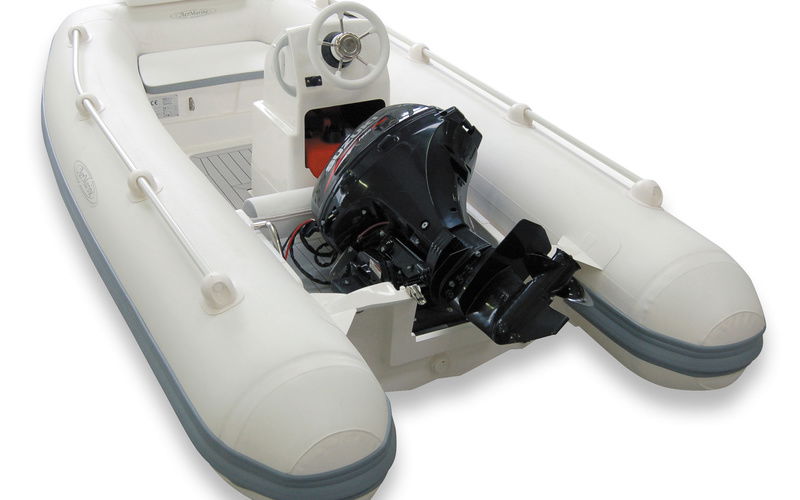
Images have been gathered from various sources and belong to their respective owners.
Review - Aermarine Espace 300

MarineBroker
02/01/2024, 9:31 AM
2015 Aermarine Espace 300: What Owners Should Know Before Hitting the Water
If you’re looking into the 2015 Aermarine Espace 300, chances are you’re trying to figure out one simple thing: is it the right boat for your kind of boating? That’s a fair question, especially with small inflatables and tenders, where the details matter more than the brochure language.
The 2015 Aermarine Espace 300 is a compact inflatable boat that appeals to boaters who want something lightweight, easy to transport, and practical for short trips, tender duty, or relaxed coastal use. But like any small craft, the real challenge is not just buying it — it’s understanding how to use it well, maintain it properly, and avoid the common issues that catch new owners off guard.
That’s where a lot of people run into trouble. They focus on size and portability, but overlook things like setup, inflation pressure, load limits, storage, and engine matching. The good news is that these problems are usually easy to manage once you know what to look for. In this article, we’ll break down the 2015 Aermarine Espace 300 in a practical way, explain the most common ownership concerns, and share simple solutions that help you get better performance and fewer headaches on the water.
- What Makes the 2015 Aermarine Espace 300 Worth Considering?
The 2015 Aermarine Espace 300 sits in a category that many boaters love: small, versatile inflatables that are easy to handle without giving up useful space. At around 3 meters long, it’s compact enough for transport and storage, yet large enough to carry a few people, gear, or serve as a dependable tender.
For many owners, the appeal is convenience. You can launch it quickly, tow it behind a larger vessel, or store it in a garage without needing a massive trailer setup. That makes it a smart option for weekend boaters, yacht owners, and anyone who wants a simple, low-drama boat.
It’s also the kind of boat that rewards careful use. Small inflatables are often underestimated, but when they’re matched with the right motor and maintained properly, they can be surprisingly efficient and enjoyable. The key is understanding what this boat is designed to do — and what it isn’t.
- The Main Problem: Small Inflatable Boats Are Easy to Buy, Harder to Use Well
A lot of people searching for the 2015 Aermarine Espace 300 are really trying to solve a bigger problem: how to make a small inflatable boat feel stable, safe, and useful in real life.
That problem usually shows up in a few ways:
- The boat feels underpowered or overpowered
- It doesn’t plane the way expected
- Storage and inflation take longer than anticipated
- The ride feels bouncy in chop
- Owners are unsure about weight limits and load distribution
- The boat loses air pressure or feels soft over time
None of these issues mean the boat is bad. They usually mean the setup, maintenance, or expectations need adjustment. With a small model like the Espace 300, even small mistakes can have a noticeable effect.
The solution is to treat it like a precision tool, not just a floating tube. When you match the engine correctly, keep the tubes properly inflated, distribute weight smartly, and stay within realistic use conditions, the boat becomes much more capable.
- 2015 Aermarine Espace 300 Overview: Who It’s Best For
The 2015 Aermarine Espace 300 is best suited for boaters who want a lightweight inflatable with simple handling and flexible use.
It tends to work well for:
- Tender use from a larger yacht
- Short coastal runs in calm to moderate conditions
- Fishing in protected waters
- Recreational cruising with a small group
- Easy transport and storage between outings
It is less ideal for people who want a deep-V performance boat, heavy offshore capability, or lots of onboard space. That’s not a flaw — it’s just the reality of a 3-meter inflatable.
If you’re realistic about the boat’s purpose, it can be a very practical choice. If you expect it to behave like a much larger rigid hull, frustration usually follows.
- The Most Common Ownership Mistakes and How to Avoid Them
One of the best ways to get more value from the 2015 Aermarine Espace 300 is to avoid the mistakes that cause most complaints.
Here are the big ones.
- 1. Using the Wrong Engine Size
Motor choice matters a lot on a boat this size. Too little power and the boat struggles to get moving. Too much power and handling can become uncomfortable or unsafe.
The solution is to follow the manufacturer’s recommended horsepower range and choose based on your actual use. If you mostly cruise slowly as a tender, a smaller motor may be enough. If you want better planing performance with two adults and gear, you may need to stay near the upper end of the recommended range.
Also consider:
- Engine weight
- Fuel efficiency
- Shaft length compatibility
- Ease of starting and maintenance
A well-matched engine often feels better than a bigger one.
- 2. Overloading the Boat
Many small boat problems come down to too much weight. It’s tempting to bring extra gear, coolers, anchor equipment, and friends, but the 2015 Aermarine Espace 300 has practical limits.
Overloading can cause:
- Slower acceleration
- Poor planing
- Reduced stability
- More spray and a wetter ride
- Higher fuel consumption
The fix is simple: keep the load light and balanced. Put heavier items low and centered. If you’re carrying passengers, spread them out rather than clustering weight at one end.
A good rule of thumb for small inflatables is to think in terms of “what do I really need for this trip?” rather than packing for every possible scenario.
- 3. Underinflating or Overinflating the Tubes
Inflation pressure is one of the most overlooked parts of inflatable boat ownership. Too soft, and the boat loses shape, performance, and stability. Too hard, and you risk stress on seams and materials, especially in heat.
The best approach is to check pressure regularly and adjust for temperature changes. Air expands in the sun and contracts in cooler conditions, so a boat that feels fine in the morning may become too firm by afternoon.
Helpful habits include:
- Use a proper pressure gauge
- Inflate according to the manufacturer’s specs
- Recheck pressure before every outing
- Avoid leaving the boat overinflated in direct sun for long periods
This one habit alone can make the boat feel noticeably better on the water.
- 4. Ignoring Weight Distribution
Even if you stay within the total capacity, poor weight distribution can make the boat feel unstable or difficult to handle.
For the 2015 Aermarine Espace 300, balance matters because the boat is relatively short. A few extra kilograms in the wrong place can change trim and make the bow ride too high or too low.
To improve balance:
- Keep fuel, batteries, and heavy gear near the center
- Avoid stacking weight at the transom
- Move passengers around if the bow or stern feels overloaded
- Test the setup in calm water before heading farther out
Small adjustments can make a big difference in how the boat performs.
- How to Get Better Performance from the 2015 Aermarine Espace 300
If your goal is smoother handling and more enjoyable trips, there are a few simple ways to improve performance without changing the boat itself.
- Choose the Right Propulsion Setup
If you’re using an outboard, the propeller and engine pairing should suit the boat’s weight and use case. A prop that’s too aggressive may hurt acceleration. One that’s too mild may limit top speed.
If you’re unsure, start by looking at the manufacturer’s recommendations and then consider your typical load. A lightly loaded tender and a fishing setup won’t need the exact same tuning.
- Keep the Hull and Tubes Clean
Dirt, salt, and grime can affect performance more than many people realize. A clean hull moves more efficiently, and clean tubes are easier to inspect for wear or leaks.
Simple cleaning routine:
- Rinse after saltwater use
- Wash with mild soap and fresh water
- Avoid harsh chemicals that can damage materials
- Dry fully before storage
This also helps you spot small issues before they become bigger ones.
- Trim the Boat Properly
Trim can make a small inflatable feel completely different. If the bow rides too high, the boat may struggle to plane. If it rides too low, it can feel sluggish and wet.
Try small adjustments:
- Shift passenger position
- Move gear forward or aft
- Adjust engine trim if available
- Test in calm water first
You don’t need fancy equipment to improve trim — just a little attention and patience.
- Maintenance Tips That Keep the Boat Reliable
A small inflatable boat can last a long time if it’s cared for consistently. The 2015 Aermarine Espace 300 is no exception.
- Inspect Before Every Trip
Before launching, do a quick check of:
- Tube pressure
- Valves
- Seams
- Floor condition
- Oarlocks or fittings
- Engine mounting area
- Fuel line and connections
This takes only a few minutes and can prevent a ruined day on the water.
- Watch for Slow Leaks
If the boat seems soft after sitting overnight, you may have a slow leak or a valve issue. Don’t ignore it. Small leaks are often easy to fix once located.
A simple method:
- Inflate fully
- Spray soapy water on suspected areas
- Look for bubbles
- Check valves first, then seams and fittings
Catching a leak early saves time and frustration.
- Store It Correctly
Storage is a huge part of inflatable boat care. UV exposure, moisture, and improper folding can shorten the life of the boat.
Best practices:
- Store in a cool, dry place
- Avoid long-term sun exposure
- Keep it clean and fully dry
- Don’t fold it with debris trapped inside
- If possible, use a protective cover
If you store it properly, it will usually stay more reliable and look better over time.
- Is the 2015 Aermarine Espace 300 Good for Beginners?
Yes, it can be a good option for beginners, especially if the user wants a simple inflatable for calm water and short outings.
Why it works for new boaters:
- Lightweight and manageable
- Easy to understand
- Lower operating complexity than larger boats
- Good for learning basic boating habits
But beginners should still respect the learning curve. Small boats respond quickly to weight shifts, wind, and throttle changes. That means you’ll want to practice docking, launching, and handling in calm conditions before taking passengers or heading into rougher water.
Beginners who take the time to learn the boat usually have a much better experience than those who expect it to behave like a larger, more forgiving vessel.
- Practical Buying and Ownership Checklist
If you’re considering the 2015 Aermarine Espace 300, or already own one, use this quick checklist to stay ahead of problems.
Before buying or using, check:
- Hull and tube condition
- Valve function
- Floor integrity
- Engine compatibility
- Trailer or transport setup
- Storage space
- Typical passenger and gear load
- Local conditions where you’ll use it
If buying used, also ask about:
- Repair history
- Patch work
- UV exposure
- How often it was inflated and used
- Whether the boat has been stored indoors or outdoors
A careful inspection is always worth it on an inflatable, because a boat that looks fine from a distance may have hidden wear.
- When the 2015 Aermarine Espace 300 Makes the Most Sense
This boat makes the most sense when you want a compact, easy-to-handle inflatable for light-duty boating.
It’s a strong fit if you:
- Need a tender
- Want something easy to store
- Usually boat in protected waters
- Prefer simple maintenance
- Value portability over maximum speed or space
It’s probably not the best fit if you want:
- Offshore capability
- High passenger capacity
- A dry ride in rough water
- Big storage volume
- Serious performance boating
Knowing that difference helps you avoid disappointment and get more enjoyment from the boat you actually have.
- Conclusion
The 2015 Aermarine Espace 300 is a practical small inflatable that can be a great boating solution when it’s used the right way. Most of the common problems people face with boats like this come down to setup, load management, inflation, and maintenance rather than the boat itself.
If you keep the weight balanced, choose the right engine, maintain proper pressure, and store it carefully, you’ll get a much better experience on the water. For boaters who want a lightweight, versatile, and easy-to-manage inflatable, this model can make a lot of sense. The key is matching expectations to reality and using a few simple habits to keep it performing well. If you’re still comparing options, it’s worth digging deeper into engine pairing, capacity, and storage needs before making your final decision.
Specifications
General
Boat Type: Power Boats
Class Type: Rigid Inflatable Boats
Specifications
Length: 9.84
Beam: 5.09
Draft: 1.31
Hull Material: GRP
Build
First Built: 2015
Propulsion
Fuel Type: Unleaded
Engines: 1
Power: 20 HP
Brand: Unknown
Accomodation
PROS & CONS
What we appreciated
 Spacious and comfortable layout suitable for family outingsModern design with ample seating and lounging areasGood fuel efficiency for its sizeReliable 2015 Aermarine build qualityVersatile usage for both leisure cruising and watersports
What we didn’t appreciate
 Limited storage space for extended tripsMay require regular maintenance due to ageNot ideal for rough sea conditionsSmaller engine options may limit speedLimited availability of spare parts in some regions
Upkeep Costs
Fuel: Approximately $1,200 to $2,000 per year depending on usage
Maintenance and Repairs: Around $1,000 to $1,500 per year
Insurance: Typically $300 to $600 annually
Storage and Mooring: $500 to $1,500 per year depending on location
Registration and Taxes: $100 to $300 per year

Rating
6.7
User
Score
Score
Driveability
Technology
Interior
Design
Similar Boats


MarineBroker
Download now for an immersive boat experience like never before! ⛵✨ Your journey begins with a simple click. 🌊📲
#SetSailSmart #DownloadNow
#SetSailSmart #DownloadNow

Subscribe
Copyright 2017 - 2026, Marinebroker.net, All Rights Reserved