Boat Type: Sail Boats
Boat Class: Cruiser
Length: 32.64 ft
Berths: 2
Cabins: 1
Bathrooms: 1
Max Persons: 10
1977 Phantom 32: What Owners Should Know Before Buying, Restoring, or Cruising One
If you’ve been looking into the 1977 Phantom 32, you’re probably already drawn to its classic lines, roomy layout, and that unmistakable vintage p...
Discover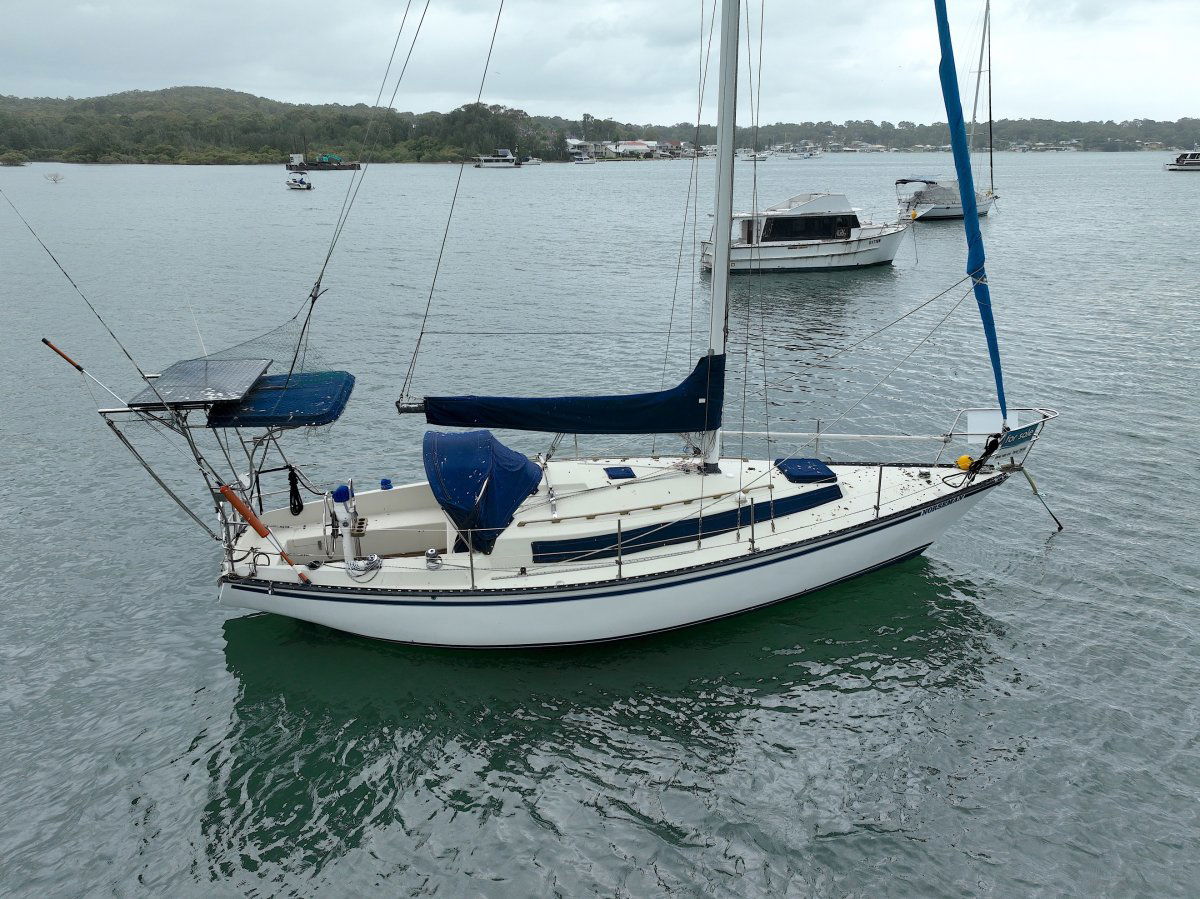
Images have been gathered from various sources and belong to their respective owners.
Review - Phantom 32

MarineBroker
11/22/2023, 4:08 AM
1977 Phantom 32: What Owners Should Know Before Buying, Restoring, or Cruising One
If you’ve been looking into the 1977 Phantom 32, you’re probably already drawn to its classic lines, roomy layout, and that unmistakable vintage powerboat character. Boats like this have a way of pulling people in. They’re not just fiberglass and engines—they’re part of a boating era when style, simplicity, and hands-on ownership all came together.
But here’s the catch: owning an older boat can be rewarding, and it can also get expensive fast if you don’t know what to look for. The biggest problem most people face with a 1977 Phantom 32 isn’t finding one. It’s figuring out whether the boat is a good candidate for purchase, restoration, or regular use without running into hidden issues later.
The good news is that most of the common problems are predictable. If you understand the boat’s likely weak points, how to inspect them, and what kind of maintenance plan makes sense, you can make a much smarter decision. In this guide, we’ll walk through what makes the 1977 Phantom 32 appealing, the most common trouble spots, and practical ways to evaluate and care for one so you can enjoy the boat instead of constantly chasing repairs.
- What Makes the 1977 Phantom 32 Stand Out
The Phantom 32 is one of those classic boats that tends to attract people who appreciate solid construction and old-school boating personality. Depending on the specific build and setup, the 1977 Phantom 32 may have been used as a cruiser, a performance-oriented runabout, or a comfortable family boat with plenty of cockpit and cabin space.
What draws many buyers to this model is the balance between size and manageability. At roughly 32 feet, it’s big enough to feel substantial on the water, but not so large that ownership becomes overwhelming for experienced boaters.
Common reasons people seek out a 1977 Phantom 32 include:
- Classic styling that still looks good today
- A layout that can offer useful living or lounging space
- Strong hull presence and a stable feel underway
- The appeal of restoring a vintage boat rather than buying new
- Often more affordable entry pricing compared with modern boats of similar size
Of course, the age of the boat changes the conversation. A 1977 hull may still have years of life left, but only if the structure, systems, and engines have been properly maintained or restored.
- The Main Problem with Older Boats Like the 1977 Phantom 32
The biggest issue with a vintage boat isn’t usually the age itself. It’s the uncertainty that comes with age.
A 1977 Phantom 32 could have been cared for extremely well, lightly used, and stored indoors for years. Or it could have spent long periods sitting in the water, exposed to moisture, sun, and deferred maintenance. From the outside, those two boats can look surprisingly similar.
That’s why buyers often run into the same problem:
- They fall in love with the boat’s appearance
- They assume the asking price reflects its real condition
- They discover expensive hidden repairs after the purchase
The most common hidden issues on older fiberglass cruisers and performance boats include:
- Soft decks or transom rot
- Water intrusion around fittings and windows
- Aging fuel systems
- Outdated wiring
- Engine and drivetrain wear
- Exhaust system deterioration
- Corroded hardware
- Interior damage from leaks or poor ventilation
In other words, the challenge is not just “Is the 1977 Phantom 32 a good boat?” The better question is, “Is this specific boat a good example of the model?”
- How to Evaluate a 1977 Phantom 32 Before You Buy
If you’re shopping for one, inspection matters more than excitement. A careful walkthrough can save you thousands.
Start with the hull and structure
The hull is the foundation. Look for signs of impact damage, blistering, uneven repairs, or stress cracks.
Check for:
- Cracks around chines, strakes, and transom corners
- Evidence of previous fiberglass patching
- Soft spots in the deck
- Hull discoloration that may signal moisture issues
- Any signs the boat has been sitting low or uneven in the water
If possible, tap around the hull and deck with a plastic mallet or similar tool. A dull thud can indicate delamination or wet core material.
Inspect the transom carefully
On older boats, the transom is one of the first places to fail if water has been getting in over time.
Look for:
- Flexing when pressure is applied
- Cracks near engine mounts or hardware
- Staining around bolts and fittings
- Separation between fiberglass layers
A weak transom can turn a “good deal” into a major rebuild, so this is not a place to guess.
Check the deck and cabin areas for moisture
Walk every accessible surface. Pay attention to:
- Around hatches
- Around rail bases
- Near windshields and windows
- Around cleats and stanchions
- Under carpets or flooring
If the boat smells musty or has visible staining, there may be long-term moisture intrusion. That doesn’t always mean the boat is a lost cause, but it does mean you need to budget realistically.
- 1977 Phantom 32 Engine and Mechanical Concerns
Mechanical systems are often where older boats become either a fun project or a money pit.
A 1977 Phantom 32 may have had original engines replaced at some point, and that can be a good thing if the repower was done properly. But even newer engines can be a problem if the supporting systems are neglected.
Things to inspect:
- Oil condition and level
- Coolant system health
- Belts, hoses, and clamps
- Fuel lines and filters
- Carburetors or fuel injection components
- Raw water pumps
- Exhaust manifolds and risers
- Mounts and alignment
If the boat has gasoline engines, fuel system condition is especially important. Old fuel tanks, degraded hoses, and outdated fittings can create both performance issues and safety concerns.
A few red flags:
- Strong fuel smell in the bilge
- Hard starting
- Excessive smoke
- Overheating at idle or under load
- Milky oil, which can suggest water intrusion
- Corrosion around engine components
If you’re not mechanically confident, hire a marine surveyor or experienced marine mechanic. On a boat this age, a professional opinion is worth it.
- Electrical Systems: A Common Weak Point in Vintage Boats
Electrical problems are extremely common in older boats, and the 1977 Phantom 32 is no exception.
The issue is often a combination of old wiring, previous owner modifications, and corrosion from years of moisture exposure. Even if the boat looks clean, electrical systems can hide all kinds of headaches behind panels and under consoles.
Check for:
- Brittle insulation on wires
- Non-marine-grade wire splices
- Corroded terminals
- Outdated breaker panels
- Poor battery installation
- Loose grounds
- Inoperative gauges or switches
A good electrical system should feel organized, not improvised. If you see wire nuts, household connectors, or tangled bundles with no labeling, plan on upgrades.
For safety and reliability, many owners of classic boats eventually rewire at least part of the vessel. That may sound daunting, but it often improves both resale value and peace of mind.
- Interior Condition: Comfort Is Nice, But Dryness Is Better
The interior of a 1977 Phantom 32 can be part of its charm. Classic cabins often have a warm, simple feel that modern boats sometimes lack.
Still, don’t let cosmetic appeal distract you from structural concerns.
Look at:
- Headliner condition
- Flooring softness
- Cabinet and bulkhead integrity
- Upholstery wear
- Window seals
- Ventilation
- Signs of mold or mildew
Interior water damage is often a clue that the boat has leak issues elsewhere. A little cosmetic wear is normal for a boat this age. Soft wood, warped panels, or recurring mildew are more serious.
If you’re planning to cruise or overnight, comfort matters too. Make sure the cabin layout works for how you actually boat. Some owners want a weekend cruiser, while others want a day boat with a place to escape the sun and store gear.
- The Best Way to Solve the “Is It Worth It?” Problem
This is where a lot of buyers get stuck. They like the boat, but they’re not sure whether they’re looking at a smart purchase or a long-term project.
The best solution is to separate the boat into three categories:
1. Cosmetic issues
These are usually manageable.
Examples:
- Faded gelcoat
- Worn upholstery
- Old carpet
- Outdated electronics
2. Maintenance issues
These are normal for an older boat and should be budgeted for.
Examples:
- Battery replacement
- Pump replacement
- Hose and belt replacement
- Minor wiring updates
3. Structural or major mechanical issues
These are the big-ticket items.
Examples:
- Rotten transom
- Soft core material
- Failing engines
- Fuel tank replacement
- Major electrical rebuild
If the boat only has cosmetic and routine maintenance issues, it may be a solid candidate. If it has structural problems plus engine trouble, the numbers can escalate quickly.
A good rule of thumb: always assume the first repair estimate is not the last one.
- Restoration Tips for a 1977 Phantom 32
If you decide the boat is worth saving, restoration can be a very satisfying process. The key is to work in the right order.
Start with safety and structure
Before cosmetics, handle the things that keep the boat afloat and safe:
- Hull integrity
- Transom and deck repairs
- Fuel system replacement if needed
- Electrical safety updates
- Steering and control systems
- Bilge pumps and drainage
Then move to propulsion
Once the structure is sound, focus on engines, drives, and running gear.
Prioritize:
- Reliable starting
- Cooling system health
- Smooth shifting
- Proper alignment
- Clean fuel delivery
Only after that should you invest heavily in comfort and appearance.
Finish with the details
This is where the boat starts to feel like yours:
- Upholstery
- Paint or gelcoat correction
- New electronics
- Lighting upgrades
- Canvas or enclosures
- Cabin refreshes
Restoring a classic boat is much easier when you resist the urge to do everything at once. A phased approach keeps the project manageable and helps you avoid wasting money on upgrades before the boat is truly ready.
- Maintenance Habits That Keep a Phantom 32 Going Strong
If you already own a 1977 Phantom 32, the best way to protect your investment is consistent maintenance. Older boats tend to reward owners who stay ahead of problems.
Useful habits include:
- Flush engines after every use, if applicable
- Inspect bilges regularly for water or fuel odor
- Check hose clamps and fittings each season
- Keep battery terminals clean
- Re-seal deck hardware when needed
- Store the boat properly to reduce moisture exposure
- Run the boat regularly instead of letting it sit for months
Seasonal inspections matter a lot. A 30-minute checkup can prevent a repair that takes weeks and costs far more.
Also, keep records. Maintenance logs help you remember what was replaced, when it was done, and what still needs attention. That’s especially useful with a vintage boat where previous work may not be obvious.
- Who the 1977 Phantom 32 Is Best For
This boat is not automatically the right fit for everyone. It tends to suit a certain kind of owner.
The 1977 Phantom 32 is a good match if you:
- Enjoy classic boats and vintage design
- Don’t mind hands-on maintenance
- Want a project with character
- Plan to use the boat for relaxed cruising, weekends, or local trips
- Are willing to inspect carefully before buying
It may not be ideal if you want:
- Turnkey reliability with minimal upkeep
- Modern electronics and systems throughout
- Low annual maintenance costs
- A boat you can ignore for long periods
That doesn’t mean the Phantom 32 is a bad choice. It just means expectations matter. A well-bought classic boat can be a joy. A poorly inspected one can become a stress machine.
- Final Buying Advice for the 1977 Phantom 32
When people ask whether an old boat is worth it, the real answer is usually: it depends on the condition, not the year.
For the 1977 Phantom 32, the smartest approach is to focus on three things:
- Structural soundness
- Mechanical reliability
- Realistic ownership costs
If those three areas check out, you may have a very enjoyable classic boat on your hands. If one of them is weak, make sure the price reflects the work ahead.
A survey, a mechanic’s opinion, and a careful inspection can make the difference between a smart purchase and an expensive surprise. That’s especially true with vintage boats, where hidden issues are often more important than surface appearance.
- Conclusion
The 1977 Phantom 32 has a lot going for it: classic style, useful space, and the kind of character that keeps vintage boat fans interested. But like any older vessel, its value depends on condition, not just reputation. The most common problems are usually hidden in the structure, engines, wiring, and seals, so careful inspection is the real key to a good ownership experience.
If you’re considering one, take your time, ask the right questions, and budget for maintenance or upgrades where needed. A well-chosen Phantom 32 can be a rewarding boat to own, restore, and cruise. If you want to keep learning, look into marine survey basics, older fiberglass boat inspection tips, and seasonal maintenance checklists before making your move.
Specifications
General
Boat Type: Sail Boats
Class Type: Cruiser
Specifications
Length: 32.64
Beam: 10.33
Draft: 4.92
Hull Material: GRP
Build
First Built: 1977
Propulsion
Fuel Type: Diesel
Engines: 1
Power: 27 HP
Brand: Mitsubishi
Accomodation
Berths: 2
Cabins: 1
Bathrooms: 1
PROS & CONS
What we appreciated
 Classic design with timeless appealSolid fiberglass construction offering durabilitySpacious interior for a 32-foot cruiserGood sailing performance for coastal cruisingRelatively affordable on the used boat market
What we didn’t appreciate
 Older model may require extensive maintenanceOutdated systems and electronics needing upgradesLimited modern amenities compared to newer boatsPotential for hull and deck wear due to ageLess efficient engine and fuel consumption
Upkeep Costs
Fuel: Approximately $3,000 - $5,000 per year depending on usage and engine type
Maintenance and Repairs: Around $2,000 - $4,000 per year, including engine servicing, hull upkeep, and equipment repair
Insurance: Typically $800 - $1,500 annually depending on coverage and location
Docking/Marina Fees: $1,200 - $3,600 per year depending on marina and location
Storage and Winterization: $500 - $1,500 annually
Rating
5.5
User
Score
Score
Driveability
Technology
Interior
Design
Similar Boats


MarineBroker
Download now for an immersive boat experience like never before! ⛵✨ Your journey begins with a simple click. 🌊📲
#SetSailSmart #DownloadNow
#SetSailSmart #DownloadNow

Subscribe
Copyright 2017 - 2026, Marinebroker.net, All Rights Reserved