Boat Database » Abeking & Rasmussen 4K
Abeking & Rasmussen 4K
Sail Drive, Diesel, 1x 570 HP
Sail Boats 2002 Abeking & Rasmussen 4K: What Buyers Should Know Before You Invest
If you’re looking at a 2002 Abeking & Rasmussen 4K, chances are you already appreciate what makes a classic luxury yacht stand out: craftsmanship, presence, a...
Discover

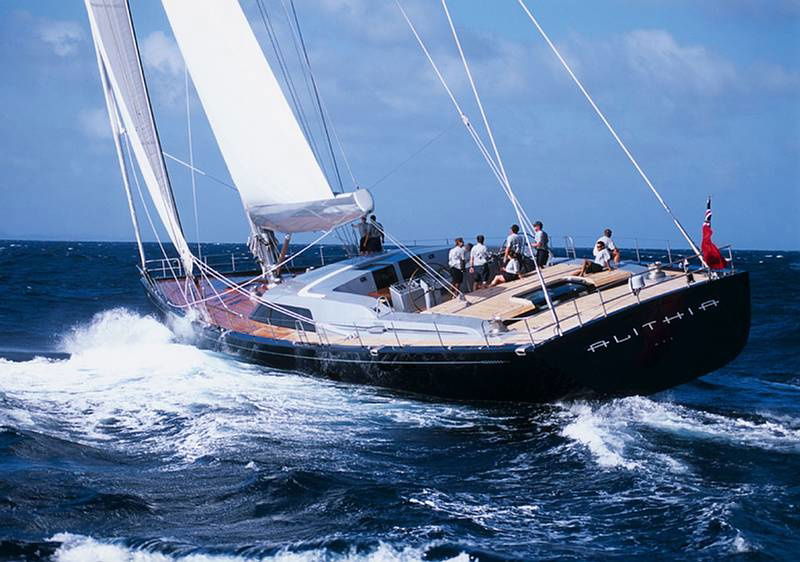
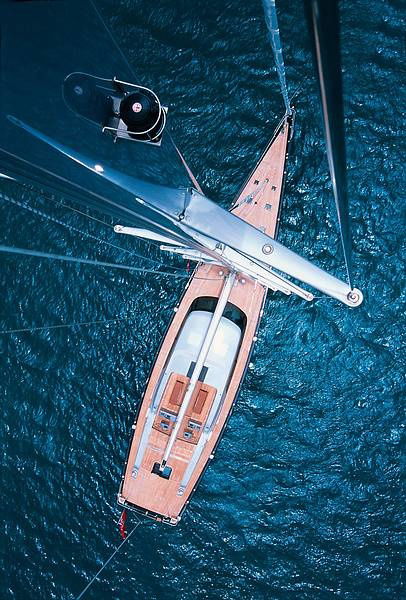
Images have been gathered from various sources and belong to their respective owners.
Review - Abeking & Rasmussen 4K

MarineBroker
01/18/2024, 3:29 PM
2002 Abeking & Rasmussen 4K: What Buyers Should Know Before You Invest
If you’re looking at a 2002 Abeking & Rasmussen 4K, chances are you already appreciate what makes a classic luxury yacht stand out: craftsmanship, presence, and a build quality that still turns heads years later. But buying a yacht of this caliber is never just about admiring the name on the hull. The real challenge is knowing whether the boat is a smart purchase for your needs, how to evaluate its condition, and what hidden costs might come with owning an older high-end vessel.
That’s where many buyers get stuck. A yacht like the 2002 Abeking & Rasmussen 4K may look exceptional on paper, but age, maintenance history, systems upgrades, and survey findings can make a huge difference in value and usability. The good news is that these concerns are manageable when you know what to inspect and how to approach the decision. With the right checklist and a practical mindset, you can separate a beautiful yacht from a truly sound investment. This guide walks through the key issues, what to watch for, and how to make a confident decision.
- Why the 2002 Abeking & Rasmussen 4K Still Draws Attention
Abeking & Rasmussen has long been associated with premium yacht construction, and that reputation matters. A 2002 model from this shipyard often appeals to buyers who want a vessel with strong pedigree, refined design, and the kind of finish that tends to age better than mass-produced alternatives.
The “4K” designation is often searched by buyers trying to identify a specific yacht or model variant, so it’s important to approach it with a practical eye. Whether you’re researching for purchase, charter, refit, or ownership planning, the main question is the same: does the yacht still deliver value today?
For many buyers, the attraction comes down to a few things:
- Solid custom or semi-custom construction
- A reputation for luxury and seaworthiness
- High-end interior and exterior detailing
- Potential long-term ownership appeal if maintained properly
Still, even a well-built yacht from 2002 is now over two decades old. That means condition matters more than brand name alone.
- The Main Problem Buyers Face With Older Luxury Yachts
The biggest issue with a yacht like the 2002 Abeking & Rasmussen 4K is not whether it was well built. It’s whether it has been maintained well enough to remain reliable, safe, and worth the asking price.
Older luxury yachts often come with a few common concerns:
- Aging mechanical systems
- Outdated electronics and navigation equipment
- Wear in interiors, teak, upholstery, and finishes
- Corrosion or fatigue in hardware and fittings
- Higher operating costs than expected
- Unclear refit or maintenance records
This is where many buyers make expensive mistakes. They focus on the vessel’s prestige and overlook the cost of bringing systems up to current standards.
A yacht can look immaculate in photos and still need major work below the surface. That’s why the smartest buyers treat the purchase like a technical evaluation, not just a lifestyle decision.
- How to Evaluate a 2002 Abeking & Rasmussen 4K Properly
If you’re considering this yacht, start with a full-condition mindset. The goal is to understand what you’re really buying, not just what the listing says.
Here’s a practical evaluation approach:
1. Review the maintenance history
Ask for records covering:
- Engine service
- Generator service
- Hull and paint work
- Electrical upgrades
- HVAC maintenance
- Plumbing and sanitation repairs
- Any refits or major replacements
A detailed service history is one of the strongest signs that the yacht has been cared for consistently.
2. Check for refit documentation
A 2002 yacht may have had one or more refits. That can be a huge advantage if the upgrades were done well.
Look for documentation on:
- Navigation electronics
- Stabilizers
- Interior refreshes
- Engine overhauls
- New generators
- Battery systems
- AV and entertainment systems
A good refit can extend the useful life of the yacht significantly. A poor refit, on the other hand, may create hidden problems.
3. Order a professional survey
Never rely on appearances alone. A marine surveyor can identify issues that aren’t obvious during a walkthrough.
A proper survey should inspect:
- Hull and structural integrity
- Moisture intrusion
- Mechanical systems
- Electrical systems
- Fuel systems
- Steering and propulsion
- Safety equipment
- Signs of corrosion, blistering, or delamination
If you’re serious about the vessel, this step is non-negotiable.
- 2002 Abeking & Rasmussen 4K: Key Areas to Inspect
Because this is a luxury yacht from the early 2000s, certain systems deserve extra attention. Even if the boat has been lightly used, time affects materials and equipment.
- Engines and propulsion
The engines are one of the most important value drivers. Ask about engine hours, service intervals, and whether any major components have been rebuilt or replaced.
Watch for:
- Hard starting
- Smoke on startup
- Oil leaks
- Coolant issues
- Abnormal vibration
- Poor throttle response
A clean engine room helps, but it doesn’t replace mechanical records.
- Electrical systems
Older yachts often accumulate electrical “improvements” over time, and not all of them are neat or professional.
Check for:
- Clean wiring runs
- Updated panels
- Proper labeling
- Battery age and condition
- Shore power compatibility
- Generator load performance
Electrical problems can be expensive and frustrating, especially on a yacht with complex onboard systems.
- Hull and exterior finish
The hull and superstructure should be inspected for signs of previous damage or poor repairs.
Look for:
- Paint inconsistencies
- Cracking around fittings
- Soft spots
- Blisters
- Evidence of impact repairs
- Sealant deterioration
A high-end yacht should still show high standards in its exterior maintenance.
- Interior condition
Interiors often tell the story of how a yacht was used. Heavy guest use, charter service, or inconsistent climate control can all leave a mark.
Pay attention to:
- Water stains
- Odors
- Loose joinery
- Warped woodwork
- Upholstery wear
- Mold or mildew
- HVAC performance
A beautiful interior can hide a lot, so inspect carefully.
- Is the 2002 Abeking & Rasmussen 4K a Good Value?
That depends on three things: condition, refit quality, and intended use.
A well-maintained 2002 Abeking & Rasmussen 4K can still represent strong value if:
- The major systems are sound
- The yacht has documented upkeep
- Recent refits have modernized key equipment
- The asking price reflects age and maintenance realities
On the other hand, a low purchase price can become expensive fast if the yacht needs major mechanical or cosmetic work.
A useful rule of thumb: don’t just compare asking prices. Compare total ownership cost.
That includes:
- Survey and sea trial costs
- Recommissioning
- Dockage
- Crew
- Insurance
- Fuel
- Annual maintenance
- Reserve funds for repairs and upgrades
Sometimes the “cheaper” yacht is the one that costs more over time.
- Practical Solution: How to Buy Smart Without Getting Burned
The best solution is a structured buying process. If you’re interested in the 2002 Abeking & Rasmussen 4K, use a method that reduces risk and gives you leverage.
- Step 1: Define your use case
Be clear about how you plan to use the yacht.
Ask yourself:
- Will this be private cruising only?
- Do you plan to charter it?
- Do you want a seasonal yacht or a long-range vessel?
- Will you run it with full crew or a smaller team?
Your intended use affects what systems matter most and what upgrades may be needed.
- Step 2: Build a realistic budget
Don’t stop at the purchase price. Older luxury yachts need ongoing investment.
Budget for:
- Survey and legal fees
- Immediate repairs
- Cosmetic updates
- Mechanical servicing
- Electronics modernization
- Annual operating costs
This helps you avoid buying a yacht that looks affordable but strains your finances later.
- Step 3: Prioritize condition over cosmetics
A polished interior is nice, but it should never outweigh mechanical truth.
A smart buyer will choose:
- Better records over better photos
- Strong machinery over trendy décor
- Reliable systems over surface shine
That mindset usually leads to better ownership outcomes.
- Step 4: Negotiate based on findings
If the survey reveals needed work, use that information.
Possible negotiation points include:
- Price reduction
- Seller-paid repairs
- Escrow holdbacks
- Included spares or equipment
- Delivery with systems serviced
This is where a good survey pays for itself.
- Why Documentation Matters So Much
With a yacht like the 2002 Abeking & Rasmussen 4K, paperwork is almost as important as the yacht itself.
Strong documentation can include:
- Builder’s specifications
- Ownership history
- Service logs
- Class records
- Refit invoices
- Compliance paperwork
- Engine and generator manuals
Why does this matter? Because documentation helps confirm how the yacht has been treated and whether it has been maintained to a professional standard.
Missing records don’t automatically mean the yacht is bad. But they do raise uncertainty, and uncertainty usually lowers value.
- Common Mistakes to Avoid
Many first-time buyers of older luxury yachts make similar mistakes. Avoid these and you’ll be in a much stronger position.
- Skipping the survey
This is the fastest way to miss expensive problems.
- Focusing only on the brand
A respected builder matters, but condition matters more.
- Ignoring upgrade costs
Electronics, safety gear, and onboard systems may need modernization.
- Underestimating operating expenses
Luxury yachts are rewarding, but they are not cheap to own.
- Rushing the decision
A careful purchase is almost always better than an emotional one.
- Signs the Yacht Has Been Well Cared For
If the 2002 Abeking & Rasmussen 4K has been maintained properly, you’ll usually see a few clear signs.
Look for:
- Clean engine room presentation
- Up-to-date service records
- Fresh or consistent coatings
- Working systems throughout the boat
- No major odor, moisture, or corrosion issues
- Evidence of professional maintenance rather than patchwork fixes
These signs often point to a yacht that’s been owned responsibly.
- When a Refit Makes Sense
Sometimes the best solution is not to avoid an older yacht, but to plan for a thoughtful refit.
A refit can be worthwhile if the hull, structure, and core systems are sound. Common refit priorities include:
- Navigation and communication systems
- Engine and generator service
- Soft goods and upholstery
- Paint and exterior detailing
- Lighting and electrical improvements
- Safety and compliance updates
The key is to refit strategically, not emotionally. Focus on items that improve reliability, safety, and long-term enjoyment.
- Final Buying Checklist for the 2002 Abeking & Rasmussen 4K
Before committing, make sure you can answer these questions confidently:
- Are maintenance records complete?
- Have the engines been properly serviced?
- Does the survey show any major structural concerns?
- Are the electronics current enough for your needs?
- Are there signs of water intrusion or hidden damage?
- Do the operating costs fit your budget?
- Is the yacht’s condition consistent with the asking price?
If most of those answers are positive, you may be looking at a strong candidate.
- Conclusion
The 2002 Abeking & Rasmussen 4K can be an appealing option for buyers who value craftsmanship, heritage, and luxury yacht character. But like any older high-end vessel, its real value depends on condition, documentation, and the quality of past maintenance. The smartest approach is to focus on systems, survey results, and total ownership cost rather than brand name alone.
If you take the time to inspect carefully, review records, and budget realistically, you’ll be far better positioned to make a confident decision. Whether you’re buying, chartering, or simply researching, the right process turns uncertainty into clarity. For anyone serious about this yacht, a thorough survey and a practical refit plan are the best places to start.
Specifications
General
Boat Type: Sail Boats
Class Type: Cruiser
Specifications
Length: 130.58
Beam: 27.56
Draft: 21
Hull Material: Aluminium
Build
First Built: 2002
Propulsion
Fuel Type: Diesel
Engines: 1
Power: 570 HP
Brand: MTU
Accomodation
Cabins: 5
PROS & CONS
What we appreciated
 High-quality craftsmanship typical of Abeking & Rasmussen buildsClassic and elegant design with timeless appealRobust and durable construction materialsSpacious deck layout suitable for comfortable cruisingGood reputation for seaworthiness and stability
What we didn’t appreciate
 Older model may require more maintenance and upkeepLimited availability of spare parts due to agePotentially outdated onboard technology and navigation systemsHigher fuel consumption compared to modern boatsPossible need for modernization to meet current safety standards
Upkeep Costs
Annual maintenance and repairs: $30,000 - $50,000
Dockage and marina fees: $15,000 - $25,000 per year
Insurance: $10,000 - $20,000 per year
Fuel costs: $20,000 - $40,000 per year depending on usage
Crew salaries (if applicable): $100,000+ per year
Rating
8.4
User
Score
Score
Driveability
Technology
Interior
Design
Similar Boats


MarineBroker
Download now for an immersive boat experience like never before! ⛵✨ Your journey begins with a simple click. 🌊📲
#SetSailSmart #DownloadNow
#SetSailSmart #DownloadNow

Subscribe
Copyright 2017 - 2026, Marinebroker.net, All Rights Reserved