Boat Database » Advanced One Shot of Cowes
Advanced One Shot of Cowes
Sail Drive, Diesel, 1x 0 HP
Sail Boats 2010 Advanced One Shot of Cowes: How to Get More Out of a Classic Racing Moment
If you’ve been searching for information about the 2010 Advanced One Shot of Cowes, chances are you’re trying to make sense of a specific sailing mom...
Discover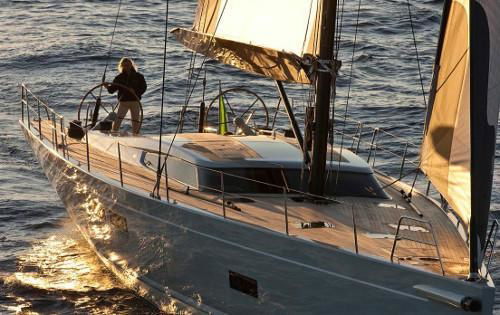


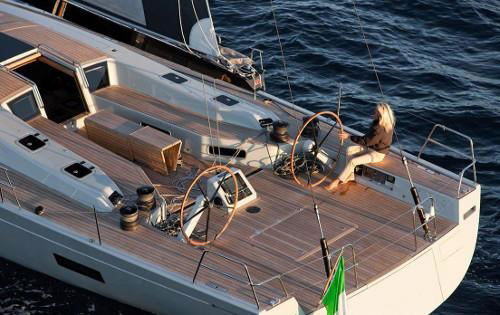
Images have been gathered from various sources and belong to their respective owners.
Review - Advanced One Shot of Cowes

MarineBroker
01/22/2024, 5:57 AM
2010 Advanced One Shot of Cowes: How to Get More Out of a Classic Racing Moment
If you’ve been searching for information about the 2010 Advanced One Shot of Cowes, chances are you’re trying to make sense of a specific sailing moment, event, or reference that keeps coming up in boating conversations. The tricky part is that details around older regatta-related terms, race footage, or archived sailing content can be scattered, incomplete, or hard to interpret if you’re not already familiar with the scene.
That’s a common problem for sailors, racing fans, and anyone researching Cowes-related boating history. You may be trying to identify what the reference means, understand why it matters, or figure out how to use it as a learning point for your own sailing knowledge. The good news is that there’s a practical way to approach it: by breaking the topic into context, race conditions, boat handling, and the key lessons that still apply today.
In this article, we’ll unpack the 2010 Advanced One Shot of Cowes in a way that’s useful whether you’re a casual enthusiast or a more serious sailing follower. We’ll look at what makes Cowes such a unique setting, why “one shot” moments matter in racing, and how to learn from them without getting lost in the jargon.
- What the 2010 Advanced One Shot of Cowes means in a sailing context
Cowes has long been one of the most recognized names in sailing. Whether you’re talking about Cowes Week, Solent racing, or local advanced sailing activity, the area carries a strong reputation for competitive conditions and high-skill decision-making.
The phrase “Advanced One Shot” suggests a moment where performance, timing, and precision mattered a lot. In racing terms, a “one shot” opportunity is often the kind of chance you only get once: a clean start, a favorable wind shift, a gap in traffic, or a decisive tactical move.
For many people searching this term, the real problem is not lack of interest. It’s lack of context. Without understanding the conditions and the racing environment, the term can feel vague or hard to connect to anything practical.
A useful way to think about it is this:
- Cowes is a demanding sailing environment
- 2010 places the reference in a specific racing era
- “Advanced” implies a higher level of skill or a more technical setup
- “One Shot” points to a decisive moment where execution mattered
That combination makes the topic valuable for anyone looking to improve race awareness, boat handling, or tactical thinking.
- Why Cowes is such a big deal for sailors
If you’ve ever sailed in or around the Solent, you already know the water there can be unforgiving. Cowes is famous for shifting tides, busy race lanes, wind patterns that change quickly, and tight tactical racing.
That matters because the same conditions that make Cowes exciting also make it hard to get everything right. A small mistake in sail trim, timing, or course choice can cost several places fast.
Some of the biggest challenges around Cowes include:
- Strong tidal streams that affect boat speed and angle
- Wind shifts caused by shoreline and local geography
- Heavy traffic from multiple boats racing close together
- The need for fast decisions under pressure
- Limited room for error at starts and mark roundings
This is why references like the 2010 Advanced One Shot of Cowes tend to attract attention. They usually point to a moment where someone made a smart move, or where conditions exposed the difference between average and advanced sailing.
- The real problem: why these references are hard to understand
A lot of sailing content from older events is difficult to interpret because it assumes the reader already knows the setting. If you’re not deep into racing, phrases like “one shot,” “advanced,” or even “Cowes” in a technical context may not tell you much on their own.
That creates a few common problems:
1. You can’t tell whether the reference is about a race, a boat, a training session, or a media clip.
2. You may not know what makes the moment important.
3. You might miss the practical lessons hidden inside the event.
4. It becomes hard to compare older racing techniques with modern ones.
The solution is not to overcomplicate it. Instead, focus on the basics: conditions, tactics, execution, and outcome. Those four things usually explain most sailing moments very well.
- How to understand a “one shot” sailing moment
In sailing, “one shot” usually describes a decisive opportunity. That could mean:
- A narrow wind shift you can only exploit once
- A start line position that gives you a clear lane
- A passing opportunity before the next mark
- A tactical move that depends on perfect timing
These moments are often the difference between a mid-fleet finish and a strong result. They reward sailors who stay alert, read the water well, and commit when the opportunity appears.
If you’re trying to learn from the 2010 Advanced One Shot of Cowes, ask yourself:
- What was the weather doing?
- Was the tide helping or hurting?
- Where were the boats positioned?
- What decision would have mattered most?
- Was the key factor speed, line choice, or timing?
Once you start asking those questions, the reference becomes much more useful. It turns from a vague phrase into a real tactical case study.
- Lessons sailors can take from the 2010 Advanced One Shot of Cowes
Even if you’re not looking at the exact race footage or event record, there are still strong lessons here that apply to everyday sailing.
- 1. Timing matters as much as speed
A fast boat is important, but speed alone does not win races. If you mistime a tack, start too late, or miss a shift, you can lose the advantage even with better boat speed.
The Cowes environment makes this especially clear. Because the water is so dynamic, being in the right place at the right time can matter more than raw pace.
- 2. Read the tide before you read the wind
Many sailors focus heavily on wind direction, but around Cowes, the tide can be just as important. A good wind angle can still be a bad move if the current is against you.
A practical rule:
- Use the tide to help your progress when possible
- Avoid fighting strong adverse current unless there’s a clear reason
- Check how the tide affects different parts of the course
- 3. Keep your options open
Advanced sailors know that committing too early can be risky. If you lock into one strategy too soon, you may miss a better lane or a cleaner wind line.
That’s where “one shot” thinking becomes useful. You want to be ready to act, but only when the data around you supports the move.
- 4. Small gains add up
In close racing, a half-boat-length advantage can become a full-length lead after a few minutes. Better positioning, smoother tacks, and cleaner mark roundings all stack up.
This is especially true in Cowes, where multiple variables can amplify small mistakes.
- How to apply these lessons on the water
You don’t need to be in a major regatta to benefit from the same ideas. Whether you sail dinghies, keelboats, or club racers, the mindset is similar.
Here’s a simple approach you can use:
- Before launching:
- Check tide tables
- Study wind direction and forecast shifts
- Identify likely pressure lines and current effects
- During the race:
- Stay aware of nearby boats
- Watch for lane protection opportunities
- Avoid getting trapped in bad current or dirty air
- At critical moments:
- Decide quickly, but not blindly
- Commit when the move has clear upside
- Keep your boat handling smooth and efficient
- After sailing:
- Review what worked
- Note where you lost speed or position
- Compare your decisions to what the conditions demanded
This kind of review process is often the real solution for sailors who want to improve. It helps turn a single event reference into a repeatable learning tool.
- Why advanced sailing content is worth studying
Some people skip older racing references because they assume they’re only useful to historians or hardcore competitors. In reality, these moments often contain some of the best sailing lessons available.
Why? Because race pressure strips away the fluff. You can see what matters:
- Clean starts
- Good observation
- Fast decision-making
- Efficient sail trim
- Awareness of tide and traffic
The 2010 Advanced One Shot of Cowes is useful because it likely reflects exactly that kind of high-pressure decision environment. Even if the details vary depending on the source, the broader lesson stays the same: advanced sailing is about making the right move when you only get one real chance.
- Common mistakes sailors make in similar conditions
If you’re trying to improve your own racing, it helps to know what usually goes wrong.
- 1. Overreacting to short-term wind changes
Not every shift requires a big move. Sometimes sailors tack too early and lose ground by chasing noise instead of trend.
- 2. Ignoring current lines
Around Cowes, current can create visible and invisible lanes of advantage. Missing those can undo otherwise solid boat handling.
- 3. Getting boxed in
If you sail too close to other boats without a plan, you may lose control of your options. That’s dangerous tactically and frustrating strategically.
- 4. Failing to prepare before the start
A lot of race outcomes are shaped before the first gun. If you don’t know where the tide is strongest or where the wind should pay, you’re already behind.
- 5. Not reviewing the race afterward
Without debriefing, even a good race may not teach you much. The best sailors learn from every outing, not just the wins.
- How the 2010 Advanced One Shot of Cowes fits into modern sailing
Even though the reference points back to 2010, the core ideas are still very relevant today. Modern sailing tools may be better, with improved forecasting, GPS data, and performance tracking, but the fundamentals haven’t changed.
You still need to:
- Read the water
- Manage the tide
- Understand race geometry
- Protect your lane
- Make decisions under pressure
What has changed is how quickly sailors can access information. That means modern racers can study past moments more efficiently and apply the lessons faster.
So if you’re looking at the 2010 Advanced One Shot of Cowes as a learning reference, think of it as a case study in fundamentals rather than a dated curiosity.
- A practical checklist for sailors and sailing fans
If you want to make the most of this topic, here’s a simple checklist you can use before your next race or sailing session:
- Check tide direction and strength
- Review likely wind shifts
- Identify the most tactical side of the course
- Watch for traffic and lane compression
- Stay alert for “one shot” opportunities
- Keep boat handling smooth under pressure
- Debrief after sailing and note what changed the result
This approach works whether you’re racing at Cowes, elsewhere in the Solent, or on a local club course.
- Why this topic still gets attention
Older sailing references stay popular because they often capture the essence of the sport. A single moment can show everything at once: judgment, skill, patience, and nerve.
That’s probably why people continue to search for the 2010 Advanced One Shot of Cowes. It sounds like a moment where the race was decided by a smart, high-level move. And in sailing, those are the moments people remember.
They also remind us that good sailing is rarely about one big dramatic action. More often, it’s about being ready when the one real chance appears.
- Conclusion
The 2010 Advanced One Shot of Cowes is best understood as more than just a phrase. It represents the kind of decisive, high-skill moment that makes sailing around Cowes so compelling in the first place. When you break it down, the lesson is clear: success in racing comes from reading conditions well, respecting the tide, staying alert to opportunities, and committing at the right time.
If you’re researching the topic for learning or interest, focus on the tactical principles behind it. Those ideas are still useful today, whether you’re racing seriously or just trying to become a smarter sailor. For more value, keep studying race conditions, local tide behavior, and decision-making patterns from real sailing examples.
Specifications
General
Boat Type: Sail Boats
Class Type: Cruiser
Specifications
Length: 67.26
Beam: 16.73
Draft: 7.87
Hull Material: GRP
Build
First Built: 2010
Propulsion
Fuel Type: Diesel
Engines: 1
Power: 0 HP
Brand: Unknown
Accomodation
Cabins: 3
PROS & CONS
What we appreciated
 High-quality build with advanced composite materials ensuring durability and lightweight performanceDesigned for competitive racing, offering excellent speed and agilityCompact size makes it easy to transport and launch from various locationsGood handling characteristics suitable for both experienced sailors and advanced amateursProven track record with multiple race wins and strong community support
What we didn’t appreciate
 Limited cabin space, not suitable for extended cruising or overnight staysRequires a skilled crew to maximize performance, may be challenging for beginnersMaintenance can be intensive due to advanced materials and racing riggingSpare parts and specific equipment might be harder to source given the model's niche statusNot ideal for casual sailing or family outings due to its racing-focused design
Upkeep Costs
Annual insurance: £500 - £1,000
Berthing fees: £1,000 - £5,000 per year depending on location
Maintenance and repairs: £1,000 - £3,000 per year
Fuel costs: £500 - £2,000 per year depending on usage
Winter storage and antifouling: £500 - £1,500 per year
Rating
6.6
User
Score
Score
Driveability
Technology
Interior
Design
Similar Boats


MarineBroker
Download now for an immersive boat experience like never before! ⛵✨ Your journey begins with a simple click. 🌊📲
#SetSailSmart #DownloadNow
#SetSailSmart #DownloadNow

Subscribe
Copyright 2017 - 2026, Marinebroker.net, All Rights Reserved