Boat Type: Sail Boats
Boat Class: Cruiser
Length: 81.69 ft
Berths: 8
Cabins: 4
Bathrooms: 5
Max Persons: 12
Boat Database » Alva Ocean Sail 82
Alva Ocean Sail 82
Inboard Direct-Drive, Diesel, 1x 0 HP
Sail Boats 2021 Alva Ocean Sail 82: What to Know Before You Buy, Inspect, or Upgrade
If you’ve been looking into the 2021 Alva Ocean Sail 82, you’re probably already drawn to the same things most sailors are: size, comfort, offshore capabil...
Discover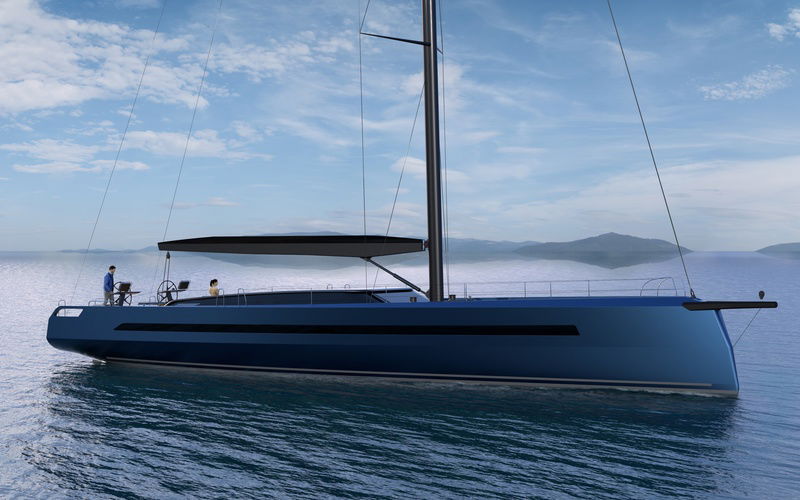
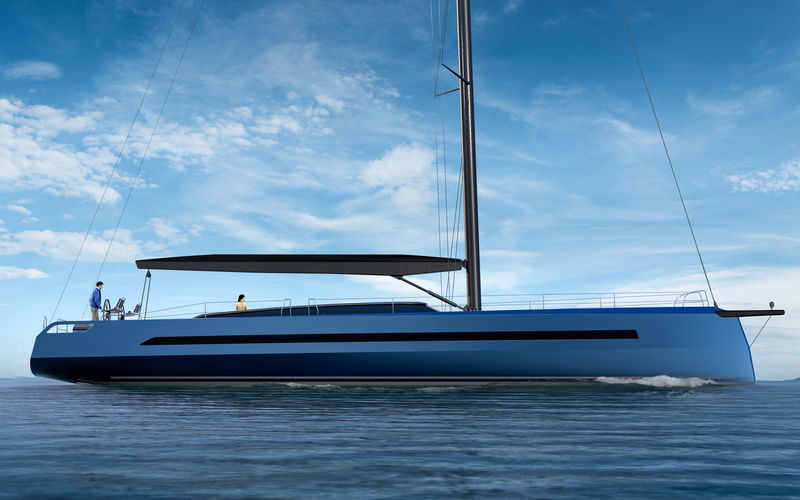


Images have been gathered from various sources and belong to their respective owners.
Review - Alva Ocean Sail 82

MarineBroker
03/08/2024, 12:28 PM
2021 Alva Ocean Sail 82: What to Know Before You Buy, Inspect, or Upgrade
If you’ve been looking into the 2021 Alva Ocean Sail 82, you’re probably already drawn to the same things most sailors are: size, comfort, offshore capability, and the idea of spending serious time on the water without giving up too many home-like comforts. But once the excitement settles, a very practical question usually shows up: is this the right boat for the way you actually plan to use it?
That’s the real challenge with a yacht of this scale. A large cruising catamaran like the 2021 Alva Ocean Sail 82 can be incredibly rewarding, but it also comes with expectations around handling, docking, maintenance, systems management, crew needs, and ownership costs. In other words, the boat itself is only part of the story. The bigger question is whether its strengths match your cruising style, budget, and experience level.
This article breaks down the key things buyers and owners should think about, the common pain points that come with an 82-foot sailing yacht, and the practical ways to solve them. If you’re trying to decide whether this model is a smart fit, you’re in the right place.
- What Makes the 2021 Alva Ocean Sail 82 Stand Out
The 2021 Alva Ocean Sail 82 sits in a category that blends serious offshore cruising capability with luxury living space. At this size, you’re not just buying a sailboat. You’re stepping into a platform designed for long-range travel, entertaining, and extended time aboard.
What usually attracts people to a boat like this is the combination of:
- Large interior volume
- Stable multihull sailing characteristics
- Expansive deck and lounge areas
- Potential for long-distance passagemaking
- Modern systems and high-end finishes
For many owners, the appeal is obvious. You get a yacht that can feel like a floating residence while still offering real sailing performance. But that same scale also means the boat behaves more like a small ship than a weekend cruiser.
That’s why the most common problem isn’t whether the boat looks good on paper. It’s whether the owner is prepared for the realities of running an 82-foot sailing catamaran.
- The Main Problem: Big Boat Ownership Is More Than Big-Boat Comfort
The biggest issue people run into with a vessel like the 2021 Alva Ocean Sail 82 is assuming that comfort automatically equals simplicity. It doesn’t.
A large sailing catamaran can be easier to live on than many monohulls, especially at anchor or underway in moderate conditions. But ownership comes with a few predictable pressure points:
- Docking and maneuvering in tight marinas
- Higher maintenance demands
- Crew or guest management
- System complexity
- Insurance and operating costs
- Storage and provisioning challenges
In short, the boat may be designed for ease on the water, but the logistics around it can still be demanding.
That’s why many buyers end up asking the same question: How do I enjoy a yacht like this without getting overwhelmed by it?
The solution is not to avoid the boat. It’s to approach ownership with a realistic plan.
- Who the 2021 Alva Ocean Sail 82 Is Best Suited For
Not every large sailing yacht is for every owner. The 2021 Alva Ocean Sail 82 is generally best suited for people who want one or more of the following:
- Extended cruising with family or guests
- A high-comfort liveaboard setup
- Offshore capability with plenty of space
- A platform for entertaining
- A yacht that balances sailing and lifestyle priorities
It may be especially appealing for owners who already have some boating experience and want to move up into a larger, more capable vessel. If you’re transitioning from a smaller catamaran or monohull, the jump in size can be exciting, but it also requires a mindset shift.
Here’s the simple version: this is a boat for someone who values space, stability, and comfort, but who also understands that large yacht ownership works best with planning and support.
- Common Ownership Challenges and How to Handle Them
Every boat has trade-offs. On a yacht this size, the most useful thing you can do is identify those trade-offs early.
- Docking and Close-Quarters Handling
An 82-foot catamaran can be surprisingly manageable underway, but marina maneuvering is another story. Windage, beam, and dock layout can make tight spaces stressful.
Practical solution:
- Use a skilled captain or docking crew when needed
- Practice bow and stern thruster use, if equipped
- Plan arrivals and departures around wind and tide
- Choose marinas with wide fairways and catamaran-friendly slips
If you’re buying the boat for private use, consider whether your home port and cruising grounds are actually suited to a vessel this size.
- Maintenance and Systems Complexity
Large yachts tend to have more systems, more surfaces, and more equipment. That means more things to inspect, service, and monitor.
Practical solution:
- Build a written maintenance schedule
- Keep detailed logs for engines, generators, watermakers, electrics, and safety gear
- Hire qualified technicians for specialized work
- Do regular walkthroughs to catch small issues before they become expensive ones
A lot of ownership stress comes from reactive maintenance. Staying ahead of the schedule is one of the easiest ways to protect both your time and your budget.
- Crew and Guest Coordination
A boat like the 2021 Alva Ocean Sail 82 can comfortably host multiple guests, but that doesn’t always mean everyone knows where to go, what to do, or how to move safely around the vessel.
Practical solution:
- Create simple guest briefings for boarding, movement, and safety
- Label storage areas and shared spaces clearly
- Keep one person responsible for provisioning and inventory
- Use routines for meals, watchkeeping, and cleanup
Even a beautiful yacht can feel chaotic if there’s no structure. A little organization goes a long way.
- Budget Planning
One of the most overlooked realities of large yacht ownership is the total cost of operation. Purchase price is only the beginning.
Typical ongoing costs can include:
- Slip fees or mooring
- Insurance
- Routine service and parts
- Fuel
- Provisions
- Safety and compliance updates
- Winterization or seasonal storage
- Crew costs, if applicable
Practical solution:
- Build a realistic annual operating budget before purchase
- Add a reserve fund for unexpected repairs
- Compare dockage and service options in your intended cruising region
- Ask for maintenance records and service history before making a decision
A well-maintained yacht can be a joy. A poorly budgeted one can become a headache fast.
- Why the 2021 Alva Ocean Sail 82 Appeals to Cruisers
For the right owner, the 2021 Alva Ocean Sail 82 offers a lot of what modern cruising buyers want. It’s not just about length. It’s about the experience that length makes possible.
The benefits often include:
- More privacy for owners and guests
- Better separation between living and working spaces
- Greater stability at anchor and under sail
- Room for toys, tenders, and storage
- A more comfortable long-term onboard lifestyle
This is especially important for people planning extended passages or seasonal migration. If you’re going to spend weeks or months aboard, the difference between “adequate” and “thoughtfully designed” becomes huge.
Comfort matters more than many buyers expect. So does layout. A boat that works on a three-hour charter may feel completely different during a three-month cruise.
- What to Inspect Before Buying or Taking Delivery
If you’re considering a yacht like this, inspection is everything. A polished exterior can hide issues that become expensive later.
Here’s what to pay close attention to:
- Hull and deck condition
- Rigging and sail inventory
- Engine hours and service records
- Generator condition
- Electrical and battery systems
- Plumbing, pumps, and watermaker performance
- Navigation and communication electronics
- Air conditioning and climate systems
- Tender and davit setup
- Safety equipment and compliance items
It’s also smart to do a sea trial under different conditions if possible. Don’t just look for smooth sailing in ideal weather. Pay attention to how the boat behaves during docking, acceleration, turns, and light-air handling.
A professional survey is worth the cost on a yacht of this size. It can help you avoid buying someone else’s deferred maintenance.
- How to Make Ownership Easier and More Enjoyable
The best solution to the “big boat problem” is to simplify the way you operate the boat.
A few habits make a huge difference:
- Keep the boat organized by zones
- Standardize onboard routines
- Use checklists for departure, arrival, and maintenance
- Store spare parts in a labeled inventory system
- Train everyone who regularly uses the boat
- Schedule service before it becomes urgent
For many owners, the difference between stress and enjoyment comes down to systems. Not boat systems — personal systems. The more predictable your routines are, the easier the yacht becomes to manage.
If you plan to cruise frequently, consider whether you need:
- Full-time crew
- A part-time captain
- A management company
- Remote monitoring tools
- A home berth with good service access
These choices can make a large yacht much more practical, especially if you’re not onboard year-round.
- Is the 2021 Alva Ocean Sail 82 a Good Fit for You?
The honest answer depends on your goals.
It’s a strong fit if you want:
- A large, comfortable sailing platform
- Serious cruising range and liveaboard space
- Stability and room for guests
- A yacht that supports extended time on the water
It may be less ideal if you want:
- Simple day sailing
- Low operating costs
- Easy marina access everywhere
- Minimal maintenance responsibilities
That doesn’t mean it’s “too much boat.” It just means the boat should match your lifestyle. The best yacht is the one you can actually enjoy consistently, not just admire at the dock.
If you’re serious about the 2021 Alva Ocean Sail 82, think in terms of use case, not just appearance. Ask how many days a year you’ll really be aboard, where you’ll keep it, who will help run it, and what kind of cruising you want to do.
- Smart Questions to Ask Before You Commit
Before buying or taking delivery, ask these questions:
1. Where will the boat be based?
2. Who will handle maintenance and service?
3. Will you have crew, or will you run it yourself?
4. Are your cruising plans realistic for this size?
5. What are the annual operating costs?
6. Is the layout right for family, guests, or charter use?
7. How easy is it to source parts and support?
These questions aren’t just practical. They help you avoid the most common ownership regrets.
A yacht can be beautiful and still be the wrong fit. A good decision starts with honest planning.
- Final Thoughts on the 2021 Alva Ocean Sail 82
The 2021 Alva Ocean Sail 82 offers the kind of space, comfort, and offshore capability that make big sailing yachts so appealing. But like any large vessel, it works best when the owner understands the real-world responsibilities that come with it.
If the problem is figuring out how to enjoy a yacht this size without getting buried in complexity, the solution is simple: plan ahead, inspect carefully, budget realistically, and build good onboard systems. Do that, and a boat like this can become a truly rewarding platform for cruising, entertaining, and long-term time on the water.
If you’re exploring this model further, take the time to compare layouts, review service history, and think through how you’ll actually use the boat. That’s the smartest way to turn a dream yacht into a practical one.
Specifications
General
Boat Type: Sail Boats
Class Type: Cruiser
Specifications
Length: 81.69
Beam: 19.62
Draft: 11.81
Hull Material: GRP
Build
First Built: 2021
Propulsion
Fuel Type: Diesel
Engines: 1
Power: 0 HP
Brand: Unknown
Accomodation
Berths: 8
Cabins: 4
Bathrooms: 5
PROS & CONS
What we appreciated
 Advanced electric propulsion system for eco-friendly sailingSpacious and modern interior design with high-end finishesLarge deck space suitable for comfortable cruising and entertainingInnovative hull design offering good stability and performanceGood range and energy efficiency with integrated solar panels
What we didn’t appreciate
 Higher initial purchase price compared to traditional sailboatsLimited availability and service network due to niche manufacturerElectric propulsion may have limited range in long offshore passagesHeavier weight could impact agility in certain sailing conditionsPotentially higher maintenance costs for advanced electric systems
Upkeep Costs
Insurance: $10,000 - $15,000 per year
Docking/Mooring Fees: $20,000 - $40,000 per year
Maintenance and Repairs: $30,000 - $50,000 per year
Crew Salaries: $200,000 - $300,000 per year
Fuel and Utilities: $10,000 - $20,000 per year
Rating
8.4
User
Score
Score
Driveability
Technology
Interior
Design
Similar Boats


MarineBroker
Download now for an immersive boat experience like never before! ⛵✨ Your journey begins with a simple click. 🌊📲
#SetSailSmart #DownloadNow
#SetSailSmart #DownloadNow

Subscribe
Copyright 2017 - 2026, Marinebroker.net, All Rights Reserved