2013 Bayliner 802 Cuddy: What to Check, What to Expect, and How to Keep It Running Smoothly
If you’re looking at a 2013 Bayliner 802 Cuddy, you’re probably trying to answer a pretty common question: is it the right boat for your ...
Discover

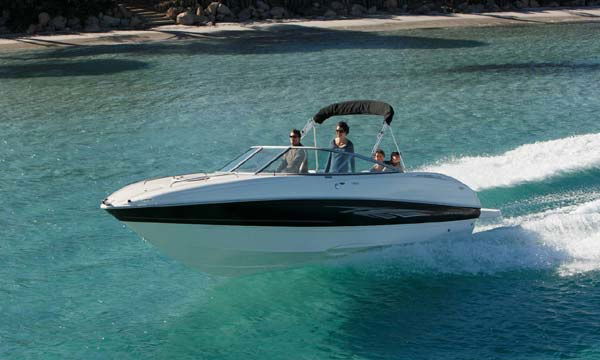

Images have been gathered from various sources and belong to their respective owners.
Review - Bayliner 802 Cuddy

MarineBroker
09/17/2024, 5:58 AM
2013 Bayliner 802 Cuddy: What to Check, What to Expect, and How to Keep It Running Smoothly
If you’re looking at a 2013 Bayliner 802 Cuddy, you’re probably trying to answer a pretty common question: is it the right boat for your kind of boating, and what should you watch out for before buying or owning one? That’s a smart question. A cuddy cabin boat can be a great mix of family cruising, weekend fishing, and overnight comfort, but only if you know what to inspect and how to maintain it properly.
The 802 Cuddy sits in that sweet spot where a lot of boaters want something manageable, versatile, and comfortable without stepping into a much larger, more expensive vessel. Still, like any used boat, the real challenge is not just finding one that looks good on the trailer or at the dock. It’s understanding the condition, the common wear points, and the best way to keep ownership simple and stress-free.
In this article, we’ll break down what makes the 2013 Bayliner 802 Cuddy appealing, the most common issues buyers should check, and practical ways to solve them before they turn into expensive headaches.
- What Makes the 2013 Bayliner 802 Cuddy a Popular Choice
The 2013 Bayliner 802 Cuddy is designed for boaters who want a practical, family-friendly cabin cruiser with enough space for day trips and occasional overnight stays. It’s not a huge offshore machine, and that’s part of the appeal. For many owners, it offers an easier learning curve, simpler handling, and lower running costs than larger cabin boats.
The cuddy cabin layout gives you a sheltered space for storage, naps, changing clothes, or getting out of the sun and spray. That makes it especially useful for families, couples, and casual boaters who want more comfort than a basic open bow boat can provide.
A few reasons people look for this model:
- Manageable size for trailering and docking
- Useful cabin space for short trips
- Good balance of comfort and simplicity
- Versatility for cruising, anchoring, and light water sports
- Typically lower ownership costs than larger cruisers
For the right buyer, the 2013 Bayliner 802 Cuddy can be a very practical boat. The key is knowing what condition matters most, because a good layout doesn’t automatically mean a good boat.
- The Main Problem Buyers Run Into with a Used 2013 Bayliner 802 Cuddy
The biggest issue most buyers face is not the model itself. It’s hidden wear and maintenance neglect.
A used cuddy cabin boat may look clean on the outside, but problems often hide in places like the engine bay, transom, deck core, cabin cushions, wiring, pumps, and steering components. Boats that have sat unused, been stored outdoors, or received inconsistent maintenance can develop issues that are expensive to fix if you don’t catch them early.
Common buyer concerns include:
- Engine condition and service history
- Water intrusion or soft spots in the deck
- Corrosion on electrical and metal components
- Cabin moisture, mildew, or damaged upholstery
- Fuel system age and contamination
- Outdrive or lower unit wear, if equipped
This is where many people get stuck. They like the boat, but they’re not sure how to tell a solid one from a problem boat. The good news is that there’s a practical solution: inspect systematically, test thoroughly, and prioritize the systems that cost the most to repair.
- How to Inspect a 2013 Bayliner 802 Cuddy Before You Buy
If you’re shopping for a 2013 Bayliner 802 Cuddy, a good inspection can save you a lot of money and frustration. You don’t need to be a marine mechanic to spot many of the common warning signs. You just need a clear checklist and a calm approach.
- Check the hull and deck first
Start with the basics. Walk around the boat and look for cracks, repairs, discoloration, or signs of impact. Pay special attention to the keel, chines, and around the transom.
Inside the boat, step around the deck and cabin floor. Any soft spots, flexing, or spongy feeling underfoot could indicate water intrusion or core damage.
Look for:
- Stress cracks near high-load areas
- Gelcoat chips or uneven repairs
- Soft floor sections
- Water stains around hatches or seams
- Signs of poor patchwork
A solid hull and deck are essential because structural repairs can get expensive fast.
- Inspect the transom and engine mounting area
The transom is one of the most important areas on any fiberglass boat. If moisture gets into the transom core, repairs can be major.
Check for:
- Cracks around the engine mount
- Movement or flex when the outdrive is trimmed
- Water weeping from screw holes or hardware
- Softness around the transom corners
If the boat has been stored outdoors or used heavily in wet conditions, this area deserves extra attention.
- Review the engine service history
The engine is the heart of the boat. A clean bilge is nice, but paperwork matters more. Ask for service records, winterization history, oil changes, impeller replacements, and any major repairs.
A good used boat should ideally have proof of:
- Regular oil and filter changes
- Cooling system service
- Fuel system maintenance
- Battery replacement history
- Winter storage preparation
- Any previous repairs or upgrades
If the seller can’t provide records, that doesn’t automatically mean the boat is bad. But it does mean you should inspect more carefully and factor in the cost of catching up on maintenance.
- Test all electrical systems
Electrical issues are common in used boats because moisture and vibration are hard on wiring. Turn everything on.
Check:
- Navigation lights
- Bilge pump
- Cabin lights
- Gauges
- Horn
- Stereo
- Blower fan
- Trim controls
- Battery switch and charging system
If something doesn’t work, find out whether it’s a simple fuse or a sign of bigger wiring trouble. Small electrical fixes are one thing. Rewiring a boat is another.
- Look for cabin moisture and mildew
The cuddy cabin should feel dry, not musty. A strong mildew smell can point to leaks, poor ventilation, or long-term neglect.
Inspect:
- Cushions and vinyl
- Cabin corners and seams
- Storage compartments
- Headliner or interior lining
- Windows and hatch seals
Light mildew can often be cleaned up. But repeated moisture problems can damage upholstery and create ongoing maintenance headaches.
- Evaluate trailer condition if included
If the boat comes with a trailer, don’t ignore it. A bad trailer can make ownership much harder than it should be.
Check:
- Tire age and tread
- Wheel bearings
- Lights
- Winch and strap
- Frame rust
- Bunks and rollers
- Brakes, if equipped
A trailer in poor shape can turn a good boat into a hassle, especially if you plan to launch often or store it at home.
- Common Maintenance Issues on the 2013 Bayliner 802 Cuddy
Once you own the boat, the goal is to keep it reliable and avoid surprise repairs. The 2013 Bayliner 802 Cuddy is manageable, but like any used boat, it benefits from a steady maintenance routine.
- Engine and cooling system care
Marine engines work hard, and cooling system maintenance is critical. If the impeller is old or the cooling passages are restricted, overheating can happen quickly.
Helpful habits include:
- Replace the impeller on schedule
- Flush the engine after saltwater use
- Change oil and filters regularly
- Inspect belts and hoses
- Watch for temperature changes during operation
Even a small cooling issue can lead to much bigger engine damage if ignored.
- Fuel system maintenance
Fuel problems are one of the most common causes of poor starting and rough running in older boats. Ethanol fuel can also create storage issues if the boat sits too long.
To reduce problems:
- Use fresh fuel
- Add stabilizer for storage
- Replace old fuel lines if needed
- Inspect filters and water separators
- Keep the tank as clean and dry as possible
If the boat has been sitting unused, fuel system cleaning may be one of the first jobs to tackle.
- Electrical and battery upkeep
A boat battery that seems fine on land may fail under load on the water. That’s why battery maintenance matters.
Best practices:
- Keep batteries charged
- Clean terminals regularly
- Check for corrosion
- Test voltage before long trips
- Replace weak batteries before peak season
Also inspect the charging system so you know the battery is being replenished properly while underway.
- Interior and cabin maintenance
The cabin is one of the things that makes this boat useful, so keep it dry and clean. Moisture is the enemy here.
Simple steps help a lot:
- Air out the cabin after each trip
- Use moisture absorbers in storage
- Clean vinyl with marine-safe products
- Inspect hatch seals and windows
- Repair leaks quickly
A dry cabin not only feels better, it also protects resale value.
- Hull and bottom care
Whether the boat lives on a trailer or in the water, hull care matters. Marine growth, grime, and neglected bottom surfaces can reduce performance and make the boat harder to handle.
Depending on how you use it:
- Wash the hull regularly
- Inspect for blistering or damage
- Keep the bottom clean
- Touch up antifouling paint if needed
- Check through-hull fittings and seals
A clean bottom helps the boat run more efficiently and makes every trip feel better.
- Practical Solutions for Common Ownership Problems
If you already own a 2013 Bayliner 802 Cuddy, or you’re close to buying one, here’s the good news: most problems are manageable when handled early.
- If the boat has been sitting unused
A boat that has sat for months or years often needs a recommissioning plan. Don’t just turn the key and hope for the best.
Start with:
1. Battery replacement or full charging
2. Fuel inspection and possible replacement
3. Oil and filter change
4. Cooling system inspection
5. Safety gear check
6. Full electrical test
This approach helps prevent damage from old fluids, dead batteries, and neglected systems.
- If you find mildew or cabin odor
Mildew usually means moisture is getting trapped somewhere. Clean the affected areas with appropriate marine cleaners, then solve the root cause.
Try:
- Checking seals and hatches
- Improving ventilation
- Using a dehumidifier during storage
- Removing damp cushions when possible
- Cleaning and drying all soft surfaces
If the smell keeps coming back, there’s probably a leak that needs attention.
- If the engine runs rough
Rough running can come from old fuel, clogged filters, bad plugs, weak ignition components, or cooling issues.
A sensible troubleshooting order is:
- Check fuel quality
- Replace filters
- Inspect spark plugs
- Review battery and charging output
- Confirm cooling water flow
- Scan for warning signs or codes if applicable
Start with the simple things before assuming the worst. Many engine problems are maintenance-related rather than catastrophic.
- If the boat feels soft or waterlogged
This is one problem you should not ignore. Soft spots can indicate deck or transom issues, and water intrusion can spread.
The solution depends on severity:
- Minor leaks may be sealed
- Soft flooring may need repair
- Structural damage may require professional evaluation
If you suspect core damage, it’s worth having a marine surveyor or experienced technician inspect the boat. That small upfront cost can prevent a very expensive mistake.
- Is the 2013 Bayliner 802 Cuddy the Right Boat for You?
This boat makes the most sense for people who want a practical, comfortable cruiser with a cabin and manageable ownership demands. It’s a good fit if you value versatility more than luxury and prefer a boat that’s easier to handle than a larger cabin cruiser.
It may be right for you if you want:
- Weekend cruising with family or friends
- A compact cabin for shade and storage
- A boat that’s easier to trailer and dock
- Reasonable operating costs
- A straightforward layout for casual boating
It may not be ideal if you want a heavily equipped offshore cruiser or a very large sleeping cabin. In other words, it’s best for boaters who want useful comfort without overcomplicating things.
- Smart Buying Tips That Save Time and Money
If you’re still shopping, these tips can help you make a better decision.
- Always do a sea trial
A boat can look great on the trailer and still have issues underway. A sea trial lets you check acceleration, steering, trim, engine temperature, vibration, and overall handling.
- Bring a checklist
It’s easy to forget things when you get excited about a boat. A written checklist keeps you focused on the important stuff.
- Don’t skip a marine survey
If you’re serious about buying, a survey can uncover structural or mechanical issues you might miss. It’s especially helpful on older used boats.
- Budget for immediate maintenance
Even a good boat usually needs some attention after purchase. Plan for fluids, filters, safety gear, cleaning, and possibly a few repairs.
- Pay attention to storage history
A boat stored indoors and maintained regularly usually ages better than one left uncovered outside. Storage history tells you a lot about likely condition.
- Final Thoughts on Owning a 2013 Bayliner 802 Cuddy
The 2013 Bayliner 802 Cuddy can be a solid choice for boaters who want a practical cabin boat with good everyday versatility. The main challenge is not the design itself, but making sure the boat you buy has been cared for properly. By checking the hull, transom, engine, cabin, electrical systems, and trailer, you can avoid many of the common used-boat problems.
If you already own one, regular maintenance goes a long way. Keep the engine serviced, manage moisture, and inspect the boat before issues grow into major repairs. That simple routine is the real solution to stress-free ownership.
If you’re still researching, take your time, compare examples carefully, and don’t be afraid to walk away from a boat that doesn’t pass the basics. A little patience now can save you a lot later.
Specifications
General
Boat Type: Power Boats
Class Type: Cuddy Cabin
Specifications
Length: 24.02
Beam: 8.5
Draft: 2.99
Hull Material: GRP
Build
First Built: 2013
Propulsion
Fuel Type: Gas
Engines: 1
Power: 260 HP
Brand: Mercruiser
Accomodation
PROS & CONS
What we appreciated
 Spacious cuddy cabin providing shelter and storageComfortable seating for family and friendsGood for day cruising and light fishingRelatively easy to handle and trailerAffordable price point for a used boat
What we didn’t appreciate
 Limited engine power options may affect performanceBasic features compared to newer modelsSmaller size limits offshore capabilityAging materials may require maintenance or upgradesLess advanced electronics and navigation systems
Upkeep Costs
Fuel: Approximately $1,200 - $2,000 per year depending on usage
Maintenance and Repairs: Around $800 - $1,500 annually
Insurance: Typically $300 - $600 per year
Storage and Docking: $500 - $2,000 per year depending on location
Registration and Taxes: $50 - $200 per year

Rating
6.2
User
Score
Score
Driveability
Technology
Interior
Design
Similar Boats


MarineBroker
Download now for an immersive boat experience like never before! ⛵✨ Your journey begins with a simple click. 🌊📲
#SetSailSmart #DownloadNow
#SetSailSmart #DownloadNow

Subscribe
Copyright 2017 - 2026, Marinebroker.net, All Rights Reserved