Boat Database » Bayliner 266 Discovery
Bayliner 266 Discovery
Stern Drive, Gas, 1x 260 HP
Power Boats 2013 Bayliner 266 Discovery: What to Check, What to Expect, and How to Make It a Smarter Buy
If you’re looking at a 2013 Bayliner 266 Discovery, you’re probably trying to answer a pretty common question: is this the right cruiser...
Discover
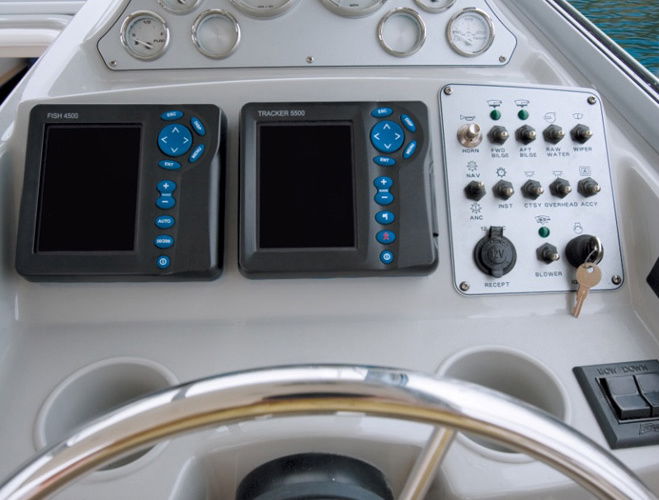

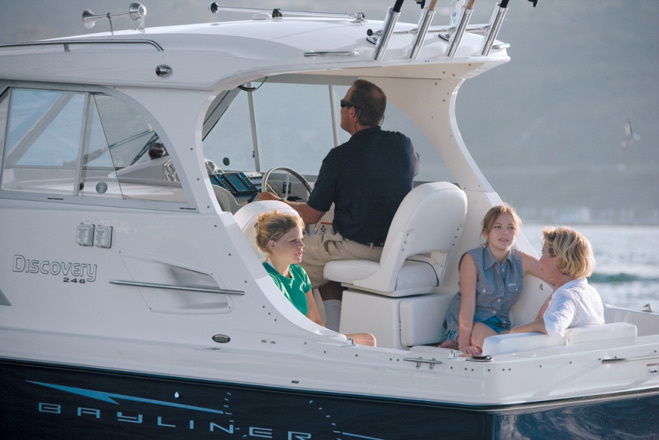
Images have been gathered from various sources and belong to their respective owners.
Review - Bayliner 266 Discovery

MarineBroker
09/17/2024, 10:28 AM
2013 Bayliner 266 Discovery: What to Check, What to Expect, and How to Make It a Smarter Buy
If you’re looking at a 2013 Bayliner 266 Discovery, you’re probably trying to answer a pretty common question: is this the right cruiser for your kind of boating? That’s a fair concern. Boats in this size range can look like the perfect mix of comfort, performance, and family-friendly layout, but the real challenge is knowing whether the boat fits your actual needs, budget, and maintenance expectations.
The 2013 Bayliner 266 Discovery sits in that interesting middle ground where it can work well for weekend cruising, overnight stays, and relaxed time on the water. But like any used boat, the details matter. A clean-looking listing doesn’t always tell you how the engine has been maintained, whether the canvas is aging, or if the systems have been updated properly. That’s where many buyers get stuck.
The good news is that with the right checklist and a little know-how, you can avoid the usual surprises. In this article, we’ll walk through what the 2013 Bayliner 266 Discovery is known for, the most common issues buyers should watch for, and a practical way to decide whether it’s a smart fit for your boating plans.
- What the 2013 Bayliner 266 Discovery is designed for
The 2013 Bayliner 266 Discovery is a mid-sized cruiser built for boaters who want more comfort than a runabout, but don’t want to jump into a much larger yacht-style vessel. It’s the kind of boat that appeals to couples, small families, and casual cruisers who want a cabin, a usable cockpit, and enough space for a weekend away.
In practical terms, this boat is usually appreciated for:
- A manageable size for trailering or marina use
- A cabin layout that supports overnight stays
- A cockpit that works for relaxing and entertaining
- A design that aims to balance comfort and affordability
That combination is exactly why many people search for the 2013 Bayliner 266 Discovery in the first place. It offers a lot of utility without becoming overly complicated to operate.
Still, the boat’s value depends heavily on condition. A well-kept example can be a great entry into cruising. A neglected one can become a money pit fast.
- Why buyers get stuck when shopping for a used cruiser
The biggest problem for most shoppers isn’t finding a boat. It’s figuring out whether the boat they found is actually a good one.
Used cruisers like the Bayliner 266 Discovery can look fine in photos, but the expensive issues often hide in plain sight. Common trouble spots include:
- Engine maintenance gaps
- Outdated electronics
- Worn upholstery or canvas
- Moisture intrusion in the cabin
- Neglected cooling, fuel, or electrical systems
A buyer may focus on the clean gelcoat or the spacious cabin and miss signs that the boat has been sitting too long or hasn’t been serviced regularly. That’s why the smartest approach is not just asking, “Do I like this boat?” but also, “What will it cost me to make this boat reliable?”
That shift in mindset solves a lot of headaches before they start.
- 2013 Bayliner 266 Discovery: the features that matter most
When evaluating the 2013 Bayliner 266 Discovery, focus on the features that affect real-world use rather than just the brochure specs.
Look closely at these areas:
- Cabin layout: Is there enough sleeping space for your crew?
- Head and galley setup: Can you realistically spend a night or two aboard?
- Cockpit usability: Is there room to move, sit, and socialize comfortably?
- Storage: Are there enough compartments for gear, safety items, and supplies?
- Accessibility: Can you reach key maintenance points without a struggle?
For many buyers, the cabin is the main reason to choose this model. It gives the boat more versatility than an open bow or day cruiser. But cabin comfort only matters if the systems supporting it work well.
You should also pay attention to how the boat feels in your intended use case. A cruiser that seems roomy at the dock may feel cramped once you add coolers, bags, water toys, and guests.
- Common problem areas to inspect before buying
This is where a careful inspection can save you a lot of money. The 2013 Bayliner 266 Discovery is not automatically a problem boat, but used examples can vary widely in condition.
Here are the most important areas to inspect:
- Engine and drive system
Check service records first. If the seller can’t show regular oil changes, impeller replacements, or winterization history, that’s a warning sign.
- Bellows, seals, and hoses
Rubber parts age even when a boat isn’t used much. Cracked bellows or brittle hoses can lead to bigger issues later.
- Electrical system
Test all switches, lights, pumps, and charging systems. Marine electrical problems are often annoying at first and expensive later.
- Water intrusion
Inspect around windows, hatches, deck fittings, and the cabin floor for soft spots, staining, or mildew. Moisture can hide in places buyers don’t always check.
- Upholstery and canvas
These items are easy to overlook, but they can be costly to replace. Torn seats or faded canvas may point to broader neglect.
- Fuel system
Look for odors, leaks, or old lines. Fuel-related problems can create both performance and safety issues.
- Steering and controls
Everything should feel smooth and responsive. Any stiffness, delay, or unusual noise needs attention.
A sea trial is especially valuable on a boat like this. Some issues only show up under load, at speed, or when systems warm up.
- The smart solution: inspect for ownership quality, not just appearance
If you want a practical solution to the used-boat buying problem, here it is: judge the 2013 Bayliner 266 Discovery by ownership quality, not cosmetics.
A shiny boat is nice. A well-maintained boat is better.
Ask these questions:
1. How often was the boat used?
2. Was it stored indoors, outdoors, or in the water?
3. Are maintenance records available?
4. Has the engine been serviced by a marine mechanic?
5. Were any major repairs done professionally?
6. Has the boat been winterized properly?
The answers tell you far more than a polished listing ever will.
A boat that has been used regularly and maintained correctly is often a better bet than one that sat unused for long periods. Boats that sit can develop fuel issues, corrosion, battery problems, and seal failures.
If the seller can show a clear trail of care, that’s a strong sign. If everything is vague, proceed carefully.
- What a good 2013 Bayliner 266 Discovery should feel like on the water
One of the best ways to evaluate this cruiser is to think beyond the dock. The real test is how it performs when underway.
A healthy 2013 Bayliner 266 Discovery should feel:
- Stable at cruising speeds
- Predictable in turns
- Responsive to throttle and steering input
- Comfortable enough for relaxed family cruising
- Free of unusual vibration, overheating, or warning alarms
You don’t need a perfect boat. You need a boat that behaves consistently and doesn’t surprise you with mechanical drama.
During the sea trial, pay attention to:
- Engine temperature
- Acceleration
- Idle quality
- Steering response
- Noise and vibration
- Bilge activity
- Trim behavior
If something feels off, trust that instinct. Small symptoms often point to larger maintenance needs.
- Budgeting beyond the purchase price
A lot of first-time cruiser buyers make the same mistake: they budget only for the sticker price. With a used boat like the 2013 Bayliner 266 Discovery, that can lead to frustration fast.
A better budget includes:
- Purchase price
- Survey and inspection costs
- Registration and insurance
- Fuel
- Docking or storage
- Routine maintenance
- Immediate repairs or upgrades
- Safety equipment replacement
Even a boat that seems “ready to go” may need a few thousand dollars in catch-up work. That’s normal. What matters is whether the total cost still fits your plan.
A good rule of thumb is to leave room in your budget for unexpected repairs. Boats are mechanical systems exposed to water, sun, vibration, and time. Something always needs attention sooner or later.
- Maintenance tips that help protect your investment
Once you own the boat, the best way to keep it useful is to stay ahead of problems.
Here are simple habits that go a long way:
- Flush and service the engine on schedule
- Check batteries and charging systems regularly
- Inspect hoses, clamps, and seals every season
- Keep the bilge clean and dry
- Wash and wax the exterior to protect the finish
- Air out the cabin to reduce mildew
- Replace worn canvas and upholstery before damage spreads
- Winterize correctly if you boat in a cold climate
These steps may sound basic, but they’re exactly what keeps a cruiser like the Bayliner 266 Discovery enjoyable instead of stressful.
If you’re buying used, ask the seller what maintenance habits they followed. If you already own one, build a simple seasonal checklist and stick with it.
- Who the 2013 Bayliner 266 Discovery is best for
This boat makes the most sense for boaters who want a comfortable cruiser without moving into a much larger or more expensive platform.
It’s a good fit if you:
- Enjoy weekend cruising
- Want occasional overnight capability
- Need a boat that’s easier to manage than a bigger yacht
- Value cabin space and cockpit comfort
- Prefer practical boating over luxury-heavy features
It may not be ideal if you want high-speed performance, lots of sleeping space, or a very large social layout. Like any cruiser, it’s about matching the boat to your actual habits.
That’s the key. The right boat is the one you’ll use confidently and maintain realistically.
- How to make a confident buying decision
If you’re serious about a 2013 Bayliner 266 Discovery, the best path is simple: inspect, test, verify, then decide.
Use this quick buying process:
- Review the listing carefully
- Ask for maintenance records
- Inspect the boat in person
- Check the cabin, bilge, and mechanical systems
- Take a sea trial
- Hire a marine surveyor if the boat looks promising
- Estimate repair and upkeep costs before making an offer
This process helps you avoid emotional buying. Boats can be exciting, and that excitement is part of the fun. But the smartest buyers slow down just enough to protect themselves.
A well-chosen cruiser should feel like an upgrade to your lifestyle, not a source of constant projects.
- Final thoughts on the 2013 Bayliner 266 Discovery
The 2013 Bayliner 266 Discovery can be a solid choice for buyers who want a practical, comfortable cruiser with real weekend potential. The main challenge isn’t the model itself. It’s separating a well-kept example from one that needs too much work.
If you focus on maintenance history, structural condition, system performance, and sea trial results, you’ll be in a much better position to make a smart decision. That approach helps you avoid expensive surprises and choose a boat that actually fits your boating style. If you’re still comparing options, keep learning about cruiser inspections, ownership costs, and marine surveys before making your move. A little extra research now can save a lot of stress later.
Specifications
General
Boat Type: Power Boats
Class Type: Cuddy Cabin
Specifications
Length: 25.59
Beam: 8.5
Draft: 3.25
Hull Material: GRP
Build
First Built: 2013
Propulsion
Fuel Type: Gas
Engines: 1
Power: 260 HP
Brand: Mercruiser
Accomodation
Berths: 4
PROS & CONS
What we appreciated
 Spacious cabin with sleeping accommodations for up to six peopleLarge cockpit area suitable for family and entertainingWell-equipped with amenities including a galley and enclosed headGood performance with reliable sterndrive enginesAffordable price point for a 26-foot cruiser
What we didn’t appreciate
 Limited storage space compared to larger cruisersOlder model with potentially outdated electronics and systemsRelatively heavy, which can affect fuel efficiency and speedSome owners report maintenance issues with upholstery and fittingsNot ideal for rough water conditions due to hull design
Upkeep Costs
Fuel: Approximately $3,000 - $5,000 per year (depending on usage and fuel prices)
Maintenance and Repairs: $1,000 - $2,000 per year
Storage and Docking: $1,200 - $3,600 per year (varies by location and facility)
Insurance: $300 - $700 per year
Registration and Licensing: $50 - $200 per year

Rating
6.4
User
Score
Score
Driveability
Technology
Interior
Design
Similar Boats


MarineBroker
Download now for an immersive boat experience like never before! ⛵✨ Your journey begins with a simple click. 🌊📲
#SetSailSmart #DownloadNow
#SetSailSmart #DownloadNow

Subscribe
Copyright 2017 - 2026, Marinebroker.net, All Rights Reserved