2000 Bayliner 652 Cuddy: What to Check, What to Fix, and How to Get More Enjoyment from an Older Cuddy Cabin Boat
If you’re interested in a 2000 Bayliner 652 Cuddy, you’re probably doing what a lot of boat buyers do: trying to fi...
Discover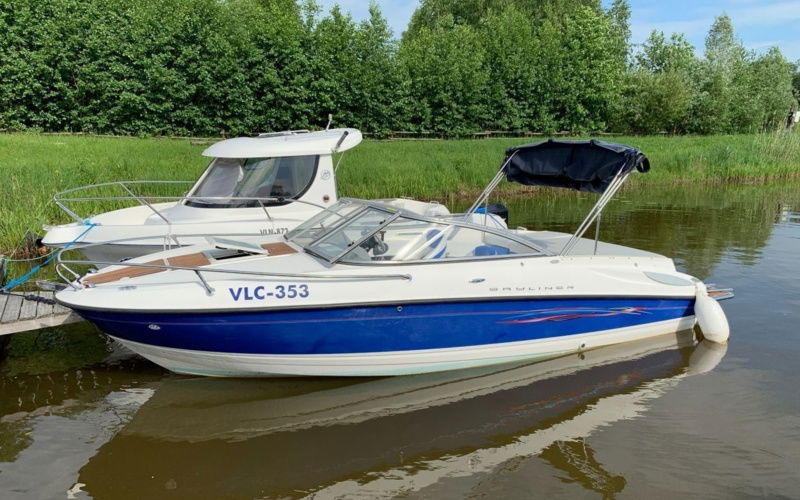
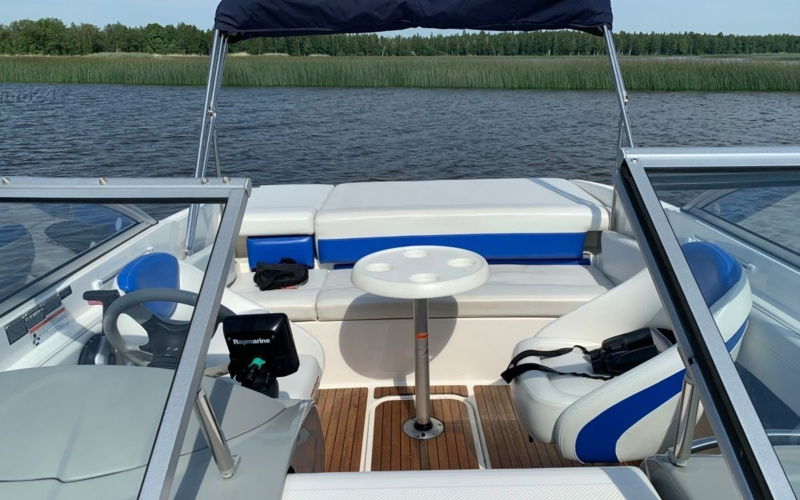

Images have been gathered from various sources and belong to their respective owners.
Review - Bayliner 652 Cuddy

MarineBroker
09/16/2024, 9:33 AM
2000 Bayliner 652 Cuddy: What to Check, What to Fix, and How to Get More Enjoyment from an Older Cuddy Cabin Boat
If you’re interested in a 2000 Bayliner 652 Cuddy, you’re probably doing what a lot of boat buyers do: trying to figure out whether a well-loved older boat is a smart buy or a headache waiting to happen. That’s a fair question. Boats from this era can be a great value, but only if you know what to look for before you buy, restore, or put one back into regular use.
The biggest problem with older cuddy cabin boats usually isn’t the boat’s basic design. It’s age-related wear, hidden maintenance issues, and the uncertainty that comes with a 20+ year-old hull, engine, and electrical system. The good news is that most of the common concerns are manageable if you inspect the right areas and plan a few practical upgrades.
In this article, we’ll walk through the common problem areas on the 2000 Bayliner 652 Cuddy, explain how to evaluate them, and show you a realistic path to getting more reliable performance and better boating enjoyment without overcomplicating the process.
- Why the 2000 Bayliner 652 Cuddy Still Catches Buyers’ Attention
The Bayliner 652 Cuddy sits in a sweet spot for people who want a small, versatile boat with a bit of overnight capability. It’s compact enough for easier towing, launching, and storage, but still offers a cuddy cabin for shelter, naps, gear storage, or weekend cruising.
For many boaters, that makes it appealing as a first cabin boat or a budget-friendly step up from an open runabout. It’s the kind of boat that can work well for lake days, coastal cruising in calm conditions, and family outings.
The issue is that buying an older model like this isn’t just about liking the layout. You need to know whether the boat has been cared for properly. A clean-looking cuddy can still hide soft floors, tired upholstery, corroded wiring, or an engine that’s overdue for major service.
- The Main Problem: Age-Related Wear and Hidden Maintenance Costs
The most common challenge with a 2000 Bayliner 652 Cuddy is not one single failure. It’s the accumulation of small issues that add up over time.
Older boats often develop problems in a few predictable places:
- Moisture intrusion into the deck or transom
- Aging hoses, clamps, and fuel lines
- Electrical corrosion
- Worn-out cushions and cabin fittings
- Engine service gaps
- Trailer wear, if one is included
On paper, a used cuddy cabin boat may look like a bargain. In reality, the true cost depends on how much deferred maintenance is sitting underneath the surface.
That’s why the smartest buyers focus less on cosmetics and more on structure, engine condition, and maintenance history. A boat that looks a little tired but has records and solid fundamentals is often a much better buy than a shiny one with no proof of care.
- What to Inspect on a 2000 Bayliner 652 Cuddy Before Buying
If you’re evaluating a 2000 Bayliner 652 Cuddy, start with the areas that matter most for safety and long-term ownership. These are the checks that can save you from expensive surprises later.
- Hull and gelcoat
Walk around the boat slowly and look for cracks, deep scrapes, previous repairs, or signs of impact. Small cosmetic scratches are normal, but stress cracks around fittings, the transom, or near the keel can point to harder use or structural issues.
Also check for blistering, uneven repairs, or areas where the gelcoat looks dull and chalky. That doesn’t always mean a serious issue, but it can tell you how well the boat has been maintained.
- Deck and floor
Step everywhere you can. If the floor feels soft, spongy, or uneven, that could mean water intrusion has damaged the core or substructure.
Pay attention to these spots:
- Around the cockpit
- Near seat bases
- By the hatch openings
- Around the transom
- Near the cuddy entry
A solid floor is one of the best signs that the boat has been kept dry and cared for properly.
- Transom condition
The transom is one of the most important structural areas on any older boat. If it’s weakened by moisture, the repair can be expensive.
Look for:
- Cracks around the engine mounting area
- Flexing when pressure is applied
- Water stains or seepage
- Loose mounting hardware
If possible, have a surveyor or mechanic inspect it more closely, especially if the boat has been stored outdoors or used heavily.
- Engine and drive system
The engine is where many used boat deals become great or terrible. Start the engine cold if you can. A cold start reveals more than a warm one because it shows how the engine behaves without being prepped.
Check for:
- Easy starting
- Smooth idle
- Excessive smoke
- Unusual knocking or rattling
- Cooling water flow
- Leaks around the engine bay
If the boat has an outdrive, inspect bellows, seals, and the gimball area. If it’s an outboard version or repower, focus on service records, compression, and clean running behavior.
- Electrical system
Older Bayliners can have electrical issues simply because of age, moisture, and corrosion. Open the panels and look for brittle wires, green corrosion on terminals, loose connections, and messy add-on repairs.
Things to test:
- Navigation lights
- Bilge pump
- Horn
- Gauges
- Cabin lights
- Accessories or stereo
Electrical problems are often fixable, but they can become frustrating if they’ve been patched together poorly over the years.
- Cabin and upholstery
The cuddy cabin doesn’t have to be fancy, but it should be dry and usable. Smells matter here. A musty odor often points to hidden moisture, mold, or leaks.
Inspect:
- Cushions and vinyl
- Cabin liner
- Hatch seals
- Windows and trim
- Storage compartments
If the cabin is damp or smells like mildew, find out where the water is getting in before you buy.
- Common 2000 Bayliner 652 Cuddy Problems and What They Mean
Older cuddy boats often show a few recurring issues. Knowing what they mean helps you decide whether you’re looking at a minor fix or a major project.
- Soft spots in the floor
This usually means water has been getting into the deck structure. Sometimes it’s localized and repairable. Other times it indicates broader rot or saturation.
A soft floor should never be ignored, because it can affect safety and resale value.
- Leaking hatch or windshield seals
A small leak may seem harmless, but over time it can damage upholstery, wiring, flooring, and cabin surfaces. Water intrusion is one of the biggest enemies of older boats.
The solution is usually replacing seals, rebedding hardware, and improving drainage.
- Corroded wiring
Saltwater exposure, humidity, and age can make wiring brittle or unreliable. Corrosion can cause intermittent failures that are hard to diagnose.
The practical fix is to clean, replace, and simplify where needed rather than endlessly patching old connections.
- Engine service neglect
An older engine can still run well, but only if it has been maintained. Missing records, old fuel, and neglected cooling components are red flags.
Common service items include:
- Impellers
- Belts
- Spark plugs
- Fuel filters
- Thermostats
- Fluids
- Hoses
If these haven’t been addressed recently, budget for them immediately.
- Trailer issues
If the boat comes with a trailer, don’t treat it as an afterthought. Tires, bearings, lights, brakes, winch straps, and rust all matter.
A neglected trailer can turn a good boat purchase into a stressful towing experience.
- How to Solve the Problem Without Overspending
The best solution for a 2000 Bayliner 652 Cuddy is not to try to make it perfect. It’s to prioritize the problems that affect safety, reliability, and water intrusion first.
Here’s a smart order of operations.
- Step 1: Confirm the structure is sound
Before spending money on upgrades or cosmetics, confirm the hull, deck, and transom are solid. If these are compromised, stop and reassess.
Structural repair can get expensive quickly, so this is the first filter.
- Step 2: Service the engine and fuel system
Even if the engine runs, assume it needs a baseline service unless you have proof otherwise.
A sensible first-round service often includes:
- Oil and filter change
- Fuel filter replacement
- Impeller inspection or replacement
- Cooling system check
- Battery testing
- Hose inspection
- Spark plug replacement if needed
This gives you a better starting point and reduces the chance of being stranded.
- Step 3: Fix water intrusion
Stop leaks before they create bigger damage. Replace worn seals, recaulk where needed, and inspect all through-hulls, hatches, and hardware mounts.
Keeping the boat dry is one of the most cost-effective ways to preserve value.
- Step 4: Clean up the electrical system
You don’t need to rewire everything at once. Focus on the circuits that matter most for safety and day-to-day use.
Start with:
- Bilge pump
- Navigation lights
- Engine charging
- Gauges
- Switches with visible corrosion
Clean, labeled wiring makes future troubleshooting much easier.
- Step 5: Refresh the comfort items last
Once the boat is safe and reliable, then move to cushions, trim, canvas, and cosmetic improvements. This is where you can make the boat feel much newer without taking on major risk.
- Practical Upgrades That Make a Big Difference
If you own or plan to buy a 2000 Bayliner 652 Cuddy, a few upgrades can dramatically improve usability.
- Replace old cushions or recover them
Fresh vinyl or new foam makes the cabin and cockpit feel much better. It also helps reduce the “tired boat” impression.
- Add modern battery management
A quality battery switch, smart charger, or upgraded battery setup can improve reliability, especially if the boat sits for periods between trips.
- Improve bilge protection
A dependable bilge pump and float switch are essential on any older boat. If the current setup is weak, upgrade it before the season starts.
- Update navigation and safety gear
Even a modest older cuddy benefits from modern safety equipment:
- VHF radio
- Current life jackets
- Fire extinguisher
- Flares or signaling devices
- First-aid kit
- Anchor and rode
These aren’t glamorous, but they matter more than polished vinyl.
- Use better storage habits
A lot of boat problems come from how the boat is stored, not just how it’s used. If you want the 2000 Bayliner 652 Cuddy to last longer, keep it covered, ventilated, and dry.
That means:
- Covering the boat properly
- Lifting cushions to dry after use
- Opening hatches when stored
- Flushing the engine after use, if applicable
- Checking for standing water regularly
Good storage habits can prevent many common old-boat problems.
- Is the 2000 Bayliner 652 Cuddy a Good First Boat?
For the right buyer, yes. It can be a very practical first cabin boat if you go in with realistic expectations.
It’s a good fit if you want:
- A compact cuddy cabin layout
- Easier towing and storage
- Lower entry cost than newer cabin boats
- A boat for casual cruising and family use
It may not be the best choice if you want a turnkey, maintenance-free experience. Older boats require attention, even when they’re in decent shape.
The key is understanding that a used boat is less about age on the calendar and more about condition, care, and how much you’re willing to manage.
- Buying Tips That Help You Avoid Regret
If you’re seriously considering a 2000 Bayliner 652 Cuddy, use a simple decision process.
- Ask for maintenance records
Records tell you more than a polished listing ever will. Look for evidence of regular service, winterization, and repairs.
- Inspect it in daylight
Never rely only on photos. In person, you can spot stains, cracks, corrosion, and wear much more easily.
- Take a sea trial
A boat should be tested under real conditions. Watch how it starts, accelerates, idles, shifts, and handles.
- Budget for immediate fixes
Even if the boat seems solid, plan for first-season expenses. That might include service, safety gear, cleaning, and a few repairs.
- Consider a marine survey
If the purchase price is meaningful to you, a survey can be worth it. It helps identify hidden issues and gives you a clearer picture of what you’re buying.
- Why This Boat Can Still Make Sense Today
There’s a reason people still search for the 2000 Bayliner 652 Cuddy. It offers a practical mix of size, comfort, and affordability that still works for many boaters.
The trick is not expecting it to behave like a brand-new boat. Instead, treat it like a capable older platform that rewards careful inspection and sensible maintenance.
If the structure is sound, the engine is healthy, and the ownership history is decent, it can be a very usable boat for weekend cruising, fishing, or family outings. And if you address the common problem areas early, you can avoid most of the frustration that turns people off from older boats.
- Conclusion
The 2000 Bayliner 652 Cuddy can be a smart, enjoyable boat choice, but only if you approach it with a clear plan. The main challenge is usually age-related wear: soft spots, leaks, electrical corrosion, and engine maintenance gaps. The solution is to inspect the important systems first, fix water intrusion quickly, and prioritize reliability before cosmetics.
If you’re evaluating one now, focus on structure, engine condition, and maintenance history. Those three areas tell you far more than a clean interior ever will. With the right checks and a realistic maintenance approach, this older cuddy can still deliver plenty of good days on the water. If you want to go deeper, keep learning about used boat inspections and seasonal maintenance before making your next move.
Specifications
General
Boat Type: Power Boats
Class Type: Cuddy Cabin
Specifications
Length: 20.41
Beam: 8.17
Draft: 1.64
Hull Material: GRP
Build
First Built: 2000
Propulsion
Fuel Type: Gas
Engines: 1
Power: 0 HP
Brand: Unknown
Accomodation
Berths: 2
PROS & CONS
What we appreciated
 Spacious cuddy cabin providing shelter and storageGood for day cruising and light overnight tripsRelatively easy to handle and maneuverAffordable price point for a used boat of this sizeSimple and straightforward design with basic amenities
What we didn’t appreciate
 Older model with potential for wear and tearLimited engine options may affect performanceSmaller cockpit space compared to newer modelsBasic electronics and instrumentation may need upgradingMinimal insulation and ventilation in the cabin
Upkeep Costs
Fuel: Approximately $1,200 - $1,800 per year
Maintenance and Repairs: Around $800 - $1,200 per year
Insurance: Typically $300 - $600 per year
Storage and Docking: $500 - $1,500 per year depending on location
Registration and Taxes: $50 - $150 per year

Rating
5.0
User
Score
Score
Driveability
Technology
Interior
Design
Similar Boats


MarineBroker
Download now for an immersive boat experience like never before! ⛵✨ Your journey begins with a simple click. 🌊📲
#SetSailSmart #DownloadNow
#SetSailSmart #DownloadNow

Subscribe
Copyright 2017 - 2026, Marinebroker.net, All Rights Reserved