Boat Type: Power Boats
Boat Class: Cuddy Cabin
Length: 20.34 ft
Berths: 2
Cabins: 1
Max Persons: 8
2018 Bayliner VR5: What Owners Should Know Before Buying, Using, or Upgrading
If you’re looking into the 2018 Bayliner VR5, chances are you’re trying to figure out whether it’s the right boat for your kind of boating. That’s a sm...
Discover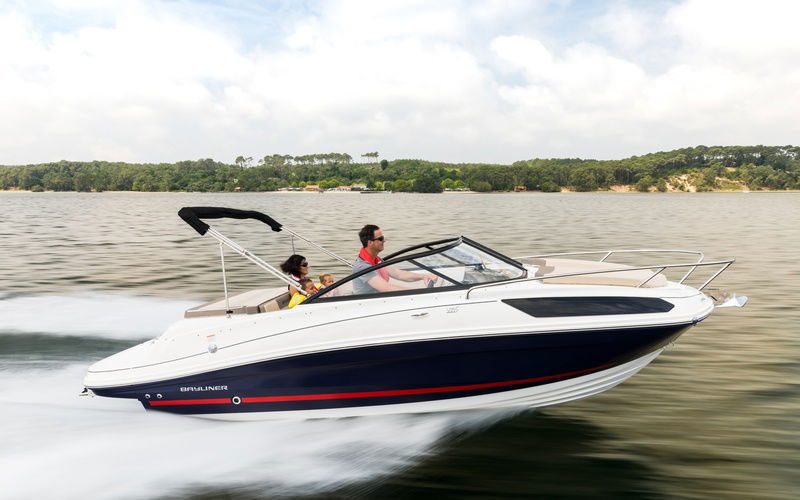


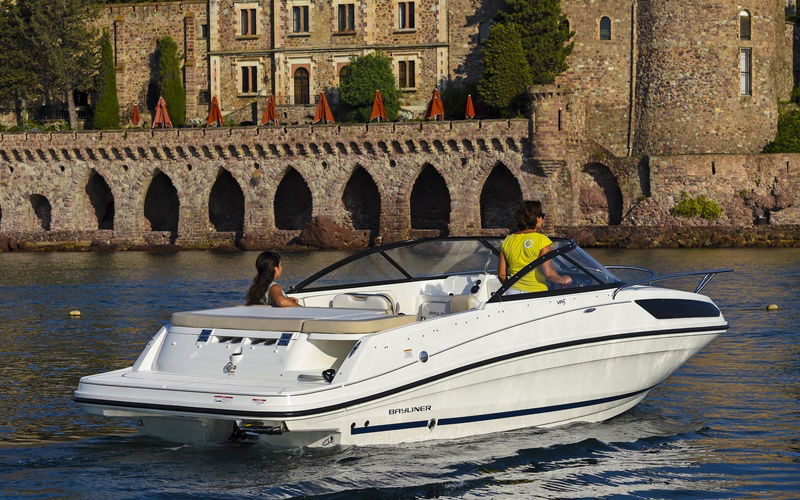
Images have been gathered from various sources and belong to their respective owners.
Latest Market Trends (Latest Available Year Model)
Price: $46,995
Review - Bayliner VR5

MarineBroker
09/16/2024, 9:30 AM
2018 Bayliner VR5: What Owners Should Know Before Buying, Using, or Upgrading
If you’re looking into the 2018 Bayliner VR5, chances are you’re trying to figure out whether it’s the right boat for your kind of boating. That’s a smart place to start. A lot of buyers focus on the shiny stuff first—layout, looks, horsepower, and price—but the real question is usually simpler: will this boat actually fit your lifestyle, your water, and your budget without becoming a headache?
That’s where the 2018 Bayliner VR5 stands out for a lot of people. It’s a versatile runabout with a practical layout, family-friendly seating, and enough performance for casual cruising, tubing, and day trips. But like any boat, the experience depends on more than the spec sheet. Storage needs, towing setup, maintenance habits, and even how you plan to use the boat can make a big difference in whether you love it or feel limited by it.
In this article, we’ll break down the common concerns people have about the 2018 Bayliner VR5 and walk through simple, practical ways to get the most out of it.
- Why the 2018 Bayliner VR5 gets so much attention
- What problems owners and buyers often run into
- How to solve those issues with smart planning
- What to check before buying or upgrading
- How to make the boat more enjoyable long term
- What Makes the 2018 Bayliner VR5 So Popular?
The 2018 Bayliner VR5 is part of Bayliner’s Venture series, and it’s designed to give boaters a good mix of comfort, space, and easy handling. For many first-time buyers and casual boaters, that’s exactly the sweet spot.
One reason it gets so much attention is the beam-forward design. That layout helps create more usable cockpit space without making the boat feel overly large or difficult to manage. In plain terms, it gives you more room for passengers, gear, and relaxing on the water.
It’s also a boat that tends to appeal to families and weekend boaters because it’s not overly complicated. You don’t need to be an experienced captain to feel comfortable behind the wheel, and that matters a lot if you’re just getting into boating or want something manageable for regular outings.
Common reasons people look at the 2018 Bayliner VR5 include:
- Easy-to-understand layout
- Good seating for family and friends
- Suitable for cruising, swimming, and tow sports
- Manageable size for trailering and storage
- Widely available in the used market
- The Main Problem Buyers Face With the 2018 Bayliner VR5
The biggest issue isn’t usually whether the boat looks good. It’s whether the boat fits the buyer’s real-world needs.
A lot of people fall into the same trap: they buy based on features, but later realize they didn’t think enough about how they’ll use the boat. That can lead to frustration with storage space, power, maintenance costs, or towing requirements.
For example, someone might love the VR5’s seating layout but later discover they need more storage for wake gear, safety equipment, and coolers than they expected. Another buyer may assume the base engine will be enough, only to realize they regularly want to tow tubes with a full boat of passengers.
So the problem is usually a mismatch between expectations and actual use.
That’s good news, though, because this is fixable. If you understand the boat’s strengths and limitations before buying or upgrading, you can avoid most of the common disappointments.
- 2018 Bayliner VR5: Key Features That Matter in Real Life
When people evaluate the 2018 Bayliner VR5, they often focus on specs. Specs matter, but the day-to-day boating experience matters more.
Here’s what tends to stand out in real use:
- Spacious seating: The cockpit is designed to feel open and social, which is great for families and groups.
- Versatile bow area: The bow can work well for lounging or riding up front on calm days.
- Easy access to the swim platform: This is a big plus if you spend time swimming or doing water sports.
- Practical helm layout: Controls are generally straightforward, which helps newer boaters.
- Trailer-friendly size: For many owners, this is one of the biggest benefits.
These features make the VR5 a solid candidate for casual recreation. It’s not trying to be a hardcore performance boat or a luxury cruiser. Instead, it aims to be usable, flexible, and approachable.
That’s why it works best for people who want a simple boating lifestyle without too much complexity.
- How to Know If the 2018 Bayliner VR5 Fits Your Needs
Before buying a 2018 Bayliner VR5, it helps to ask a few honest questions.
Start with how you’ll actually use the boat.
If your boating usually looks like this:
- Day trips with family
- Calm-water cruising
- Occasional tubing or wakeboarding
- Swimming stops
- Short outings and social time on the water
Then the VR5 may be a very good fit.
If your boating looks more like this:
- Long offshore runs
- Heavy gear hauling
- Frequent rough-water use
- Large-group entertaining
- Serious watersports with high tow demands
Then you may want to compare it against larger or more specialized models.
A boat should match your routine, not your wish list. That’s one of the easiest ways to make a better decision.
A simple rule: buy for 80% of your actual use, not 100% of your dream scenario.
- Common Issues Owners Notice and How to Solve Them
Even a well-liked boat has tradeoffs. The good news is that most of the common complaints about the 2018 Bayliner VR5 can be managed with realistic expectations and a few smart upgrades.
- Storage Can Feel Tight
One of the most common concerns is storage. The VR5 has decent space for a boat in its class, but if you bring a lot of gear, it can fill up fast.
How to solve it:
- Use soft-sided bags instead of hard coolers when possible
- Store emergency gear in compact, waterproof containers
- Keep a dedicated “boat kit” so items don’t pile up
- Add under-seat organization bins if the setup allows
A little organization goes a long way on smaller runabouts.
- Power May Feel Limited With a Full Load
Depending on engine configuration and how heavily the boat is loaded, some owners feel they want a little more punch for towing or acceleration.
How to solve it:
- Be realistic about passenger count and gear weight
- Choose the engine package that matches your boating style
- Keep the bottom clean and the prop in good condition
- Don’t overload the boat when planning tow sports
A boat that feels underpowered is often simply overloaded or under-maintained.
- Rough Water Comfort Has Limits
The 2018 Bayliner VR5 is best suited to calmer conditions and protected waters. It can handle normal chop, but it’s not built to be a deep-V offshore machine.
How to solve it:
- Plan outings around weather and water conditions
- Trim properly to improve ride comfort
- Reduce speed in rougher water
- Choose a boating route that suits the boat’s design
The solution here is mostly about using the boat in the right environment.
- Maintenance Can Be Overlooked by New Owners
A lot of first-time owners underestimate how important routine care is. Boats don’t usually break down because of one big mistake. They run into problems because small maintenance tasks get skipped.
How to solve it:
- Flush the engine after use in salt or dirty water
- Check battery condition regularly
- Inspect fuel lines, hoses, and clamps
- Keep the bilge clean and dry
- Follow seasonal maintenance steps before storage
A simple maintenance routine protects both performance and resale value.
- What to Check Before Buying a Used 2018 Bayliner VR5
If you’re shopping used, the boat’s condition matters more than the model name. A well-cared-for boat can be a great buy, while a neglected one can become expensive fast.
Here’s what to inspect carefully:
- Engine hours: Lower hours can be nice, but maintenance history matters more.
- Service records: Look for evidence of regular oil changes, winterization, and inspections.
- Upholstery condition: Cracking, fading, or mildew can point to storage issues.
- Flooring and carpet: Check for soft spots, stains, or water damage.
- Hull and gelcoat: Look for scratches, repairs, or signs of impact.
- Trailer condition: Tires, bearings, lights, and brakes should all be checked.
- Electrical system: Make sure everything powers on as expected.
If possible, take the boat for a water test. That’s often where hidden issues show up.
A few things to watch for during the test run:
- Slow starting
- Unusual vibration
- Steering stiffness
- Poor acceleration
- Water intrusion
- Strange engine noises
If something feels off, don’t ignore it. Boats are too expensive to buy based on hope.
- Smart Upgrades That Improve the 2018 Bayliner VR5 Experience
One of the best things about a boat like the 2018 Bayliner VR5 is that small upgrades can make a big difference.
You don’t need to overhaul everything. Focus on practical improvements that match your boating habits.
Useful upgrades may include:
- Better storage organizers
- A quality marine stereo system
- Upgraded bimini top or shade solution
- Docking fenders and line holders
- GPS/fishfinder combo if you navigate unfamiliar waters
- Battery monitor or dual-battery setup
- Non-slip mats in high-traffic areas
If you plan to tow watersports equipment, consider:
- A towing mirror for the tow vehicle
- A proper tow rope and storage setup
- Additional cooler space
- Safety gear for riders
The goal is not to make the boat fancy. It’s to make it more comfortable, more practical, and easier to use.
- How to Get Better Performance Without Overspending
A lot of boat owners think performance improvements always mean major engine work. Usually, that’s not the best place to start.
Before spending big money, focus on the basics.
Try this order:
1. Keep the hull clean
2. Maintain the engine properly
3. Use the right propeller
4. Load the boat efficiently
5. Match speed to conditions
These steps often improve real-world performance more than people expect.
For example, a dirty hull can reduce efficiency and top speed. A worn prop can hurt acceleration. And poor weight distribution can make the boat feel sluggish or unstable.
If you want better performance from the 2018 Bayliner VR5, start with maintenance and setup before chasing expensive upgrades.
- Best Uses for the 2018 Bayliner VR5
This boat really shines when used for the right kind of outings.
It works especially well for:
- Family cruising on lakes or inland waterways
- Relaxed afternoons anchored near a beach or sandbar
- Swimming and hanging out on the water
- Light towing for tubes or wakeboards
- Short weekend trips with friends
It’s less ideal for:
- Heavy offshore use
- Frequent long-distance travel
- Large-group entertaining every weekend
- Serious fishing setups without modification
That doesn’t mean it can’t do some of those things. It just means those uses aren’t where it naturally excels.
Choosing a boat that matches your lifestyle is the easiest way to stay happy with it long term.
- Tips for Making Ownership Easier and More Enjoyable
Boat ownership gets a lot more enjoyable when you build a few good habits early.
Here are some simple ways to make life easier:
- Keep a checklist for launching and recovering the boat
- Store essentials in the boat so you’re not packing from scratch each trip
- Rinse the boat after use
- Cover it properly when not in use
- Schedule seasonal service before problems start
- Teach passengers basic safety rules before heading out
You’ll also want to keep a small onboard kit with:
- First aid supplies
- Spare fuses
- Flashlight
- Waterproof phone pouch
- Basic tools
- Extra dock lines
- Cleaning cloths
These little things prevent a lot of frustration.
One of the biggest differences between stressful boating and smooth boating is preparation.
- Why the 2018 Bayliner VR5 Still Makes Sense for Many Boaters
Even with newer boats on the market, the 2018 Bayliner VR5 still makes sense for a lot of buyers because it offers a practical balance of comfort and simplicity.
It’s not trying to be everything to everyone. That’s actually part of its appeal.
For the right owner, it gives:
- A comfortable place to spend the day
- Easy handling
- Flexible use for casual boating
- Reasonable trailering and storage needs
- A familiar, approachable boating experience
If you understand what it does well and where its limits are, the VR5 can be a very satisfying boat.
That’s really the key: boats are best when they fit your habits, not when they just look good in the listing.
- Conclusion
The 2018 Bayliner VR5 is a solid choice for boaters who want a practical, family-friendly runabout for casual cruising, swimming, and light watersports. The main challenge is making sure it matches your actual boating style, storage needs, and performance expectations. Once you do that, most of the common issues become easy to manage with good planning, routine maintenance, and a few smart upgrades.
If you’re considering one, focus on condition, layout, and how you’ll really use it. That approach will help you avoid buyer’s remorse and get more enjoyment out of every trip. For anyone comparing options, it’s worth taking a closer look at ownership tips, inspection checklists, and real-world use cases before making a decision.
Specifications
General
Boat Type: Power Boats
Class Type: Cuddy Cabin
Specifications
Length: 20.34
Beam: 8.37
Draft: 2.82
Hull Material: GRP
Build
First Built: 2018
Propulsion
Fuel Type: Gas
Engines: 1
Power: 135 HP
Brand: Mercruiser
Accomodation
Berths: 2
Cabins: 1
PROS & CONS
What we appreciated
 Affordable price point for a versatile bowriderSpacious seating with capacity for up to 8 peopleSmooth and stable ride suitable for watersportsModern design with comfortable upholsteryEasy to handle and maneuver for beginners
What we didn’t appreciate
 Limited storage space compared to larger modelsNot ideal for rough open water or heavy seasBasic electronics and features in standard trimSmaller engine options may limit performanceMinimal shade options without additional accessories
Upkeep Costs
Fuel: Approximately $1,200 - $1,800 per year
Maintenance and Repairs: Around $500 - $1,000 per year
Insurance: Typically $300 - $600 per year
Storage and Docking: $500 - $2,000 per year depending on location
Registration and Taxes: $50 - $200 per year
Rating
6.7
User
Score
Score
Driveability
Technology
Interior
Design
Similar Boats


MarineBroker
Download now for an immersive boat experience like never before! ⛵✨ Your journey begins with a simple click. 🌊📲
#SetSailSmart #DownloadNow
#SetSailSmart #DownloadNow

Subscribe
Copyright 2017 - 2026, Marinebroker.net, All Rights Reserved