2005 Bavaria 39 Cruiser: What Buyers and Owners Should Know Before You Sail
The 2005 Bavaria 39 Cruiser has a lot going for it: a roomy layout, solid sailing manners, and the kind of practical design that made Bavaria popular wit...
Discover
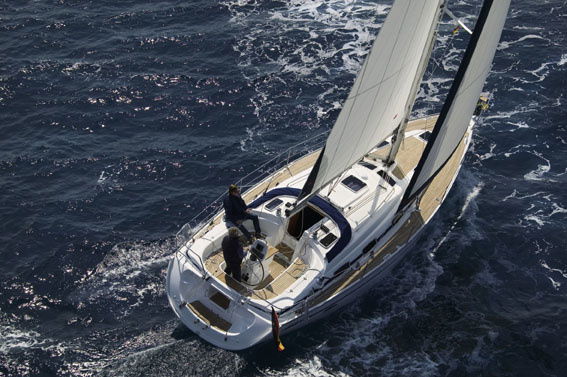
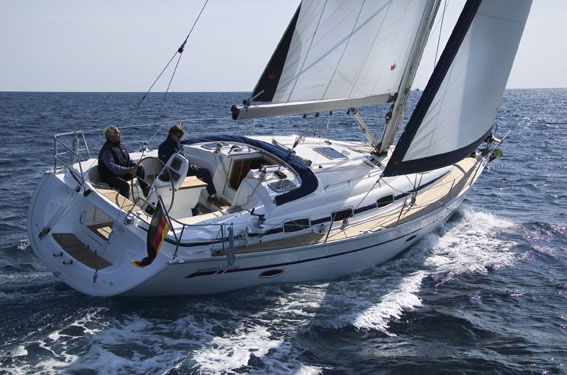
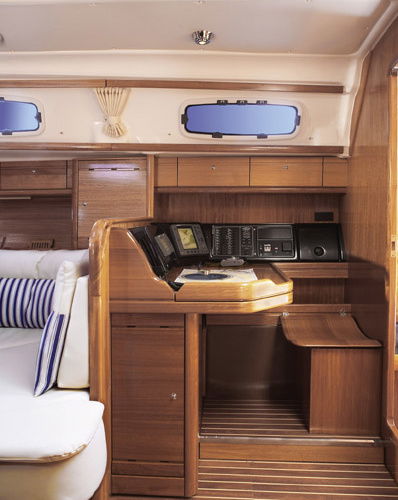
Images have been gathered from various sources and belong to their respective owners.
Latest Market Trends (Latest Available Year Model)
Price: $117,461
Review - Bavaria 39 Cruiser

MarineBroker
09/13/2024, 10:23 AM
2005 Bavaria 39 Cruiser: What Buyers and Owners Should Know Before You Sail
The 2005 Bavaria 39 Cruiser has a lot going for it: a roomy layout, solid sailing manners, and the kind of practical design that made Bavaria popular with cruising sailors. But if you’re looking at one today, there’s a very real challenge that comes with any older cruiser—figuring out whether the boat is still a great value or quietly hiding expensive problems.
That’s usually the big worry. A boat like this may look clean on the surface, yet still need attention in places that matter most: rigging, deck fittings, sails, engine systems, plumbing, and moisture-related issues. For many buyers and owners, the problem isn’t finding a nice-looking 39-footer. It’s knowing what to inspect, what to budget for, and how to keep the boat reliable without turning ownership into a money pit.
The good news? With the right approach, the 2005 Bavaria 39 Cruiser can still be a smart, enjoyable, and comfortable cruising boat. In this article, we’ll walk through the common concerns, what to look for, and practical steps to make sure the boat works for you—not against you.
- Why the 2005 Bavaria 39 Cruiser Still Gets Attention
The Bavaria 39 Cruiser earned its reputation because it delivered a lot of boat for the money. At around 39 feet, it sits in that sweet spot where couples, families, and small crews can cruise comfortably without jumping into the higher costs of larger yachts.
For many sailors, the appeal is simple:
- Spacious interior for weekend trips or extended cruising
- Easy handling for a boat of its size
- Functional cockpit and practical deck layout
- Strong value on the used market
That said, older production cruisers often come with a tradeoff. The layout may be excellent, but the condition depends heavily on how the boat was maintained. Two boats of the same model year can feel completely different depending on how they were used, stored, and upgraded.
If you’re researching the 2005 Bavaria 39 Cruiser, the goal is not just to admire the design. It’s to understand where age and wear usually show up first.
- The Main Problem: Age-Related Wear in the Right Places
The biggest issue with a 2005 Bavaria 39 Cruiser is not one dramatic flaw. It’s the accumulation of age-related wear across multiple systems.
That can include:
- Standing rigging that may be past its safe service life
- Sails that are tired or stretched
- Deck gear that has loosened over time
- Engine and propulsion components needing service
- Older electronics that no longer meet modern expectations
- Moisture intrusion around fittings or windows
- Interior wear from years of use
This is why so many buyers get tripped up. The boat may still look attractive, but the real cost comes from deferred maintenance. A cruiser can appear “ready to go” until the first season reveals that several systems need attention at once.
The practical solution is to inspect the boat as a system, not just as a hull with furniture inside it.
- What to Check First on a 2005 Bavaria 39 Cruiser
If you’re evaluating one for purchase or planning to keep yours in good shape, start with the areas that matter most for safety and reliability.
- Standing and Running Rigging
The standing rigging is one of the most important items on any older sailboat. If it’s original or near-original, it may be due for replacement even if it looks fine.
Check for:
- Rust staining at terminals
- Broken wire strands
- Corrosion around turnbuckles and chainplates
- Wear on halyards and sheets
- Fraying at blocks and clutches
A good rule of thumb: if the rigging history is unknown, treat it as a high-priority item. On a boat like this, that’s not being overly cautious—it’s being realistic.
- Deck and Hardware Sealing
Leaks often start small and become expensive later. On the 2005 Bavaria 39 Cruiser, inspect all deck hardware carefully.
Look closely at:
- Winches
- Cleats
- Stanchion bases
- Chainplates
- Hatch frames
- Portlights
- Traveler fittings
Soft spots, staining, or moisture around fasteners can suggest deck core issues or failing sealant. The fix is often manageable if caught early, but it becomes much more involved if water has been entering for years.
- Engine and Drive System
Many buyers focus so much on sails and cosmetics that they overlook the engine. Don’t.
Check:
- Service records
- Oil condition
- Cooling system maintenance
- Belts and hoses
- Engine mounts
- Shaft alignment or saildrive condition
- Propeller wear
If the boat has a saildrive, pay special attention to seals and corrosion protection. If it has a shaft drive, inspect the stuffing box or seal system and look for vibration under load.
A well-maintained auxiliary engine can make the boat far more enjoyable. A neglected one can erase the savings of buying used.
- Sails and Canvas: The Hidden Cost
Sails are often one of the biggest surprise expenses on older cruisers. Even if the sail inventory looks usable, age matters.
Watch for:
- UV damage
- Stretching and poor shape
- Weak stitching
- Delamination in laminate sails
- Mildew or water damage
- Torn covers or tired canvas
On a 39-foot cruiser, replacing a mainsail and genoa can be a meaningful investment. That’s why buyers should always factor sail condition into the overall price, not treat it as a separate issue.
- Interior Condition and Practical Comfort
One reason the 2005 Bavaria 39 Cruiser remains appealing is the interior volume. It’s usually comfortable enough for real cruising, not just day sailing.
Still, check the interior with a critical eye:
- Signs of leaks around hatches and windows
- Delamination or veneer damage
- Mold or mildew in lockers
- Water stains under the sole
- Condition of upholstery and cushions
- Function of pumps, toilets, and tanks
Interior wear is often more than cosmetic. It can point to moisture problems, plumbing issues, or long-term neglect.
- Common Buyer Mistake: Focusing on Cosmetics Too Much
A polished hull and fresh cushions can create a strong first impression, but they don’t tell you much about the boat’s true condition.
A lot of buyers make the same mistake:
- They fall in love with the layout
- They notice the clean cabin
- They assume the boat is “ready”
Then the survey reveals the real story.
The better approach is to prioritize the systems that affect safety, reliability, and cost. A boat with average cosmetics but strong maintenance records is often a much better buy than a spotless boat with hidden mechanical issues.
- The Practical Solution: Use a System-by-System Evaluation
The best way to handle the challenges of a used 2005 Bavaria 39 Cruiser is to inspect it in layers. Think of it like evaluating a house: foundation first, finishes later.
- Step 1: Review Maintenance History
Ask for:
- Engine service records
- Rigging replacement history
- Sail age and purchase receipts
- Bottom paint and haul-out records
- Electrical upgrades
- Any repair invoices
A detailed paper trail is one of the strongest signs of responsible ownership. Even if the boat needs work, records help you understand what has already been addressed.
- Step 2: Hire a Proper Marine Surveyor
A survey is not optional if you’re buying. It’s the best way to identify hidden problems before they become your problem.
A good survey should include:
- Hull and deck inspection
- Moisture readings
- Rigging assessment
- Engine evaluation
- Safety equipment review
- Sea trial if possible
If the survey uncovers issues, that doesn’t automatically mean “walk away.” It means you now have facts to negotiate with or budget around.
- Step 3: Build a Refit Budget
Even a well-kept older cruiser usually needs some level of updating.
Common budget items include:
- Standing rigging
- Sails
- Batteries
- Navigation electronics
- Pumps and hoses
- Canvas
- Safety gear
- Antifouling and general maintenance
A realistic refit budget keeps the boat enjoyable instead of stressful. The goal is not to make everything new at once. It’s to prioritize what matters most.
- Step 4: Prioritize Safety and Reliability
Before upgrading comfort items, handle the essentials:
1. Rigging integrity
2. Engine reliability
3. Bilge and plumbing systems
4. Electrical safety
5. Navigation and communication tools
6. Ground tackle and anchoring gear
Once those are solid, the boat becomes much easier to enjoy.
- Why the 2005 Bavaria 39 Cruiser Can Still Be a Smart Buy
Despite the age-related concerns, this model can still make a lot of sense for the right buyer. The 2005 Bavaria 39 Cruiser is often attractive because it offers a good balance of space, sailing performance, and affordability compared with newer boats.
It can be a smart choice if:
- You want a comfortable cruising platform
- You’re willing to inspect carefully
- You understand maintenance costs
- You value practicality over prestige
- You plan to sail, not just admire the boat at the dock
In other words, this is the kind of boat that rewards informed ownership. If you go in with realistic expectations, it can deliver a lot of sailing for the money.
- How to Keep Ownership Affordable
Older cruisers become expensive when maintenance is reactive instead of planned. The solution is to stay ahead of problems.
Here’s a simple approach:
- Inspect key systems at least once a season
- Replace wear items before they fail
- Keep a maintenance log
- Address small leaks immediately
- Flush and service mechanical systems regularly
- Protect the boat from UV and moisture when not in use
A little consistency goes a long way. Boats like the 2005 Bavaria 39 Cruiser tend to reward owners who are organized and proactive.
- Best Upgrades for Real-World Use
If you already own one, or you’re buying and planning improvements, focus on upgrades that make sailing easier and safer.
Useful upgrades often include:
- Modern chartplotter and navigation electronics
- Reliable battery monitoring
- LED cabin and navigation lights
- Improved anchor setup
- Updated running rigging
- Better ventilation and hatch seals
- Efficient cockpit instruments
- Solar charging for extended cruising
These changes usually improve the boat’s day-to-day usefulness more than cosmetic updates ever will.
- What Makes This Model Different from a Problem Boat
Not every older cruiser is a headache. The difference usually comes down to how the boat was treated.
A well-cared-for 2005 Bavaria 39 Cruiser often shows:
- Regular service records
- Dry interior spaces
- Healthy rigging and sails
- Clean engine behavior
- Sensible upgrades
- No signs of major structural neglect
A problem boat, by contrast, tends to show warning signs in multiple areas at once. If you see leaks, poor records, tired rigging, and neglected systems together, that’s your cue to slow down.
The boat itself may still be salvageable, but the cost and effort rise quickly.
- Conclusion
The 2005 Bavaria 39 Cruiser remains a popular option for sailors who want a roomy, capable cruiser without stepping into a much higher price bracket. The main challenge is not the design itself, but the age-related maintenance that comes with any boat from this era.
The smartest approach is to inspect carefully, verify service history, and budget for the systems that matter most. If you focus on rigging, engine health, leaks, sails, and safety gear, you’ll be in a much better position to judge whether the boat is a good fit. With the right preparation, this model can still offer a lot of enjoyable sailing and practical cruising value. If you’re considering one, take your time, ask the right questions, and use a proper survey to guide your next step.
Specifications
General
Boat Type: Sail Boats
Class Type: Cruiser
Specifications
Length: 39.37
Beam: 13.12
Draft: 6.07
Hull Material: GRP
Build
First Built: 2005
Propulsion
Fuel Type: Diesel
Engines: 1
Power: 40 HP
Brand: Volvo Penta
Accomodation
PROS & CONS
What we appreciated
 Spacious and comfortable interior suitable for extended cruisingWell-designed layout with good natural light and ventilationSolid construction with a reputation for durabilityGood sailing performance for a cruiser of its sizeGenerous storage space and practical amenities
What we didn’t appreciate
 Older model may require updates or maintenance on systems and electronicsEngine and mechanical components might be nearing overhaul depending on usageHeavier displacement can affect speed compared to lighter cruisersLimited cockpit space relative to newer models with more modern designsSome owners report that the rigging can be complex for beginners
Upkeep Costs
Hull insurance: $800 - $1,500 per year
Docking/Marina fees: $2,000 - $5,000 per year
Maintenance and repairs: $1,200 - $3,000 per year
Engine servicing: $300 - $600 per year
Winter storage and antifouling: $500 - $1,200 per year

Rating
6.9
User
Score
Score
Driveability
Technology
Interior
Design
Similar Boats


MarineBroker
Download now for an immersive boat experience like never before! ⛵✨ Your journey begins with a simple click. 🌊📲
#SetSailSmart #DownloadNow
#SetSailSmart #DownloadNow

Subscribe
Copyright 2017 - 2026, Marinebroker.net, All Rights Reserved