Boat Type: Sail Boats
Boat Class: Cruiser
Length: 40.32 ft
Berths: 8
Cabins: 3
Bathrooms: 1
Max Persons: 8
2002 Grand Soleil 40R: How to Buy, Inspect, and Sail One with Confidence
If you’ve been looking at a 2002 Grand Soleil 40R, you’re probably already aware it sits in that sweet spot many sailors love: fast enough to be exciting, c...
Discover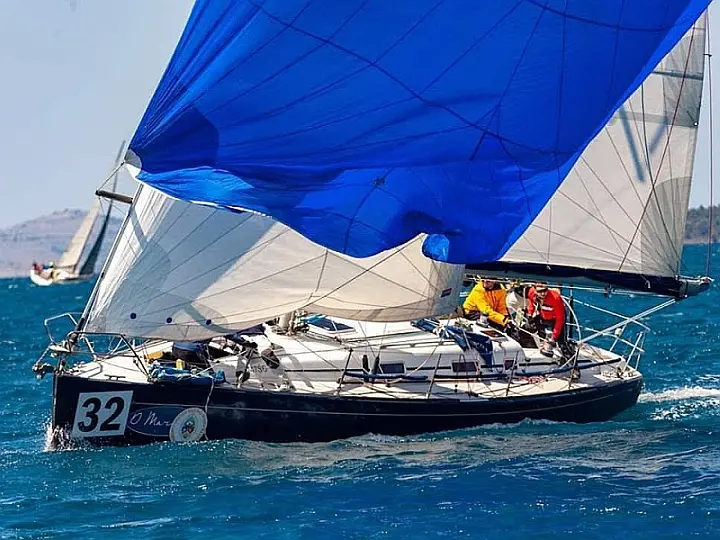

Images have been gathered from various sources and belong to their respective owners.
Review - Grand Soleil 40R

MarineBroker
11/22/2023, 8:02 AM
2002 Grand Soleil 40R: How to Buy, Inspect, and Sail One with Confidence
If you’ve been looking at a 2002 Grand Soleil 40R, you’re probably already aware it sits in that sweet spot many sailors love: fast enough to be exciting, comfortable enough for real cruising, and built with the kind of Italian style that still turns heads. But here’s the catch—boats in this age range can be fantastic buys or expensive surprises, depending on how well they’ve been maintained and what kind of life they’ve lived.
That’s the real problem for most buyers and owners: how do you tell whether a 2002 Grand Soleil 40R is a smart investment or a project boat in disguise? On paper, it may look like the perfect performance cruiser. In reality, details like rig condition, keel structure, deck hardware, engine service history, and moisture issues can make a huge difference in both safety and value.
The good news is that this boat rewards careful buyers. With the right inspection approach and a clear maintenance plan, you can enjoy the Grand Soleil 40R for what it does best: fast passage-making, responsive sailing, and a very satisfying helm. Let’s break down what to look for and how to make a confident decision.
- Why the 2002 Grand Soleil 40R Still Gets Attention
The Grand Soleil 40R comes from a respected performance-cruiser pedigree. The “R” version is typically the sportier, more race-oriented sibling in the lineup, so it tends to appeal to sailors who want a boat that feels alive under sail rather than just stable and forgiving.
That matters because boats like this often attract owners who actually use them. Some are raced hard, others are cruised extensively, and many have done both. That versatility is part of the appeal, but it also means the condition of each individual boat can vary a lot.
For buyers, the key takeaway is simple: don’t shop by model alone—shop by maintenance history and current condition.
What makes the 2002 Grand Soleil 40R appealing:
- Strong performance for its size
- Balanced sailing characteristics
- Attractive interior layout for a 40-footer
- Good offshore potential when properly equipped
- Solid reputation among performance-cruiser fans
In other words, it’s not just a pretty boat. It’s a capable one. But capability depends on upkeep.
- The Main Problem: Age, Use, and Hidden Wear
A 2002 boat is now well into its second life. That does not automatically mean trouble, but it does mean the usual age-related issues start to matter more than brochure specs.
The biggest challenge with a 2002 Grand Soleil 40R is separating normal wear from expensive structural or mechanical problems. A boat can look polished on the surface and still need serious work underneath.
Common concerns include:
- Standing rigging nearing or past service life
- Chainplate or deck fittings showing movement or leaks
- Core moisture in the deck or around fittings
- Keel bolts or keel stub issues
- Engine wear, especially if service records are incomplete
- Electronics that are outdated or unreliable
- Sails that have lost shape and performance
The tricky part is that performance boats often hide their wear well. A boat that has been “carefully used” may still have had years of hard sailing, and that can show up in places buyers often miss.
- What to Inspect on a 2002 Grand Soleil 40R
If you’re evaluating one of these boats, think in layers. Start with the big-ticket items, then move into the details.
- Hull and Deck Condition
Look closely for gelcoat cracks, repairs, soft spots, and signs of impact. Pay special attention around:
- Stanchion bases
- Winches
- Chainplates
- The mast step
- Hatches and portlights
- Around the keel and rudder area
A little cosmetic crazing is normal on an older boat. What you want to avoid is movement, moisture, or recurring leaks. Those are the signs that point to deeper issues.
If possible, use a moisture meter and a knowledgeable surveyor. On boats of this age, hidden deck core moisture can become a costly repair if ignored.
- Rigging and Spars
This is one area where many buyers get caught out. Standing rigging may look fine from the dock, but age matters more than appearance.
Check for:
- Corrosion at terminals
- Worn turnbuckles
- Bent or damaged spreaders
- Mast step corrosion
- Signs of mast pumping or unusual flex
- Any history of rigging replacement
If the rigging is original or near original, budget for replacement. That’s not a panic point—it’s just smart ownership. On a performance boat, rigging is one of the most important safety items.
- Keel and Rudder
The keel area should be inspected carefully, especially if the boat has seen racing or any grounding.
Look for:
- Hairline cracks around the keel joint
- Rust streaks or signs of water intrusion
- Evidence of repairs
- Any signs the keel has shifted
- Rudder play or moisture in the rudder blade
A little fairing work is normal. Movement or cracking around the keel attachment is not something to brush off.
The rudder should turn smoothly and feel solid. Excessive play can indicate worn bearings or structural issues.
- Engine and Mechanical Systems
Most 40-foot performance cruisers from this era are powered by a small diesel that is expected to do a lot of work over time. Even if the engine has low hours, age and maintenance are what really count.
Check:
- Service records
- Oil and coolant condition
- Belt wear
- Exhaust elbow condition
- Raw water pump status
- Fuel system cleanliness
- Engine mounts
- Starting behavior, cold and warm
A diesel that starts easily and runs cleanly is a good sign. But even a healthy engine may need hoses, impellers, filters, and cooling-system attention.
If the boat has been sitting, don’t assume the engine is fine just because it runs. Sitting boats often develop fuel contamination, hose degradation, and seal issues.
- Electrical and Electronics
Older boats often have a mix of systems from different eras. That can be perfectly workable, but it needs a clear-eyed review.
Test:
- Battery banks and charging systems
- Shore power setup
- Circuit protection
- Nav lights
- Bilge pumps
- Instrumentation
- Autopilot function
- VHF and chartplotter reliability
A messy electrical panel or improvised wiring is a warning sign. Boats like the Grand Soleil 40R deserve clean, logical systems. If you find repeated modifications, budget time to sort them out.
- Sails, Running Rigging, and Deck Gear
This is where performance and sailing enjoyment really show up. A boat may be structurally sound but still feel tired if the sails are worn out.
Check:
- Sail shape and UV damage
- Stitching and batten pockets
- Halyard wear
- Sheet condition
- Winch operation
- Traveler and track hardware
- Blocks and clutches
- Reefing systems
On a performance cruiser, worn sails can make a huge difference. Even if the boat is otherwise in good shape, tired sails can make it feel sluggish and harder to handle.
- How to Judge Whether the 2002 Grand Soleil 40R Is a Good Buy
A lot of buyers ask the same thing: “Is this boat a bargain or a money pit?” The answer usually comes down to three things:
- Maintenance records
- Survey findings
- Your intended use
A well-maintained 2002 Grand Soleil 40R with updated rigging, sound structure, and a healthy engine can be a very good value. But a cheaper boat that needs rigging, sails, electronics, and deck repairs can quickly become more expensive than a better-kept example.
A practical rule: add up the likely near-term refit items before making an offer.
Typical near-term costs might include:
- Standing rigging replacement
- New sails or sail repairs
- Battery replacement
- Electronics upgrades
- Upholstery or interior refresh
- Engine service and cooling-system work
- Antifouling and hull preparation
If the total starts creeping too high, a “cheap” boat may no longer be cheap.
- The Best Solution: Buy with a Surveyor’s Eye, Not Just a Sailor’s Heart
The smartest way to approach a 2002 Grand Soleil 40R is to combine enthusiasm with discipline. It’s easy to fall in love with the lines, the cockpit layout, or the way it sails. That part is normal. Just make sure the emotional side doesn’t outrun the technical side.
Here’s a practical buying approach:
1. Review the service history first
Ask for invoices, refit records, rigging dates, engine service logs, and any repair documentation.
2. Inspect the boat in person with a checklist
Focus on structural areas, rigging, keel, rudder, engine, and electrical systems.
3. Hire a qualified marine surveyor
Especially one familiar with performance cruisers and older fiberglass construction.
4. Sea trial the boat
Check helm feel, sail balance, engine performance, and any unusual noises or vibration.
5. Estimate the first-year ownership cost
Include insurance, berth fees, maintenance, upgrades, and surprise repairs.
This approach helps you avoid the classic mistake of buying with your eyes only.
- Ownership Tips for a 2002 Grand Soleil 40R
If you already own one, or you’re planning to, a little routine care goes a long way. These boats respond well to consistent maintenance.
Focus on these habits:
- Inspect rigging annually
- Rinse and lubricate deck hardware regularly
- Keep water out of the deck core and lockers
- Service the engine on schedule
- Replace worn running rigging before it fails
- Check keel and rudder areas after any grounding
- Keep bilges clean and dry
- Update safety gear and offshore equipment as needed
For performance boats, small issues tend to snowball faster than on slower, simpler cruisers. Catching problems early saves money and preserves sailing quality.
- Cruising vs Racing: Set the Boat Up for Your Use
One reason the 2002 Grand Soleil 40R remains interesting is that it can be tailored in different directions. But your setup should match how you actually sail.
If you cruise more than race, consider:
- Comfortable cushions and storage solutions
- Reliable autopilot
- Practical anchoring gear
- Easy reefing setup
- Strong battery and charging capacity
If you race or sail with a performance focus, prioritize:
- Light, efficient sail inventory
- Crisp deck hardware
- Fine-tuned rig tune
- Responsive steering and control systems
- Weight control and clean deck layout
Trying to make the boat do everything equally well can lead to compromise. Better to set it up for your real sailing style.
- Why This Model Can Be Worth the Effort
Older performance cruisers can be intimidating because they ask more from the owner. But that’s also why they’re rewarding. A well-sorted 2002 Grand Soleil 40R can still deliver the kind of sailing many newer boats struggle to match.
What you get in return for careful ownership:
- A lively, engaging helm
- Strong passage-making ability
- A boat that feels connected to the water
- Good resale appeal if maintained properly
- A platform that can serve both racing and cruising goals
That combination is not easy to find. And when it’s right, it’s a lot of fun.
- Common Mistakes to Avoid
Here are a few mistakes that can turn a promising purchase into a headache:
- Skipping the survey to save money
- Ignoring rigging age because it “looks fine”
- Underestimating deck moisture issues
- Buying based on cosmetics alone
- Forgetting to budget for sails and electronics
- Assuming all performance boats have been lightly used
- Overlooking the cost of bringing systems up to date
The best buyers ask boring questions. That’s usually a good sign.
- Final Thoughts Before You Decide
The 2002 Grand Soleil 40R can be a very smart choice for sailors who want performance, style, and a real connection to the helm. But like most boats of this age, its value depends less on the model name and more on the condition of the individual boat in front of you.
If you inspect carefully, review the records, and budget for known age-related items, you can avoid the common traps and end up with a boat that’s genuinely satisfying to own. Whether you plan to cruise, race, or do a bit of both, the key is to buy with a clear plan and maintain it consistently.
A good example of this boat can still offer years of enjoyable sailing. Take your time, trust the survey, and let the boat’s condition—not just its reputation—guide your decision.
Specifications
General
Boat Type: Sail Boats
Class Type: Cruiser
Specifications
Length: 40.32
Beam: 12.47
Draft: 7.87
Hull Material: GRP
Build
First Built: 2002
Propulsion
Fuel Type: Diesel
Engines: 1
Power: 40 HP
Brand: Yanmar
Accomodation
Berths: 8
Cabins: 3
Bathrooms: 1
PROS & CONS
What we appreciated
 Classic and elegant Italian design with good sailing performanceSturdy construction with a solid fiberglass hullSpacious cockpit suitable for racing and cruisingComfortable interior layout with good use of spaceGood resale value due to reputation and build quality
What we didn’t appreciate
 Older model, may require updates to electronics and riggingMaintenance costs can be higher due to quality materials and craftsmanshipLimited availability of replacement parts due to ageInterior may show signs of wear from age and useNot as modern in design features compared to newer models
Upkeep Costs
Annual maintenance and repairs: $2,000 - $4,000
Docking and mooring fees: $1,500 - $5,000 per year depending on location
Insurance: $800 - $1,500 per year
Fuel: $500 - $1,000 per year (depends on usage)
Winter storage and haul-out: $1,000 - $2,500 per year

Rating
7.4
User
Score
Score
Driveability
Technology
Interior
Design
Similar Boats


MarineBroker
Download now for an immersive boat experience like never before! ⛵✨ Your journey begins with a simple click. 🌊📲
#SetSailSmart #DownloadNow
#SetSailSmart #DownloadNow

Subscribe
Copyright 2017 - 2026, Marinebroker.net, All Rights Reserved