2010 Bavaria 38 Cruiser: What to Know Before Buying, Sailing, or Upgrading This Popular Cruiser
If you’re looking at the 2010 Bavaria 38 Cruiser, you’re probably after a boat that feels like a smart mix of comfort, sailing perfor...
Discover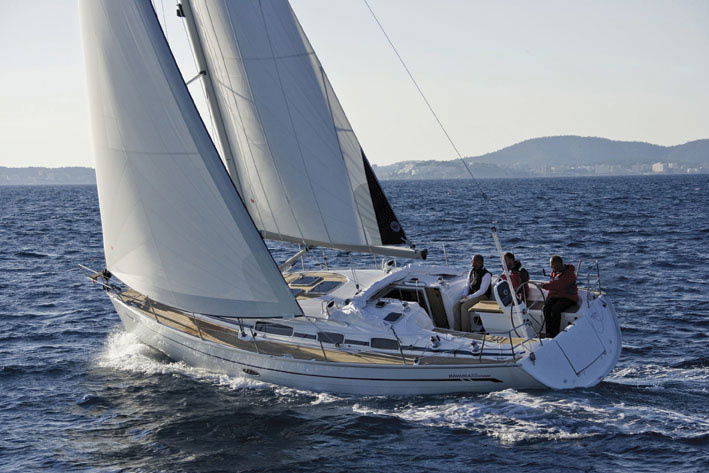


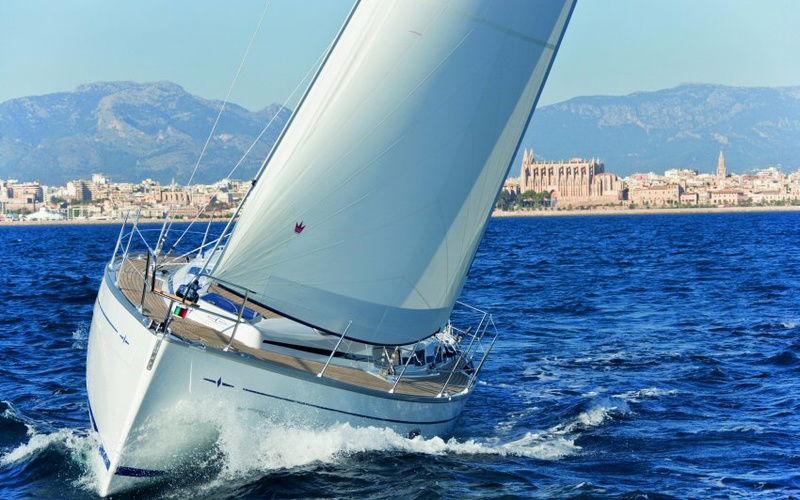
Images have been gathered from various sources and belong to their respective owners.
Latest Market Trends (Latest Available Year Model)
Price: $111,471
Review - Bavaria 38 Cruiser

MarineBroker
09/13/2024, 10:09 AM
2010 Bavaria 38 Cruiser: What to Know Before Buying, Sailing, or Upgrading This Popular Cruiser
If you’re looking at the 2010 Bavaria 38 Cruiser, you’re probably after a boat that feels like a smart mix of comfort, sailing performance, and manageable size. That’s exactly why this model gets so much attention. It sits in a sweet spot for couples, families, and club sailors who want a cruiser that can handle weekends, longer coastal trips, and even extended holiday sailing without becoming a maintenance headache.
But here’s the real challenge: finding a used cruiser that still feels right after years on the water. With a boat like the 2010 Bavaria 38 Cruiser, the question usually isn’t whether it’s a good design. The bigger issue is whether the specific boat you’re looking at has been cared for properly, equipped sensibly, and maintained in a way that keeps ownership enjoyable instead of expensive.
In this article, we’ll break down what makes the 2010 Bavaria 38 Cruiser appealing, what common ownership problems buyers should watch for, and how to solve them with a practical, boat-savvy approach. If you’re researching this model, this guide will help you make a more confident decision.
- Why the 2010 Bavaria 38 Cruiser Still Gets Attention
The Bavaria 38 Cruiser was built for sailors who want easy handling without giving up comfort. In the 2010 version, the layout and design reflect the brand’s focus on spacious interiors, straightforward systems, and safe, predictable sailing.
That combination makes it attractive for a wide range of owners:
- First-time cruising boat buyers
- Couples planning coastal or island cruising
- Families needing a practical 38-footer
- Sailors stepping up from smaller boats
- Charter buyers looking for a proven, usable platform
A big reason this model remains popular is that it doesn’t try to be overly complicated. It’s a cruiser that aims to make life aboard easier, not harder. For many buyers, that is exactly the point.
- What Problem Buyers Usually Face With a Used 2010 Bavaria 38 Cruiser
The main problem with shopping for a used 2010 Bavaria 38 Cruiser is not the model itself. It’s the condition gap between boats that were well maintained and boats that were simply used hard and put away wet.
That matters because two boats of the same year can feel completely different. One may be ready for seasons of reliable cruising. Another may hide issues in the rig, sails, engine, electrics, or deck fittings.
Common concerns include:
- Moisture intrusion around deck hardware
- Aging standing and running rigging
- Worn sail inventory
- Engine service history gaps
- Electrical upgrades done poorly
- Interior wear from charter use or heavy family cruising
- Steering or autopilot issues
- Osmosis worries, depending on storage and maintenance history
So the real challenge is not “Is the 2010 Bavaria 38 Cruiser a good boat?” It’s “How do I identify a well-kept one and avoid costly surprises?”
- 2010 Bavaria 38 Cruiser: Key Features That Matter on the Water
Before you start comparing listings, it helps to understand what this boat is designed to do well.
The 2010 Bavaria 38 Cruiser typically offers:
- A comfortable cruising cockpit
- Easy sail handling for short-handed crews
- A practical interior with good headroom
- A layout that works for entertaining and overnight stays
- Stable, forgiving sailing behavior for everyday use
This makes it a strong candidate for sailors who value usability over performance extremes. It won’t feel like a stripped-out racer, and that’s part of its charm.
For most owners, the real value comes from how livable the boat is. You can cruise with guests, store gear without chaos, and still handle the boat without needing a large crew every time you cast off.
- The Most Important Things to Inspect Before Buying
If you’re considering a used 2010 Bavaria 38 Cruiser, the inspection process is where you protect your budget.
Here’s where to focus first:
- Hull and deck condition
Check for cracks, repairs, soft spots, or signs of water intrusion. Pay special attention around stanchions, winches, chainplates, and deck fittings.
- Rigging
Standing rigging has a service life. If there’s no clear replacement record, assume it may be due. Check for corrosion, broken strands, and signs of movement at the chainplates.
- Engine
Ask for service logs. A clean-running engine is great, but documentation matters more than a smooth idle during a short viewing.
- Sails
Old sails can make a perfectly good boat feel tired. Look for stretch, UV damage, worn stitching, and poor shape in the main and genoa.
- Electrical system
Inspect batteries, charger, wiring, and panel layout. DIY electrical work can be fine if done well, but messy wiring often leads to future headaches.
- Plumbing and tanks
Test pumps, taps, toilets, and water systems. Leaks and neglected hoses are common on older cruising boats.
- Steering and controls
Check for play, stiffness, or unusual noise. Small issues here can become expensive if ignored.
A survey by a qualified marine surveyor is strongly recommended. Even if the boat looks tidy, a proper survey can reveal hidden issues that are easy to miss during a quick walk-through.
- Common Ownership Problems and Their Practical Solutions
The good news is that most issues on a 2010 Bavaria 38 Cruiser are manageable if caught early.
Here’s how to think about the most common ones:
- Problem: Worn rigging
Solution: Replace standing rigging if it’s near or past service life. Don’t gamble on old wire just because it “looks fine.”
- Problem: Aging sails
Solution: Budget for at least a new mainsail or genoa if the current sails are tired. Even one fresh sail can dramatically improve handling and performance.
- Problem: Leaks around deck fittings
Solution: Re-bed hardware properly and inspect backing plates. Water intrusion is easier to stop early than to repair later.
- Problem: Electrical chaos
Solution: Simplify and standardize. Label circuits, replace corroded terminals, and use marine-grade components only.
- Problem: Weak battery setup
Solution: Upgrade to a reliable house bank and charging system if cruising autonomy matters to you.
- Problem: Neglected engine servicing
Solution: Catch up on filters, belts, impellers, hoses, and fluids immediately after purchase.
- Problem: Cosmetic wear inside
Solution: Focus on cleaning, upholstery refreshes, and small trim repairs before assuming the whole boat is “tired.”
A used cruiser often needs a list of small improvements rather than one huge rebuild. That’s actually good news, because it lets you prioritize upgrades based on safety and comfort.
- How the 2010 Bavaria 38 Cruiser Performs for Real-World Cruising
This boat is generally appreciated for being easy to live with underway. It’s the kind of cruiser that suits relaxed passage planning, weekend hops, and holiday sailing more than aggressive performance sailing.
In everyday use, owners often like:
- Predictable handling
- Comfortable motion in moderate conditions
- A cockpit that feels practical and secure
- Easy deck movement for crew
- Enough space below for proper cruising comfort
That said, like most production cruisers, performance depends heavily on sail condition, bottom cleanliness, and weight management. A well-maintained boat can feel lively and capable. A neglected one can feel slow and less responsive than expected.
If you’re coming from a smaller boat, the 2010 Bavaria 38 Cruiser may feel much easier to live on but slightly more demanding in tight marinas. That’s normal for a 38-footer, and it’s worth factoring into your buying decision.
- What Makes a Good Example of This Model Stand Out
Not every 2010 Bavaria 38 Cruiser is equal. The best examples usually share a few traits:
- Full maintenance records
- Updated rigging and sails
- Clean engine history
- Sensible electronics upgrades
- Dry interior and sound deck structure
- Evidence of careful ownership, not just cosmetic polishing
A boat with honest wear but good systems is often a better buy than a shiny example with hidden neglect. In cruising boats, function beats appearance every time.
Look for signs that the owner actually used the boat regularly and maintained it properly. That usually means:
- Seasonal engine servicing
- Regular antifouling
- Timely replacement of hoses and seals
- Clean battery management
- Proper winter storage or layup routines
That kind of care tends to show up everywhere on the boat, from the bilge to the heads.
- Smart Upgrades That Improve Ownership Right Away
If you buy a 2010 Bavaria 38 Cruiser, you don’t need to overhaul everything at once. The best upgrades are the ones that improve safety, reliability, and daily comfort.
High-value upgrades often include:
1. New navigation electronics
Modern chartplotters, AIS, and updated instruments can make coastal cruising much easier.
2. Better battery monitoring
Knowing your power status prevents surprises at anchor.
3. LED lighting
A simple upgrade that reduces power draw and improves cabin comfort.
4. Sail handling improvements
Consider lazy jacks, upgraded lines, or better winches if the current setup feels dated.
5. New upholstery or mattress inserts
These aren’t glamorous, but they make a huge difference to life aboard.
6. Autopilot servicing or replacement
For short-handed cruising, a reliable autopilot is worth its weight in gold.
7. Safety gear refresh
Flares, lifejackets, fire extinguishers, and bilge pumps should always be checked and updated.
The trick is to upgrade with purpose. Don’t spend money just because a boat “could use a bit of everything.” Start with the systems that affect safety and usability most.
- Buying for Family Cruising vs Coastal Weekending
The 2010 Bavaria 38 Cruiser works for different owners in different ways.
For family cruising, the priorities are usually:
- Space below deck
- Easy boarding and movement
- Reliable systems
- Enough storage for gear
- Comfortable sleeping arrangements
For coastal weekending, the focus may be more on:
- Easy sail handling
- Fast setup and pack-down
- Comfortable cockpit space
- Low-maintenance systems
- Fuel efficiency and simplicity
This boat can suit both styles, but your expectations should shape the exact example you buy. A charter-used boat may have the right layout but need more maintenance. A lightly used private boat may be cleaner mechanically but less equipped for extended cruising.
- What to Ask the Seller
Before you commit, ask direct questions. The answers often tell you more than the listing photos.
Useful questions include:
- When was the standing rigging last replaced?
- How old are the sails?
- Has the engine had regular servicing?
- Any known leaks or repairs?
- Has the boat been chartered?
- What electronics have been upgraded?
- Are there service records for the batteries and charging system?
- Has the boat ever been grounded or damaged?
- When was the last haul-out and antifoul?
If the seller gives vague answers, that’s a signal to slow down. Good boats usually come with clear histories.
- How to Judge Value Without Overpaying
Pricing on a used 2010 Bavaria 38 Cruiser depends heavily on condition, equipment, and location. Two boats may be listed at similar prices, but one could need far more investment after purchase.
When comparing value, think in total ownership cost:
- Purchase price
- Survey and haul-out
- Immediate repairs
- Rigging replacement
- Sail replacement
- Electronics upgrades
- Annual maintenance
A slightly cheaper boat can become the more expensive one if it needs major work right away. On the other hand, a well-maintained boat with recent upgrades can save you money and time.
A good rule of thumb: pay more for documentation, maintenance, and visible care. Those things usually cost less than fixing neglected systems later.
- The Practical Solution: Buy the Boat, Not Just the Listing
The best way to approach a 2010 Bavaria 38 Cruiser is to treat it as a platform, not just a purchase. The boat itself offers a solid cruising foundation, but the real value depends on condition, maintenance, and how well it matches your sailing style.
Here’s the simplest strategy:
- Inspect the structural and mechanical basics first
- Verify service history whenever possible
- Budget for at least a few upgrades
- Use a surveyor
- Compare total ownership cost, not just asking price
That approach helps you avoid the common trap of buying a boat that looks ready but needs a long list of expensive fixes. It also helps you identify the better examples that can give you years of enjoyable sailing with fewer surprises.
- Final Thoughts on the 2010 Bavaria 38 Cruiser
The 2010 Bavaria 38 Cruiser remains an appealing choice for sailors who want a practical, comfortable cruiser with a proven layout. Its biggest strengths are livability, manageable handling, and broad appeal for coastal and family cruising.
The main challenge is not finding the model itself, but finding a well-kept example that has been maintained with care. If you focus on rigging, sails, engine history, electrics, and deck condition, you’ll be much better positioned to choose wisely.
For anyone researching this boat, the smartest move is simple: look beyond cosmetics, ask the right questions, and budget for sensible updates. Do that, and the 2010 Bavaria 38 Cruiser can be a very rewarding boat to own and sail. If you’re still comparing options, it’s worth diving deeper into maintenance records, survey reports, and real-world owner feedback before making the final call.
Specifications
General
Boat Type: Sail Boats
Class Type: Cruiser
Specifications
Length: 38.48
Beam: 12.83
Draft: 6.4
Hull Material: GRP
Build
First Built: 2010
Propulsion
Fuel Type: Diesel
Engines: 1
Power: 29 HP
Brand: Volvo Penta
Accomodation
PROS & CONS
What we appreciated
 Spacious and comfortable interior layout suitable for familiesGood sailing performance for a cruiser of its sizeWell-built with solid German engineeringGenerous storage space and amenities for extended cruisingEasy to handle with a manageable sail plan
What we didn’t appreciate
 Older model, may require updates to electronics and systemsSome owners report limited headroom below deckEngine may need servicing or replacement due to ageNot as fast or performance-oriented as racing sailboatsPotentially higher maintenance costs typical of larger cruisers
Upkeep Costs
Annual maintenance: $2,000 - $4,000
Insurance: $800 - $1,500 per year
Docking/Mooring fees: $1,200 - $3,600 per year
Fuel: $500 - $1,500 per year (depending on usage)
Winter storage and shrink wrap: $1,000 - $2,000 per year
Rating
7.2
User
Score
Score
Driveability
Technology
Interior
Design
Similar Boats


MarineBroker
Download now for an immersive boat experience like never before! ⛵✨ Your journey begins with a simple click. 🌊📲
#SetSailSmart #DownloadNow
#SetSailSmart #DownloadNow

Subscribe
Copyright 2017 - 2026, Marinebroker.net, All Rights Reserved