2004 Barbaros 1050: What to Check, What to Fix, and How to Keep It Running Smoothly
If you’re looking at a 2004 Barbaros 1050, you’re probably already drawn to its size, layout, and practical cruising potential. Boats like this c...
Discover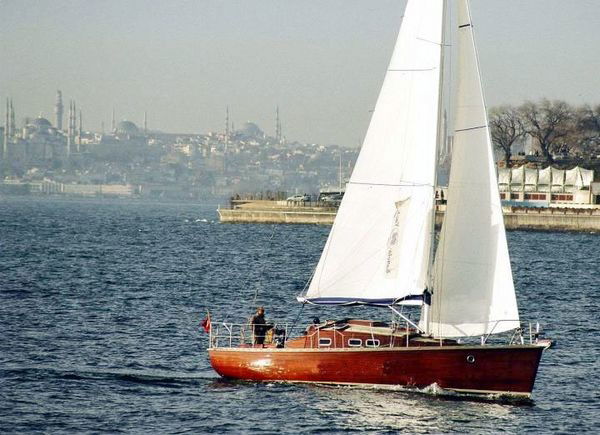

Images have been gathered from various sources and belong to their respective owners.
Review - Barbaros 1050

MarineBroker
07/19/2024, 1:21 PM
2004 Barbaros 1050: What to Check, What to Fix, and How to Keep It Running Smoothly
If you’re looking at a 2004 Barbaros 1050, you’re probably already drawn to its size, layout, and practical cruising potential. Boats like this can offer a lot of value, especially for buyers who want a capable mid-size vessel without stepping into brand-new pricing. But with any 2004-era boat, the real question isn’t just whether it looks good on paper — it’s whether the systems, structure, and maintenance history are still working in your favor.
That’s where things get tricky. A boat can appear clean and well-kept on the surface while hiding issues in the engine room, electrical system, deck hardware, or moisture-prone areas. For many buyers and owners, the challenge is figuring out what matters most, what can wait, and what needs immediate attention. The good news is that with the right inspection approach and a few smart maintenance habits, a 2004 Barbaros 1050 can be a much more predictable and enjoyable boat to own. In this guide, we’ll walk through the common problem areas and the practical steps that help you avoid expensive surprises.
- Why the 2004 Barbaros 1050 Deserves a Careful Look
The 2004 Barbaros 1050 sits in that interesting category of boats that can be a great buy if maintained properly. By this age, most of the major systems have already lived through enough seasons to reveal their weak points.
That doesn’t automatically make the boat risky. It just means buyers and owners need to look beyond cosmetics.
The most common mistake is assuming that a clean interior and fresh polish equal a healthy boat. In reality, boats of this age often hide issues in places that are easy to overlook:
- Fuel and electrical components
- Seals around hatches and windows
- Moisture in decks or bulkheads
- Engine and transmission wear
- Corrosion in fittings and wiring
If you’re evaluating a 2004 Barbaros 1050, the goal is simple: identify the systems that matter most, then decide whether you’re dealing with routine upkeep or a bigger repair project.
- The Main Problem: Age-Related Wear That Isn’t Always Obvious
The biggest issue with a boat like the 2004 Barbaros 1050 is not one single flaw. It’s the accumulation of small age-related problems that can add up over time.
A boat from 2004 may still be structurally sound, but several components are likely approaching the point where replacement or service is needed. That includes hoses, pumps, batteries, sealants, upholstery, and sometimes even major mechanical parts depending on usage.
Here’s why that matters:
- Small leaks can become hidden rot or mold
- Weak batteries can mask charging or alternator problems
- Old hoses can fail without warning
- Neglected service records can make future repairs harder to predict
- Corrosion can spread slowly in marine environments
In other words, the issue is not just age. It’s whether the boat has been maintained in a way that keeps age from becoming a problem.
- What to Inspect on a 2004 Barbaros 1050
Before buying or investing more money into a 2004 Barbaros 1050, focus on a few critical areas first. These are the places where problems tend to show up earliest and where repairs can become costly if ignored.
- Hull, Deck, and Structural Areas
Start with the hull and deck. Look for signs of impact, repairs, soft spots, and stress cracks.
Pay close attention to:
- Around cleats and stanchions
- Underfoot in high-traffic deck areas
- Around hatches, windows, and rail bases
- Any discoloration or bubbling in gelcoat or paint
- Evidence of prior patching or uneven surfaces
A soft deck can suggest water intrusion, which is one of the more expensive issues to deal with because it often spreads beyond the visible area.
- Engines and Mechanical Systems
If the 2004 Barbaros 1050 is powered by inboard or diesel engines, engine condition becomes one of the biggest decision points.
Look for:
- Easy cold starts
- Smooth idle and throttle response
- Smoke color at startup and under load
- Oil condition and coolant level
- Belt wear, hose cracking, and corrosion
- Service records for filters, impellers, and fluids
A boat can run “fine” during a short test but still have aging injectors, cooling issues, or neglected maintenance that shows up later.
- Electrical System
Electrical issues are common on older boats because wiring, connectors, and charging systems degrade over time.
Check for:
- Clean battery terminals
- Properly labeled circuits
- Working bilge pumps and navigation lights
- Signs of amateur wiring repairs
- Corroded breakers or fuse panels
- Charging performance from shore power or alternators
If you notice random electrical gremlins, don’t brush them off. They often point to deeper system aging or poor previous repairs.
- Plumbing and Freshwater Systems
Plumbing problems are often overlooked until they become messy.
Inspect:
- Water pump operation
- Tank condition
- Hose flexibility and age
- Toilet and holding tank function
- Any odors suggesting leaks or stagnant water
- Seacocks and valves for smooth operation
Old plumbing parts can fail in frustrating ways, especially if the boat sat unused for long periods.
- Interior Condition and Hidden Moisture
A clean cabin is nice, but moisture tells the real story.
Watch for:
- Musty smells
- Stains near windows or hatches
- Soft trim panels
- Mold under cushions
- Warped cabinetry
- Condensation issues around bulkheads
If the interior smells damp, assume water intrusion has happened somewhere until proven otherwise.
- Common Problems Owners Face with a 2004 Barbaros 1050
Every older boat has its usual trouble spots. The 2004 Barbaros 1050 is no exception.
- Aging Sealants and Leaks
Sealants break down over time from sun, vibration, and salt exposure. Once that happens, water gets into places it shouldn’t.
This often shows up around:
- Windows
- Deck fittings
- Hatches
- Rail mounts
- Transitions between bonded surfaces
The fix is usually straightforward, but only if you catch it early. If ignored, it can lead to rot, corrosion, or interior damage.
- Electrical Corrosion
Marine electrical systems live in a harsh environment. Salt air, humidity, and heat all work against them.
Corrosion can cause:
- Weak charging
- Intermittent power loss
- Failing switches
- Poor pump performance
- Hard-to-trace faults
A multimeter and a careful inspection can reveal a lot. If the wiring looks messy, assume the system needs a deeper check.
- Engine Cooling Wear
Cooling systems take a beating over time. Raw-water pumps, impellers, heat exchangers, and hoses all need regular attention.
Common warning signs include:
- Higher-than-normal operating temperatures
- Reduced water flow at the exhaust
- Salt buildup
- Old or brittle hoses
- Overheating under load
Cooling issues are one of those problems that can go from minor to major fast, so they’re worth checking thoroughly.
- Upholstery and Cosmetic Aging
This is not the most serious issue, but it affects comfort and resale value.
Expect wear in:
- Seat cushions
- Vinyl trim
- Carpets or flooring
- Headliners
- Sun-exposed surfaces
Cosmetic aging is normal, but it’s also a clue. If the visible parts have been neglected, the hidden systems may have been too.
- How to Solve the Problem: A Practical Ownership Strategy
The best way to handle a 2004 Barbaros 1050 is to treat it like a system-by-system project rather than a single purchase or maintenance event.
- Step 1: Start with a Professional Survey
If you’re buying one, a marine survey is the smartest first move. A good surveyor can spot structural issues, moisture intrusion, and signs of poor maintenance that most buyers miss.
A survey should ideally include:
- Hull and deck inspection
- Engine and machinery review
- Electrical system check
- Moisture readings
- Sea trial if possible
This gives you a realistic picture of what you’re getting into.
- Step 2: Prioritize Safety-Critical Items First
Don’t start with upholstery or cosmetic upgrades. Focus on the systems that keep the boat safe and reliable.
Top priorities:
1. Steering and control systems
2. Bilge pumps
3. Fuel lines and filters
4. Electrical safety
5. Cooling systems
6. Seacocks and thru-hulls
If these are in good shape, you’re already in a much better position.
- Step 3: Create a Maintenance Baseline
Once you own the boat, assume nothing. Replace or service the items that are most likely to age out.
A smart baseline often includes:
- Engine oil and filters
- Fuel filters
- Impellers
- Batteries if weak or unknown age
- Old hoses
- Worn sealant
- Corroded terminals
- Safety gear that’s expired
This helps you reset the boat’s maintenance timeline and reduces surprise failures.
- Step 4: Keep Records
This sounds simple, but it makes a huge difference.
Track:
- Service dates
- Parts replaced
- Fluid changes
- Repairs and inspections
- Any recurring issues
Good records help with troubleshooting, resale, and long-term planning. They also tell you whether a problem is isolated or part of a bigger pattern.
- Step 5: Use the Boat Regularly
Boats that sit often develop more problems than boats that are used and maintained consistently.
Regular use helps:
- Keep seals and pumps active
- Reveal issues early
- Prevent stale fuel problems
- Reduce surprise battery failures
- Keep you familiar with normal operating behavior
Even short outings can help you catch small issues before they turn into expensive ones.
- What Makes the 2004 Barbaros 1050 a Better Buy
A well-kept 2004 Barbaros 1050 can still be a solid choice if you know what to look for. The best examples usually share a few traits:
- Documented maintenance history
- Dry interior and clean bilges
- Strong engine performance
- Up-to-date safety equipment
- No signs of neglected water intrusion
- Reasonable wear for the age
When those boxes are checked, you’re not just buying a boat. You’re buying a platform that has already proven it can be maintained responsibly.
That’s the key difference between a good older boat and a headache. One has been cared for with a plan. The other has been patched only when something broke.
- Smart Tips for Buyers and Current Owners
Whether you’re shopping or already own one, these habits will save time and money.
- Don’t skip a sea trial
- Inspect the boat after rain if possible
- Open every hatch and smell for dampness
- Check the bilge for oil, fuel, or standing water
- Ask for receipts, not just verbal history
- Budget for immediate maintenance after purchase
- Treat older hoses and seals as suspect until proven otherwise
If you’re buying, assume at least some catch-up work will be needed. If you already own the boat, stay ahead of wear rather than reacting to it.
- When the 2004 Barbaros 1050 Is Worth the Effort
A boat like this is worth serious consideration when it offers a good balance of condition, price, and intended use. If you’re looking for a capable cruising boat and the major systems check out, the age itself should not scare you off.
What matters more is whether the boat has been:
- Inspected properly
- Maintained consistently
- Updated where needed
- Stored and used responsibly
That’s especially true with mid-2000s boats, where the difference between a great buy and a costly project often comes down to maintenance discipline.
- Final Thoughts on the 2004 Barbaros 1050
The 2004 Barbaros 1050 can be a smart choice, but only if you approach it with clear eyes. Like most boats of this age, the real challenge is not the model itself — it’s hidden wear, aging systems, and the quality of past maintenance. If you inspect the hull, engine, electrical, and moisture-prone areas carefully, you’ll get a much better sense of what the boat really needs.
The practical solution is simple: survey first, prioritize safety-critical systems, and build a maintenance plan that resets the boat’s baseline. That approach helps you avoid expensive surprises and enjoy the boat with more confidence. If you’re serious about one, take the time to evaluate it properly. A little patience upfront can save a lot of stress later.
Specifications
General
Boat Type: Sail Boats
Class Type: Daysailer
Specifications
Length: 34.45
Beam: 11.48
Draft: 5.91
Hull Material: Wood
Build
First Built: 2004
Propulsion
Fuel Type: Diesel
Engines: 1
Power: 0 HP
Brand: Unknown
Accomodation
Berths: 4
Cabins: 2
Bathrooms: 2
PROS & CONS
What we appreciated
 Spacious deck layout suitable for family and entertainingRobust construction with quality materials typical of Barbaros yachtsGood performance with efficient hull design for smooth cruisingWell-appointed interior with comfortable cabins and amenitiesReliable engine options offering decent fuel efficiency
What we didn’t appreciate
 Older model which may require more maintenance and parts replacementLimited modern electronics and navigation systems without upgradesPotential for outdated interior design compared to newer modelsHeavier weight affecting speed and fuel consumptionAvailability of specific spare parts might be limited due to age
Upkeep Costs
Annual insurance: $1,200 - $2,000
Docking/Marina fees: $3,000 - $6,000 per year
Fuel costs: $3,000 - $5,000 per year (depending on usage)
Maintenance and repairs: $2,000 - $4,000 per year
Winter storage and commissioning: $1,000 - $2,000 per year
Rating
6.3
User
Score
Score
Driveability
Technology
Interior
Design
Similar Boats


MarineBroker
Download now for an immersive boat experience like never before! ⛵✨ Your journey begins with a simple click. 🌊📲
#SetSailSmart #DownloadNow
#SetSailSmart #DownloadNow

Subscribe
Copyright 2017 - 2026, Marinebroker.net, All Rights Reserved