2016 Astus 16.5: A Practical Guide to Getting the Most Out of This Compact Trimaran
If you’re looking at the 2016 Astus 16.5, chances are you already know it’s not your average small sailboat. This compact trimaran has a loyal fo...
Discover
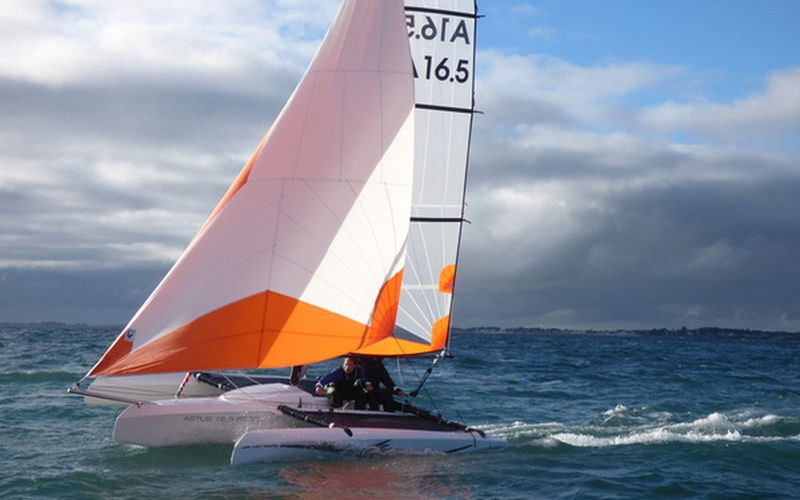
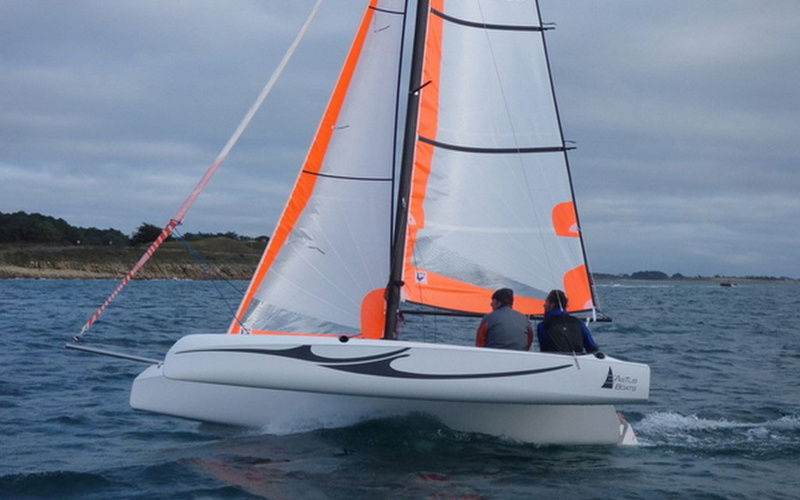
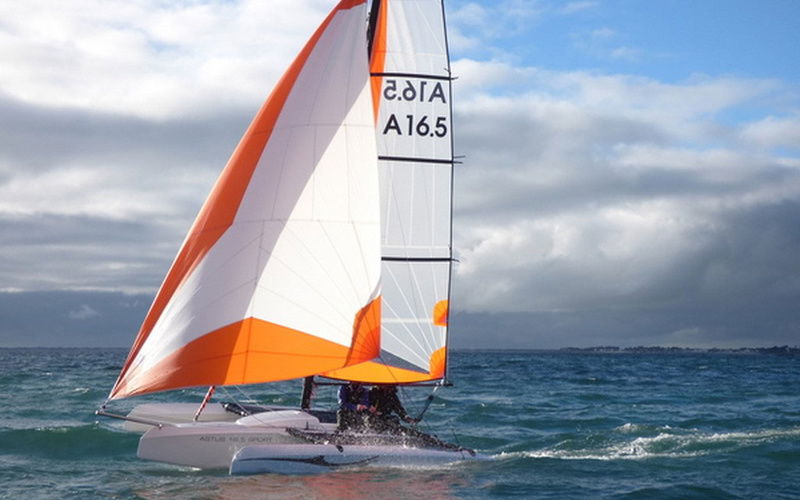
Images have been gathered from various sources and belong to their respective owners.
Review - Astus 16.5

MarineBroker
06/03/2024, 10:13 AM
2016 Astus 16.5: A Practical Guide to Getting the Most Out of This Compact Trimaran
If you’re looking at the 2016 Astus 16.5, chances are you already know it’s not your average small sailboat. This compact trimaran has a loyal following because it blends trailerability, simple handling, and surprisingly lively performance in a package that’s easy to launch and store. But like many sailors discover after the first few outings, owning a boat like this comes with a few real-world challenges: setup time, rig tuning, storage choices, and learning how to sail it efficiently without overcomplicating things.
That’s where a practical approach makes all the difference. The 2016 Astus 16.5 rewards owners who understand its strengths and work with its design rather than against it. Whether you’re new to trimarans or upgrading from a monohull, the biggest gains usually come from dialing in the basics—rigging, balance, sail trim, and maintenance. Once those pieces are sorted, this boat becomes much easier to enjoy and much more rewarding on the water.
In this guide, we’ll look at common issues owners face, how to solve them, and how to make the 2016 Astus 16.5 a more capable, enjoyable boat for day sailing, coastal trips, and weekend adventures.
- Why the 2016 Astus 16.5 Stands Out
The 2016 Astus 16.5 is appealing because it offers a lot of sailing fun in a relatively small, manageable platform. As a trimaran, it benefits from a wide beam when sailing, which helps with stability and gives it a lively, confident feel. At the same time, many owners appreciate that it can be trailered, launched, and stored without the logistical headaches that come with larger multihulls.
For the right sailor, that combination is hard to beat. It’s especially attractive if you want a boat that can be used on different bodies of water, from lakes to coastal bays, without needing a permanent slip.
What makes it especially interesting is the balance between simplicity and performance. You don’t need a huge crew to get it moving, and you don’t need advanced racing knowledge to enjoy it. But if you’re not familiar with trimaran sailing, the learning curve can feel a bit steep at first. That’s usually where frustration starts.
The good news is that most of the common problems are not design flaws. They’re usually setup issues, maintenance gaps, or technique problems that can be fixed with a little attention.
- Common Problems Owners Face with the 2016 Astus 16.5
Every boat has its quirks, and the 2016 Astus 16.5 is no exception. The most common challenges usually fall into a few categories:
1. Rigging and setup confusion
2. Difficulty getting the best performance from the sails
3. Trailering and launching logistics
4. Storage and maintenance concerns
5. Learning how to handle a trimaran in changing conditions
These issues can make the boat feel more complicated than it really is. In many cases, owners are not dealing with a “bad boat” but with a boat that needs a smarter routine.
For example, if the rig is not tuned properly, the boat may feel sluggish or harder to control. If the sails are not trimmed well, you may not get the performance you expected from a trimaran. And if you’re launching from a ramp that isn’t ideal, the whole experience can become more stressful than it should be.
The solution is to approach the boat systematically. Once you understand how the 2016 Astus 16.5 wants to be handled, the experience becomes much smoother.
- Getting the Setup Right from the Start
A big part of solving early frustration is simplifying the setup process. The 2016 Astus 16.5 is designed to be manageable, but that doesn’t mean you should rush through rigging.
Start with a repeatable checklist. That alone can save time and reduce mistakes.
A useful pre-sail checklist might include:
- Inspecting the mast, shrouds, and stays for wear
- Checking all pins, cotter rings, and fasteners
- Confirming the rudder and daggerboard or centerboard systems operate smoothly
- Verifying sail condition and battens
- Looking over sheets, blocks, and halyards for chafe
- Ensuring the trailer lights, tires, and winch are in good shape if trailering
When sailors skip these basics, small issues tend to become bigger ones. A loose fitting, a twisted line, or a worn block can affect both safety and performance.
If you’re new to the boat, spend one or two sessions just learning the rigging sequence without pressure to sail immediately. That investment pays off quickly. The more consistent your setup routine becomes, the more enjoyable the boat will feel.
- How to Improve Sailing Performance on the 2016 Astus 16.5
One of the biggest reasons people choose a trimaran is performance. But performance doesn’t happen automatically. It comes from balance, sail shape, and good helming.
The 2016 Astus 16.5 responds well to clean sail trim and proper weight placement. If the boat feels slow or unresponsive, the issue is often one of these:
- The sails are too loose or too tight
- The boat is overpowered in stronger wind
- Crew weight is not positioned effectively
- The daggerboard/centerboard is not optimized for the point of sail
- The helm is oversteering
A good starting point is to sail conservatively until you understand how the boat behaves in different conditions. Trimarans often feel more sensitive to correct trim than beginner sailors expect. Small adjustments can make a noticeable difference.
Here are a few practical tips:
- Keep the mainsail properly shaped rather than just “pulled tight”
- Ease the mainsheet slightly in gusts instead of fighting the helm
- Move crew weight to balance the boat and reduce drag
- Avoid excessive rudder angle; that creates resistance
- Use the right board position for upwind or downwind sailing
If you’re sailing in light air, smoothness matters more than aggression. In stronger wind, control and balance become the priority. The 2016 Astus 16.5 can be a very enjoyable boat when it’s sailed with finesse instead of force.
- The Real Trick to Easier Trailering and Launching
For many owners, the biggest challenge isn’t sailing—it’s getting the boat to and from the water. The 2016 Astus 16.5 is trailer-friendly, but only if your trailer setup and routine are dialed in.
A frustrating launch usually comes from avoidable issues like:
- Poor trailer maintenance
- Incorrect mast or mast support setup
- Loose gear inside the boat
- Unclear launching sequence
- Ramp conditions that don’t match the boat’s draft or beam
The solution is to make launching a process, not an improvisation.
A few habits help a lot:
- Practice rigging at home before going to the ramp
- Pack gear in labeled, easy-to-reach containers
- Keep the trailer bearings, tires, and winch maintained
- Use a written launch checklist
- Know which tasks can be done before arriving at the ramp
If possible, do as much preparation as you can in the parking area rather than at the waterline. That keeps the ramp clear and reduces stress.
Also, don’t underestimate the value of ramp familiarity. The same boat can feel easy at one ramp and awkward at another. Slope, wind direction, and water depth all matter. The more you understand your local launch spots, the smoother your outings will be.
- Maintenance That Prevents Bigger Problems
A boat like the 2016 Astus 16.5 doesn’t demand endless maintenance, but it does benefit from regular attention. The most common long-term issues on small multihulls usually come from UV exposure, saltwater wear, hardware fatigue, and neglected trailer care.
The smartest solution is prevention.
Focus on these areas:
- Rinse the boat after saltwater use
- Check moving parts for corrosion or stiffness
- Inspect sails for UV damage and stitching wear
- Look for cracks or stress marks around fittings
- Keep the trailer in good condition, not just the boat
- Store the boat under cover when possible
One of the easiest mistakes to make is treating the trailer as an afterthought. On a trailerable boat, the trailer is part of the system. If it fails, your sailing plans fail too. Check the tires, lights, bearings, and bunks regularly.
It also helps to look at the boat after each outing, not just before the next one. A five-minute inspection can catch a small issue early. That’s much better than discovering damage on the morning you planned to sail.
- Learning the Trimaran Feel
If you’re coming from a monohull, the 2016 Astus 16.5 may feel different in ways that surprise you. It’s often more stable at speed, but it can also feel more sensitive to trim and course changes. That’s normal.
A trimaran rewards smooth handling. Instead of forcing the boat through turns or overcorrecting at the helm, think in terms of anticipation and balance.
A few things to get used to:
- The boat may accelerate quickly once it’s powered up
- Heel behavior feels different from a monohull
- Small steering inputs are usually enough
- Wind shifts and gusts can have a bigger effect than expected
- Speed often comes from reducing drag, not increasing effort
If you’re learning, practice in moderate conditions first. Avoid trying to master everything in strong wind on day one. Build confidence in light to moderate air, then expand from there.
A helpful mindset is this: the boat is telling you what it wants. When it feels sticky, look at sail trim, board position, and helm angle before assuming something is wrong mechanically.
- Best Uses for the 2016 Astus 16.5
The 2016 Astus 16.5 works best for sailors who want flexibility. It’s a strong fit for:
- Day sailing
- Weekend trips
- Coastal exploring
- Sail training
- Family outings
- Club sailing
- Lake sailing with easy launching
It may not be the best choice if you want a large cruising platform with lots of interior space. But if your priorities are simplicity, transportability, and fun sailing, it makes a lot of sense.
The boat is especially appealing for sailors who want access to different waters without committing to a full-size keelboat. That mobility is a big part of its value.
- How to Decide if the 2016 Astus 16.5 Is Right for You
The best boat is the one that fits your real sailing habits, not just your wish list. The 2016 Astus 16.5 is a great option if you value:
- Easy transport
- Compact storage
- Stable multihull sailing
- A responsive, lively feel
- Lower logistical overhead than larger boats
It may be less ideal if you want standing headroom, big overnight comfort, or a boat that can carry lots of gear for extended cruising.
Before buying or committing to one, ask yourself:
- How often will I sail?
- Will I trailer it regularly?
- Do I have a good place to store it?
- Am I comfortable learning trimaran handling?
- Do I want performance more than interior space?
If your answers lean toward simplicity and versatility, this boat is worth serious consideration.
- Practical Ownership Tips That Make a Big Difference
A few small habits can dramatically improve ownership experience:
- Keep a boat log with notes on setup, wind conditions, and trim settings
- Photograph rigging before disassembly if you’re still learning
- Label lines and gear to speed up setup
- Replace worn hardware before it fails
- Store sails dry and out of direct sun
- Use a cover or shelter when the boat is parked for long periods
These may sound basic, but they save time and money. They also make the boat more enjoyable because you spend less energy solving the same problems over and over.
For many owners, the real breakthrough happens when the boat stops feeling like a project and starts feeling like a routine. That shift usually comes from organization, not expensive upgrades.
- Conclusion
The 2016 Astus 16.5 is a smart choice for sailors who want a compact trimaran that’s fun, practical, and capable when set up well. Most of the common frustrations—rigging confusion, performance issues, trailering stress, and maintenance concerns—can be solved with a consistent routine and a little knowledge. Once you simplify setup, tune the sails properly, and stay on top of maintenance, the boat becomes much easier to enjoy.
If you’re interested in the 2016 Astus 16.5, focus on learning the basics first. That approach will help you get more speed, more confidence, and more fun out of every outing. For anyone considering ownership or already getting familiar with the boat, a good checklist and a steady learning curve go a long way.
Specifications
General
Boat Type: Sail Boats
Class Type: Daysailer
Specifications
Length: 16.21
Beam: 12.47
Draft: 3.61
Hull Material: GRP
Build
First Built: 2016
Propulsion
Fuel Type: Unleaded
Engines: 1
Power: 0 HP
Brand: Unknown
Accomodation
PROS & CONS
What we appreciated
 Lightweight and easy to trailerGood stability and safety due to trimaran designSpacious cockpit for its sizeEasy to rig and sail, suitable for beginnersDurable construction with quality materials
What we didn’t appreciate
 Limited cabin space, not suitable for overnight staysPerformance can be affected in very light windsLimited storage capacityLess suitable for rough offshore conditionsMay require additional equipment for comfortable day sailing
Upkeep Costs
Fuel: Approximately $300-$600 per year depending on usage
Maintenance: Around $200-$400 annually for engine and hull upkeep
Insurance: Typically $150-$300 per year
Storage: $500-$1,200 annually depending on location and type
Registration and Licensing: $50-$150 per year

Rating
5.5
User
Score
Score
Driveability
Technology
Interior
Design
Similar Boats


MarineBroker
Download now for an immersive boat experience like never before! ⛵✨ Your journey begins with a simple click. 🌊📲
#SetSailSmart #DownloadNow
#SetSailSmart #DownloadNow

Subscribe
Copyright 2017 - 2026, Marinebroker.net, All Rights Reserved