Boat Type: Sail Boats
Boat Class: Cruiser
Length: 28.22 ft
Berths: 5
Cabins: 2
Bathrooms: 1
Max Persons: 5
1975 Bandholm 28: What to Check, What to Fix, and How to Enjoy a Classic Cruiser
If you’re looking at a 1975 Bandholm 28, chances are you already appreciate what older Scandinavian cruisers do best: solid build quality, sensible ...
Discover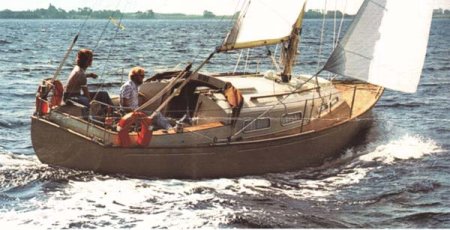
Images have been gathered from various sources and belong to their respective owners.
Review - Bandholm 28

MarineBroker
11/28/2023, 7:04 AM
1975 Bandholm 28: What to Check, What to Fix, and How to Enjoy a Classic Cruiser
If you’re looking at a 1975 Bandholm 28, chances are you already appreciate what older Scandinavian cruisers do best: solid build quality, sensible layouts, and a character that modern boats often can’t match. But owning or buying a classic like this also comes with a very real question: how do you tell a well-kept boat from one that’s hiding expensive problems?
That’s the main challenge with any vintage sailboat. The Bandholm 28 may look charming on the surface, but age brings its own list of issues—moisture intrusion, tired rigging, outdated systems, and wear in places you can’t always see right away. The good news is that most of these problems are manageable if you know where to look and what to prioritize.
This article walks through the most important things to inspect, the common trouble spots on a boat of this age, and practical ways to keep a 1975 Bandholm 28 safe, comfortable, and enjoyable. Whether you’re considering a purchase or already own one, a smart maintenance plan can make all the difference.
- Why the 1975 Bandholm 28 still appeals to sailors today
There’s a reason older Bandholm boats still come up in conversations among cruising sailors. They were built in an era when many boats were made with a strong emphasis on seakeeping, straightforward handling, and durability over flashy features.
The Bandholm 28 is typically appreciated for:
- A manageable size for coastal cruising
- A classic layout that feels practical rather than cramped
- Solid construction compared with many lightweight production boats from the same era
- A forgiving sailing profile that suits relaxed cruising
For many people, that combination makes the boat appealing even decades later. You’re not buying a brand-new, feature-packed cruiser. You’re buying a proven design with a lot of personality.
That said, age changes everything. A boat from 1975 can still be a great platform, but only if the structure, rig, and systems have been kept up properly.
- The real problem with a 1975 Bandholm 28: hidden age-related wear
The biggest issue with any classic boat is not usually one dramatic failure. It’s the accumulation of smaller problems over time.
On a 1975 Bandholm 28, the most common concerns tend to be:
- Moisture in the deck or hull structure
- Corrosion or fatigue in standing rigging and fittings
- Aging through-hulls, seacocks, and hoses
- Old electrical wiring
- Engine wear, especially if the boat has seen long periods of inactivity
- Cosmetic neglect that may point to deeper maintenance gaps
The tricky part is that older boats often “look fine” in photos or even on a dockside walkaround. But a boat can be attractive and still need significant work before it’s truly reliable.
So the real problem isn’t just age. It’s uncertainty. The goal is to reduce that uncertainty before you commit time, money, or trust to the boat.
- 1975 Bandholm 28: the first inspection checklist that matters most
If you’re evaluating a 1975 Bandholm 28, start with the basics. A careful inspection can save you from expensive surprises later.
Here’s where to focus first:
1. Hull and deck condition
Look for cracks, stress marks, blistering, soft spots, or signs of past repairs. Pay extra attention around chainplates, stanchions, hatches, and the mast step.
2. Moisture and rot
Older boats can trap water in deck cores, bulkheads, and joinery. Press around suspicious areas and check for sponginess, discoloration, or a musty smell.
3. Keel and keel bolts
Inspect the keel joint for movement, rust staining, or any sign of leaks. If possible, get a professional to check keel bolts and structural attachments.
4. Rigging
Standing rigging has a lifespan, even if it looks okay. If the age of the shrouds and stays is unknown, assume they may need replacement.
5. Engine and fuel system
A reliable engine is essential for docking and safety. Check for leaks, smoke, corrosion, fuel odor, and service history.
6. Electrical system
Old wiring can be a hidden headache. Look for amateur repairs, brittle insulation, undersized wiring, and outdated panels.
A boat with a few cosmetic flaws is not automatically a bad buy. A boat with structural issues, however, can become a money pit quickly.
- Common problem areas on a classic cruiser like the Bandholm 28
Older Scandinavian cruisers are often well built, but time does not spare any boat. The 1975 Bandholm 28 tends to benefit from a close look at the following areas.
- Deck leaks
Water intrusion is one of the most common issues on older sailboats. It often enters through deck hardware, hatches, windows, or mast partners and can slowly damage the structure beneath.
- Chainplate and mast support areas
These are high-load points, so any weakness here deserves immediate attention. Rust stains, movement, or soft surrounding material should not be ignored.
- Interior joinery
The interior may look charming, but hidden dampness can weaken cabinetry, bulkheads, and structural supports. What seems like “just old wood” may actually be a sign of water damage.
- Rudder and steering gear
Check for play, unusual resistance, cracks, or corrosion. Steering issues are not something to postpone.
- Through-hulls and plumbing
Any fitting below the waterline should be treated seriously if it’s original or very old. A failed seacock is not a small problem.
- Fuel tank condition
Older fuel tanks can corrode internally or collect contamination. If the boat has sat unused, fuel quality becomes even more important.
These are not deal-breakers by themselves, but they should shape your buying or refit decisions.
- How to tell whether the boat has been cared for properly
One of the best ways to judge a classic boat is not by its age, but by its maintenance history.
A well-kept 1975 Bandholm 28 usually shows some clear signs:
- Receipts or records for major work
- Updated rigging or sails
- Clean bilges and dry lockers
- Functional electrical systems without messy modifications
- Fresh sealant around fittings
- Evidence of regular seasonal maintenance
By contrast, a boat that has been neglected often shows a pattern:
- Multiple small leaks
- Rust around fittings
- Outdated or unsafe electrical work
- Dirty bilges and stale odors
- Loose hardware
- “Temporary” repairs that were never properly finished
A clean boat is not always a good boat, but a messy boat is often a warning sign. In classic boat ownership, consistency matters.
- Practical solution: create a priority-based refit plan
If you already own a 1975 Bandholm 28 or you’re thinking about buying one, the best solution is not trying to fix everything at once. That usually leads to overwhelm and wasted money.
Instead, break the work into priorities:
- Safety first
- Structural integrity second
- Reliability third
- Comfort and cosmetics last
That order keeps the boat seaworthy while you improve it over time.
Here’s a practical refit approach:
- Phase 1: Safety
- Replace expired flares, lifejackets, and fire extinguishers
- Inspect and update bilge pumps
- Replace questionable hoses and clamps
- Service or replace seacocks
- Check navigation lights
- Phase 2: Seaworthiness
- Inspect rigging
- Check chainplates and mast support
- Repair leaks
- Address any deck softness or structural concerns
- Service the engine
- Phase 3: Reliability
- Update wiring where needed
- Replace old battery banks
- Improve charging systems
- Refresh fuel lines and filters
- Modernize basic instrumentation if necessary
- Phase 4: Comfort
- Upholstery
- Cabin lighting
- Storage improvements
- Ventilation upgrades
- Cosmetic woodwork
This approach keeps the boat usable while preventing the common trap of spending too much on appearance before the fundamentals are sorted.
- 1975 Bandholm 28 and the importance of a survey
If you’re buying, a survey is one of the smartest investments you can make. A good marine surveyor can identify issues that are easy to miss, especially in a boat this age.
A survey is especially useful for checking:
- Moisture levels in the deck and hull
- Structural integrity
- Rigging condition
- Engine health
- Safety equipment
- Evidence of grounding or collision damage
Even if the seller seems knowledgeable, a survey gives you an objective picture. That matters because classic boats often have a mix of original components and later modifications. Some of those changes are helpful. Others are just patchwork.
A survey can also help you negotiate realistically. If the boat needs rigging, wiring, and plumbing work, that should affect the price.
- What upgrades usually make the biggest difference
Not every upgrade gives equal value. On a 1975 Bandholm 28, some improvements are much more worthwhile than others.
The most practical upgrades usually include:
- New standing rigging if age is unknown
- Reliable bilge pumping setup
- Updated battery and charging system
- LED navigation and cabin lights
- Fresh hoses and clamps
- Modern VHF radio
- Better ventilation to reduce condensation
- New sails if the current set is tired
These upgrades improve safety and comfort without changing the boat’s character.
On the other hand, expensive cosmetic upgrades may look nice but won’t matter much if the core systems are still weak. It’s usually better to make the boat dependable first, then polish the details later.
- Sailing and handling: why the Bandholm 28 can still be enjoyable
A classic boat is not just about maintenance. It’s also about how it feels underway. The 1975 Bandholm 28 appeals to many sailors because it offers a more traditional cruising experience.
Depending on the condition of the rig and sails, you can expect a boat like this to be:
- Predictable and steady
- Comfortable for relaxed coastal cruising
- Manageable for a small crew
- Capable of rewarding, uncomplicated sailing
That kind of sailing is appealing to people who value character over speed. It’s less about chasing performance numbers and more about enjoying the rhythm of the water.
Of course, old sails, stretched lines, or a tired rig can make any boat feel heavy and frustrating. That’s why maintenance has such a direct effect on the sailing experience.
A well-sorted classic cruiser often feels much better than a neglected newer boat.
- Budgeting realistically for ownership
One of the biggest mistakes buyers make is assuming the purchase price is the main cost. With a boat like the 1975 Bandholm 28, the real cost often comes afterward.
A sensible budget should include:
- Survey and haul-out costs
- Immediate safety work
- Rigging replacement if needed
- Engine servicing or repair
- Electrical updates
- Mooring, insurance, and winter storage
- Ongoing maintenance materials
If the boat is priced low but needs major work, that can still be a good deal. But only if you go in with open eyes.
A simple rule helps: if you can’t afford the boat plus a meaningful maintenance reserve, it may not be the right boat yet.
- Who the 1975 Bandholm 28 suits best
This boat is not for everyone, and that’s okay. It tends to suit sailors who:
- Enjoy classic boats and traditional styling
- Don’t mind hands-on maintenance
- Want a manageable cruising size
- Value seaworthiness and practicality
- Prefer gradual improvement over instant perfection
It may be less ideal for someone who wants a turnkey, low-maintenance boat with modern systems everywhere. But for someone who enjoys the process of restoring and caring for a classic cruiser, it can be very rewarding.
The key is entering ownership with realistic expectations. A vintage boat gives back a lot, but it asks for attention in return.
- How to enjoy a classic boat without getting buried in repairs
This is where a lot of owners struggle. They buy a classic boat, discover a list of issues, and suddenly the fun disappears.
To avoid that, keep the project manageable:
- Make a list of must-fix items versus nice-to-have upgrades
- Focus on one system at a time
- Keep records of what’s been done
- Test improvements before moving on
- Sail the boat between projects when possible
That last point matters more than people think. A boat should still be enjoyed while it’s being improved. If you wait until every detail is perfect, you may never get out on the water.
A classic like the 1975 Bandholm 28 is often most satisfying when treated as a living project, not a museum piece.
- Conclusion
The 1975 Bandholm 28 can be a very rewarding classic cruiser, but the key is knowing what you’re getting into. Age brings common issues like leaks, worn rigging, outdated systems, and hidden structural wear, yet most of these can be handled with a sensible plan.
If you focus first on safety, structure, and reliability, you’ll have a much better chance of enjoying the boat instead of constantly repairing it. A careful inspection, a realistic budget, and a phased maintenance approach are usually the best solution.
For people who appreciate traditional boats, the Bandholm 28 offers plenty of charm and practical cruising potential. Take your time, inspect carefully, and prioritize the essentials. That’s the smartest way to make a classic boat feel like a great boat.
Specifications
General
Boat Type: Sail Boats
Class Type: Cruiser
Specifications
Length: 28.22
Beam: 9.19
Draft: 4.92
Hull Material: GRP
Build
First Built: 1975
Propulsion
Fuel Type: Diesel
Engines: 1
Power: 21 HP
Brand: Nanni
Accomodation
Berths: 5
Cabins: 2
Bathrooms: 1
PROS & CONS
What we appreciated
 Classic and timeless design with traditional Danish craftsmanshipSturdy wooden construction providing durability and a solid feelSpacious interior for a 28-foot boat, suitable for extended cruisingGood sailing performance with a well-balanced hullStrong community and support network among Bandholm owners
What we didn’t appreciate
 Older boat may require significant maintenance and refurbishmentWooden hull is prone to rot and requires regular upkeepOutdated systems and equipment compared to modern boatsLimited availability of replacement parts specific to Bandholm modelsHeavier weight can result in less speed and agility compared to modern fiberglass boats
Upkeep Costs
Fuel: Approximately $1,200 - $2,000 per year depending on usage
Maintenance and Repairs: Around $1,000 - $2,500 annually
Insurance: Approximately $300 - $600 per year
Storage and Mooring: $500 - $1,500 annually depending on location
Registration and Taxes: $100 - $300 per year

Rating
5.3
User
Score
Score
Driveability
Technology
Interior
Design
Similar Boats


MarineBroker
Download now for an immersive boat experience like never before! ⛵✨ Your journey begins with a simple click. 🌊📲
#SetSailSmart #DownloadNow
#SetSailSmart #DownloadNow

Subscribe
Copyright 2017 - 2026, Marinebroker.net, All Rights Reserved