Boat Type: Sail Boats
Boat Class: Cruiser
Length: 37.57 ft
Berths: 6
Cabins: 3
Bathrooms: 1
Max Persons: 6
2010 Bavaria 38 Cruiser: What Buyers and Owners Should Know Before They Sail
If you’re looking at a 2010 Bavaria 38 Cruiser, you’re probably already drawn to the same things most sailors are: a roomy interior, easy handling, and ...
Discover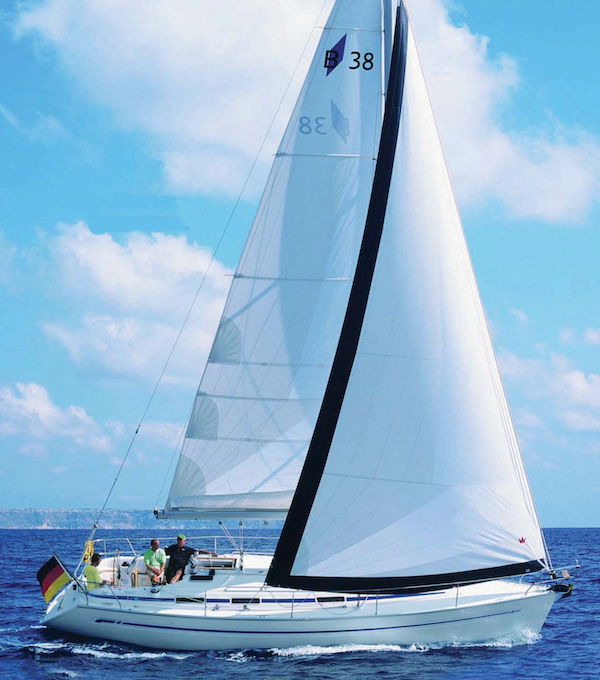
Images have been gathered from various sources and belong to their respective owners.
Latest Market Trends (Latest Available Year Model)
Price: $111,201
Review - Bavaria 38 Cruiser

MarineBroker
11/22/2023, 6:39 AM
2010 Bavaria 38 Cruiser: What Buyers and Owners Should Know Before They Sail
If you’re looking at a 2010 Bavaria 38 Cruiser, you’re probably already drawn to the same things most sailors are: a roomy interior, easy handling, and the idea of a comfortable cruiser that can still put in serious miles. The challenge is that a boat like this sits in an interesting sweet spot. It’s old enough that condition matters a lot more than brochure specs, but new enough that a well-kept example can still be a very smart buy.
That’s where many people get stuck. They find a boat that looks good online, but they’re not sure what to check, what problems are common, or how to tell whether the boat has been maintained properly. And with a 38-foot cruiser, even small issues can turn into expensive surprises if they’re ignored.
The good news is that most of the risks around a 2010 Bavaria 38 Cruiser are manageable if you know where to look. With the right inspection approach, a realistic maintenance plan, and a clear understanding of the boat’s strengths and weak points, you can make a much better buying decision and enjoy the boat with fewer headaches.
- Why the 2010 Bavaria 38 Cruiser Still Gets Attention
The Bavaria 38 Cruiser has long been popular with private owners, charter fleets, and sailors who want a practical cruising yacht without jumping into full luxury pricing. The 2010 version sits in a generation that many buyers like because it offers a modern layout, decent performance, and a straightforward sailing experience.
For many people, this model checks several boxes:
- Comfortable accommodations for family cruising
- Easy-to-manage sail plan
- Good cockpit space for relaxing underway or at anchor
- Reliable build style for coastal and offshore use
- Strong used-boat value compared with newer cruisers
The reason it remains interesting today is simple: it offers a lot of boat for the money. But that also means buyers need to be careful. A well-maintained Bavaria 38 Cruiser can be a great purchase, while a neglected one can become a long list of repairs.
- The Main Problem Buyers Face with a 2010 Bavaria 38 Cruiser
The biggest issue is not usually one single defect. It’s uncertainty.
A 2010 sailboat has had enough years on the water that wear and tear can hide in plain sight. The boat may look clean on deck and polished below, but the real condition often depends on how it was used, stored, and serviced.
Common buyer concerns include:
- Hidden structural moisture
- Aging standing and running rigging
- Worn sails
- Engine maintenance history gaps
- Electrical upgrades done poorly
- Deck hardware leaks
- Charter wear if the boat spent time in a fleet
In other words, the challenge is not finding a 2010 Bavaria 38 Cruiser. The challenge is finding a good one.
- What Makes the 2010 Bavaria 38 Cruiser a Practical Cruiser
Before getting into the problem areas, it helps to understand why this boat is so appealing in the first place. Bavaria designed this model to be user-friendly, which matters a lot if you sail short-handed or with family.
Some of the practical strengths include:
- A wide beam that creates a spacious salon and aft cabins
- A layout that works well for cruising couples or small families
- Balanced sailing characteristics that are forgiving for less-experienced crews
- Good cockpit ergonomics for relaxed day sailing and longer passages
- Generally sensible systems access compared with some competitors
For many owners, the boat is attractive because it feels like a “real” cruising yacht without becoming hard to handle. That makes it especially appealing for sailors moving up from smaller boats.
- 2010 Bavaria 38 Cruiser: Key Areas to Inspect Before Buying
If you’re evaluating a 2010 Bavaria 38 Cruiser, the inspection should go beyond cosmetics. A detailed survey is the best way to avoid expensive surprises later.
- Hull and Deck Condition
Start with the basics: look closely at the hull, deck, and all visible fittings. Check for:
- Cracks around chainplates, stanchions, and winches
- Soft spots in the deck
- Signs of water intrusion around hatches and ports
- Blisters or cosmetic gelcoat damage
- Evidence of collision repairs
A boat can appear clean while still having leaks around deck hardware. On older cruisers, water intrusion is one of the most common hidden issues, and it can affect both structure and interior finish.
- Keel and Rudder
The keel attachment area should be inspected carefully. Look for:
- Rust stains or signs of movement
- Fairing cracks around the keel joint
- Any evidence of grounding
- Rudder play or vibration
The rudder should turn smoothly without excessive looseness. If it feels sloppy, that can point to bearing wear or long-term stress.
- Engine and Mechanical Systems
The engine is one of the most important parts of the boat’s value. On a 2010 Bavaria 38 Cruiser, service history matters a lot.
Check for:
- Regular oil and filter changes
- Cooling system maintenance
- Belt and hose condition
- Fuel system cleanliness
- Any signs of overheating
- Hour meter consistency with the boat’s overall condition
If the engine has been neglected, repairs can become costly fast. Even a reliable diesel can turn into a headache if the basics were ignored.
- Rigging and Sails
By 2010, many boats of this age may still have original or near-original rigging components. That’s not automatically bad, but it does mean you should inspect carefully.
Pay attention to:
- Standing rigging age and service records
- Chainplates and mast step condition
- Running rigging wear
- Sail cloth condition, especially UV damage and stretching
- Winch operation and line routing
If the sails are tired, the boat may still be seaworthy, but performance will suffer. On a cruiser, that often means more engine use and less enjoyable sailing.
- Electrical and Electronics
Electrical systems are another common pain point on older boats. Many boats have had owner-installed upgrades over the years, and not all of them are neat or safe.
Look for:
- Clean wiring and labeled circuits
- Properly fused connections
- Battery age and charging system health
- Shore power safety
- Corrosion in panels or connectors
- Functioning navigation electronics
A messy electrical system can be a sign of broader maintenance neglect. It’s worth having this checked by a marine electrician if there’s any doubt.
- Common Issues on a 2010 Bavaria 38 Cruiser
No boat is perfect, and the 2010 Bavaria 38 Cruiser has a few areas that deserve special attention. These are not deal-breakers, but they are common enough that buyers should know them.
- Deck Leaks
Like many production cruisers, deck hardware sealant can age and begin to fail. Once water gets in, it can travel far from the original leak point.
Signs include:
- Staining around fittings
- Damp headliners
- Musty smells
- Soft interior panels
- Water marks near bulkheads
The practical solution is not just resealing visible leaks. It’s tracing the source properly and checking for any hidden damage.
- Aging Upholstery and Interior Wear
If the boat spent time in charter or had heavy family use, the interior may show wear even if the structure is sound.
Typical signs:
- Worn cushions
- Loose trim
- Cabinet latch issues
- Faded fabrics
- Broken hinges or drawer runners
These are usually manageable, but they affect comfort and resale value.
- Propulsion and Drivetrain Wear
Shaft, propeller, and drivetrain issues can show up gradually. Vibration, noise, or reduced thrust should never be ignored.
Possible causes:
- Propeller damage
- Shaft misalignment
- Worn cutless bearing
- Fouling
- Engine mount wear
A smooth-running drivetrain is one of the easiest ways to tell whether a boat has been cared for properly.
- Older Safety Gear
Safety equipment often gets overlooked on used boats. A 2010 yacht may still have gear onboard, but that doesn’t mean it’s current or serviceable.
Check:
- Life raft service dates
- Fire extinguishers
- Flare expiration
- Gas system condition
- Bilge pump operation
- Lifelines and jacklines
This is one of those areas where the boat may technically “have” equipment, but still need a full safety refresh.
- How to Judge Whether the Boat Has Been Well Maintained
Maintenance history is often more important than model year. A well-kept 2010 Bavaria 38 Cruiser can be a better buy than a newer boat with poor records.
Here’s what to ask for:
- Service invoices
- Engine maintenance logs
- Rigging replacement dates
- Sail purchase dates
- Winter storage or haul-out records
- Any survey reports from previous sales
- Records of upgrades or repairs
If the owner can’t produce documents, that doesn’t automatically mean the boat is bad. But it does mean you should be more cautious and inspect more thoroughly.
A good sign is consistency. When the same owner has kept records over several years, it usually indicates a more disciplined approach to upkeep.
- The Best Solution: A Smart Buying and Ownership Strategy
The practical solution to buying a 2010 Bavaria 38 Cruiser is not complicated, but it does require discipline.
- Step 1: Get a Proper Survey
A professional marine survey is essential. Ideally, this includes:
- Hull and deck inspection
- Moisture testing where appropriate
- Rigging assessment
- Engine evaluation
- Sea trial
- Electrical check
If the surveyor finds issues, use that information to negotiate or walk away. That’s exactly what the survey is for.
- Step 2: Budget for Immediate Upgrades
Even a good used boat usually needs a few things right away. Plan for:
- Fresh safety gear
- New fluids and filters
- Potential battery replacement
- Seacock inspection
- Hose and clamp replacement if needed
- Cleaning and detailing
- Minor cosmetic fixes
A smart buyer doesn’t spend every dollar on the purchase price. Leave room for the first season of ownership.
- Step 3: Prioritize the “Invisible” Systems
It’s tempting to focus on cushions, teak, and shiny hardware. But the hidden systems matter more.
Put your attention on:
- Engine reliability
- Rigging condition
- Electrical safety
- Water intrusion
- Steering and keel integrity
These are the areas that determine whether the boat is enjoyable or frustrating.
- Step 4: Plan Preventive Maintenance Early
Once you own the boat, set up a simple maintenance schedule. That alone can save a lot of money over time.
Useful routine tasks include:
- Monthly engine checks
- Seasonal rig inspection
- Bilge cleaning
- Battery testing
- Winch servicing
- Leak checks after heavy rain or sail use
- Annual haul-out inspection
Preventive maintenance is much cheaper than reactive repairs.
- Is the 2010 Bavaria 38 Cruiser Good for Family Cruising?
Yes, in many cases it is. The boat’s layout and handling make it appealing for family use, especially if you want a cruiser that feels roomy without being overwhelming.
Why families like it:
- Comfortable sleeping arrangements
- Easy movement in the cockpit
- Manageable sail handling
- Good visibility from the helm
- Enough space for longer weekends or extended trips
That said, family cruising also means the boat will be used hard. More people onboard usually means more wear on upholstery, plumbing, galley fixtures, and interior hardware.
If you’re buying for family use, focus on durability and simplicity over cosmetic perfection.
- What Kind of Buyer Is This Boat Best For?
The 2010 Bavaria 38 Cruiser tends to suit sailors who want a practical, comfortable cruiser rather than a race boat or a luxury yacht.
It’s a good fit for:
- Coastal cruisers
- Couples who sail with occasional guests
- Families wanting a manageable 38-footer
- Buyers moving up from smaller sailboats
- Owners who value space and ease of use
It may be less ideal for someone looking for a highly performance-oriented sailing experience or a boat with premium custom finishes.
- Tips for Negotiating a Fair Price
Because condition varies so much, pricing should reflect actual state, not just the model name.
Use these points during negotiation:
- Age of standing rigging
- Sail replacement needs
- Engine service gaps
- Evidence of leaks or repairs
- Electronics age
- Cosmetic wear
- Survey findings
If the boat needs major work, don’t be afraid to adjust your offer. Used sailboats are rarely “turnkey” in the strict sense, and that’s okay as long as the price reflects reality.
- Final Thoughts on Long-Term Ownership
A 2010 Bavaria 38 Cruiser can be a very satisfying boat if you choose carefully and maintain it well. Its main appeal is the balance it offers: enough comfort for cruising, enough simplicity for practical ownership, and enough performance to make sailing enjoyable rather than stressful.
The key is to treat the purchase like a systems check, not a style contest. Boats that look great on the surface can hide expensive issues, while a well-documented example with honest wear may be a much better value.
- Conclusion
The 2010 Bavaria 38 Cruiser remains a popular choice for sailors who want a spacious, capable cruiser with a friendly layout and manageable handling. But like any used boat of this age, the real value depends on condition, maintenance history, and careful inspection. If you focus on the important systems—rigging, engine, deck integrity, and electrical health—you’ll be in a much stronger position to buy wisely and enjoy the boat with fewer surprises. A thorough survey, a realistic budget, and a solid maintenance plan are the best tools you have. If you’re serious about this model, take the time to inspect well and compare notes with other owners or marine professionals before deciding.
Specifications
General
Boat Type: Sail Boats
Class Type: Cruiser
Specifications
Length: 37.57
Beam: 12.8
Draft: 6.4
Hull Material: GRP
Build
First Built: 2010
Propulsion
Fuel Type: Diesel
Engines: 1
Power: 27 HP
Brand: Volvo Penta
Accomodation
Berths: 6
Cabins: 3
Bathrooms: 1
PROS & CONS
What we appreciated
 Spacious and comfortable interior suitable for cruisingGood build quality with solid German engineeringEfficient use of space with practical layoutReliable and economical Volvo Penta engine optionsWell-balanced sailing performance for a cruiser
What we didn’t appreciate
 Older model, may require updates to electronics and interiorLimited storage compared to larger cruisersNot designed for high-performance sailingEngine access can be somewhat restrictedHigher maintenance costs typical for European builds
Upkeep Costs
Annual insurance: $800 - $1,500
Docking and mooring fees: $1,200 - $3,600 per year
Maintenance and repairs: $1,500 - $3,000 per year
Fuel costs: $500 - $1,200 per year
Winter storage and haul-out: $500 - $1,500 per year

Rating
7.2
User
Score
Score
Driveability
Technology
Interior
Design
Similar Boats


MarineBroker
Download now for an immersive boat experience like never before! ⛵✨ Your journey begins with a simple click. 🌊📲
#SetSailSmart #DownloadNow
#SetSailSmart #DownloadNow

Subscribe
Copyright 2017 - 2026, Marinebroker.net, All Rights Reserved