Boat Database » Amsterdamsche Scheepwerf G. de Vries Lentsch Jr Istros
Amsterdamsche Scheepwerf G. de Vries Lentsch Jr Istros
Inboard Direct-Drive, Diesel, 2x 570 HP
Sail Boats 1954 Amsterdamsche Scheepwerf G. de Vries Lentsch Jr Istros: What Makes This Classic Yacht So Special?
If you’ve come across the name 1954 Amsterdamsche Scheepwerf G. de Vries Lentsch Jr Istros, chances are you’re already interes...
Discover
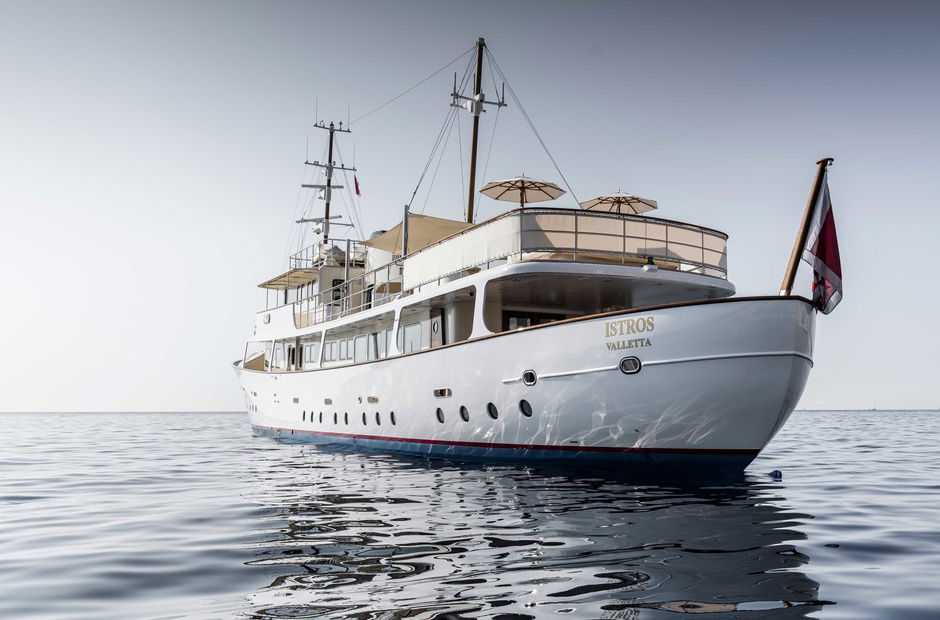
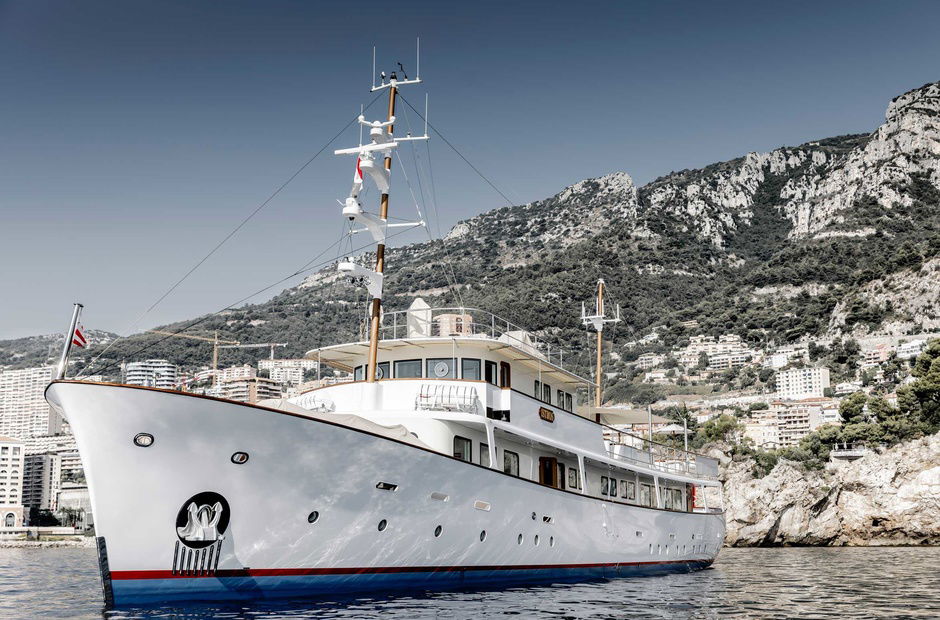

Images have been gathered from various sources and belong to their respective owners.
Review - Amsterdamsche Scheepwerf G. de Vries Lentsch Jr Istros

MarineBroker
03/14/2024, 12:33 PM
1954 Amsterdamsche Scheepwerf G. de Vries Lentsch Jr Istros: What Makes This Classic Yacht So Special?
If you’ve come across the name 1954 Amsterdamsche Scheepwerf G. de Vries Lentsch Jr Istros, chances are you’re already interested in classic yachts, Dutch shipbuilding, or the kind of craftsmanship that simply doesn’t exist in the same way anymore. And if you’re like many enthusiasts, the challenge is not just admiring a vessel like this one, but understanding what makes it important, how to evaluate it, and what to look for if you’re researching, restoring, or considering ownership.
Classic yachts can be tricky. Their value isn’t only in age or looks. It’s in provenance, design heritage, materials, maintenance history, and whether the vessel still reflects the original builder’s standards. That’s where a yacht like the 1954 Amsterdamsche Scheepwerf G. de Vries Lentsch Jr Istros becomes especially interesting. It represents a period when Dutch yacht building was known for precision, elegance, and seaworthiness.
In this article, we’ll look at what makes this yacht notable, the common problems buyers and enthusiasts face when assessing a classic vessel, and practical ways to approach research, restoration, and preservation with confidence.
- Understanding the Heritage of 1954 Amsterdamsche Scheepwerf G. de Vries Lentsch Jr Istros
The name itself tells you a lot. Amsterdamsche Scheepwerf refers to a Dutch shipyard tradition rooted in craftsmanship and maritime expertise. G. de Vries Lentsch Jr is associated with a respected line of naval architecture and yacht design, known for refined lines and practical offshore capability.
By 1954, yacht building had already developed a strong identity in Europe, especially in the Netherlands. Builders were balancing beauty with function, creating boats that could handle real cruising conditions while still looking graceful in the water. That combination is one reason classic yachts from this era still attract attention today.
The Istros is part of that story. For enthusiasts, a yacht like this is not just a vessel; it’s a floating example of design history. If you’re researching it, the goal is usually to answer a few key questions:
- What is the yacht’s original design intent?
- How much of the vessel remains authentic?
- What condition is it in now?
- What are the realistic costs and challenges of ownership or restoration?
Those questions matter because classic yachts are often misunderstood. People may focus on the romance of ownership and overlook the practical side. But with the right approach, the romance and the reality can work together.
- Why Classic Yacht Enthusiasts Struggle with Research and Evaluation
One of the biggest problems people face when looking into a yacht like the 1954 Amsterdamsche Scheepwerf G. de Vries Lentsch Jr Istros is incomplete information. Classic yachts often have fragmented records, especially if they changed hands several times, underwent refits, or spent years in different cruising regions.
That can make it hard to separate original features from later modifications. And for serious enthusiasts, that distinction is important.
Common research challenges include:
- Missing build records or incomplete documentation
- Confusion about original materials and later replacements
- Unclear ownership history
- Uncertainty around restoration quality
- Difficulty comparing one classic yacht to another
There’s also the emotional side. People fall in love with the look of a classic yacht and assume it will be straightforward to maintain. In reality, older vessels can require specialized knowledge, custom parts, and a maintenance mindset that differs from modern production boats.
The practical solution is to approach the yacht like a historian and a surveyor at the same time. That means verifying facts, inspecting structure, and understanding how the boat has aged.
- What Makes the 1954 Amsterdamsche Scheepwerf G. de Vries Lentsch Jr Istros Worth Studying
A yacht earns attention for more than just age. The 1954 Amsterdamsche Scheepwerf G. de Vries Lentsch Jr Istros is worth studying because it likely reflects several qualities that classic yacht lovers value highly.
These often include:
- Elegant proportions and traditional lines
- Strong Dutch craftsmanship
- A design philosophy focused on seaworthiness
- Materials and detailing that reflect mid-century standards
- Historical significance tied to a recognized builder and designer
Classic yacht enthusiasts are often drawn to vessels that still feel “alive” in their design. That means the boat has presence. It may have a teak deck, a warm interior, a purposeful hull shape, and details that feel handcrafted rather than mass-produced.
A yacht from this era may also appeal because it bridges two worlds: it can be a collectible object and a working cruising boat. That makes it more interesting than a static museum piece. But it also means owners need to think carefully about how they plan to use it.
If you want to preserve value, the key is not just keeping it afloat. It’s preserving the character that made it special in the first place.
- How to Judge Condition Without Getting Overwhelmed
When people first inspect a classic yacht, they often don’t know where to begin. The hull looks beautiful, the varnish shines, and the interior may seem inviting. But the true condition of a vessel like the 1954 Amsterdamsche Scheepwerf G. de Vries Lentsch Jr Istros is usually hidden beneath the surface.
A smart evaluation should focus on structure, systems, and authenticity.
Here’s a practical checklist:
1. Hull and structure
Look for signs of rot, corrosion, delamination, or previous repairs. A classic wooden yacht, for example, may have beautiful visible surfaces but hidden structural concerns.
2. Deck and fastenings
Soft spots, leaks, and loose fittings can indicate aging materials or poor maintenance.
3. Engine and mechanical systems
Older yachts may have been repowered or heavily modified. Make sure the current machinery is serviceable and documented.
4. Electrical and plumbing systems
These are often updated over time, but older installations may not meet modern safety expectations.
5. Interior condition
Check whether the interior is original, sympathetically refitted, or heavily altered.
6. Documentation
Look for surveys, refit records, registration papers, photographs, and ownership history.
The most important thing is not to rush. A classic yacht can look ready for the water while still needing significant work. If you’re serious about the vessel, bring in a marine surveyor with classic yacht experience. That one step can save a lot of money and stress.
- Restoration vs Preservation: Choosing the Right Path
A major decision with any classic yacht is whether to restore it fully or preserve it in its current state. For the 1954 Amsterdamsche Scheepwerf G. de Vries Lentsch Jr Istros, the right answer depends on condition, originality, budget, and intended use.
Restoration means bringing the yacht back closer to a previous or original standard. Preservation means stabilizing and maintaining what exists, while respecting age and authenticity.
Here’s how to think about it:
- Choose restoration if the yacht has lost major elements, has significant damage, or needs structural renewal.
- Choose preservation if the vessel is largely intact and you want to protect originality.
- Choose a mixed approach if some systems need modernization but the overall character should remain untouched.
A common mistake is over-restoring. That can erase patina, originality, and historical value. On the other hand, under-maintaining a classic yacht can allow small issues to become major structural problems.
A good solution is to define your goal early:
- Do you want a showpiece?
- A family cruiser?
- A historically respectful refit?
- A long-term preservation project?
Once that’s clear, every decision becomes easier. You can choose materials, finishes, and systems that match the boat’s real purpose.
- Practical Maintenance Tips for Owners and Enthusiasts
Whether you own the 1954 Amsterdamsche Scheepwerf G. de Vries Lentsch Jr Istros or are simply studying it, maintenance is where classic yachts either thrive or decline. The good news is that consistent care often matters more than dramatic repairs.
Useful maintenance habits include:
- Inspect the vessel regularly, especially after seasonal changes
- Keep bilges dry and clean
- Monitor moisture levels in wood structures
- Service the engine and mechanical systems on schedule
- Protect varnished surfaces from UV and salt exposure
- Use breathable covers and proper ventilation
- Address small leaks immediately
- Document every repair and upgrade
For wooden or mixed-material classic yachts, moisture control is especially important. Water intrusion can travel far beyond the visible damage. That’s why seasonal checks and professional inspections are so valuable.
It also helps to build a relationship with specialists. Classic yacht yards, traditional shipwrights, and marine engineers who understand older vessels can make a huge difference. Modern boat service centers may not always have the right experience for vintage construction.
A practical rule: if a repair affects structure, authenticity, or safety, don’t guess. Get expert advice.
- How to Research Provenance and Ownership History
Provenance matters a lot with a classic yacht. The story behind the 1954 Amsterdamsche Scheepwerf G. de Vries Lentsch Jr Istros can influence both its historical interest and its perceived value.
To research provenance, start with the basics:
- Registration records
- Previous bills of sale
- Survey reports
- Yard or builder references
- Photographs from earlier decades
- Magazine features or regatta records
- Personal logs and cruising records
Even partial records can help build a timeline. You may discover where the yacht was originally commissioned, how it was used, and whether it underwent major refits.
This matters because two yachts from the same era can have very different identities. One may be heavily modified and another may remain close to original. That difference can affect everything from maintenance strategy to market appeal.
If records are limited, don’t panic. Many classic yacht owners rely on detective work. Look at construction details, hardware styles, joinery, and signifiers of different eras of refit. A knowledgeable surveyor or historian may be able to help interpret what you’re seeing.
- The Role of Design Heritage in Long-Term Value
People sometimes think value comes only from rarity, but in classic yachts, design heritage is just as important. The 1954 Amsterdamsche Scheepwerf G. de Vries Lentsch Jr Istros has appeal because it likely reflects a respected design lineage and a strong shipbuilding tradition.
That heritage can support long-term value in a few ways:
- It makes the yacht more interesting to collectors
- It helps justify careful restoration
- It adds credibility to the vessel’s historical story
- It can increase desirability among classic yacht communities
But heritage only helps if the yacht remains well cared for. A historically important vessel that is neglected loses both charm and practical value. By contrast, a yacht that is sympathetically maintained can become more attractive over time.
That’s why documentation, condition, and authenticity all matter together. The best classic yachts are not just old. They are understandable, traceable, and cared for with respect.
- Common Mistakes to Avoid When Dealing with Classic Yachts
If you’re exploring a yacht like the 1954 Amsterdamsche Scheepwerf G. de Vries Lentsch Jr Istros, it helps to know the most common mistakes people make.
Avoid these pitfalls:
- Buying based on appearance alone
- Ignoring survey findings because the boat “feels right”
- Overlooking hidden maintenance costs
- Replacing original features without considering historical value
- Underestimating the time needed for restoration
- Using modern materials in ways that conflict with the vessel’s structure
- Failing to keep records of work completed
Another common issue is trying to make a classic yacht behave like a modern production boat. That usually leads to disappointment. Classic yachts have different operating rhythms, different systems, and different care requirements.
The smarter approach is to respect what the vessel is. Adapt your expectations to the boat’s heritage, not the other way around.
- A Practical Solution: Use a Heritage-First Ownership Mindset
The best solution for anyone interested in the 1954 Amsterdamsche Scheepwerf G. de Vries Lentsch Jr Istros is to use a heritage-first mindset.
That means you prioritize three things:
- Preserve what is original and meaningful
- Repair with skill and restraint
- Modernize only where safety or reliability truly requires it
This approach works because it balances emotion and practicality. You get the pleasure of classic yacht ownership without turning the vessel into something unrecognizable.
A heritage-first mindset also helps with budgeting. Instead of treating every issue as a major rebuild, you can separate urgent repairs from cosmetic improvements and long-term projects. That makes ownership more manageable and less stressful.
If you’re researching rather than owning, the same mindset applies. Look at the yacht as a piece of living maritime history. Ask what has survived, what has changed, and what should be protected going forward.
- Why the 1954 Amsterdamsche Scheepwerf G. de Vries Lentsch Jr Istros Still Matters Today
In a world full of modern composite yachts and high-tech systems, a vessel like the 1954 Amsterdamsche Scheepwerf G. de Vries Lentsch Jr Istros reminds us that craftsmanship still matters. It shows how thoughtful design, skilled construction, and careful stewardship can outlast trends.
For enthusiasts, it offers more than nostalgia. It offers a case study in quality. For owners, it provides the opportunity to preserve something rare. And for researchers, it opens a window into a specific moment in yacht-building history.
That’s why classic yachts continue to attract passionate people. They are not just boats. They are stories, engineering, and tradition rolled into one.
- Conclusion
The 1954 Amsterdamsche Scheepwerf G. de Vries Lentsch Jr Istros stands out as more than a classic yacht name. It represents heritage, craftsmanship, and the kind of design that continues to inspire serious enthusiasts today. The main challenge for anyone interested in a vessel like this is knowing how to evaluate it properly, preserve its character, and avoid costly mistakes.
The solution is a careful, heritage-first approach: research the provenance, inspect the structure, understand the maintenance needs, and restore only what truly needs attention. That way, you protect both the yacht’s history and its future. If you’re exploring classic Dutch yacht building or considering a vessel of this caliber, take your time, consult experts, and let the boat’s story guide your decisions.
Specifications
General
Boat Type: Sail Boats
Class Type: Cruiser
Specifications
Length: 138.12
Beam: 22.64
Draft: 9.19
Hull Material: Steel
Build
First Built: 1954
Propulsion
Fuel Type: Diesel
Engines: 2
Power: 570 HP
Brand: Crossley
Accomodation
Cabins: 5
PROS & CONS
What we appreciated
 Classic and elegant design reflecting 1950s Dutch craftsmanshipSturdy construction with high-quality materials typical of G. de Vries Lentsch Jr shipyardSpacious interior layout suitable for comfortable cruisingSolid reputation of the builder ensuring reliability and durabilityPotential for appreciation in value as a vintage collector's yacht
What we didn’t appreciate
 Older vessel requiring ongoing maintenance and potential restorationLimited modern amenities and technology compared to contemporary boatsPotential scarcity of original parts for repairsPossibly less fuel efficient with outdated engine optionsMay require skilled handling due to traditional sailing or motoring characteristics
Upkeep Costs
Maintenance and Repairs
Fuel and Engine Costs
Docking and Mooring Fees
Insurance
Annual Surveys and Certifications
Rating
6.5
User
Score
Score
Driveability
Technology
Interior
Design
Similar Boats


MarineBroker
Download now for an immersive boat experience like never before! ⛵✨ Your journey begins with a simple click. 🌊📲
#SetSailSmart #DownloadNow
#SetSailSmart #DownloadNow

Subscribe
Copyright 2017 - 2026, Marinebroker.net, All Rights Reserved