2011 B-Yachts 60: What to Know Before Buying, Inspecting, or Refitting This Luxury Sailboat
If you’re looking at a 2011 B-Yachts 60, chances are you’re already drawn to the kind of sailing experience that blends performance, comf...
Discover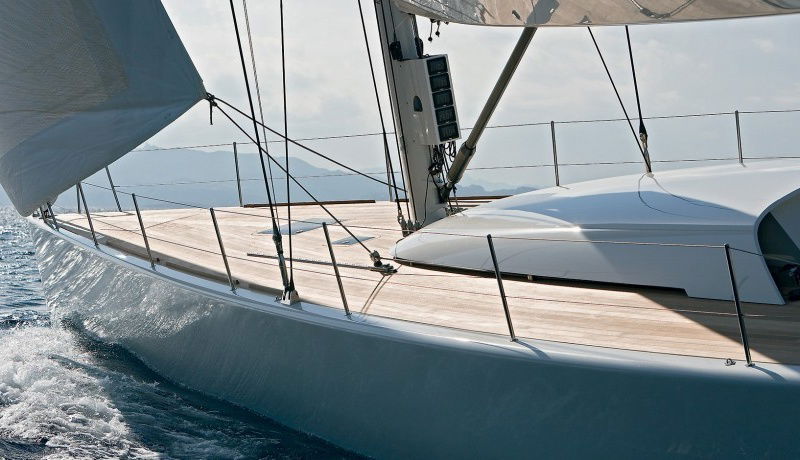

Images have been gathered from various sources and belong to their respective owners.
Review - B-Yachts 60

MarineBroker
07/05/2024, 10:40 AM
2011 B-Yachts 60: What to Know Before Buying, Inspecting, or Refitting This Luxury Sailboat
If you’re looking at a 2011 B-Yachts 60, chances are you’re already drawn to the kind of sailing experience that blends performance, comfort, and serious bluewater capability. That’s the exciting part. The tricky part is figuring out whether this yacht is truly the right fit for your plans, your budget, and your expectations.
Used luxury yachts can be a bit of a puzzle. On paper, a boat like the 2011 B-Yachts 60 may look like a dream: sleek lines, premium build quality, and the kind of layout that makes long stays aboard feel easy. But the real question most buyers face is this: how do you tell whether a pre-owned yacht is a smart buy or a future maintenance headache?
That’s where a careful approach matters. The best solution isn’t just falling in love with the listing photos. It’s understanding what this model is designed for, what to inspect closely, and how to evaluate it like a seasoned owner. In this article, we’ll walk through the key things to know so you can make a confident, practical decision.
- What Makes the 2011 B-Yachts 60 Stand Out
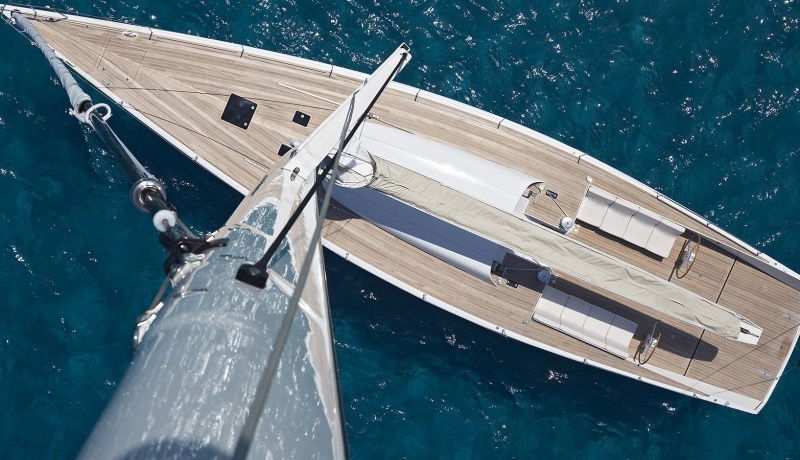
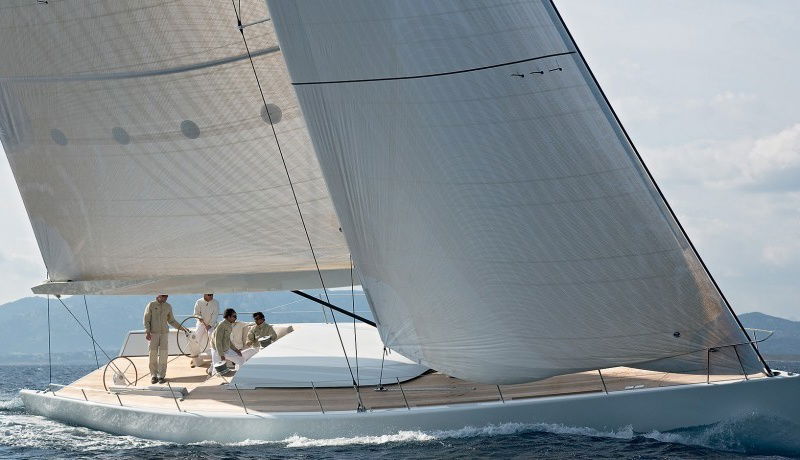
The 2011 B-Yachts 60 sits in the sweet spot where luxury cruising meets real sailing capability. B-Yachts is known for building stylish performance cruisers with a focus on elegant design, efficient handling, and high-end finishes.
For many buyers, the appeal comes from the balance:
- Comfortable enough for extended cruising
- Capable enough for spirited sailing
- Large enough to feel like a true yacht, but not so oversized that every task becomes complicated
This is the kind of boat that attracts owners who want more than just a floating condo. They want a yacht that still feels alive under sail.
A 60-foot yacht from this era can also offer a lot of value compared with a newer vessel, especially if it has been well maintained. But that value only holds if the boat has been cared for properly and matches your intended use.
- The Main Problem Buyers Face With a Used 2011 B-Yachts 60
The biggest issue isn’t usually the design itself. It’s condition, upkeep, and cost of ownership.
A used yacht can hide expensive problems beneath beautiful surfaces. Common concerns include:
- Deferred maintenance
- Aging electronics
- Worn rigging
- Engine or generator issues
- Moisture intrusion
- Cosmetic wear that may signal deeper problems
With a boat like the 2011 B-Yachts 60, the challenge is especially important because luxury yachts often have complex systems. The more features a boat has, the more there is to inspect, service, and eventually replace.
So the real problem for buyers is not “Is this a good model?” It’s “How do I know whether this specific boat has been maintained well enough to justify the purchase?”
- How to Evaluate a 2011 B-Yachts 60 the Smart Way
The best solution is to inspect the boat as a system, not just as a listing. That means looking at the hull, deck, rig, machinery, systems, and records together.
A strong evaluation usually includes:
1. A professional marine survey
2. A detailed engine and mechanical inspection
3. Review of maintenance records
4. Sea trial under realistic conditions
5. Moisture and structural checks where needed
If you’re serious about a 2011 B-Yachts 60, don’t rely on a quick walk-through. Spend time understanding how the boat has actually been used.
For example, a yacht that has logged fewer hours but sat unused for long periods may have more hidden issues than a boat that was regularly sailed and maintained. Boats like this tend to reward consistent use and upkeep.
- What to Inspect First on a 2011 B-Yachts 60
Some areas deserve extra attention because they can be costly if neglected.
- Hull and deck
Check for signs of impact, stress cracks, soft spots, or moisture intrusion. Around fittings, hatches, and stanchions, look for any evidence of leaks.
- Rigging and sails
Standing rigging has a finite service life. If there’s no clear replacement history, assume it may need attention. Sails should be assessed for shape, stitching, UV damage, and general wear.
- Engine and propulsion
A thorough engine inspection is essential. Look for service records, oil condition, cooling system performance, shaft or saildrive issues, and any sign of corrosion.
- Electrical systems
Yachts from 2011 may have electronics that are now outdated even if they still work. Check the condition of wiring, batteries, chargers, displays, and switching systems.
- Plumbing and tanks
Freshwater, blackwater, and fuel systems should all be checked for leaks, odors, and contamination.
- Interior condition
Interior wear is not just cosmetic. It can reveal how the boat was used, whether there were leaks, and how carefully it was maintained.
If the boat shows lots of small issues in several areas, that often points to a broader maintenance pattern. That’s not always a deal-breaker, but it does affect your budget and negotiating position.
- Why Maintenance History Matters So Much
For a yacht like the 2011 B-Yachts 60, records can tell you more than polished cushions ever will.
A well-documented maintenance history should ideally show:
- Regular engine servicing
- Rigging inspections or replacements
- Safety equipment updates
- Antifouling and hull maintenance
- Electrical and battery work
- Pump, hose, and seal replacements
This matters because many expensive failures are preventable. A boat that has been serviced on schedule is often a better candidate for ownership than one that looks newer but has no paper trail.
A practical rule: if the owner can’t explain when major systems were last serviced, assume they may be due soon.
- The Real Ownership Costs to Plan For
One of the most common mistakes buyers make is focusing only on the purchase price. A 60-foot yacht can be affordable to buy and still expensive to own.
Before committing to a 2011 B-Yachts 60, budget for:
- Annual haul-out and bottom work
- Engine and generator servicing
- Sail and rig maintenance
- Insurance
- Dockage or marina fees
- Battery replacement
- Unexpected repairs
- Upgrades to electronics or comfort systems
A good way to think about it: the purchase price is just the entry fee. The ongoing cost is what determines whether ownership stays enjoyable.
If you’re comparing this yacht to newer boats, remember that a lower purchase price can be offset by refit costs. On the other hand, a well-kept older yacht can deliver excellent value if the major systems are already in good shape.
- Common Refits That Make Sense on This Model
If you find a solid 2011 B-Yachts 60, a targeted refit can make it feel much more current without going overboard.
Useful upgrades often include:
- New navigation electronics
- Updated battery bank and charging system
- LED lighting conversion
- Modern upholstery or soft goods
- New sails if the originals are tired
- Improved refrigeration or galley equipment
- Fresh safety gear and life-saving equipment
Not every boat needs a full makeover. In fact, one of the smartest strategies is to focus on function first, then comfort and style.
For example, replacing aging electronics may improve reliability and safety far more than cosmetic upgrades. Likewise, new sails can transform the way the boat performs, often more than a shiny interior refresh.
- Is the 2011 B-Yachts 60 Good for Cruising?
For the right owner, yes. This type of yacht is typically appealing to sailors who want a comfortable platform for extended trips, coastal cruising, or even offshore passages when properly equipped.
What makes it attractive for cruising:
- Enough size for storage and liveaboard comfort
- A layout that supports longer stays aboard
- Performance-oriented design that still handles well
- Space for guests without feeling cramped
But cruising success depends on preparation. A boat in this class should be evaluated for:
- Autonomy at anchor
- Tank capacity
- Weather protection
- Redundancy in key systems
- Ease of handling with a smaller crew
If you plan to cruise shorthanded, make sure the setup supports that style of sailing. Features like reliable autopilot, manageable sail controls, and good deck ergonomics can make a huge difference.
- How to Spot a Good Example Versus a Risky One
Not all 2011 B-Yachts 60 yachts will be equal. Two boats from the same year can feel completely different depending on use and care.
A stronger candidate usually has:
- Consistent service records
- Clean engine spaces
- Dry bilges
- No major signs of water intrusion
- Updated safety and navigation gear
- Sails and rigging with known service history
- Evidence of careful ownership
A riskier candidate may show:
- Fresh cosmetics hiding old systems
- Missing records
- Corrosion around fittings
- Stale fuel or neglected tanks
- Outdated electronics with no upgrade plan
- Repeated small problems that were never fully addressed
A clean survey report is important, but so is the story the boat tells. If multiple systems look tired, the boat may require more investment than expected.
- Practical Buying Tips for Interested Buyers
If you’re actively shopping for a 2011 B-Yachts 60, here are some practical steps that can save you a lot of stress later.
- Bring in the right experts
Use a surveyor who understands performance cruising yachts and a mechanic familiar with marine diesel systems.
- Sea trial in real conditions
Don’t settle for a calm-water test only. You want to see how the boat behaves under sail and power.
- Check service intervals
Ask when rigging, sails, batteries, pumps, and major electronics were last replaced or serviced.
- Estimate refit costs early
Even if the boat is attractive, get rough quotes for likely upgrades before you make an offer.
- Compare against your actual use
A yacht that is perfect for weekending may not be ideal for offshore cruising or charter-style use.
- Don’t ignore ergonomics
How easy is it to move around the deck? Are winches and controls well placed? Does the layout match your crew size?
These steps help turn a hopeful purchase into an informed one.
- Who This Yacht Suits Best
The 2011 B-Yachts 60 is likely to appeal most to sailors who value:
- Elegant design
- Comfortable cruising
- Strong sailing performance
- A premium onboard feel
- The ability to enjoy longer trips without sacrificing style
It may be less ideal for buyers who want:
- Minimal maintenance
- Very simple systems
- A low-cost ownership experience
- A boat that can be run with almost no support
That doesn’t mean it’s difficult to own. It just means expectations matter. A yacht of this caliber rewards owners who stay ahead of maintenance and use a thoughtful approach to upgrades.
- A Simple Decision-Making Framework
If you’re still deciding, use this quick filter:
Ask yourself:
- Does this boat have a clear maintenance history?
- Are the big-ticket systems in good shape?
- Does the layout match my sailing plans?
- Have I budgeted for annual ownership costs?
- Would I still want this boat after factoring in likely upgrades?
If the answer is yes to most of those, the boat may be worth serious consideration.
If not, it may be smarter to keep looking rather than buying on emotion alone. The right yacht should feel exciting, but it should also make sense.
- Final Thoughts on the 2011 B-Yachts 60
The 2011 B-Yachts 60 can be a very appealing choice for buyers who want a stylish, capable, and comfortable sailing yacht. The key is not just finding a beautiful example, but finding one with solid maintenance, sensible upgrades, and a condition that matches your goals.
The smartest solution is to inspect carefully, verify service history, and budget realistically for ownership and possible refits. When you do that, you’re far more likely to end up with a yacht that delivers the experience you actually want, instead of a project that keeps growing.
If you’re exploring this model further, take your time, compare examples, and lean on qualified survey and marine service professionals. That extra effort upfront can make all the difference later.
Specifications
General
Boat Type: Sail Boats
Class Type: Daysailer
Specifications
Length: 61.09
Beam: 14.04
Draft: 10.83
Hull Material: GRP
Build
First Built: 2011
Propulsion
Fuel Type: Diesel
Engines: 1
Power: 0 HP
Brand: unknown
Accomodation
Berths: 6
Cabins: 3
Bathrooms: 3
PROS & CONS
What we appreciated
 Elegant and modern design with high-quality craftsmanshipSpacious and luxurious interior with excellent use of spaceStrong performance with efficient sailing capabilitiesRobust construction ensuring durability and safetyWell-equipped with advanced navigation and onboard systems
What we didn’t appreciate
 Higher price point compared to similar-sized yachtsMaintenance and upkeep can be costly due to luxury fittingsLimited availability of parts and service centers in some regionsHeavier weight may affect speed in light wind conditionsComplex systems may require experienced crew to operate efficiently
Upkeep Costs
Annual maintenance and servicing: $8,000 - $12,000
Docking and mooring fees: $6,000 - $15,000 per year depending on location
Insurance: $4,000 - $7,000 per year
Fuel costs: $3,000 - $7,000 per year based on usage
Winter storage and haul-out: $3,000 - $6,000 per year
Rating
7.2
User
Score
Score
Driveability
Technology
Interior
Design
Similar Boats


MarineBroker
Download now for an immersive boat experience like never before! ⛵✨ Your journey begins with a simple click. 🌊📲
#SetSailSmart #DownloadNow
#SetSailSmart #DownloadNow

Subscribe
Copyright 2017 - 2026, Marinebroker.net, All Rights Reserved