Boat Database » Aquanaut GV 1900
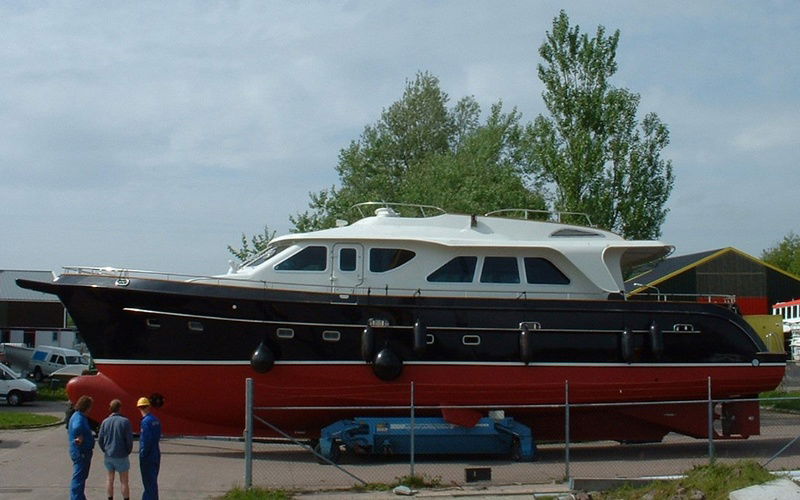
Aquanaut GV 1900
Inboard Direct-Drive, Diesel, 2x 225 HP
Power Boats 2015 Aquanaut GV 1900: What to Know Before You Buy, Inspect, or Restore
If you’re looking into a 2015 Aquanaut GV 1900, chances are you’re trying to figure out whether it’s the right boat for your needs, what to check before buyi...
Discover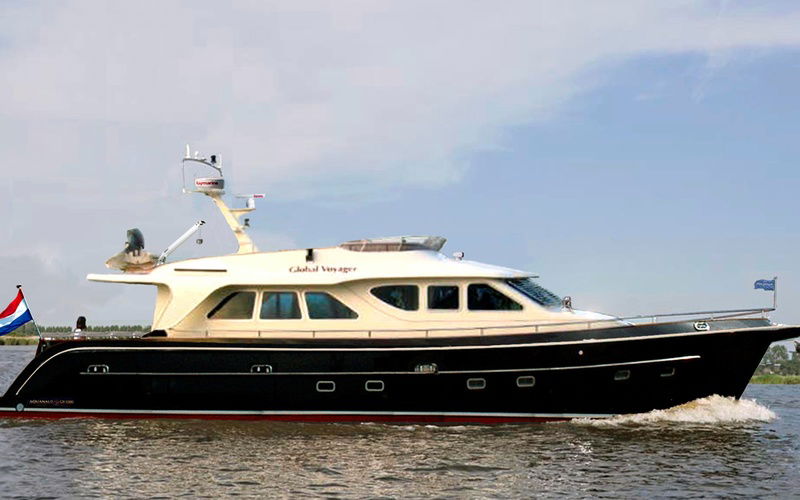


Images have been gathered from various sources and belong to their respective owners.
Review
2015 Aquanaut GV 1900: What to Know Before You Buy, Inspect, or Restore
If you’re looking into a 2015 Aquanaut GV 1900, chances are you’re trying to figure out whether it’s the right boat for your needs, what to check before buying, or how to get the best performance out of it. That’s a smart approach. Boats in this class can be a great fit for family cruising, fishing, and relaxed days on the water, but only if they’re in good condition and set up properly.
The challenge with a boat like the 2015 Aquanaut GV 1900 is that age, maintenance history, and previous use matter a lot. Two boats of the same model can feel completely different depending on how they were stored, serviced, and operated. That’s where many buyers run into trouble: they focus on the model name, but overlook the real condition of the hull, engine, trailer, wiring, and accessories.
The good news is that most of those risks can be managed with a clear inspection plan and a practical ownership checklist. In this article, we’ll break down what the 2015 Aquanaut GV 1900 is typically used for, what common issues to watch for, and how to evaluate whether it’s a solid boat for your needs.
- What Makes the 2015 Aquanaut GV 1900 Worth Considering
The 2015 Aquanaut GV 1900 sits in a very practical size range for many boaters. At around 19 feet, it’s large enough to feel stable and useful, but still manageable for trailering, storing, and launching without a huge amount of hassle.
That size makes it appealing to a wide range of owners, including:
- Weekend anglers
- Small families
- First-time boat buyers
- Boaters who want a versatile all-around runabout
- People who need a boat that’s easier to tow than a larger cabin or deck boat
For many buyers, the real attraction is balance. A 19-foot boat can offer enough room for a few passengers, gear, and light water activities, while still being simple to handle.
If you’re researching the 2015 Aquanaut GV 1900, the key question is not just “Is this a good boat?” It’s also “Is this specific boat well cared for?” That distinction matters more than the badge on the side.
- The Main Problem Buyers Face With a Used 2015 Aquanaut GV 1900
The biggest problem people run into with used boats like the 2015 Aquanaut GV 1900 is uncertainty. Unlike a car, a boat can hide wear much more easily. A clean-looking exterior doesn’t always tell you much about the engine, electrical system, trailer condition, or how the boat has been stored.
Common concerns include:
- Hidden hull damage
- Corrosion in electrical connections
- Engine maintenance gaps
- Soft spots in flooring or decking
- Trailer wear that gets ignored
- Upholstery damage from sun and moisture
- Fuel system issues from sitting unused
A lot of buyers get excited by the price and overlook these details. Then the “good deal” turns into repair bills, downtime, and frustration.
The practical solution is simple: inspect the boat as a system, not as a single item. The hull, motor, trailer, and onboard accessories all need to work together. If one part is weak, it can affect the whole ownership experience.
- How to Inspect a 2015 Aquanaut GV 1900 the Right Way
A good inspection doesn’t need to be complicated, but it should be thorough. If you’re serious about a 2015 Aquanaut GV 1900, take your time and check the boat in person whenever possible.
Here’s a practical inspection checklist.
- Hull and Exterior
Start with the hull. Look for:
- Cracks, gouges, or repaired areas
- Signs of impact near the keel or bow
- Uneven wear on the bottom
- Fading or chalky gelcoat
- Loose fittings or damaged rails
Run your hand over the surface and look for anything that feels uneven or patched. If the boat has been stored outdoors, check for sun damage and water intrusion points.
- Deck, Flooring, and Seating
Step around the deck and feel for:
- Soft spots
- Spongy flooring
- Loose panels
- Water stains
- Musty smells under seats or storage compartments
These are often signs of moisture problems. A boat can look clean on the surface but still have structural or water-related issues underneath.
- Engine and Mechanical Systems
The engine is one of the most important parts of any used boat purchase. Ask for service records if available. Then check:
- Start-up behavior
- Idle quality
- Smoke on startup
- Cooling water flow
- Visible leaks
- Corrosion around the motor
- Oil condition
- Belt and hose wear
If possible, ask for a water test. A boat can sound fine on land but show problems once it’s under load.
- Electrical System
Electrical issues are common on older boats, especially if they’ve seen a lot of moisture. Test:
- Navigation lights
- Bilge pump
- Horn
- Gauges
- Switch panels
- Battery condition
- Wiring connections
Look for corrosion, exposed wires, or amateur repairs. A messy wiring setup can become a headache fast.
- Trailer Condition
If the 2015 Aquanaut GV 1900 comes with a trailer, don’t treat it like an afterthought. Check:
- Tires for cracking or uneven wear
- Bearings and hubs
- Lights
- Winch and strap
- Frame rust
- Brakes, if equipped
- Tongue and coupler condition
A bad trailer can create towing issues even if the boat itself is in decent shape.
- What to Expect From a Boat in This Class
A 19-foot boat like the 2015 Aquanaut GV 1900 is usually valued for versatility more than luxury. That means buyers should focus on function, layout, and condition rather than expecting high-end features.
In practical terms, this size boat often works well for:
- Short coastal trips
- Inland lakes and rivers
- Fishing outings
- Cruising with a small group
- Watersports in calm conditions
What it usually does not offer is the space and comfort of a larger offshore boat. So if you’re planning longer trips, heavy loads, or rough-water use, you’ll want to think carefully about whether this size is enough.
This is where many buyers make a mistake. They buy for the boat they imagine using, not the boat they’ll actually use most often. If your real routine is fishing local waters or taking the family out on calm weekends, the 2015 Aquanaut GV 1900 may make a lot of sense.
- Common Issues to Watch for on a 2015 Aquanaut GV 1900
Because this is a used boat, the most important concerns are usually wear-related rather than model-specific defects. Still, there are a few areas that deserve extra attention.
- Moisture and Storage Damage
If the boat sat uncovered or was stored outdoors for long periods, you may see:
- Mildew in cushions
- Corroded hardware
- Water in storage compartments
- Faded upholstery
- Mold around seams
Moisture damage can spread slowly, so even minor signs are worth checking closely.
- Fuel System Problems
Older boats can develop fuel issues if they’ve been left sitting. Watch for:
- Stale fuel smell
- Hard starting
- Rough idle
- Clogged filters
- Deteriorated hoses
Fuel-related problems are often preventable, but they can become expensive if ignored.
- Electrical Corrosion
Saltwater use, humid storage, or poor maintenance can lead to corrosion in connectors and switches. That can cause random failures that are hard to trace.
- Cosmetic Wear That Hides Bigger Problems
Scratches and faded seats are normal on a used boat. The problem is when cosmetic wear distracts from structural issues. A seller may highlight the clean upholstery while overlooking deeper concerns in the floor, transom, or engine.
- How to Decide if the 2015 Aquanaut GV 1900 Is Right for You
A lot of boat buyers focus on the model first, but the better question is whether the boat fits your actual boating style.
Ask yourself:
- Will I use it on lakes, rivers, or coastal water?
- How many people do I usually bring?
- Do I need fishing features, family seating, or simple cruising space?
- Will I trailer it often?
- Do I want a low-maintenance boat or am I okay with ongoing upkeep?
If your answer points toward a manageable, versatile boat for moderate use, the 2015 Aquanaut GV 1900 can be a practical choice. If you need more space, more speed, or more offshore capability, you may want to look at a different class of boat.
- Practical Tips for Buying a Used 2015 Aquanaut GV 1900
If you’re in the market, here are some simple ways to reduce risk.
- Ask for maintenance records
Service history tells you a lot. Regular oil changes, winterization, battery care, and trailer maintenance are all good signs.
- Do a sea trial
Never skip this if possible. A sea trial helps you check:
- Acceleration
- Steering response
- Engine temperature
- Vibration
- Noise
- Handling under load
- Bring a flashlight and moisture meter if you can
A flashlight helps you spot corrosion and hidden damage. A moisture meter can reveal water intrusion in flooring or structural areas.
- Check the title and registration
Make sure the paperwork is clean and matches the boat, motor, and trailer if included.
- Compare asking price to condition, not just age
A well-maintained 2015 boat may be worth more than a neglected newer one. Condition matters more than the year alone.
- Ownership Tips to Keep a 2015 Aquanaut GV 1900 in Good Shape
If you already own one, the best way to protect your investment is with consistent upkeep. Boats last longer when small issues are handled early.
A simple maintenance routine should include:
- Rinsing after each outing
- Checking the bilge for water
- Inspecting battery terminals
- Flushing the engine if required
- Cleaning and drying upholstery
- Greasing trailer components
- Checking tire pressure before towing
- Storing the boat covered when not in use
Seasonal maintenance matters too. Before long storage periods, make sure fuel, engine, and battery systems are prepared properly. That one step can prevent a lot of springtime headaches.
- Best Uses for a 2015 Aquanaut GV 1900
This boat is likely to appeal most to people who want a practical, easy-to-handle platform for regular recreational use.
It can be a good fit for:
- Day cruising
- Family outings
- Light fishing
- Water sports in calm conditions
- Short-distance trailering adventures
It’s especially attractive for boaters who want something less intimidating than a larger vessel. If you like the idea of getting on the water without dealing with a huge boat, the 2015 Aquanaut GV 1900 may be a strong match.
- Signs You Should Walk Away
Sometimes the smartest move is to pass on a boat, even if the price looks good.
Consider walking away if you find:
- Major engine problems with no service history
- Soft or damaged transom areas
- Severe corrosion throughout the wiring
- Persistent fuel system issues
- Trailer rust that affects safety
- Evidence of flooding or major water intrusion
Repair costs can rise quickly, especially if multiple systems need work. A cheaper boat is not always the better deal.
- Conclusion
The 2015 Aquanaut GV 1900 can be a practical and versatile boat for the right buyer, but the real value depends on condition, maintenance, and how well it matches your boating needs. The biggest mistake is buying based on appearance alone. A careful inspection of the hull, engine, electrical system, trailer, and storage areas will tell you far more than the listing photos ever will.
If you’re considering this model, focus on use case first and condition second. That approach helps you avoid expensive surprises and choose a boat that actually fits your lifestyle. With the right checks and a little patience, you can make a smarter decision and enjoy more time on the water. If you want to keep researching, compare similar 19-foot boats and review maintenance guides before making your final call.
Specifications
General
Boat Type: Power Boats
Class Type: Trawler
Specifications
Length: 62.76
Beam: 17.06
Draft: 5.41
Hull Material: Steel
Build
First Built: 2015
Propulsion
Fuel Type: Diesel
Engines: 2
Power: 225 HP
Brand: Volvo
Accomodation
Berths: 6
Cabins: 3
Bathrooms: 2
PROS & CONS
What we appreciated
 Lightweight and easy to maneuverFuel-efficient for its classComfortable seating for small groupsGood handling in calm to moderate watersRelatively low maintenance costs
What we didn’t appreciate
 Limited cabin space and amenitiesNot ideal for rough or open water conditionsSmaller engine options may limit speedBasic electronics and features compared to newer modelsLimited storage capacity for gear and equipment
Upkeep Costs
Fuel: Approximately $1,200 - $1,800 per year depending on usage
Maintenance and Repairs: Around $800 - $1,500 annually
Insurance: Typically $300 - $700 per year
Storage and Docking: $600 - $1,500 yearly depending on location
Registration and Taxes: $100 - $300 per year
Rating
0
User
Score
Score
Driveability
Technology
Interior
Design
Similar Boats


MarineBroker
Download now for an immersive boat experience like never before! ⛵✨ Your journey begins with a simple click. 🌊📲
#SetSailSmart #DownloadNow
#SetSailSmart #DownloadNow

Subscribe
Copyright 2017 - 2026, Marinebroker.net, All Rights Reserved