2016 Alaska 49 Sedan: What Buyers and Owners Should Know Before You Commit
If you’re looking at the 2016 Alaska 49 Sedan, you’re probably drawn to the same thing most boaters notice first: it looks like a serious cruising boat wi...
Discover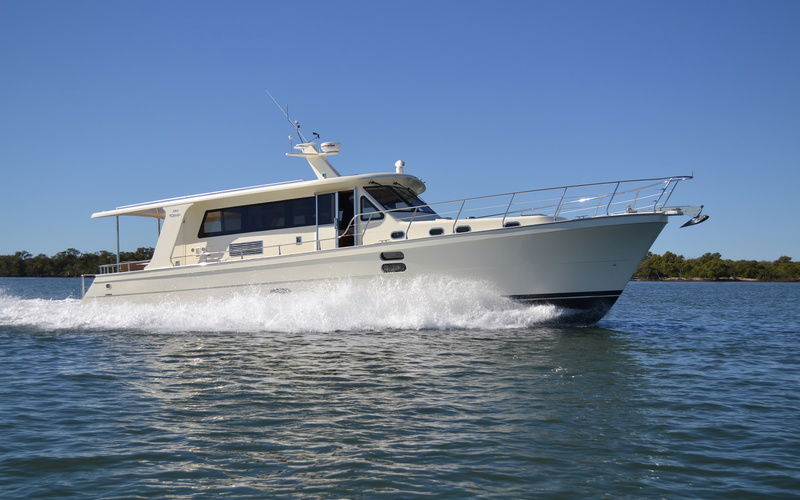
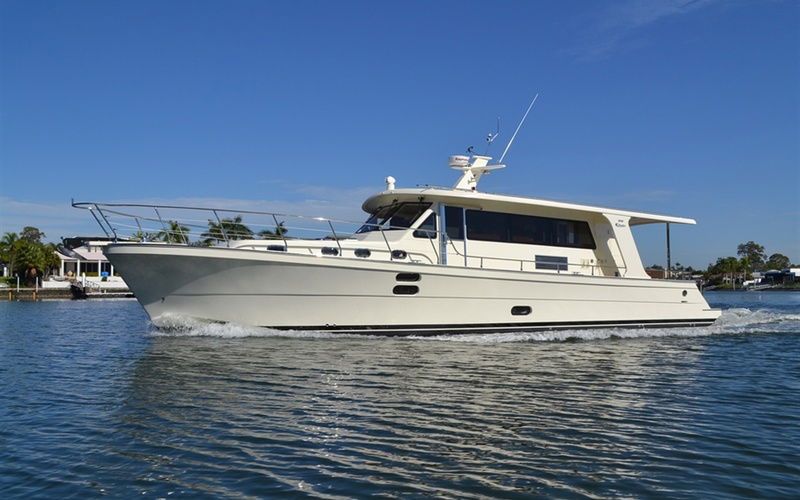
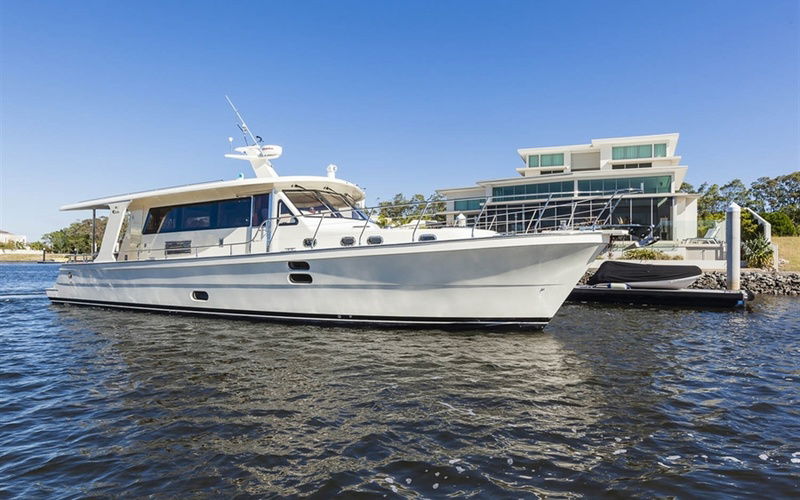
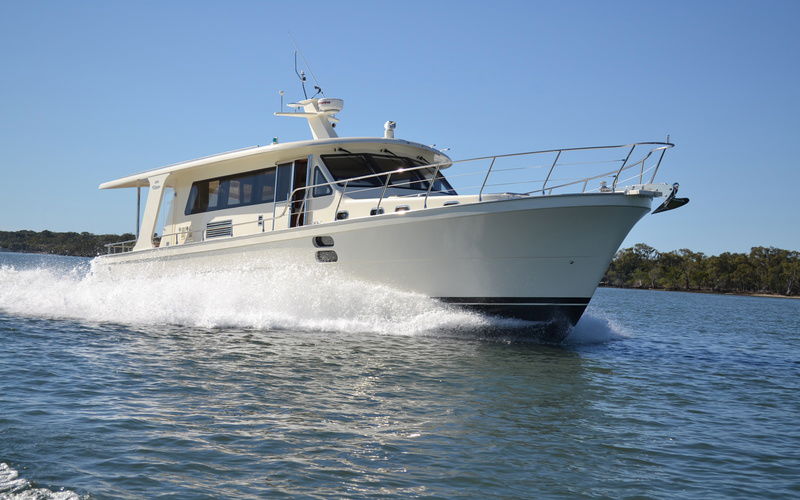
Images have been gathered from various sources and belong to their respective owners.
Review - Alaska 49 Sedan

MarineBroker
02/07/2024, 4:25 AM
2016 Alaska 49 Sedan: What Buyers and Owners Should Know Before You Commit
If you’re looking at the 2016 Alaska 49 Sedan, you’re probably drawn to the same thing most boaters notice first: it looks like a serious cruising boat with real offshore presence, a comfortable layout, and the kind of build that suggests long-range capability. But once the excitement settles, a more practical question usually shows up: is this the right boat for your kind of boating, and how do you evaluate one properly before making a decision?
That’s the real challenge with boats in this class. A sedan cruiser like the 2016 Alaska 49 can be a fantastic platform, but only if it matches your cruising style, maintenance expectations, and budget. Buyers often get focused on the size, the styling, or the reputation of the model and overlook the details that matter most: engine hours, service history, systems condition, fuel economy, and how the boat has actually been used.
The good news is that this is a very solvable problem. With the right checklist and a clear understanding of what to look for, you can separate a well-kept example from one that may look good on paper but cost far more than expected later. In this article, we’ll break down the key things to know about the 2016 Alaska 49 Sedan and how to approach the buying process with confidence.
- What Makes the 2016 Alaska 49 Sedan Stand Out
The 2016 Alaska 49 Sedan sits in a category that appeals to boaters who want a blend of comfort, protection from the weather, and serious cruising ability. It’s the kind of boat that can work well for extended weekends, coastal cruising, and longer trips where interior space and practical deck layout matter.
What attracts many people to this model is the sedan configuration itself. Compared with open boats or smaller express cruisers, a sedan layout tends to offer a more sheltered helm area, better all-weather usability, and a layout that feels more like a compact floating home than a day boat. For families or couples who want to cruise in comfort, that can be a big advantage.
Typical reasons buyers consider this type of boat include:
- More usable interior space
- A protected helm and salon area
- Better suitability for cooler climates or variable weather
- Comfortable accommodations for overnighting
- A profile that balances cruising style with practical function
In other words, the boat is not just about looks. It’s about usable space and a layout that supports real boating.
- The Main Problem Buyers Face
The biggest issue most people run into when shopping for a 2016 Alaska 49 Sedan is not finding one that looks good. It’s figuring out whether the boat has been maintained properly and whether it fits their real-world needs.
That matters because boats in this size range can hide expensive problems behind polished upholstery and clean gelcoat. A vessel can appear ready to cruise while still needing major work in systems like:
- Engines and propulsion
- Generator and electrical components
- Plumbing and freshwater systems
- Electronics and navigation gear
- HVAC or heating systems
- Seals, windows, and deck hardware
Another common problem is expectation mismatch. Some buyers want a boat that can handle long-range cruising, but they may not be prepared for the costs of operating and maintaining a vessel of this size. Others want a comfortable family cruiser but underestimate how much storage, visibility, and docking skill a 49-foot boat requires.
So the real problem is twofold:
1. Finding a well-cared-for example
2. Making sure the boat fits your actual boating lifestyle
Once you understand that, the buying process becomes much easier.
- What to Look for in a 2016 Alaska 49 Sedan
If you’re evaluating a 2016 Alaska 49 Sedan, start with the fundamentals. A thorough walkthrough and survey should tell you a lot before you ever think about making an offer.
Here’s where to focus:
- Engine hours and service records
Lower hours are not automatically better if the boat sat unused for long periods. A regularly serviced boat with moderate hours is often a better sign than a low-hour boat with poor maintenance history.
- Evidence of routine upkeep
Look for oil changes, impeller replacements, belt checks, zinc replacement, and documentation of winterization or seasonal storage.
- Hull and deck condition
Check for stress cracks, soft spots, water intrusion, or signs of previous repairs. Cosmetic wear is normal, but structural issues are a different story.
- Window and seal integrity
Boats with large windows and enclosed salons can develop leaks over time. Water intrusion around windows, hatches, or doors should be taken seriously.
- Electrical system health
Make sure batteries, charging systems, shore power, breakers, and wiring all appear clean and functional.
- Interior condition
Interior wear can tell you how the boat was used. Heavy sun damage, mildew, or worn soft goods may point to poor upkeep or heavy exposure.
- Electronics and controls
Older chartplotters, radar, autopilot systems, and displays may still work fine, but replacement costs can add up quickly.
A clean cosmetic appearance is nice, but it should never be the deciding factor. On a boat like this, systems matter more than shine.
- Why a Survey Matters More Than the Listing Photos
One of the smartest things you can do when considering a 2016 Alaska 49 Sedan is hire a qualified marine surveyor. This is especially important if you’re buying a used boat, because photos and listing descriptions rarely tell the full story.
A survey helps uncover hidden issues such as:
- Moisture intrusion
- Corrosion
- Engine wear
- Faulty wiring
- Poor repairs
- Structural concerns
- Safety equipment gaps
If the boat has a diesel engine package, a mechanical survey can be just as important as the hull survey. Diesel systems are durable, but they still need expert inspection. A professional can often catch problems that a casual buyer would miss, like coolant leaks, exhaust issues, fuel contamination, or signs of neglected maintenance.
Think of the survey as the boat version of a home inspection. You’re not just checking whether the boat looks nice. You’re checking whether it’s truly ready for the kind of use you expect.
- Matching the 2016 Alaska 49 Sedan to Your Boating Style
Not every boat is right for every owner, even if the boat itself is a good one. The 2016 Alaska 49 Sedan tends to suit people who value comfortable cruising, protection from the elements, and a layout that supports time aboard rather than quick day trips.
This model may be a strong fit if you:
- Enjoy coastal cruising
- Want overnight capability
- Prefer a more enclosed and weather-protected helm
- Plan to spend extended time aboard
- Need space for guests or family
- Value a boat that feels stable and substantial
It may be less ideal if you:
- Mostly want a simple day boat
- Prefer low-maintenance boating
- Don’t want the operating costs of a larger cruiser
- Need easy solo docking in tight marinas
- Rarely cruise far enough to use the interior space
A lot of buyers fall in love with the idea of a big cruising boat, then realize they only use it for short runs on weekends. If that sounds familiar, it’s worth asking whether you need a 49-foot sedan or something smaller and easier to manage.
- Common Cost Factors to Plan For
Owning a boat like the 2016 Alaska 49 Sedan is about more than the purchase price. The ongoing costs can be significant, and planning for them ahead of time prevents surprises later.
Key cost categories include:
- Fuel
- Dockage or moorage
- Insurance
- Routine maintenance
- Haul-out and bottom service
- Winterization or seasonal storage
- Electronics upgrades
- Upholstery and cosmetic repairs
- Engine servicing and parts
Even if the boat is in great shape, annual upkeep can still be meaningful. Larger cruisers tend to reward owners who stay ahead of maintenance, because deferred work gets expensive fast.
A useful rule of thumb: if you’re budgeting for a boat of this size, make sure you’re comfortable not just buying it, but also operating it properly over time. That means keeping a reserve for repairs and upgrades.
- Practical Buying Tips That Save Money Later
If you’re serious about a 2016 Alaska 49 Sedan, a little discipline during the buying process can save you a lot of stress later.
Here are some practical steps:
1. Review the service history carefully
A boat with detailed records is usually easier to trust than one with vague answers.
2. Test all major systems
Don’t assume anything works just because the seller says it does. Run the generator, check the air conditioning, test the electronics, and inspect the bilge.
3. Look for signs of water intrusion
Water is one of the biggest enemies of any boat. Stains, corrosion, and mildew are all clues.
4. Ask about storage history
Boats kept under cover or in protected storage often age better than boats left exposed year-round.
5. Compare similar boats
Look at several listings if possible. That helps you understand what condition, equipment, and pricing really look like in the market.
6. Don’t rush the decision
A boat this size is a major commitment. Take your time and avoid pressure tactics.
These steps might seem basic, but they’re often what separate a smart purchase from an expensive lesson.
- How to Judge Whether a Boat Is a Good Value
Value is not the same as the lowest price. A cheaper 2016 Alaska 49 Sedan can end up costing more if it needs major system work, while a slightly more expensive one with strong maintenance history may be the better deal overall.
To judge value, consider:
- Engine hours relative to service history
- Condition of major systems
- Quality of upgrades and electronics
- Cosmetic wear versus structural condition
- Whether the boat has been stored properly
- How much work you’ll need to do after purchase
A well-maintained boat can save you thousands in the first year alone. On the other hand, a neglected boat may require immediate spending on essentials before you can even enjoy it.
One helpful mindset is this: you’re not just buying a boat, you’re buying the next few years of ownership experience. If the boat has been cared for, that experience is usually much smoother.
- Who the 2016 Alaska 49 Sedan Is Best For
The 2016 Alaska 49 Sedan tends to appeal to a specific kind of boater: someone who wants comfort, capability, and a cruising platform that feels substantial without going all the way into full-size yacht territory.
It’s a good match for owners who want:
- A boat that can handle changing weather
- Comfortable indoor living space
- A practical layout for longer trips
- A balance of performance and livability
- A vessel that feels stable and secure underway
It’s also a strong option for people transitioning up from smaller cruisers. The extra space and amenities can make boating more enjoyable, but the jump in responsibility is real too. If you’re ready for that step, this model can be a rewarding platform.
- Final Thoughts Before You Buy
The 2016 Alaska 49 Sedan offers a lot to like for the right buyer: space, comfort, cruising capability, and a sedan layout that makes time aboard more enjoyable in changing conditions. But like any boat in this class, the real key is not just whether it looks appealing. It’s whether it has been maintained well and whether it fits your actual boating habits.
If you approach the purchase with a clear checklist, a professional survey, and realistic expectations about ownership costs, you’ll be in a much stronger position. That’s the best way to avoid expensive surprises and end up with a boat you’ll actually enjoy using.
Take your time, inspect carefully, and focus on condition over hype. That’s usually where the best boating decisions begin.
Specifications
General
Boat Type: Power Boats
Class Type: Trawler
Specifications
Length: 52.49
Beam: 13.94
Draft: 3.15
Hull Material: GRP
Build
First Built: 2016
Propulsion
Fuel Type: Diesel
Engines: 2
Power: 480 HP
Brand: Cummins
Accomodation
Berths: 4
Cabins: 2
Bathrooms: 2
PROS & CONS
What we appreciated
 Robust and durable construction suitable for harsh Alaska conditionsSpacious sedan layout providing comfortable living and working spaceGood fuel capacity for long-range tripsHigh freeboard offering excellent protection in rough seasWell-equipped for fishing and commercial use
What we didn’t appreciate
 Relatively heavy, which can affect speed and fuel efficiencyOlder model with potential for outdated electronics and systemsLimited interior headroom compared to larger yachtsMaintenance can be costly due to specialized buildLess maneuverable in tight marina spaces due to size and design
Upkeep Costs
Fuel: Approximately $15,000 - $25,000 per year depending on usage
Maintenance and Repairs: Around $5,000 - $10,000 annually
Insurance: Typically $2,000 - $4,000 per year
Docking and Storage: $3,000 - $7,000 annually depending on location
Miscellaneous (Registration, Cleaning, Equipment Upgrades): $1,000 - $3,000 per year
Rating
7.5
User
Score
Score
Driveability
Technology
Interior
Design
Similar Boats


MarineBroker
Download now for an immersive boat experience like never before! ⛵✨ Your journey begins with a simple click. 🌊📲
#SetSailSmart #DownloadNow
#SetSailSmart #DownloadNow

Subscribe
Copyright 2017 - 2026, Marinebroker.net, All Rights Reserved