Boat Database » Altena Coasthopper
Altena Coasthopper
Inboard Direct-Drive, Diesel, 2x 175 HP
Power Boats 2010 Altena Coasthopper: What Buyers and Owners Should Know Before Making a Move
If you’ve been searching for a 2010 Altena Coasthopper, you’re probably already drawn to the idea of a sturdy, comfortable cruiser with real offshor...
Discover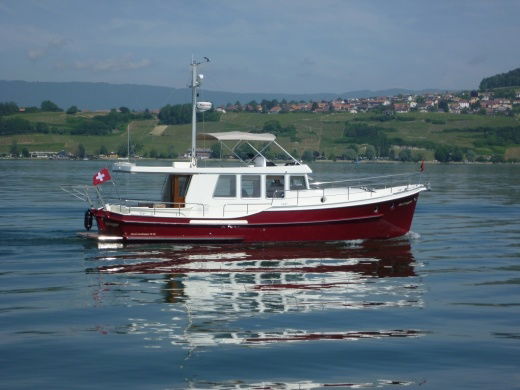
Images have been gathered from various sources and belong to their respective owners.
Review - Altena Coasthopper

MarineBroker
02/20/2024, 5:57 AM
2010 Altena Coasthopper: What Buyers and Owners Should Know Before Making a Move
If you’ve been searching for a 2010 Altena Coasthopper, you’re probably already drawn to the idea of a sturdy, comfortable cruiser with real offshore capability. That makes sense. The Coasthopper has a reputation for being a practical boat for people who want more than just a fair-weather day cruiser, but not necessarily a full-on commercial vessel either.
The challenge is that boats in this category can be tricky to evaluate. A 2010 model is old enough that condition matters a lot more than brochure specs. Two boats with the same name can feel completely different depending on maintenance history, engine use, upgrades, and how they were stored. That’s where many buyers and owners run into problems: they know the boat is appealing, but they’re not always sure what to inspect, what to expect, or how to decide if it’s the right fit.
The good news is that with the right approach, you can make a smarter decision. Whether you’re buying, comparing, or maintaining a 2010 Altena Coasthopper, the key is to focus on structure, machinery, usability, and real-world ownership costs. Let’s break it down in a practical way.
- What Makes the 2010 Altena Coasthopper Worth a Closer Look
The Altena Coasthopper sits in a category many boating enthusiasts appreciate: a serious, capable cruiser with a strong hull design and a layout meant for comfortable longer runs. For people who value stability, usable deck space, and dependable handling, this type of boat often stands out.
A 2010 model is especially interesting because it falls into that sweet spot where modern enough systems may be present, but the price is often more approachable than newer boats. That said, age alone doesn’t tell you much. What matters is how the boat was used and maintained.
Typical reasons people consider a Coasthopper include:
- Coastal cruising and weekend trips
- Comfortable movement aboard for family or guests
- A practical layout for extended time on the water
- A reputation for solid construction and seaworthiness
For many buyers, the appeal is not flashy styling. It’s the sense that the boat is built to do a job well.
- The Main Problem: Age-Related Uncertainty
The biggest issue with any 2010 boat is uncertainty. By now, the original condition may have changed a lot. Even a well-built vessel can develop issues if key systems have not been serviced properly.
Common concerns buyers and owners face include:
- Engine wear or inconsistent service records
- Electrical issues from aging wiring, batteries, or connectors
- Moisture intrusion in decks, windows, or fittings
- Wear in steering, controls, and running gear
- Interior fatigue from years of use
- Outdated electronics or navigation equipment
This is especially important with a boat like the Altena Coasthopper, because its value depends heavily on how well the structure and mechanical systems have been preserved. A clean-looking boat may still have hidden problems under the surface.
That’s the real challenge: not just finding a 2010 Altena Coasthopper, but finding one that has been cared for in a way that matches your expectations.
- How to Evaluate a 2010 Altena Coasthopper the Smart Way
If you’re looking at one of these boats, don’t start with cosmetics. Start with the essentials. A polished hull and a tidy cabin are nice, but they don’t tell you whether the boat is truly sound.
Here’s the best order of evaluation:
1. Hull and structure
2. Engine and drivetrain
3. Electrical systems
4. Plumbing and tanks
5. Interior condition
6. Electronics and navigation gear
7. Maintenance history
This order helps you avoid getting distracted by features that are easy to see but less important than the boat’s actual condition.
- Hull and Structure: The Foundation Matters Most
The hull is where your inspection should begin. You want to know whether the boat has any signs of impact, stress, or water intrusion.
Look for:
- Cracks around fittings and high-stress areas
- Soft spots on decks or walkways
- Signs of osmosis or blistering, if applicable
- Repairs that may indicate previous damage
- Uneven paint or gelcoat that could hide work
Pay close attention to windows, hatches, cleats, and any drilled fittings. These are common places for leaks to begin. If water has been entering slowly over time, it can create expensive hidden problems.
A dry, solid hull is one of the strongest signs that a 2010 Altena Coasthopper has been properly cared for.
- Engine and Mechanical Systems: Don’t Guess Here
For most buyers, the engine is the biggest financial risk. Even if the boat looks excellent, a tired engine can turn a good deal into a costly project very quickly.
Ask for:
- Full service records
- Oil analysis, if available
- Hours on the engine
- Records of impeller, belt, filter, and coolant changes
- Evidence of winterization or storage preparation
During inspection, check for:
- Oil leaks
- Coolant leaks
- Corrosion
- Unusual smoke on startup
- Excess vibration
- Strange noises under load
If sea trial is possible, pay close attention to how the boat accelerates, tracks, and responds at cruising speed. A boat can feel fine at idle and still reveal major issues once underway.
If you’re not mechanically confident, bring in a marine surveyor or diesel mechanic. That cost is small compared with the price of missing a serious problem.
- Electrical and Electronics: Small Issues Can Become Big Headaches
Older boats often have electrical gremlins. They may not stop the boat from running, but they can make ownership frustrating.
Check:
- Battery age and charging system
- Shore power connections
- Panel labeling and fuse condition
- Corrosion on terminals
- Bilge pump operation
- Cabin lighting and switches
- Navigation electronics
If the boat still has older chartplotters, radios, or displays, that’s not necessarily a dealbreaker. But it does affect value and usability. Many owners choose to upgrade electronics after purchase, especially if they plan to cruise regularly.
A simple test is to turn on everything you can. If multiple systems behave oddly, that may point to deeper wiring issues rather than isolated failures.
- Interior Condition: Comfort, But Also Clues
The interior tells you a lot about how the boat was used. Wear is normal, but the pattern of wear matters.
Check for:
- Musty smells
- Stains around windows or overhead panels
- Soft flooring
- Delamination or swelling in cabinetry
- Damaged upholstery
- Poor ventilation
A clean interior with no odor is a positive sign, but it still needs to be backed up by structural and mechanical evidence. Moisture is one of the most expensive problems to fix, and it often starts in places buyers don’t notice right away.
For owners, keeping the interior dry and ventilated is one of the easiest ways to preserve value.
- Sea Trial Tips for a 2010 Altena Coasthopper
A sea trial is where theory meets reality. This is your chance to see whether the boat behaves the way it should.
During the trial, pay attention to:
- How quickly the engine starts
- Whether the boat tracks straight
- Steering effort and responsiveness
- Noise levels at cruising speed
- Temperature stability
- Fuel burn, if you can monitor it
- Any warnings or alarms
A good sea trial should feel controlled and predictable. If the boat wanders, shakes, overheats, or struggles to reach expected speed, that’s a red flag.
Try to test the boat in different conditions if possible. Calm water is helpful, but a little chop can reveal handling traits that matter more in real life.
- Ownership Costs People Often Underestimate
One of the most common mistakes buyers make is focusing only on purchase price. With a boat like the 2010 Altena Coasthopper, ongoing costs can be just as important.
Budget for:
- Annual servicing
- Haul-out and storage
- Insurance
- Fuel
- Bottom cleaning and antifouling
- Battery replacement
- Electronics upgrades
- Unexpected repairs
A boat that seems affordable upfront can become expensive if the maintenance backlog is large. On the other hand, a well-kept example may cost more initially but save money and stress over time.
That’s why condition should always outweigh price alone.
- If You Already Own a 2010 Altena Coasthopper
If you’re an owner, your goal is simple: keep the boat reliable and protect its long-term value. The good news is that most problems can be reduced with regular attention.
Focus on these habits:
- Flush and service the engine on schedule
- Inspect through-hulls and hoses regularly
- Keep batteries charged and terminals clean
- Run the boat often enough to keep systems active
- Ventilate the interior to prevent moisture buildup
- Check seals and caulking annually
- Log every maintenance task
A maintenance log does more than help with resale. It also helps you notice patterns before they become failures.
If you’re planning to keep the boat for several years, creating a simple seasonal checklist is one of the easiest ways to stay ahead of trouble.
- Common Upgrades That Make Sense
Not every upgrade is worth it, but some improvements offer real value for usability and peace of mind.
Useful upgrades often include:
- Modern chartplotter and marine electronics
- Battery monitoring system
- LED lighting
- Improved ventilation fans
- Updated VHF radio
- Better anchor gear
- Fresh upholstery or mattress materials
- Protective covers for high-wear areas
If the goal is cruising comfort, upgrades that improve reliability and convenience usually make more sense than cosmetic changes alone.
For many owners, the best strategy is to fix or modernize the systems that affect safety and daily use first.
- How the 2010 Altena Coasthopper Compares in Real-World Use
What makes this boat appealing is not just how it looks on paper, but how it fits actual boating life. A well-kept Coasthopper can be a strong choice for people who want a capable cruiser with practical space and a serious feel underway.
It tends to suit owners who value:
- Stability over speed
- Comfort over flash
- Practical layout over trendy styling
- Dependable cruising over constant tinkering
That said, it may not be the best fit for someone who wants the newest technology, very high speed, or minimal maintenance. Like many boats in its class, it rewards owners who understand that regular care is part of the package.
- Buying Advice: What to Prioritize First
If you’re seriously considering a 2010 Altena Coasthopper, use this simple priority list:
- Verify maintenance history
- Inspect hull and structure carefully
- Check engine condition and service records
- Test electrical systems thoroughly
- Sea trial the boat
- Review survey results before negotiating
If possible, walk away from any boat that lacks documentation unless the price clearly reflects the risk. A lower asking price does not always mean a better deal.
A professional survey can help you decide whether the boat is a solid purchase, a negotiation opportunity, or a project to avoid.
- Conclusion
A 2010 Altena Coasthopper can be a very appealing boat for the right buyer, especially if you want a capable cruiser with practical space and a solid reputation. But like any older vessel, its real value depends on condition, service history, and how well the major systems have been maintained.
The smartest approach is to focus on the fundamentals: structure, engine, electrical reliability, and evidence of care. If you already own one, regular maintenance and a few sensible upgrades can go a long way toward keeping it dependable and enjoyable. Whether you’re buying or maintaining, the goal is the same: reduce surprises and enjoy more time on the water. If you’re still comparing options, keep learning about the model’s systems and typical ownership needs before making your next move.
Specifications
General
Boat Type: Power Boats
Class Type: Trawler
Specifications
Length: 38.55
Beam: 13.06
Draft: 4.27
Hull Material: Steel
Build
First Built: 2010
Propulsion
Fuel Type: Diesel
Engines: 2
Power: 175 HP
Brand: John Deere
Accomodation
Berths: 2
Cabins: 1
PROS & CONS
What we appreciated
 Robust and durable construction suitable for coastal watersSpacious deck layout with ample seating and storageGood fuel efficiency for its size and engine typeEasy handling and maneuverability in various sea conditionsClassic design with reliable mechanical components
What we didn’t appreciate
 Older model may require more maintenance and parts replacementLimited modern electronics and navigation aids compared to newer boatsCabin space is relatively small and basicEngine power may be modest for heavier loads or rough conditionsResale value may be lower due to age and market demand
Upkeep Costs
Insurance: $800 - $1,200 per year
Maintenance and repairs: $1,000 - $2,000 per year
Fuel: $1,000 - $3,000 per year depending on usage
Storage: $500 - $1,500 per year depending on location
Registration and licensing: $100 - $300 per year
Rating
6.8
User
Score
Score
Driveability
Technology
Interior
Design
Similar Boats


MarineBroker
Download now for an immersive boat experience like never before! ⛵✨ Your journey begins with a simple click. 🌊📲
#SetSailSmart #DownloadNow
#SetSailSmart #DownloadNow

Subscribe
Copyright 2017 - 2026, Marinebroker.net, All Rights Reserved