2013 Aquanaut EV 1500 II: What Buyers and Owners Should Know Before They Cruise
If you’ve been looking at the 2013 Aquanaut EV 1500 II, you’re probably already drawn to the same things most people are: that roomy Dutch steel-yach...
Discover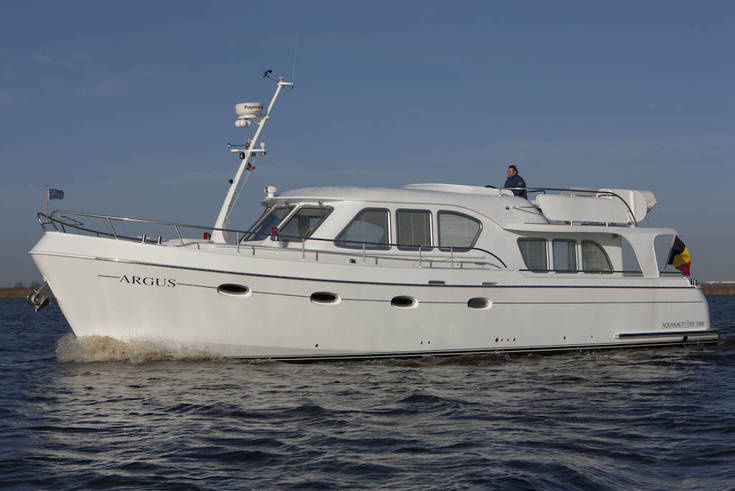


Images have been gathered from various sources and belong to their respective owners.
Review - Aquanaut EV 1500 II

MarineBroker
03/22/2024, 12:11 PM
2013 Aquanaut EV 1500 II: What Buyers and Owners Should Know Before They Cruise
If you’ve been looking at the 2013 Aquanaut EV 1500 II, you’re probably already drawn to the same things most people are: that roomy Dutch steel-yacht feel, the practical layout, and the sense that this boat was built for comfortable long-distance cruising. But once the excitement settles, a more important question usually pops up: is it the right boat for your kind of boating, and how do you avoid costly surprises?
That’s the real challenge with a boat like the 2013 Aquanaut EV 1500 II. It’s not just about liking the look of it. The bigger issue is understanding what this model is best at, where owners typically need to pay attention, and how to judge whether a specific boat has been cared for properly. A well-kept one can be a fantastic cruising platform. A neglected one, on the other hand, can turn into a project fast.
The good news is that most of the common concerns around this model are manageable once you know what to inspect and what to prioritize. In this article, we’ll walk through the key strengths, common problem areas, and practical buying and ownership tips so you can make a smarter, more confident decision.
- What Makes the 2013 Aquanaut EV 1500 II Stand Out
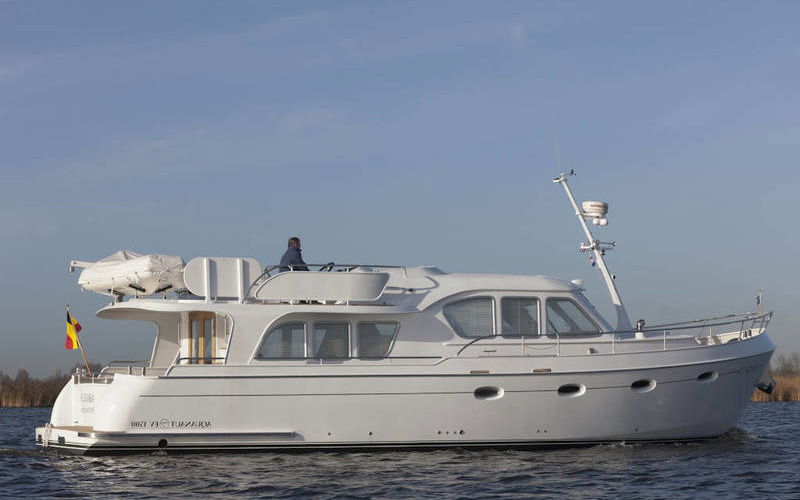
The 2013 Aquanaut EV 1500 II is part of the well-regarded Aquanaut line, known for sturdy construction and comfort-focused cruising design. This is the kind of boat that appeals to people who want a dependable liveaboard-style experience or a capable inland and coastal cruiser with more space than the average motor yacht.
One of its biggest strengths is its layout. Boats in this class are usually designed for relaxed living, which means you can expect a practical helm area, generous cabins, and good visibility from the steering position. That makes it especially appealing for longer trips, weekend escapes, or even seasonal use.
Another reason buyers look at this model is the construction style. Aquanaut boats are often associated with solid steel hulls and a traditional Dutch approach to yacht building. For many owners, that means confidence, stability, and a boat that feels substantial underway.
Still, the 2013 Aquanaut EV 1500 II is not the kind of boat you buy casually. It rewards careful inspection and proper maintenance. That’s where many potential issues can be avoided.
- The Main Problem: Buying or Owning Without Knowing the Weak Spots
The biggest problem people face with the 2013 Aquanaut EV 1500 II is not usually a single dramatic flaw. It’s more about missing the subtle signs of wear that matter on a boat of this type.
Because this is a substantial cruising boat, buyers often focus on the big features:
- cabin space
- finish quality
- engine hours
- overall appearance
But the real value depends on the condition of the systems you can’t always see at first glance.
Common mistakes include:
- assuming a clean interior means the boat is mechanically sound
- overlooking corrosion or moisture issues
- not checking maintenance records closely
- ignoring the condition of electrical, plumbing, and propulsion systems
- underestimating the cost of deferred maintenance
That’s why a practical, inspection-first mindset matters so much. With a boat like this, the solution is not to “hope for the best.” It’s to evaluate the vessel methodically.
- How to Evaluate a 2013 Aquanaut EV 1500 II the Smart Way
If you’re considering this model, the best solution is a structured inspection process. Whether you’re buying from a private seller or through a broker, you want to verify condition, maintenance history, and fit for your intended use.
A good inspection should cover:
1. Hull and structure
2. Engine and drivetrain
3. Electrical systems
4. Plumbing and sanitation
5. Interior condition
6. Deck hardware and safety gear
7. Documentation and service history
This approach helps you separate cosmetic appeal from real long-term value.
- Check the Hull, Paint, and Metalwork Carefully
Since the 2013 Aquanaut EV 1500 II is often associated with steel construction, hull condition deserves serious attention. Steel boats can be excellent, but they demand proper care.
Look closely for:
- rust spots, especially around welds and fittings
- signs of blistering, poor paint adhesion, or patchy repainting
- evidence of previous repairs
- moisture around windows, hatches, and deck penetrations
A fresh-looking exterior can hide problems if the prep work was poor. Ask when the last full paint job was done and what products were used. If the seller can’t explain the maintenance history clearly, that’s a red flag.
Also check the underside and bilges. Water intrusion over time can lead to corrosion or structural concerns that are expensive to fix later.
- Inspect the Engine and Mechanical Systems
The mechanical condition of any cruising boat matters, but on a larger vessel like the 2013 Aquanaut EV 1500 II, it matters even more. Repairs can be costly, and downtime can ruin the boating season.
Before buying, review:
- engine hours
- oil change records
- cooling system maintenance
- gearbox condition
- shaft alignment
- propeller wear
- fuel system cleanliness
If possible, arrange a sea trial. Listen for unusual vibration, smoke, rough idling, or delayed response under load. These can point to alignment problems, fuel issues, or engine wear.
A pre-purchase surveyor and marine mechanic are worth the money here. Even if the boat looks great, a professional can spot signs that most buyers would miss.
- Don’t Ignore Electrical and Battery Systems
Electrical issues are one of the most common headaches on older or lightly maintained cruising boats. On the 2013 Aquanaut EV 1500 II, you’ll want to know whether the wiring has been updated, labeled properly, and protected from moisture.
Check for:
- clean battery terminals
- secure cable routing
- functioning chargers and inverters
- working navigation electronics
- properly protected fuse panels
- evidence of amateur modifications
A boat may appear “fully equipped,” but if the electrical system is messy, it can become a constant source of trouble. This is especially important if you plan to cruise for longer periods or spend time away from marinas.
A simple test is to run multiple systems at once:
- lights
- pumps
- fridge
- navigation equipment
- windlass or thrusters if fitted
If voltage drops too quickly or systems behave inconsistently, that’s something to investigate before moving forward.
- Interior Comfort Is Great, But Moisture Is the Real Test
One of the reasons people like the 2013 Aquanaut EV 1500 II is the livability. The interior is usually a major part of the appeal, especially for couples or families planning extended trips.
But a beautiful interior can hide moisture problems. Check carefully for:
- soft spots in floors or bulkheads
- mold or mildew smells
- staining around windows and hatches
- warped cabinetry
- condensation issues in corners and lockers
Moisture is more than just a cosmetic concern. It can damage insulation, weaken materials, and create ongoing maintenance problems. If a boat smells damp, take that seriously.
A practical tip: open every locker, inspect under cushions, and check around plumbing runs. Hidden dampness often shows up in places buyers don’t think to look.
- Review the Layout Against Your Real Boating Style
A lot of people fall in love with a layout before they think about how they’ll actually use the boat. With the 2013 Aquanaut EV 1500 II, the right layout can be a big advantage, but only if it fits your habits.
Ask yourself:
- Will you cruise mostly as a couple or with guests?
- Do you need easy single-handed handling?
- Are you planning short weekends or longer stays aboard?
- Do you value indoor living space over open deck space?
- Will you use the boat in canals, rivers, or coastal waters?
A boat that looks ideal on paper may feel awkward if the helm visibility, storage, or berth arrangement doesn’t match your routine. The best solution is to imagine a normal day aboard, not just a vacation scenario.
For example, if you expect frequent boarding and docking in tight marinas, easy access and maneuverability may matter more than a large salon. If you want extended cruising comfort, storage and galley practicality may be top priorities.
- What to Ask the Seller or Broker
Good questions save time and money. If you’re serious about a 2013 Aquanaut EV 1500 II, ask direct questions and pay attention to how clearly they answer.
Useful questions include:
- How long have you owned the boat?
- What maintenance has been done in the last two years?
- Are there service records for the engine and systems?
- Has the boat had any collisions, groundings, or major repairs?
- When was it last out of the water?
- Are there known issues with leaks, electronics, or propulsion?
- Has the boat been stored indoors or outdoors?
If possible, ask for photos of the boat out of the water, especially the hull, running gear, and through-hull fittings. A seller who is organized and transparent usually makes the buying process much smoother.
- Why a Survey Matters More Than a Quick Look
A lot of buyers want to skip the survey if the boat “looks clean.” That’s a mistake, especially with a model like the 2013 Aquanaut EV 1500 II, where the real value depends on hidden condition as much as visible finish.
A marine survey can help identify:
- structural issues
- moisture intrusion
- outdated safety equipment
- engine concerns
- electrical faults
- maintenance gaps
Think of the survey as risk control, not just an extra cost. It can help you negotiate fairly, walk away from a bad deal, or budget realistically for needed work.
If the survey finds minor issues, that’s normal. What matters is whether the seller is honest about them and whether the repairs are manageable.
- Ownership Tips to Keep the Boat in Good Shape
If you already own a 2013 Aquanaut EV 1500 II, the best solution is a steady maintenance routine. Boats of this type tend to reward owners who stay ahead of problems instead of reacting late.
A simple upkeep plan should include:
- regular engine servicing
- bilge checks and moisture monitoring
- battery and charging system inspection
- cleaning and protecting exterior metalwork
- checking seals around windows and hatches
- winterizing or seasonal prep as needed
- documenting every service task
Even small habits help. Wiping down damp surfaces, airing lockers, and checking bilges after heavy rain can prevent bigger problems later.
It also helps to keep a maintenance log. That makes future troubleshooting easier and adds value if you ever decide to sell.
- Is the 2013 Aquanaut EV 1500 II a Good Fit?
For the right buyer, yes. The 2013 Aquanaut EV 1500 II can be a very appealing cruising boat if you want a comfortable, solidly built vessel and you’re willing to inspect it carefully before committing.
It tends to suit people who value:
- stability and a substantial feel
- practical living space
- relaxed cruising
- traditional yacht construction
- long-term ownership over quick turnover
It may be less ideal if you want a very lightweight, low-maintenance, ultra-modern boat with minimal upkeep. A boat like this often makes more sense for someone who appreciates craftsmanship and is prepared to maintain it properly.
The key is not to get distracted by appearance alone. The best example of this model is the one with the strongest maintenance history, clean survey results, and a layout that truly fits your boating plans.
- Final Thoughts on Buying and Enjoying the 2013 Aquanaut EV 1500 II
The 2013 Aquanaut EV 1500 II is the kind of boat that can deliver a lot of comfort and cruising enjoyment, but only if you approach it with the right expectations. The main challenge is not finding a nice-looking boat; it’s finding one that has been properly maintained and suits the way you actually want to use it.
If you focus on hull condition, mechanical systems, moisture checks, and service history, you’ll be in a much stronger position. Add a professional survey and a realistic plan for upkeep, and you’ll avoid most of the common headaches. In other words, the solution is simple: inspect carefully, ask the right questions, and buy based on condition, not just first impressions.
If you’re exploring this model further, take time to compare examples and gather as much history as possible. That extra effort can make the difference between a stressful purchase and a boat you’ll enjoy for years.
Specifications
General
Boat Type: Power Boats
Class Type: Trawler
Specifications
Length: 49.05
Beam: 14.93
Draft: 4.1
Hull Material: Steel
Build
First Built: 2013
Propulsion
Fuel Type: Diesel
Engines: 1
Power: 209 HP
Brand: Perkins
Accomodation
Berths: 6
Cabins: 3
Bathrooms: 2
PROS & CONS
What we appreciated
 Electric-powered, environmentally friendly with zero emissionsQuiet operation, enhancing the boating experienceLow maintenance compared to traditional combustion enginesCompact and lightweight design suitable for small water bodiesEasy to operate with simple controls
What we didn’t appreciate
 Limited range due to battery capacityLonger recharge times compared to refueling gasoline enginesLower top speed compared to similar-sized gas-powered boatsBattery replacement can be costly over timeLess availability of service and parts compared to traditional boats
Upkeep Costs
Fuel: Approximately $500 - $1,000 annually depending on usage
Maintenance and Repairs: Around $1,000 - $2,000 per year
Storage: $500 - $2,000 annually depending on location and type
Insurance: $300 - $700 per year
Registration and Taxes: $100 - $300 per year
Rating
7.3
User
Score
Score
Driveability
Technology
Interior
Design
Similar Boats


MarineBroker
Download now for an immersive boat experience like never before! ⛵✨ Your journey begins with a simple click. 🌊📲
#SetSailSmart #DownloadNow
#SetSailSmart #DownloadNow

Subscribe
Copyright 2017 - 2026, Marinebroker.net, All Rights Reserved