Boat Database » AB Inflatables Profile A 11-S
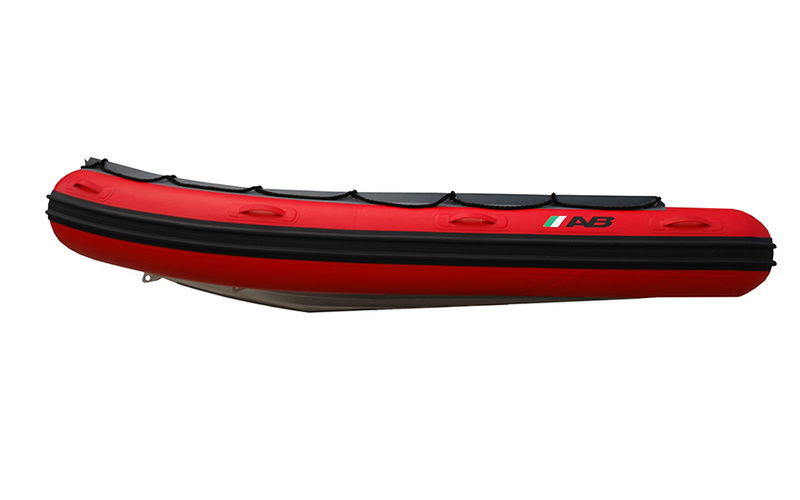
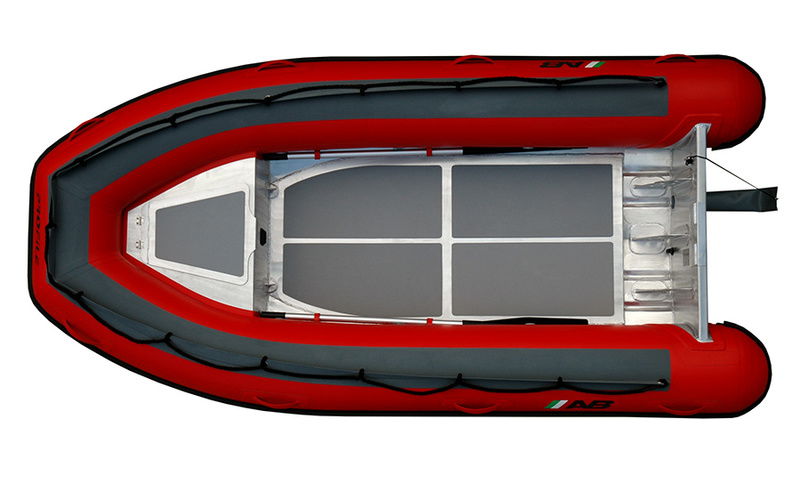
AB Inflatables Profile A 11-S
Outboard four-stroke, Unleaded, 1x 30 HP
Power Boats 2018 AB Inflatables Profile A 11-S: How to Choose, Use, and Maintain a Compact RIB for Everyday Boating
If you’re looking at the 2018 AB Inflatables Profile A 11-S, chances are you want a small boat that’s easy to handle, stable ...
Discover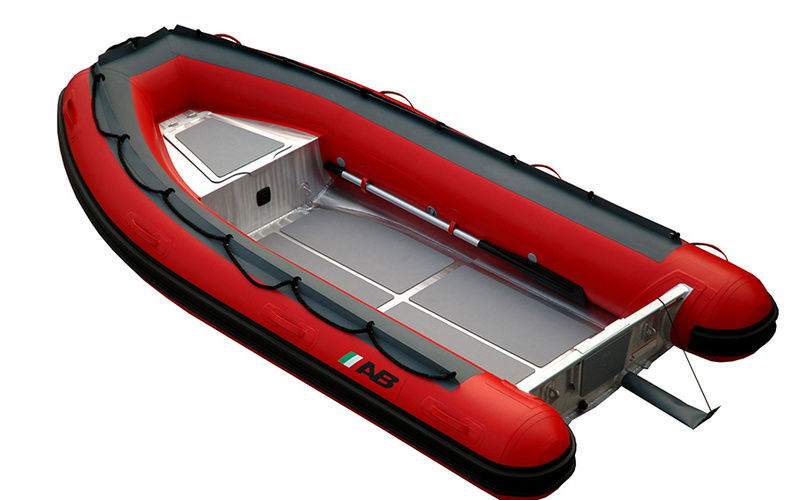
Images have been gathered from various sources and belong to their respective owners.
Review - AB Inflatables Profile A 11-S

MarineBroker
01/16/2024, 10:16 AM
2018 AB Inflatables Profile A 11-S: How to Choose, Use, and Maintain a Compact RIB for Everyday Boating
If you’re looking at the 2018 AB Inflatables Profile A 11-S, chances are you want a small boat that’s easy to handle, stable on the water, and practical for real-world use. That’s a pretty common goal, but it also comes with a challenge: small inflatables can be incredibly useful, yet they only perform well when they’re matched to the right job and cared for properly.
A lot of boaters run into the same problem with compact RIBs and tenders. They buy one expecting it to solve everything—dock runs, beach trips, quick fishing outings, and even family transport—only to find that storage, inflation, weight, engine choice, or maintenance becomes the real issue. The good news is that most of these headaches are avoidable.
In this guide, we’ll look at what makes the 2018 AB Inflatables Profile A 11-S a practical option, what to watch out for, and how to get the best performance from a boat in this size class. Whether you already own one or you’re comparing options, the goal here is simple: help you make smarter boating decisions with less guesswork.
- What Makes the 2018 AB Inflatables Profile A 11-S a Useful Small Boat
The 2018 AB Inflatables Profile A 11-S sits in a category many boaters appreciate: compact, versatile, and easier to manage than a larger rigid boat. Boats in this class are often used as tenders, runabouts, or light-duty utility boats.
What makes them appealing is the balance between portability and stability. You get the buoyancy and forgiving ride of an inflatable tube design, plus the structure of a rigid hull that helps with tracking and handling.
For many owners, the real value comes from convenience:
- Easier to launch and retrieve
- Less demanding to store than a full-size boat
- More stable than a similarly sized hard dinghy in many conditions
- Useful for short trips, tender duty, and light recreation
That said, compact boats also have limitations. They’re not designed to do everything. Understanding those limits is part of using the boat well.
- The Main Problem Boaters Face with Compact Inflatables
The biggest issue with a boat like the 2018 AB Inflatables Profile A 11-S is usually not the boat itself. It’s mismatch.
People often buy a small inflatable expecting it to behave like a larger center console or a heavy-duty work skiff. Then they discover that performance depends on several factors:
- Correct engine sizing
- Proper inflation pressure
- Weight distribution
- Load management
- Routine upkeep
If any one of those is off, the boat may feel slow, unstable, or harder to control than expected.
Another common problem is storage and care. Inflatable boats can last a long time, but only if they’re protected from UV damage, abrasion, and poor inflation habits. A boat this size is easy to own in theory, but it still needs consistent attention.
- Understanding the 2018 AB Inflatables Profile A 11-S in Real-World Use
The 2018 AB Inflatables Profile A 11-S is best understood as a practical small craft rather than a “do everything” boat. It’s the kind of boat that works well when you know what it’s for.
Typical uses include:
- Yacht tender service
- Short harbor runs
- Dock-to-shore transport
- Light fishing trips
- Calm-water exploration
- Quick errands on the water
In these roles, a compact RIB often shines because it is easy to board, simple to maneuver, and more forgiving than many flat-bottom tenders in chop.
Where people get into trouble is overloading it or expecting it to perform like a larger boat. A small RIB can handle a lot for its size, but it still has practical limits in passenger count, gear weight, and sea state.
- How to Choose the Right Engine and Setup
One of the most important parts of getting good results from the 2018 AB Inflatables Profile A 11-S is choosing the right propulsion setup. Even a well-built boat can feel disappointing if the engine is wrong for the hull or the intended use.
A few things matter most:
- Engine horsepower: Too little power means sluggish acceleration and poor planing. Too much power can make the boat less efficient and may exceed manufacturer recommendations.
- Shaft length and mounting: The motor needs to match the transom height and boat design.
- Weight of the engine: A heavier motor can affect trim and stern squat.
- Prop selection: The right propeller helps with hole shot, cruising efficiency, and load-carrying ability.
If your goal is tender use or short trips, you may want a setup that favors reliability and easy starting over maximum speed. If you’ll be carrying multiple passengers or gear, you’ll want to think more carefully about thrust and load performance.
A good rule of thumb for small inflatables: prioritize balance over brute force.
- Why Proper Inflation Matters More Than Most People Think
Many performance complaints about inflatable boats come down to pressure. Underinflated tubes can make the boat feel soft, draggy, and less responsive. Overinflation can stress seams and materials, especially in hot weather.
For a boat like the 2018 AB Inflatables Profile A 11-S, proper inflation helps with:
- Stability
- Fuel efficiency
- Better handling
- Reduced tube wear
- More predictable performance
It’s worth checking pressure before each outing, especially if the boat has been sitting in the sun or stored in changing temperatures. Air expands with heat, so a boat that felt correct in the morning may feel different later in the day.
If you’re unsure, follow the manufacturer’s inflation guidelines closely. That small habit can make a major difference in how the boat rides.
- Loading the Boat the Smart Way
Another common issue with compact boats is uneven loading. Small RIBs are sensitive to where people and gear are placed. If weight is concentrated too far aft, the bow may ride high and visibility can suffer. Too much weight forward can make the ride wetter and reduce control in waves.
To keep the 2018 AB Inflatables Profile A 11-S balanced:
- Place heavier items low and near the center
- Avoid stacking all gear in one end
- Keep passengers distributed evenly
- Secure loose items so they don’t shift underway
- Don’t exceed recommended capacity
This may sound basic, but it’s one of the easiest ways to improve handling without spending a dollar.
A well-loaded small boat often feels dramatically better than one that is technically within capacity but poorly arranged.
- Maintenance Tips That Extend the Life of the Boat
If you want a compact inflatable to stay reliable, maintenance matters. The good news is that small boats are usually easier to care for than larger vessels, but they still need a routine.
Here are the essentials:
- Rinse after use, especially in saltwater
- Dry the boat before storage when possible
- Check seams, valves, and fittings regularly
- Inspect the hull for scuffs or impact damage
- Keep tubes protected from prolonged UV exposure
- Use approved cleaners, not harsh chemicals
Saltwater is especially tough on metal fittings and hardware. Even if the boat looks fine, corrosion can start quietly. A quick rinse after each trip goes a long way.
For inflatable tubes, the biggest enemies are sun, abrasion, and neglect. Store the boat covered or out of direct sunlight when you can, and avoid dragging it over rough surfaces.
- Common Performance Issues and How to Fix Them
If your 2018 AB Inflatables Profile A 11-S doesn’t feel right on the water, the cause is often simple. Before assuming there’s a major problem, check these areas first.
- Boat feels slow
Possible causes:
- Underinflated tubes
- Too much weight aboard
- Wrong propeller
- Engine not reaching proper RPM
Possible fix:
- Inflate to spec, reduce unnecessary load, and verify engine setup
- Boat pulls to one side
Possible causes:
- Uneven loading
- Engine trim issue
- Propeller issue
Possible fix:
- Rebalance passengers and gear, inspect trim, and check the prop
- Ride feels harsh
Possible causes:
- Excessive speed in chop
- Poor trim
- Incorrect weight distribution
Possible fix:
- Adjust speed and trim, and shift weight to improve balance
- Boat seems unstable at rest
Possible causes:
- Uneven passenger placement
- Too much gear high up
- Improper inflation
Possible fix:
- Lower the center of gravity and verify tube pressure
Most of the time, these issues are not signs that the boat is “bad.” They’re signs that the setup needs refinement.
- Best Practices for Safe Operation
Safety is especially important with small boats because conditions can change quickly and there’s less margin for error.
For a compact boat like the 2018 AB Inflatables Profile A 11-S, keep these habits in place:
- Wear life jackets
- Check weather before heading out
- Carry a communication device
- Bring basic tools and a repair kit
- Tell someone your route and return time
- Avoid overloading the boat
- Watch for changing wind and chop
Even on calm days, a small boat can become uncomfortable if weather shifts or traffic increases. Planning ahead helps you stay relaxed instead of reacting under pressure.
If you’re using the boat as a tender, remember that quick trips still deserve the same safety habits as longer runs.
- Storage Tips for Off-Season or Long Breaks
Good storage is one of the easiest ways to protect your investment. A compact inflatable can be stored in several ways depending on your setup, but the goal is always the same: reduce wear.
Before long-term storage:
- Clean and dry the boat thoroughly
- Remove debris from seams and corners
- Check for damage and repair it early
- Deflate or store according to manufacturer guidance
- Keep it away from rodents, sharp objects, and direct sun
If the boat is stored inflated, make sure it’s supported properly and not under constant stress from heat or pressure changes. If it’s stored deflated, fold it carefully and avoid tight creases that can weaken material over time.
A little care during storage can add years to the life of a small inflatable.
- Who the 2018 AB Inflatables Profile A 11-S Is Best For
This boat makes the most sense for people who want a compact, manageable craft for practical boating. It’s a strong fit if you:
- Need a tender for a larger vessel
- Want easy launch and retrieval
- Prefer a stable boat for short runs
- Value portability and simple upkeep
- Usually boat in protected or moderate waters
It may be less ideal if you regularly carry heavy loads, want high-speed recreational cruising, or need a boat for rough offshore conditions. In those cases, a larger hull with more power and more capacity may be a better match.
The key is matching the boat to the mission.
- Practical Buying and Ownership Advice
If you’re considering a used 2018 AB Inflatables Profile A 11-S, inspect it with the same care you’d give any small boat. Age alone doesn’t tell the whole story. Condition matters more.
Check for:
- Tube patches or repairs
- Cracks or gouges in the hull
- Soft spots or structural damage
- Corrosion on fittings
- Valve condition
- Engine service history, if included
Ask how the boat was stored, how often it was used, and whether it lived in saltwater or freshwater. A well-maintained boat with regular care may be a much better buy than a newer one that sat neglected.
If you already own one, keep a maintenance log. It’s simple, but it helps you spot patterns and catch issues early.
- Simple Ways to Get Better Results on the Water
Sometimes the best improvements come from small habits.
Try these:
1. Check pressure before every trip
2. Trim the engine correctly for load and sea state
3. Keep gear organized and low
4. Avoid unnecessary weight
5. Rinse and dry after use
6. Inspect fittings often
7. Practice docking and low-speed handling
These small steps improve comfort, reduce wear, and make the boat feel more capable. That’s especially important with a compact RIB, where setup has a big effect on performance.
- Final Thoughts on the 2018 AB Inflatables Profile A 11-S
The 2018 AB Inflatables Profile A 11-S is a good example of why small boats can be so useful when they’re used the right way. Its strengths are simplicity, stability, and convenience, but those strengths only show up when the boat is properly inflated, correctly loaded, and regularly maintained.
If you’ve been frustrated by a compact inflatable that feels underwhelming, the solution is often not a bigger budget—it’s better setup and smarter ownership. Match the boat to your needs, keep it in good condition, and focus on balance and safety. Do that, and a small RIB can become one of the most practical boats you’ll ever own.
If you want to keep learning, it’s worth comparing engine setups, maintenance routines, and storage methods before your next outing. A little knowledge really does go a long way on a boat this size.
Specifications
General
Boat Type: Power Boats
Class Type: Rigid Inflatable Boats
Specifications
Length: 11.48
Beam: 5.58
Draft: 1.31
Hull Material: Aluminium
Build
First Built: 2018
Propulsion
Fuel Type: Unleaded
Engines: 1
Power: 30 HP
Brand: Unknown
Accomodation
PROS & CONS
What we appreciated
 Lightweight and easy to tow or storeDurable Hypalon fabric construction for resistance to UV and abrasionStable and rigid hull design providing good performance and handlingSpacious layout with ample seating for passengersHigh-quality craftsmanship with attention to detail
What we didn’t appreciate
 Limited engine power options compared to larger rigid boatsLess suitable for rough sea conditions due to inflatable designHigher initial cost compared to some other inflatable boatsRequires regular maintenance to ensure longevity of inflatable componentsLimited storage space compared to hard-hull boats
Upkeep Costs
Fuel: Approximately $500 - $1,500 per year depending on usage
Maintenance: Around $300 - $700 annually for engine and inflatable tubes upkeep
Insurance: Typically $400 - $800 per year
Storage: $600 - $1,200 annually depending on location and type (marina, dry storage)
Registration and Licensing: $50 - $200 per year

Rating
5.2
User
Score
Score
Driveability
Technology
Interior
Design
Similar Boats


MarineBroker
Download now for an immersive boat experience like never before! ⛵✨ Your journey begins with a simple click. 🌊📲
#SetSailSmart #DownloadNow
#SetSailSmart #DownloadNow

Subscribe
Copyright 2017 - 2026, Marinebroker.net, All Rights Reserved