2010 Bavaria 47 Cruiser: What Buyers and Owners Should Know Before You Set Sail
If you’ve been looking at the 2010 Bavaria 47 Cruiser, you’re probably drawn to the same things most sailors are: a roomy interior, solid cruising co...
Discover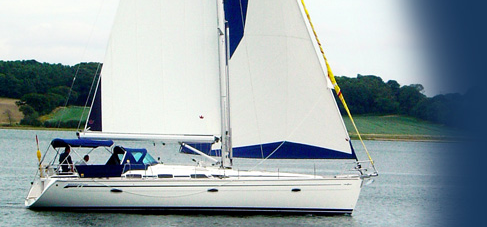


Images have been gathered from various sources and belong to their respective owners.
Latest Market Trends (Latest Available Year Model)
Price: $163,271
Review - Bavaria 47 Cruiser

MarineBroker
09/14/2024, 3:01 AM
2010 Bavaria 47 Cruiser: What Buyers and Owners Should Know Before You Set Sail
If you’ve been looking at the 2010 Bavaria 47 Cruiser, you’re probably drawn to the same things most sailors are: a roomy interior, solid cruising comfort, and the promise of easy handling on a boat that still feels capable offshore. But once the excitement settles, a more practical question usually shows up: is this the right boat for your kind of sailing, and what should you watch out for before buying or owning one?
That’s the real challenge with any used cruising yacht. It’s not just about whether the boat looks good in photos or feels spacious at the dock. The important part is understanding how the boat performs in the real world, what common issues tend to appear with age, and how to avoid expensive surprises later. The 2010 Bavaria 47 Cruiser can be a great choice for couples, families, and long-distance cruisers, but only if you know what to inspect, maintain, and prioritize.
In this guide, we’ll break down the strengths of the boat, the typical problem areas, and the smartest ways to approach ownership so you can make a confident decision.
- Why the 2010 Bavaria 47 Cruiser still attracts buyers
The 2010 Bavaria 47 Cruiser sits in a sweet spot for sailors who want a larger cruising yacht without stepping into something overly complex or expensive to run. It was designed for comfortable passagemaking, easy dockside living, and manageable sailing performance.
A lot of people are drawn to this model because it offers:
- A practical three- or four-cabin layout, depending on configuration
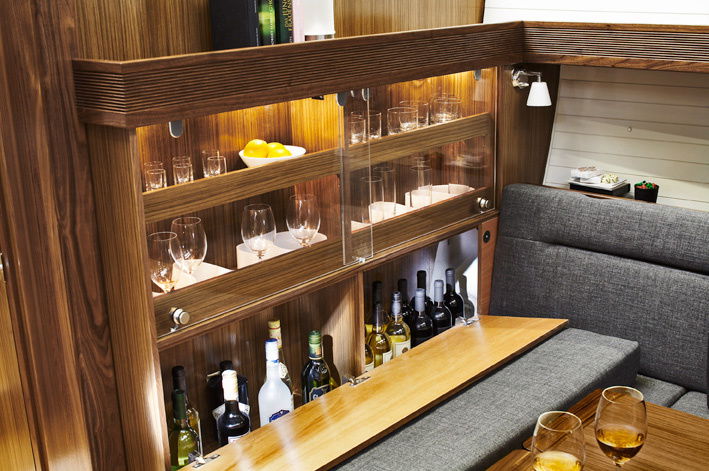
- A large saloon with excellent natural light
- Good storage for cruising gear
- A cockpit layout that works well for family sailing
- A reputation for being straightforward to handle with a small crew
For many buyers, the appeal is not just size. It’s the balance between comfort and usability. You get enough boat to cruise in style, but not so much that every sail becomes a full-scale operation.
That said, buying a used cruiser is always about more than the brochure. The key is knowing what kind of ownership experience you’re signing up for.
- The main problem: hidden wear and age-related issues
The biggest problem people face with a 2010 Bavaria 47 Cruiser is not usually a dramatic design flaw. It’s the accumulation of age-related wear in multiple systems at once.
On a boat that’s now well into its second decade, small issues can add up quickly if they’ve been ignored. A boat may look clean on the surface while hiding problems in the rigging, deck fittings, electrical system, or engine compartment.
Common age-related concerns include:
- Standing and running rigging nearing replacement age
- Worn sail hardware
- Deck leaks around fittings or chainplates
- Aging electronics
- Corrosion in electrical connections
- Engine maintenance gaps
- Interior wear from moisture or poor ventilation
This is why buyers sometimes get caught off guard. The boat may seem “ready to go,” but after a few months of ownership, they discover that the real costs are in catching up on deferred maintenance.
- 2010 Bavaria 47 Cruiser: what to inspect first
If you’re evaluating a 2010 Bavaria 47 Cruiser, start with the systems that are expensive to repair later. These are the areas that matter most during a survey or pre-purchase inspection.
- Rigging and mast system
Standing rigging has a service life, even if it looks fine. On a boat of this age, it’s smart to assume the rigging may be due for replacement unless there is clear proof it was already done.
Check for:
- Rust at swage fittings
- Broken wire strands
- Corrosion around turnbuckles
- Mast step or deck compression issues
- Signs of water ingress around deck hardware
If you’re planning offshore or extended cruising, rigging condition is not something to gamble on.
- Deck and hull joints
Look closely at any area where hardware penetrates the deck. Leaks often begin small and slowly cause hidden damage.
Pay attention to:
- Chainplates
- Stanchion bases
- Winches
- Hatches and portlights
- Anchor locker fittings
- Cockpit hardware
Soft spots, staining, or recurring moisture are warning signs. Even if the leak seems minor, water intrusion can lead to core damage or interior rot over time.
- Engine and propulsion
Many buyers focus on sail performance and forget that a cruising yacht often spends a lot of time motoring. The engine should be inspected carefully.
Check:
- Service records
- Oil condition
- Cooling system
- Belt wear
- Shaft alignment
- Propeller condition
- Engine mounts
A clean engine room is nice, but paperwork matters more. A well-documented service history tells you far more than a shiny engine cover.
- Electrical system
On older cruising boats, electrical issues are common and often frustrating. Loose connections, outdated chargers, and aging batteries can create a chain reaction of minor failures.
Inspect:
- Battery age and capacity
- Shore power system
- Charger/inverter setup
- Corroded terminals
- Navigation electronics
- Bilge pump wiring
- Grounding and bonding systems
If the boat has been upgraded over the years, ask how those changes were done. Good electrical work is neat, labeled, and logical. Poor work usually looks improvised.
- Interior and moisture control
The 2010 Bavaria 47 Cruiser was built for comfort, but any used cruising boat can develop moisture issues if ventilation has been poor.
Look for:
- Musty smells
- Staining around hull liners
- Mold in lockers
- Water marks under mattresses
- Soft trim or swollen wood panels
These may sound cosmetic, but they often point to bigger ventilation or leak problems.
- What the 2010 Bavaria 47 Cruiser does well
It’s easy to focus only on risk, but this boat has plenty going for it. In fact, for the right buyer, the strengths often outweigh the drawbacks.
- Comfortable cruising layout
One of the biggest advantages of the 2010 Bavaria 47 Cruiser is space. The saloon feels open, the cabins are practical, and the cockpit is large enough for relaxed day sailing or longer passages.
This makes it a strong option for:
- Family cruising
- Coastal hopping
- Extended liveaboard use
- Charter-style ownership
- Couples who want extra space for guests
- Easy handling
Despite its size, the boat is generally viewed as manageable for a small crew. That matters a lot if you sail with just one other person or occasionally solo.
Helpful features often include:
- A sensible cockpit layout
- Good visibility from the helm
- Easy access to winches and controls
- Predictable sailing behavior in moderate conditions
For many owners, this is the difference between a boat they use often and one that feels like too much work.
- Strong value in the used market
Compared with some higher-end European cruisers, Bavaria models often offer a lot of boat for the money. That doesn’t mean they’re “cheap” boats in a negative sense. It means the market often prices them fairly for sailors who care more about usable comfort than prestige branding.
If you buy carefully, you can often get a lot of cruising capability without paying a premium for unnecessary extras.
- How to solve the common ownership problems
The good news is that most issues with a 2010 Bavaria 47 Cruiser are manageable if you approach ownership methodically. The solution is not to avoid the boat. It’s to buy and maintain it intelligently.
- Start with a professional survey
A proper survey is the best money you can spend before buying. Make sure the surveyor checks structural areas, moisture levels, rigging, engine condition, and all major onboard systems.
A good survey helps you:
- Identify hidden defects
- Estimate repair costs
- Negotiate the purchase price
- Avoid buying a boat with major deferred maintenance
If possible, attend the survey in person. Seeing the issues firsthand makes it easier to understand what matters and what can wait.
- Budget for immediate upgrades
Even a good used boat usually needs some work. A smart buyer assumes there will be a short list of “first season” jobs.
Typical post-purchase priorities may include:
1. Replacing old batteries
2. Servicing the engine and fuel system
3. Updating safety gear
4. Checking and possibly replacing rigging
5. Resealing leaks
6. Upgrading electronics or chartplotting
7. Servicing sails and canvas
This approach reduces stress because you’re not trying to solve everything at once.
- Keep up with preventative maintenance
Most expensive boat problems start as cheap ones. Regular maintenance is the simplest way to protect your investment.
A practical maintenance rhythm includes:
- Monthly checks: bilges, battery levels, leaks, engine fluids
- Seasonal checks: rigging, sails, deck fittings, seacocks
- Annual checks: engine service, antifouling, safety equipment, electrical inspection
If you keep records, you’ll also make the boat easier to sell later.
- Improve ventilation and moisture control
A lot of older cruising boats suffer from damp interiors, especially if they spend time closed up. Simple habits can make a huge difference.
Try:
- Using ventilation whenever the boat is idle
- Leaving lockers slightly open when safe
- Running dehumidifiers at the dock if shore power is available
- Checking for hidden leaks after heavy rain
- Drying bedding and soft goods regularly
This keeps the interior fresher and helps protect woodwork and upholstery.
- Upgrade for your actual sailing style
One of the smartest things you can do with a 2010 Bavaria 47 Cruiser is tailor it to how you really sail.
For example:
- Coastal cruisers may benefit from better anchoring gear and electronics
- Offshore sailors may prioritize rigging, storm sails, and redundancy
- Liveaboards may focus on batteries, solar, ventilation, and water systems
- Family sailors may value safety netting, cockpit comfort, and easy access
The goal is not to make the boat “perfect.” It’s to make it fit your use case.
- Buying tips for a 2010 Bavaria 47 Cruiser
If you’re serious about this model, here are a few practical tips that can save you time and money.
- Ask for full service records
Maintenance history is one of the best indicators of how the boat has been treated. Look for records related to:
- Engine servicing
- Sail replacement
- Rigging replacement
- Antifouling
- Electrical upgrades
- Water system repairs
No records doesn’t automatically mean the boat is bad, but it does mean you should inspect more carefully.
- Check for evidence of ownership style
A boat used for regular cruising often ages better than one left idle for long periods. Boats that sit unused can develop more issues with seals, batteries, and moisture.
Signs of active care include:
- Clean bilges
- Labeled wiring
- Fresh hoses
- Organized storage
- Updated safety equipment
These details often reveal more than a polished hull ever could.
- Compare asking price to refit reality
A bargain boat can become expensive fast if it needs rigging, sails, batteries, and electronics all at once. Before making an offer, estimate the cost of bringing the boat to the standard you want.
Ask yourself:
- What must be fixed immediately?
- What can wait one season?
- What is likely to fail soon based on age?
This gives you a much clearer picture of real value.
- Who the 2010 Bavaria 47 Cruiser is best for
This boat is a strong fit for sailors who want a spacious, practical cruiser and are willing to maintain it properly.
It’s especially suitable for:
- Couples planning extended coastal or Mediterranean-style cruising
- Families who need cabin space and a comfortable cockpit
- Buyers moving up from a smaller yacht
- Owners who want a manageable boat with liveaboard potential
- Sailors who value usability over flashy luxury
It may be less ideal for someone who wants a very lightweight performance boat or a turnkey yacht with no maintenance needs at all. Like most used cruisers, it rewards realistic expectations.
- Final thoughts on ownership confidence
The 2010 Bavaria 47 Cruiser remains an appealing option for sailors who want a roomy, capable cruiser with a practical layout and easy handling. The main challenge is not the boat itself, but the normal wear that comes with age and use.
If you inspect carefully, budget for updates, and stay ahead of maintenance, this model can deliver a very satisfying cruising experience. The best ownership outcomes usually come from buyers who treat the boat as a well-built platform that needs thoughtful care, not a floating shortcut.
If you’re considering one, take your time, review the systems methodically, and use a survey to guide your decision. A little preparation now can save a lot of stress later—and help you enjoy the sailing part much sooner.
Specifications
General
Boat Type: Sail Boats
Class Type: Cruiser
Specifications
Length: 47.47
Beam: 14.4
Draft: 6.14
Hull Material: GRP
Build
First Built: 2010
Propulsion
Fuel Type: Diesel
Engines: 1
Power: 75 HP
Brand: Volvo Penta
Accomodation
Berths: 8
Cabins: 4
PROS & CONS
What we appreciated
 Spacious and comfortable interior layout suitable for extended cruisingGood build quality and solid construction from Bavaria YachtsGenerous sail plan providing good performance under sailWell-equipped with modern amenities for a 2010 modelLarge cockpit area ideal for socializing and relaxing
What we didn’t appreciate
 Heavier displacement can result in slower speeds compared to lighter cruisersMaintenance and repair costs may be higher due to size and systems complexityOlder electronics may require upgrading for modern navigation needsLimited storage space compared to some newer modelsSome owners report occasional issues with deck hardware durability
Upkeep Costs
Annual insurance: $800 - $1,500
Docking and mooring fees: $2,000 - $5,000 per year
Maintenance and repairs: $2,000 - $4,000 per year
Fuel costs: $1,000 - $3,000 per year
Winter storage and commissioning: $1,000 - $2,500 per year
Rating
7.4
User
Score
Score
Driveability
Technology
Interior
Design
Similar Boats


MarineBroker
Download now for an immersive boat experience like never before! ⛵✨ Your journey begins with a simple click. 🌊📲
#SetSailSmart #DownloadNow
#SetSailSmart #DownloadNow

Subscribe
Copyright 2017 - 2026, Marinebroker.net, All Rights Reserved