2020 Beneteau Oceanis 40.1: What Owners Should Know Before Buying, Sailing, or Upgrading
The 2020 Beneteau Oceanis 40.1 is one of those boats that gets people excited for good reason. It’s roomy, modern, and designed to make crui...
Discover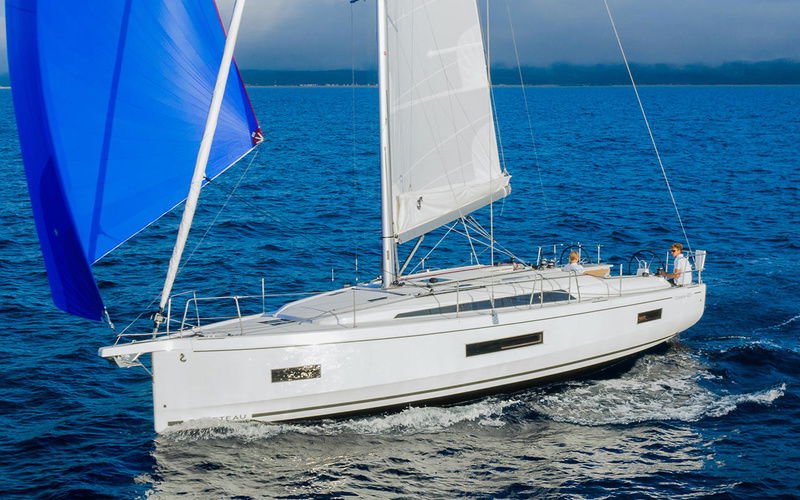
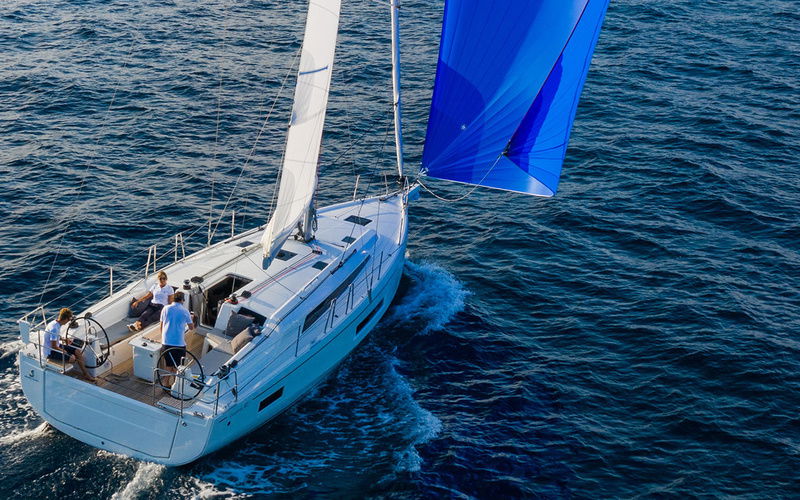
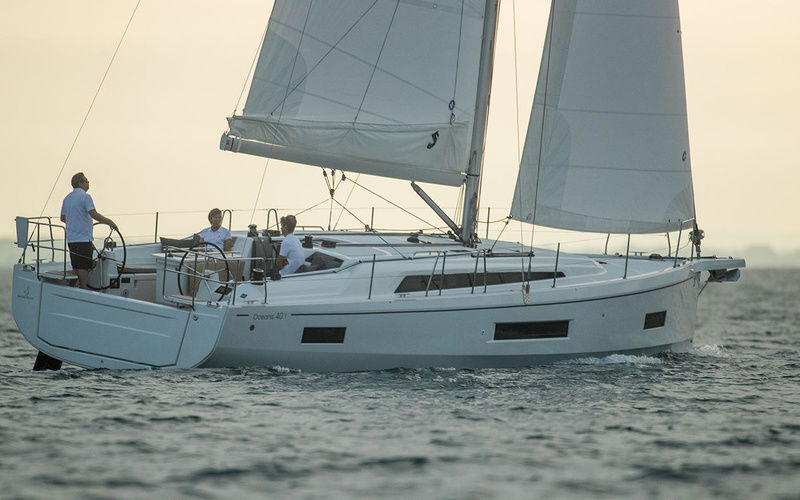
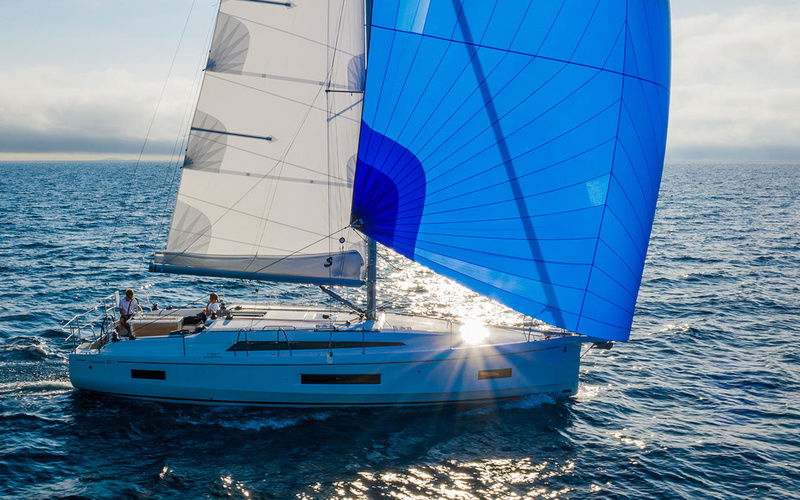
Images have been gathered from various sources and belong to their respective owners.
Latest Market Trends (Latest Available Year Model)
Price: $396,971
Review - Beneteau Oceanis 40.1

MarineBroker
09/25/2024, 6:10 AM
2020 Beneteau Oceanis 40.1: What Owners Should Know Before Buying, Sailing, or Upgrading
The 2020 Beneteau Oceanis 40.1 is one of those boats that gets people excited for good reason. It’s roomy, modern, and designed to make cruising feel easier without giving up the sailing performance many owners still want. But if you’re researching this model, you’re probably not just looking for specs. You’re likely trying to answer a more practical question: is this the right boat for the way you actually sail?
That’s where things get interesting. A 40-foot cruiser can look perfect on paper, yet still feel wrong if you plan to do mostly short-handed sailing, family trips, coastal cruising, or longer passage-making. The challenge with the 2020 Beneteau Oceanis 40.1 is not whether it’s a good boat—it is—but whether its layout, systems, and sailing characteristics match your needs.
In this guide, we’ll break down what makes the 2020 Beneteau Oceanis 40.1 stand out, the most common pain points buyers and owners run into, and how to evaluate whether it’s the right fit. If you’re comparing boats, planning an upgrade, or trying to get more out of your current one, this should help you make a smarter decision.
- Why the 2020 Beneteau Oceanis 40.1 stands out
The Oceanis 40.1 was designed to offer a balance of comfort, speed, and easy handling. That combination is a big part of its appeal. For many sailors, it hits a sweet spot between a pure cruising boat and something that still feels lively under sail.
One of the biggest reasons people like this model is the volume. Beneteau made good use of the hull shape, which means the interior feels larger than you might expect for a boat in this size range. The beam carried aft creates a spacious salon, generous cabins, and a cockpit that feels practical for entertaining or family cruising.
It also has a modern sailing profile. The rig and sail plan are set up to make the boat manageable, especially with the right sail controls and optional equipment. That matters because a 40-footer can quickly become tiring if it’s not easy to handle in variable conditions.
For buyers, the main attraction is simple:
- Comfortable liveaboard or cruising layout
- Good use of interior volume
- Modern styling and equipment options
- Manageable handling for a boat of this size
That said, a boat can be impressive and still not be ideal for every sailor. The key is understanding where the common trade-offs show up.
- The main problem many buyers face with the 2020 Beneteau Oceanis 40.1
The most common issue isn’t a defect. It’s expectation mismatch.
People often fall in love with the space and layout, then later realize they need to think more carefully about how they’ll use the boat. A roomy cruiser can be fantastic for weekends and family trips, but if you expect offshore performance, minimalist systems, or very nimble close-quarters handling, you may need to plan around a few compromises.
Here are the most common pain points:
- Windage and docking stress: The boat’s size and freeboard can make tight marina maneuvers more demanding, especially in crosswinds.
- Weight and sail handling: Depending on the sail inventory and setup, the boat can feel underpowered in lighter air or require more attention when reefing.
- Systems complexity: More comfort often means more systems to maintain, from electrical loads to plumbing and electronics.
- Storage and load management: The spacious interior invites you to bring more gear, but overloading any cruiser affects performance and safety.
- Used-boat condition variability: On a 2020 model, previous ownership matters a lot. Maintenance history can make the difference between a great boat and a frustrating one.
So the real problem is not “Is the 2020 Beneteau Oceanis 40.1 good?” It’s “How do you make sure it performs the way you want it to?”
- How to decide if the 2020 Beneteau Oceanis 40.1 fits your sailing style
Before you get too deep into specs, think about your actual sailing habits. This boat tends to make the most sense for people who value comfort, easy cruising, and versatile family use.
It’s a strong fit if you:
- Cruise coastal waters or islands
- Sail with family or guests
- Want a boat that feels like a floating apartment without being huge
- Prefer relaxed passages over aggressive performance sailing
- Plan to use the boat for weekends, vacations, or extended liveaboard time
It may be less ideal if you:
- Want a very light, performance-focused sailboat
- Regularly sail in heavy offshore conditions without extra preparation
- Prefer a simpler, more stripped-down setup
- Need extremely easy single-handed docking in tight harbors
A good rule of thumb: if your priority is comfortable cruising with respectable sailing ability, the Oceanis 40.1 is worth serious attention. If your priority is speed-first sailing, you may want to compare it with more performance-oriented designs.
- What to inspect on a used 2020 Beneteau Oceanis 40.1
If you’re buying a used 2020 Beneteau Oceanis 40.1, your biggest advantage is that the boat is still relatively modern. But even newer boats can hide expensive issues if they weren’t maintained properly.
A careful survey should focus on the following areas.
- Rig and sails
Check the standing rigging, chainplates, halyards, sheets, and sail condition. If the boat has been heavily used, sail stretch and wear can affect performance more than many buyers expect.
Look for:
- Corrosion at fittings
- Chafe on lines
- UV damage on sail covers and exposed sail edges
- Evidence of mast tuning issues
- Deck hardware and control systems
Winches, clutches, traveler systems, and furling gear should all operate smoothly. A boat like this is often used with a small crew, so controls need to be reliable and easy to reach.
- Engine and propulsion
Inspect service records carefully. Engine hours matter, but maintenance history matters more. Check for:
- Routine oil and filter changes
- Cooling system service
- Propeller condition
- Shaft or saildrive maintenance, depending on configuration
- Electrical system
Modern cruising boats tend to have more electronics, and that means more potential failure points. Test:
- Battery charging
- Shore power
- Inverter or battery monitor systems
- Navigation electronics
- Lighting and pumps
- Interior moisture and leaks
Even newer boats can develop leaks around ports, hatches, deck fittings, and windows. Moisture can create hidden damage over time, so don’t skip this step.
- Hull and keel areas
Ask for a haul-out inspection if possible. Check for blisters, impact damage, and signs of grounding. On any cruiser, keel attachment areas deserve careful attention.
A detailed survey is not just about avoiding big repair bills. It also tells you how the boat was treated, which is often the best predictor of future ownership satisfaction.
- Making the 2020 Beneteau Oceanis 40.1 easier to sail
One of the best things about this model is that it can be set up to suit different levels of experience. If the boat feels a little more demanding than you’d like, there are practical ways to improve handling.
Here are some of the most effective upgrades and adjustments:
- Add or improve sail handling systems
- Consider a furling headsail if not already equipped
- Make sure reefing lines are easy to reach from the cockpit
- Upgrade worn blocks and clutches for smoother operation
- Simplify docking and close-quarters control
- Practice with spring lines and prop walk
- Use high-quality dock lines and fenders
- Consider bow thruster options if your sailing area is tight or windy
- Improve sail balance
- Properly tune the rig
- Adjust sail trim for the boat’s loading condition
- Avoid carrying unnecessary weight forward or high up
- Upgrade comfort without overcomplicating the boat
- Better battery monitoring
- Efficient charging setup
- Reliable ventilation and shade solutions
- Improved cockpit covers or sun protection
The goal is to make the boat easier to live with, not to turn it into something it isn’t. Small, thoughtful improvements often make the biggest difference.
- Why weight and loading matter more than most people think
This is one of the easiest things to overlook on a cruising boat. The 2020 Beneteau Oceanis 40.1 has plenty of room, which is great, but that space can lead to overpacking.
Extra gear affects:
- Speed in light air
- Acceleration out of tacks
- Fuel economy under power
- Heel behavior
- Docking response in wind
A boat loaded for a long family cruise will not feel the same as one sailed lightly. That’s not a flaw—it’s just physics.
To keep the boat performing well:
- Store heavy items low and centered
- Avoid unnecessary gear in the bow
- Keep water and fuel loads appropriate for the trip
- Remove unused cruising equipment when not needed
A well-trimmed cruiser often feels more responsive, safer, and more enjoyable than a heavily loaded one.
- Best use cases for the 2020 Beneteau Oceanis 40.1
Some boats are versatile, but they still shine in specific roles. The Oceanis 40.1 is especially strong in a few scenarios.
- Family cruising
The interior layout and cockpit space make it a comfortable family boat. There’s enough room for everyone to relax without feeling cramped.
- Couple sailing with guests
For two people, this boat can feel like a very manageable home base. When guests come aboard, the layout still works well.
- Charter-style ownership
If you plan to share the boat or use it in a vacation setting, the combination of comfort and easy access is a major plus.
- Coastal cruising and island hopping
This is where the boat’s strengths really show. It’s comfortable at anchor, practical in marinas, and pleasant for day-to-day sailing.
If your sailing life looks like any of these, the 2020 Beneteau Oceanis 40.1 deserves a close look.
- Common mistakes to avoid with this model
A lot of frustration with any sailboat comes from avoidable mistakes. With this boat, the biggest ones are usually simple.
- Buying based on cabin space alone
Spacious interiors are great, but don’t ignore handling and maintenance.
- Skipping a proper sea trial
A dockside walk-through won’t tell you how the boat balances under sail or how it behaves in real conditions.
- Ignoring maintenance records
A well-documented boat is usually worth more than a “clean-looking” one with no service history.
- Overlooking sail inventory
The wrong sails can make a good boat feel sluggish or hard to manage.
- Not planning for your actual cruising style
Weekend use, liveaboard life, and offshore passagemaking all place different demands on the boat.
If you avoid those mistakes, you’ll have a much clearer picture of whether the boat is right for you.
- Practical buying checklist for the 2020 Beneteau Oceanis 40.1
Before making an offer, use a simple checklist to keep the process grounded.
- Review maintenance and service records
- Inspect sails, rigging, and deck hardware
- Test all onboard systems
- Schedule a professional survey
- Do a sea trial in varied conditions if possible
- Compare the boat’s setup to your sailing needs
- Estimate annual ownership costs, not just purchase price
That last point matters a lot. A boat that looks affordable upfront can become expensive if it needs immediate upgrades, repairs, or system replacements.
- How to get the most value from a 2020 Beneteau Oceanis 40.1
If you already own this model, or you’re about to, the best way to get value from it is to keep the boat aligned with your sailing goals.
That means:
- Maintaining the rig and sails before they become a problem
- Keeping weight under control
- Investing in upgrades that improve safety and ease of use
- Staying ahead of routine service
- Learning the boat’s handling characteristics instead of fighting them
The Oceanis 40.1 rewards owners who use it as intended: a comfortable, modern cruising sailboat that still wants to be sailed well. When it’s set up properly, it can be a very satisfying boat to live with.
- 2020 Beneteau Oceanis 40.1 as a practical cruising solution
The 2020 Beneteau Oceanis 40.1 works best when you see it as more than a pretty interior with a big cockpit. It’s a capable cruising sailboat that offers a lot of comfort, but like any boat, it performs best when matched to the right owner and maintained with care.
If your main concern is finding a sailboat that balances space, style, and manageable sailing, this model is a strong candidate. The key is to inspect it carefully, understand the trade-offs, and set it up for the kind of sailing you actually do. That’s the practical solution: not just buying a good boat, but buying the right boat for your life on the water.
If you’re comparing options, it’s worth looking at real owner experiences, survey findings, and sail plans before making a final call. A little research now can save a lot of time, money, and stress later.
Specifications
General
Boat Type: Sail Boats
Class Type: Cruiser
Specifications
Length: 42.22
Beam: 13.71
Draft: 7.45
Hull Material: GRP
Build
First Built: 2020
Propulsion
Fuel Type: Diesel
Engines: 1
Power: 45 HP
Brand: Yanmar
Accomodation
Berths: 4
Cabins: 2
Bathrooms: 1
PROS & CONS
What we appreciated
 Modern, stylish design with excellent use of spaceComfortable and spacious interior with good natural lightGood sailing performance for a cruiserWell-equipped with advanced navigation and safety systemsSolid build quality and reputable brand reliability
What we didn’t appreciate
 May be more expensive compared to similar-sized competitorsSome owners report limited storage space below deckCockpit seating can be less comfortable for extended periodsEngine access can be somewhat restrictedNot optimized for high-performance racing
Upkeep Costs
Insurance: $1,200 - $2,000 per year
Docking/Marina Fees: $3,000 - $6,000 per year
Maintenance and Repairs: $2,000 - $4,000 per year
Winter Storage: $1,000 - $2,500 per year
Fuel and Engine Costs: $500 - $1,500 per year
Rating
7.9
User
Score
Score
Driveability
Technology
Interior
Design
Similar Boats


MarineBroker
Download now for an immersive boat experience like never before! ⛵✨ Your journey begins with a simple click. 🌊📲
#SetSailSmart #DownloadNow
#SetSailSmart #DownloadNow

Subscribe
Copyright 2017 - 2026, Marinebroker.net, All Rights Reserved