Boat Database » Alumacraft Pro 175
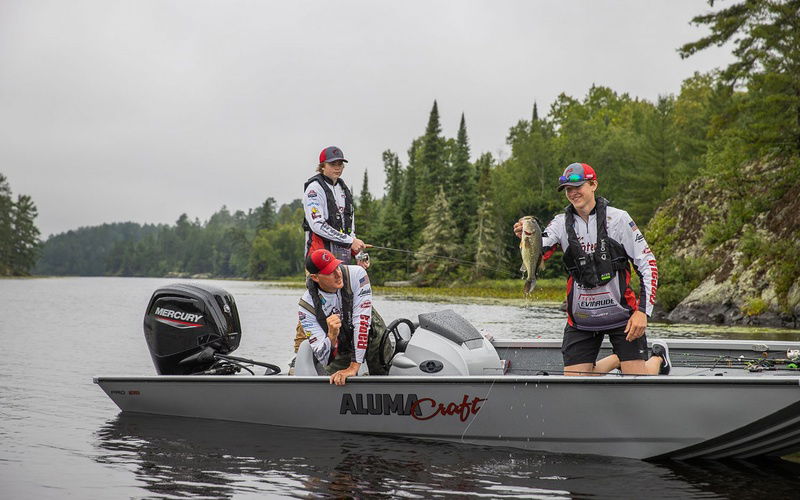
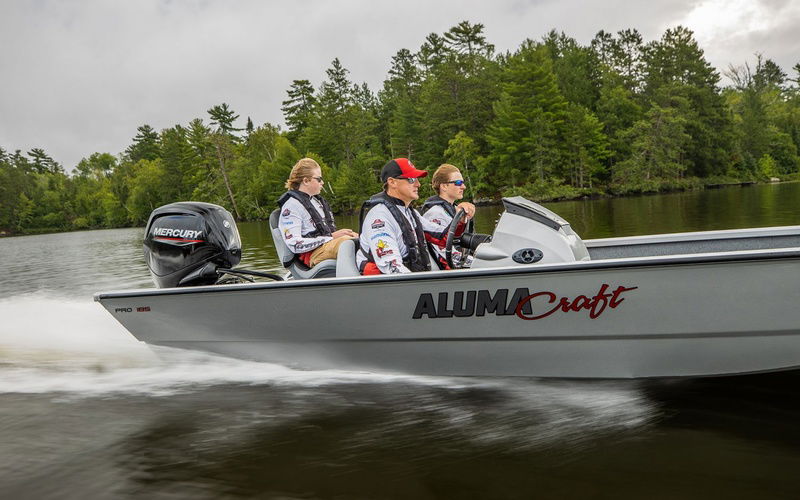
Alumacraft Pro 175
Outboard four-stroke, Unleaded, 1x 50 HP
Power Boats 2014 Alumacraft Pro 175: What to Check, Fix, and Improve for a Better Day on the Water
If you’re looking at a 2014 Alumacraft Pro 175, chances are you already know it’s a solid aluminum fishing boat with a lot going for it. It’s ...
Discover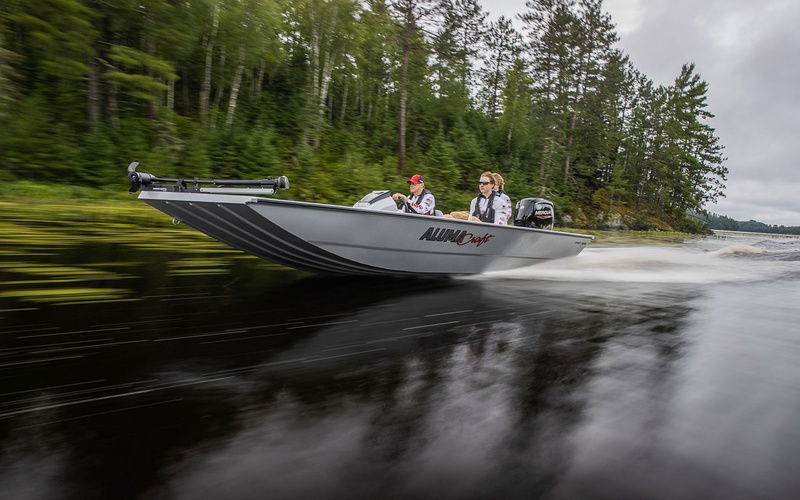

Images have been gathered from various sources and belong to their respective owners.
Review - Alumacraft Pro 175

MarineBroker
02/26/2024, 9:01 AM
2014 Alumacraft Pro 175: What to Check, Fix, and Improve for a Better Day on the Water
If you’re looking at a 2014 Alumacraft Pro 175, chances are you already know it’s a solid aluminum fishing boat with a lot going for it. It’s a popular size for anglers who want something manageable on the trailer, stable enough to fish comfortably, and versatile enough for lakes, rivers, and weekend trips. But like any used boat, the real challenge isn’t just finding one — it’s knowing what to check before buying, and what to do after you get it home.
That’s where a lot of people get stuck. A boat can look great in photos and still have hidden issues like worn wiring, tired pumps, trailer problems, or small hull damage that turns into a headache later. The good news is that most of these concerns are manageable if you know what to look for and how to prioritize fixes.
In this article, we’ll walk through the most common problem areas on a 2014 Alumacraft Pro 175, how to inspect them, and the practical steps that can help you get the boat running reliably without overcomplicating things.
- What Makes the 2014 Alumacraft Pro 175 a Popular Used Boat Choice
The 2014 Alumacraft Pro 175 sits in a sweet spot for many boaters. It’s large enough to feel stable and fishable, but not so big that it becomes a hassle to tow, launch, or store.
For anglers, that balance matters. You want a boat that handles everyday use without demanding a huge truck, expensive slip fees, or constant maintenance surprises. The Pro 175 is often appealing because it can be rigged for trolling motors, electronics, rod storage, and livewell use without feeling overly complicated.
A used model can be a smart buy, especially if the previous owner kept up with maintenance. Still, the age of the boat means you should expect normal wear in a few key areas:
- Electrical systems
- Trailer components
- Seats and vinyl
- Pumps and plumbing
- Carpet or deck surfaces
- Outboard maintenance history
The biggest mistake buyers make is focusing only on the hull and engine. Those matter, of course, but the smaller systems often tell you more about how the boat was actually cared for.
- The Most Common Problem with a 2014 Alumacraft Pro 175
The most common issue with a boat of this age is not one major failure — it’s a collection of smaller maintenance problems that add up.
That usually includes:
- Corroded connections in the electrical system
- Weak batteries or charging issues
- A livewell or bilge pump that’s slow or unreliable
- Trailer lights that don’t work consistently
- Worn tires, bearings, or trailer bunks
- Loose hardware from years of vibration
- Cosmetic wear that hides deeper neglect
In many cases, the boat itself is still structurally fine. The problem is that older aluminum fishing boats often get used hard and maintained lightly. If you’re shopping for a 2014 Alumacraft Pro 175, the key is separating normal aging from real red flags.
A boat that has a few tired components can still be a good buy. A boat with neglected systems everywhere may become more expensive than it first appears.
- How to Inspect a 2014 Alumacraft Pro 175 Before You Buy
A careful inspection can save you from buying someone else’s project. You don’t need to be a marine mechanic to spot warning signs, but you do need to slow down and check the boat methodically.
Here’s a practical approach.
- Start with the hull and transom
Walk around the boat and look closely at the hull for:
- Dents
- Deep gouges
- Cracks around rivets or welds
- Signs of patching
- Scrapes near the keel
Small cosmetic marks are normal on a used aluminum boat. What you want to avoid are signs of impact damage or repairs that look rushed.
Check the transom carefully too. Push on it firmly and look for flex, soft spots, or corrosion around the mounting area. A weak transom is a serious issue and can be expensive to fix.
- Check the deck and floor
Step around the boat and listen for soft spots or flexing. The deck should feel solid underfoot.
Pay attention to:
- Carpet condition
- Loose seams
- Soft flooring
- Water stains
- Evidence of previous leaks
If the deck feels spongy, that can point to water intrusion or hidden rot in any wood components. Even on aluminum boats, some deck construction may involve materials that can degrade over time.
- Inspect wiring and electronics
Electrical problems are extremely common in older fishing boats. Open compartments and look for:
- Corroded terminals
- Spliced wires wrapped in tape
- Cracked insulation
- Loose battery mounts
- Non-working switches
If the boat has fish finders, a trolling motor, or accessory lights, test them one by one. Don’t assume “it just needs a battery.” Sometimes the issue is a deeper wiring fault.
- Test pumps and livewell systems
Turn on the bilge pump and livewell pump if the boat has them. Listen for operation and check water flow if possible.
A weak pump might still run, but that doesn’t mean it’s doing the job. If the livewell fills slowly or the bilge doesn’t clear water properly, those are fixable problems — but they should factor into your decision.
- Examine the trailer
The trailer is easy to overlook, but it’s part of the package.
Check:
- Tire age and tread
- Bearing grease and hub heat
- Brake condition if equipped
- Winch operation
- Bunks or rollers
- Frame rust or corrosion
- Lights and wiring
A trailer in rough shape can turn a decent boat into a frustrating ownership experience fast. If you’re planning to travel to different lakes, trailer reliability matters a lot.
- 2014 Alumacraft Pro 175 Maintenance Issues You Should Expect
Even if the boat is in good shape, a 2014 model is old enough that some maintenance items should be expected. That doesn’t mean the boat is a bad choice. It just means you should budget realistically.
Here are the most common maintenance areas.
- Batteries and charging
If the boat still has older batteries, replace them unless you can verify they are recent and healthy. Weak batteries cause all kinds of false problems, from sluggish electronics to poor trolling motor performance.
A simple battery test can tell you a lot:
- Does it hold a charge?
- Does voltage drop quickly under load?
- Are terminals clean and tight?
If the boat uses multiple batteries, label them and make sure the charging system is working correctly.
- Pumps and hoses
Bilge pumps, livewell pumps, and hoses age over time. Even if they still work, they may be near the end of their service life.
Look for:
- Cracked hoses
- Leaks at fittings
- Weak water flow
- Pump noise that sounds strained
These parts are usually not too expensive, and replacing them proactively can prevent bigger headaches on the water.
- Trailer bearings and tires
If a used boat has sat for a while, trailer bearings can dry out and tires can age out even if the tread looks okay. Tire rubber degrades over time, so check the date codes.
A good rule: if you don’t know the age of the trailer tires, assume they may need replacement.
- Hardware and fasteners
Vibration loosens things over time. On a fishing boat, that can mean seat bases, rod holders, cleats, hinges, and compartment latches.
Go through the boat and tighten anything that feels loose. If you see stripped screws or corroded bolts, replace them with marine-grade hardware.
- The Best Way to Solve Problems with a 2014 Alumacraft Pro 175
The smartest solution is not to “fix everything” at once. It’s to prioritize.
Start with safety and reliability, then move to comfort and convenience.
- Priority 1: Safety and structure
Fix these first:
- Transom issues
- Hull damage
- Trailer bearing problems
- Faulty trailer lights
- Steering problems
- Electrical shorts
These are the kinds of issues that can affect whether the boat is safe to use or safe to tow.
- Priority 2: Core operating systems
Next, address:
- Batteries
- Bilge pump
- Livewell pump
- Trolling motor wiring
- Fuel system condition
- Charging system
Once these are sorted out, the boat becomes much more dependable.
- Priority 3: Comfort and usability
After the essentials, work on:
- Seats
- Carpet
- Storage latches
- Rod holders
- Electronics upgrades
- Cosmetic cleanup
These improvements won’t necessarily keep the boat from running, but they make it much more enjoyable to own.
- Practical Fixes That Often Make a Big Difference
A used 2014 Alumacraft Pro 175 often responds well to a few targeted upgrades and repairs.
- Replace old batteries
Fresh batteries can instantly improve the boat’s reliability. If you fish with electronics and a trolling motor, this is one of the best investments you can make.
- Clean and protect electrical connections
Use dielectric grease where appropriate and replace corroded terminals. A lot of “mystery problems” come from poor connections rather than failed components.
- Service the trailer
If the trailer hasn’t been serviced recently, do it before you trust it on long trips:
- Pack or replace bearings
- Check hubs for heat after towing
- Replace old tires
- Test all lights
- Inspect the winch strap and safety chain
- Flush and test pumps
A pump that has been sitting can sometimes improve with cleaning, but if it’s weak or inconsistent, replacement is often the better call.
- Seal small leaks early
If you spot a leak around fittings, rivets, or hardware, fix it before water intrusion causes more trouble. Small leaks are much easier to solve than soaked compartments or hidden corrosion.
- Upgrade the boat where it matters most
For many owners, the best upgrades on a 2014 Alumacraft Pro 175 are practical ones:
- Better fish finder
- More efficient trolling motor
- LED lighting
- Better battery management
- Improved seat comfort
These upgrades can make an older boat feel much more modern without requiring a full rebuild.
- What to Look for in a Well-Cared-For 2014 Alumacraft Pro 175
Not all used boats are equal. A well-maintained boat usually shows it in small ways.
Good signs include:
- Clean wiring
- Dry storage compartments
- Tight hardware
- Even wear on the trailer
- Records of service
- Matching batteries and proper mounting
- Clean engine maintenance history
If the seller can show oil changes, impeller service, or trailer maintenance records, that’s a strong positive.
Also pay attention to how the boat was stored. Indoor storage or a covered setup usually helps preserve wiring, carpet, seats, and electrical systems much better than long-term outdoor exposure.
- Common Red Flags to Avoid
Some issues are manageable. Others should make you pause.
Watch out for:
- A soft or damaged transom
- Heavy corrosion in wiring or connectors
- Water pooling in storage compartments
- Trailer rust that goes beyond surface level
- Engine service history that’s missing or vague
- Evidence of major patch jobs on the hull
- A seller who won’t allow a water test
A water test is one of the best ways to learn how the boat really behaves. It helps you check steering, trim, pump function, stability, and engine performance under actual conditions.
If a seller refuses a test run without a good reason, that’s worth thinking twice about.
- Is the 2014 Alumacraft Pro 175 Still Worth It?
For the right buyer, yes.
A 2014 Alumacraft Pro 175 can still be a very practical fishing boat if it has been maintained properly and inspected carefully. It offers a good mix of size, stability, and utility, which is why boats like this remain popular on the used market.
The real value comes from buying smart. If you focus on the boat’s condition instead of just the model name, you’re much more likely to end up with something dependable.
In other words, the boat itself is only part of the equation. Maintenance history, trailer condition, and system health matter just as much.
- Simple Buying Checklist for Peace of Mind
Before you commit, run through this quick checklist:
- Inspect hull and transom
- Check deck firmness
- Test all electrical accessories
- Run bilge and livewell pumps
- Review engine maintenance history
- Inspect trailer tires and bearings
- Look for leaks or corrosion
- Ask for a water test
- Budget for immediate maintenance after purchase
If most of these check out, you’re in a much better position to make a confident decision.
- Conclusion
A 2014 Alumacraft Pro 175 can be a great boat, but like any used fishing rig, it’s all about condition, not just the badge on the side. The most common problems usually come from age-related wear in the electrical system, trailer, pumps, and hardware rather than from one major flaw.
The best solution is a careful inspection, smart prioritization, and a realistic maintenance plan. Focus first on safety and reliability, then move into comfort and upgrades. That approach helps you avoid surprise costs and enjoy the boat the way it was meant to be used. If you’re still comparing options or planning your inspection, it’s worth taking your time and checking the details that matter most.
Specifications
General
Boat Type: Power Boats
Class Type: Freshwater Fishing
Specifications
Length: 17.39
Beam: 6.89
Draft: 0.66
Hull Material: Aluminium
Build
First Built: 2014
Propulsion
Fuel Type: Unleaded
Engines: 1
Power: 50 HP
Brand: Mercury
Accomodation
PROS & CONS
What we appreciated
 Durable aluminum construction providing long-lasting performanceLightweight design for easy towing and launchingSpacious interior with ample storage compartmentsVersatile for fishing with rod holders and livewell optionsGood fuel efficiency with smaller outboard engines
What we didn’t appreciate
 Limited seating capacity compared to larger boatsBasic amenities and comfort features may be lackingNot ideal for rough water conditions due to smaller sizeMinimal cabin or shelter optionsOlder model may lack modern electronics and upgrades
Upkeep Costs
Fuel: Approximately $500-$800 per year depending on usage and fuel prices
Maintenance: Around $300-$600 annually for engine servicing and hull upkeep
Insurance: Typically $200-$400 per year depending on coverage and location
Storage: Varies widely; estimated $300-$1,000 per year for marina or dry storage
Registration and Taxes: Approximately $50-$150 annually depending on state

Rating
5.7
User
Score
Score
Driveability
Technology
Interior
Design
Similar Boats


MarineBroker
Download now for an immersive boat experience like never before! ⛵✨ Your journey begins with a simple click. 🌊📲
#SetSailSmart #DownloadNow
#SetSailSmart #DownloadNow

Subscribe
Copyright 2017 - 2026, Marinebroker.net, All Rights Reserved