Boat Database » Alumacraft Waterfowler 17 TL
Alumacraft Waterfowler 17 TL
Outboard four-stroke, Unleaded, 1x 25 HP
Power Boats 2020 Alumacraft Waterfowler 17 TL: A Practical Guide for Duck Hunters Who Want a Better Setup
If you’ve been looking at the 2020 Alumacraft Waterfowler 17 TL, you probably already know it’s built for a very specific kind of boati...
Discover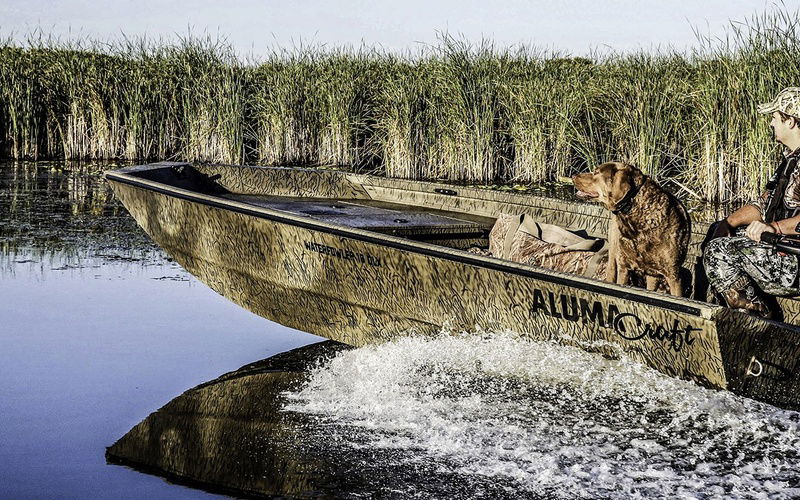

Images have been gathered from various sources and belong to their respective owners.
Review - Alumacraft Waterfowler 17 TL

MarineBroker
02/29/2024, 6:52 AM
2020 Alumacraft Waterfowler 17 TL: A Practical Guide for Duck Hunters Who Want a Better Setup
If you’ve been looking at the 2020 Alumacraft Waterfowler 17 TL, you probably already know it’s built for a very specific kind of boating: getting into shallow, marshy, hard-to-reach water where bigger boats just don’t make sense. That’s a big part of the appeal. For hunters, anglers, and backwater explorers, a boat like this can open up access to places that feel almost untouched.
But here’s the real challenge: choosing and using a hunting boat isn’t just about picking a model with the right name on the side. A lot of people run into the same frustrations—too much draft, not enough stability, awkward gear storage, noisy movement in the blind, or a layout that looks good on paper but feels cramped once you load it with decoys, batteries, guns, and a partner. That’s where understanding the 2020 Alumacraft Waterfowler 17 TL in a real-world way helps.
In this article, we’ll break down what makes this boat useful, what kind of problems it can help solve, and how to get the most out of it. If you’re trying to figure out whether this rig fits your hunting style, you’re in the right place.
- What Makes the 2020 Alumacraft Waterfowler 17 TL Stand Out
The 2020 Alumacraft Waterfowler 17 TL is part of a boat category that’s all about utility. It’s designed for hunters who need a shallow-water aluminum boat that can handle rougher conditions than a standard jon boat, while still staying manageable to tow, launch, and run.
At a glance, the appeal is pretty straightforward:
- Lightweight aluminum construction
- Shallow draft for marshes, sloughs, and backwater routes
- Open layout that supports hunting gear and blind setups
- Practical size for solo hunters or a small crew
- Easy customization for duck hunting and other outdoor use
The “problem” this boat helps solve is simple: many hunters want access without the burden of a full-size boat. A larger boat may be more comfortable, but it can be harder to launch, harder to hide, and less capable in skinny water. The Waterfowler 17 TL sits in that sweet spot where mobility and function meet.
For people who hunt flooded timber, cattail marshes, beaver ponds, or shallow river systems, that matters a lot.
- The Main Problem Hunters Face: Access Without Compromise
Most people shopping for a boat like the 2020 Alumacraft Waterfowler 17 TL aren’t just buying transportation. They’re trying to solve a logistics problem.
They need to get:
- Into shallow water
- Through narrow channels
- Over mud, vegetation, and uneven bottom
- In and out quickly, often before sunrise
- Back out safely with gear, dogs, and decoys
The issue is that many boats do one thing well but fail in other areas. A boat may be stable but too heavy. Another may be light but feel flimsy. Some are roomy but noisy. Others are compact but frustrating once you add real hunting gear.
That’s why a boat like this is attractive. It’s built around the idea that hunters need a practical platform, not a luxury cruiser. Still, getting the best results from it depends on how you set it up and use it.
- Why the 2020 Alumacraft Waterfowler 17 TL Fits Real Hunting Needs
One of the biggest strengths of the 2020 Alumacraft Waterfowler 17 TL is that it’s purpose-built for outdoor work. It’s not trying to be everything to everyone.
That focus helps in a few important ways:
- It’s easier to maneuver in tight areas
- It’s better suited to shallow launches
- It gives you a stable base for hunting gear
- It can be adapted to different hunting styles
For many buyers, this means less time fighting the boat and more time hunting.
If you’ve ever spent a morning wrestling with a setup that didn’t match your environment, you already know how valuable that is. A boat that’s too deep in the water can spook birds, limit access, and make loading miserable. A boat that’s too small can leave you feeling cramped and disorganized. The Waterfowler 17 TL aims to reduce those tradeoffs.
That said, no boat is perfect out of the box. The real solution is learning how to optimize it for your hunting style.
- Key Features That Matter More Than Flashy Extras
When people shop for hunting boats, it’s easy to get distracted by features that sound impressive but don’t affect real use very much. For the 2020 Alumacraft Waterfowler 17 TL, the practical details matter more than anything else.
Here’s what usually matters most:
- Hull material and durability
Aluminum is a big plus for hunters because it’s tough, relatively light, and easier to maintain than many alternatives. It can take a few bumps that would make a fiberglass setup stressful.
- Shallow-water capability
This is one of the main reasons people choose a boat like this. Less draft means you can reach places that are off-limits to deeper boats.
- Open deck layout
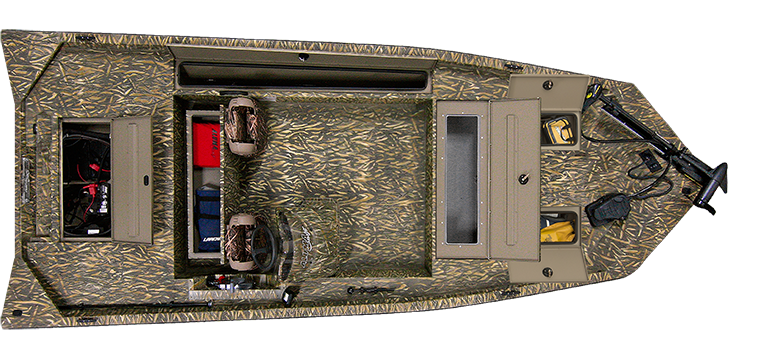
A clean, open layout gives you room for decoys, coolers, blind material, dog crates, and gear bags without feeling boxed in.
- Stability at rest
Hunting often means standing, turning, loading, and shifting gear. A stable platform makes the whole experience safer and more comfortable.
- Customization potential
Many hunters want to add a blind, camo treatment, storage solutions, lighting, or a trolling motor. A boat like this is usually easier to adapt than a more complicated rig.
These features don’t just make the boat “nice.” They directly solve common hunting headaches.
- How to Make the 2020 Alumacraft Waterfowler 17 TL Work Better for You
The best solution for most buyers isn’t just choosing the right boat. It’s setting it up correctly.
A well-planned hunting boat can feel like a completely different machine compared to a poorly organized one. That’s especially true for a model like the 2020 Alumacraft Waterfowler 17 TL, where utility is the whole point.
Here are some practical ways to improve performance and comfort:
- Keep weight balanced
Load gear evenly from bow to stern and side to side. Uneven weight can reduce performance in shallow water and make the boat feel less stable.
- Simplify your gear layout
Use storage bins, soft bags, and labeled containers. The less clutter you have on deck, the easier it is to move quietly and safely.
- Add a hunting blind or concealment system
In open marshes, concealment matters. A low-profile blind can help the boat blend into the environment and reduce visibility to birds.
- Choose the right propulsion setup
Depending on where you hunt, a trolling motor, outboard, or mud motor may make more sense. The right choice depends on water depth, vegetation, and travel distance.
- Use non-slip surfaces
Wet decks and muddy boots are part of the game. Traction mats or coated surfaces can make a big difference in safety.
- Reduce noise wherever possible
Loose gear, metal-on-metal contact, and rattling storage can spook game. Quiet storage and padded contact points help a lot.
These small adjustments often matter more than people expect. In the field, efficiency and stealth usually beat fancy features.
- Best Use Cases for the 2020 Alumacraft Waterfowler 17 TL
This boat is especially useful in environments where access and concealment are more important than speed or luxury.
It tends to shine in:
- Marshes and wetlands
- Shallow lakes and backwaters
- Flooded timber
- River edges and sloughs
- Remote hunting spots with limited ramp access
It’s also a good fit for hunters who prefer a smaller, easier-to-manage boat. If you’re often launching alone or with one partner, a compact hunting rig can be much less stressful than a larger setup.
For example, a solo hunter heading into a shallow marsh before daylight may care more about quick launch, easy navigation, and low-profile concealment than about passenger capacity. In that scenario, a boat like the Waterfowler 17 TL makes a lot of sense.
If your hunting style involves long runs across big water, rough open lakes, or carrying several people and lots of heavy equipment, you may want a different setup. But for backwater work, this boat is in its element.
- Common Mistakes People Make With Hunting Boats Like This
A lot of frustrations with hunting boats come from setup mistakes, not from the boat itself.
Here are some of the most common ones:
- Overloading the boat
Too much gear can hurt performance, make the boat sit lower, and increase the chance of a messy, unsafe layout.
- Ignoring weight distribution
Packing everything in one area can throw off handling and make shallow-water travel harder.
- Using the wrong prop or motor for the environment
A setup that works in open water may struggle badly in vegetation-heavy marshes.
- Skipping concealment planning
If birds can spot your boat from a distance, even a good location may not produce results.
- Leaving gear loose
Noise is one of the fastest ways to ruin a setup.
- Not practicing launch and load routines
A boat that’s easy to use in theory can still be frustrating if you haven’t worked out the process before hunting season.
The fix is usually straightforward: keep the boat simple, test your layout before opening day, and make changes based on how you actually hunt.
- What to Look for When Buying a Used 2020 Alumacraft Waterfowler 17 TL
If you’re considering a used 2020 Alumacraft Waterfowler 17 TL, it helps to inspect it like a hunter, not just a shopper.
Pay attention to:
- Hull condition and dents
- Signs of corrosion or repairs
- Floor and transom integrity
- Welds and seams
- Electrical wiring condition
- Evidence of previous blind or motor mounts
- Trailer condition if included
Also ask how the boat was used.
A hunting boat that spent most of its life in shallow marshes may show different wear than one used on cleaner inland water. Mud, sand, and repeated trailering can all affect long-term condition.
If possible, test how the boat sits in the water with a normal load. That gives you a better sense of whether it will work for your needs than a quick look on the trailer.
- How to Set Up the Boat for Better Hunting Results
If your goal is to get the most out of the 2020 Alumacraft Waterfowler 17 TL, think in terms of workflow.
A good hunting boat should help you move through the day smoothly:
- Easy to launch
- Easy to load
- Easy to hide
- Easy to clean
- Easy to reconfigure
A practical setup might include:
1. A low-profile blind or camo cover
2. Secured storage for decoys and shells
3. A dedicated spot for tools and repair items
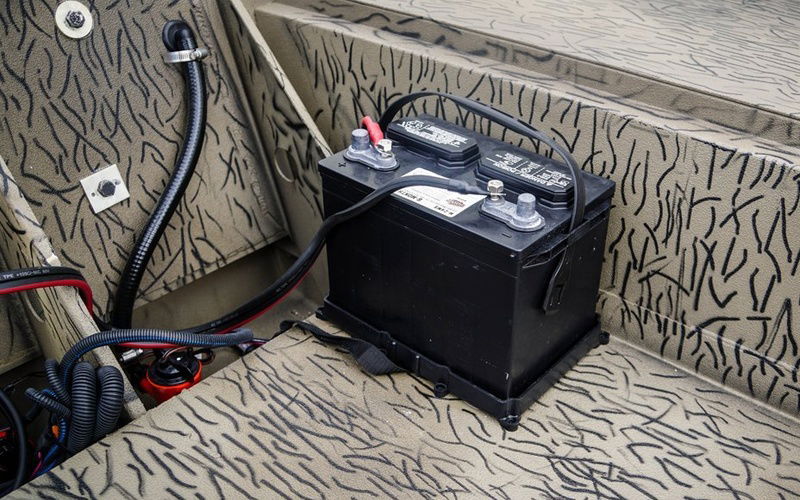
4. Battery placement that keeps the boat balanced
5. A quiet, accessible layout for guns and calls
6. Durable flooring or traction material
7. Lighting that helps at dawn and dusk without being overly bright
This kind of setup turns the boat into a real hunting platform instead of just a transport shell.
- Why Simplicity Often Wins in the Field
It’s tempting to overbuild a hunting boat. People add too many accessories, too much gear, and too many “nice-to-haves.” But in real hunting conditions, simplicity usually performs better.
A simpler setup means:
- Less noise
- Less weight
- Less maintenance
- Faster cleanup
- Easier troubleshooting
- Better mobility in shallow water
That’s one reason the 2020 Alumacraft Waterfowler 17 TL appeals to so many hunters. It gives you a practical base without forcing you into unnecessary complexity.
If your boat helps you get in and out without stress, keeps your gear organized, and stays quiet in the marsh, you’re already ahead.
- Final Thoughts on Choosing the Right Hunting Boat
The 2020 Alumacraft Waterfowler 17 TL is a good reminder that the best hunting boats are the ones that solve real problems. For many outdoorsmen, the main challenge isn’t finding a flashy boat. It’s finding a boat that can get them into shallow water, carry the gear they actually use, and stay manageable in the field.
That’s where this model makes sense. It’s practical, adaptable, and built around the realities of duck hunting and backwater travel. If you focus on smart setup, balanced loading, and quiet operation, it can become a very capable part of your hunting routine.
If you’re researching your next rig, take time to compare how different boats match your hunting environment. The right choice is usually the one that makes your day simpler, safer, and more effective.
Specifications
General
Boat Type: Power Boats
Class Type: Freshwater Fishing
Specifications
Length: 17.06
Beam: 6.89
Draft: 0.98
Hull Material: Aluminium
Build
First Built: 2020
Propulsion
Fuel Type: Unleaded
Engines: 1
Power: 25 HP
Brand: Mercury
Accomodation
PROS & CONS
What we appreciated
 Durable aluminum construction providing excellent longevity and corrosion resistanceDesigned specifically for waterfowl hunting with features like camouflage paint and multiple rod holdersLightweight and easy to tow or launchSpacious deck layout allowing for comfortable movement and gear storageGood stability in calm to moderate water conditions
What we didn’t appreciate
 Limited seating capacity, not ideal for large groups or family outingsNot suited for rough or open water due to smaller size and hull designBasic amenities and minimal comfort features compared to larger boatsStorage space may be limited for extended trips or bulky gearOutboard motor not included, so additional investment is needed
Upkeep Costs
Fuel: Approximately $800 - $1,200 per year depending on usage
Maintenance: Around $300 - $600 per year for engine and hull upkeep
Insurance: Roughly $200 - $400 annually
Storage: $500 - $1,000 per year depending on location and type
Registration and Licensing: $50 - $150 per year
Rating
4.9
User
Score
Score
Driveability
Technology
Interior
Design
Similar Boats


MarineBroker
Download now for an immersive boat experience like never before! ⛵✨ Your journey begins with a simple click. 🌊📲
#SetSailSmart #DownloadNow
#SetSailSmart #DownloadNow

Subscribe
Copyright 2017 - 2026, Marinebroker.net, All Rights Reserved