Boat Database » Alumacraft Competitor Shadow 205 CS
Alumacraft Competitor Shadow 205 CS
Outboard four-stroke, Unleaded, 1x 150 HP
Power Boats 2020 Alumacraft Competitor Shadow 205 CS: What Owners Should Know Before Buying, Using, or Upgrading
If you’re looking at the 2020 Alumacraft Competitor Shadow 205 CS, chances are you’re trying to answer a few practical questions...
Discover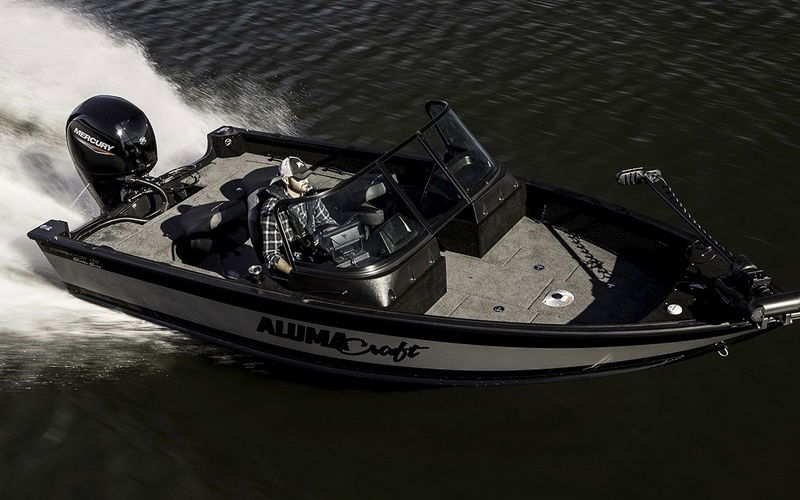

Images have been gathered from various sources and belong to their respective owners.
Review - Alumacraft Competitor Shadow 205 CS

MarineBroker
02/26/2024, 8:03 AM
2020 Alumacraft Competitor Shadow 205 CS: What Owners Should Know Before Buying, Using, or Upgrading
If you’re looking at the 2020 Alumacraft Competitor Shadow 205 CS, chances are you’re trying to answer a few practical questions before making a move. Is it the right boat for the kind of fishing you do? What should you check before buying a used one? And once you own it, how do you get the most out of it without running into annoying problems?
That’s a smart way to approach it. Boats like the 2020 Alumacraft Competitor Shadow 205 CS can be excellent fishing platforms, but like any used boat, the real value depends on condition, setup, and how well it matches your needs. A boat that looks great on paper can still disappoint if the livewell, electronics, trailer, or storage layout doesn’t fit your style.
The good news is that most of the common headaches with this model are manageable if you know what to look for. In this guide, we’ll break down the key features, common ownership concerns, buying tips, and practical ways to improve performance and comfort. Whether you’re shopping, comparing, or already own one, this article will help you make a more confident decision.
- What the 2020 Alumacraft Competitor Shadow 205 CS is designed for
The 2020 Alumacraft Competitor Shadow 205 CS is a 20-foot class aluminum fishing boat built for anglers who want a versatile, stable platform for freshwater fishing. It sits in that sweet spot between being big enough for serious fishing and manageable enough for trailer use, garage storage, and towing with a capable half-ton truck or SUV, depending on rigging.
What makes boats in this category appealing is the balance of features.
You usually get:
- A roomy casting deck
- Multiple storage compartments
- Fishing-friendly seating layout
- Livewell capability
- Good stability at rest
- Better fuel efficiency than many fiberglass alternatives
For anglers who fish lakes, reservoirs, and larger inland waters, that combination can be a big deal. The 205 CS is especially attractive to people who want a boat that can handle family time, solo trips, and multi-rod fishing days without feeling cramped.
The “problem” many buyers face is not finding a boat with enough features. It’s finding one that’s actually practical for the way they fish. A boat can look perfect in photos, but if the deck layout is awkward or the storage is shallow, it quickly becomes frustrating. That’s why understanding the real-world use case matters more than just reading specs.
- The main problem buyers run into with the 2020 Alumacraft Competitor Shadow 205 CS
The biggest issue for people interested in this boat is usually not the boat itself. It’s uncertainty.
Used boats bring a lot of variables, and the 2020 Alumacraft Competitor Shadow 205 CS is no exception. Two boats with the same model name can feel completely different depending on engine size, electronics, maintenance history, trailer condition, and how hard they were used.
Common concerns include:
- Hidden wear and tear
- Corrosion around fittings and hardware
- Weak batteries or aging wiring
- Trailer issues that get overlooked
- Livewell or pump problems
- Hull damage from trailering or docking
- Outdated electronics
- A setup that doesn’t match your fishing style
For many buyers, the real problem is confidence. They don’t want to overpay for a boat that needs several thousand dollars in repairs right after purchase.
That’s where a good inspection process becomes the solution.
- How to inspect a 2020 Alumacraft Competitor Shadow 205 CS before buying
If you’re shopping for a used 2020 Alumacraft Competitor Shadow 205 CS, don’t rush the inspection. A careful walkthrough can save you a lot of money and frustration later.
Start with the hull.
Look for:
- Dents deeper than cosmetic damage
- Scrapes near the keel and corners
- Signs of patching or repainting
- Rivet or seam issues
- Corrosion around fittings
Aluminum boats are durable, but they’re not invincible. A few scratches are normal. Structural damage, however, is a different story.
Next, inspect the deck and storage areas.
Open every compartment and check for:
- Moisture
- Mold or mildew smell
- Soft spots
- Broken hinges or latches
- Water intrusion around seals
Pay close attention to the livewell system if the boat has one. Fill it, cycle the pumps, and watch for leaks or weak flow. A livewell issue might seem small, but it can be a pain to fix if the plumbing has aged or been modified poorly.
Then check the electrical system.
Look at:
- Battery condition
- Wiring cleanliness
- Fuse blocks
- Trolling motor connections
- Navigation and bilge pump function
- Electronics mounting and power supply
Messy wiring is often a sign of rushed upgrades or inconsistent maintenance. Clean, organized wiring usually tells a better story.
Finally, inspect the trailer.
This is one of the most overlooked parts of used boat buying. A bad trailer can create problems that feel like boat issues, even when the hull is fine.
Check:
- Tire wear and age
- Bearings
- Lights
- Winch strap
- Bunks or rollers
- Rust on the frame
- Brake function if equipped
If the trailer has been sitting outside for years, assume it needs extra attention.
- Why the layout matters so much on the 2020 Alumacraft Competitor Shadow 205 CS
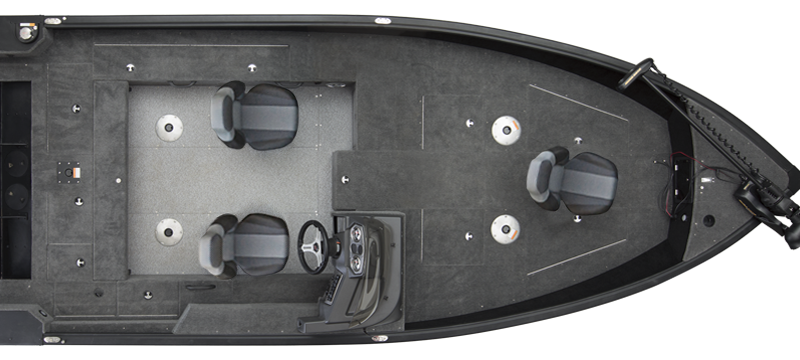
One of the biggest strengths of the 2020 Alumacraft Competitor Shadow 205 CS is its fishing-oriented layout. But whether that layout works for you depends on how you fish.
If you like to fish with a partner, you’ll want to think about:
- How easy it is to move around the cockpit
- Whether both anglers can cast comfortably
- How much gear can be stored without clutter
- Whether the seating arrangement interferes with fishing space
If you fish solo a lot, then the priorities shift:
- Easy access to tackle
- Fast movement from bow to stern
- A clean deck with minimal obstacles
- Convenient electronics placement
The best boat layout is the one that reduces friction. You want fewer moments of “where do I put this?” and more time fishing.
A good test is to imagine three scenarios:
1. Early morning solo trip
2. Full-day trip with a partner
3. Family outing with mixed use
If the boat works in all three, you’re probably looking at a good fit.
- Common upgrades that solve real-world ownership problems
A lot of owners don’t need a different boat. They just need a better setup.
Here are the most useful upgrades for a 2020 Alumacraft Competitor Shadow 205 CS:
- Better electronics
A modern fish finder or chartplotter can make a huge difference in usability. Even a solid mid-range unit can improve navigation, structure finding, and fishing efficiency.
- Trolling motor improvements
If the boat came with an older trolling motor, upgrading can improve spot-lock, battery life, and control in wind or current.
- Battery system refresh
Old batteries are one of the most common sources of frustration. Replacing weak batteries and cleaning up wiring can improve reliability immediately.
- Storage organization
Tackle trays, dry boxes, and compartment dividers help keep the deck clean and make the boat easier to use.
- Seat and pedestal adjustments
Comfort matters more than many buyers think. If you spend long days on the water, upgrading seating can reduce fatigue.
- Trailer maintenance
New bearings, lights, tires, and bunks can make launching and towing much easier.
These upgrades don’t just make the boat nicer. They solve the most common ownership complaints: clutter, poor visibility, dead batteries, and towing stress.
- How to get better performance from the 2020 Alumacraft Competitor Shadow 205 CS
Performance in a boat like this is not only about top speed. It’s about how the boat behaves in real conditions.
To get the best results, pay attention to:
- Weight distribution
- Prop condition
- Engine maintenance
- Hull cleanliness
- Proper trim usage
Weight distribution is a big one. If too much gear is stored in one area, the boat can sit poorly in the water, affecting ride quality and fuel economy. Keep heavy items balanced side to side and front to back when possible.
Prop condition also matters more than many people realize. A damaged prop can reduce speed, increase vibration, and hurt fuel efficiency. If the boat feels sluggish, inspect the prop before assuming something major is wrong.
Regular engine maintenance is another easy win. Oil changes, lower unit checks, fuel system care, and fresh filters help avoid the kind of breakdowns that ruin a weekend.
And don’t overlook hull cleanliness. A dirty hull creates drag. Even a modest buildup of grime or algae can affect performance enough to notice.
- What to expect in rough water and calmer conditions
The 2020 Alumacraft Competitor Shadow 205 CS is the kind of boat that should feel at home on inland waters and moderate chop, but expectations matter.
In calmer conditions, it should offer:
- Stable fishing at rest
- Comfortable cruising
- Easy casting from the deck
- Good all-day usability
In rougher water, the ride depends on:
- Load
- Speed
- Wind direction
- Hull design
- Operator experience
No aluminum fishing boat is magic in big waves. The smart move is to use the boat within its comfort zone and adjust your plan when weather changes.
A practical approach:
- Run slower in rough water
- Keep passengers seated when crossing chop
- Avoid overloading the boat
- Monitor weather before launching
- Learn how the hull reacts at different trim settings
That’s how you make the boat feel safer and more predictable.
- Maintenance tips that keep ownership simple
If you want the 2020 Alumacraft Competitor Shadow 205 CS to stay dependable, simple maintenance goes a long way. Most boat problems start small and grow because they’re ignored.
A good routine includes:
- Rinsing the boat after each use
- Checking for loose hardware
- Inspecting wiring and connectors
- Testing pumps and lights regularly
- Keeping the trailer greased and road-ready
- Storing the boat properly in the off-season
After every trip, take a few minutes to look for:
- Water in compartments
- Loose screws or fittings
- New scratches or dents
- Debris around drains and pumps
Seasonal maintenance should include:
- Battery testing
- Fuel system inspection
- Trailer bearing service
- Lubricating moving parts
- Cleaning seats and vinyl
- Checking safety gear
A boat that gets small, consistent care is much cheaper to own than one that gets emergency repairs.
- Who the 2020 Alumacraft Competitor Shadow 205 CS is best for
This boat is a strong fit for anglers who want a versatile freshwater fishing platform without jumping into a huge rig. It’s especially appealing if you:
- Fish lakes and reservoirs often
- Want aluminum durability
- Need good storage and deck space
- Prefer easier towing and launching
- Like a practical, no-nonsense fishing layout
It may be less ideal if you:
- Want a luxury-focused interior
- Need maximum offshore capability
- Prefer a very small, lightweight boat
- Don’t want to deal with trailer upkeep
In other words, it’s a great solution for people who value function, flexibility, and lower operating stress.
- Smart buying advice if you’re comparing this model to others
If you’re comparing the 2020 Alumacraft Competitor Shadow 205 CS to similar boats, focus on more than brand reputation. Compare the actual boat in front of you.
Use this checklist:
- Hull condition
- Engine hours and service records
- Trailer quality
- Electronics package
- Trolling motor setup
- Storage layout
- Seating comfort
- Overall maintenance history
It’s easy to get distracted by accessories, but condition and fit matter more than extras. A well-kept boat with modest electronics is often a better buy than a flashy rig with hidden problems.
Also, don’t underestimate the value of a sea trial. If possible, run the boat on the water. Pay attention to:
- Hole shot
- Steering response
- Noise and vibration
- Stability at rest
- How the livewell and pumps operate
That short test can reveal a lot.
- Practical solution: how to avoid buyer’s remorse
If the real problem is uncertainty, the solution is a simple process.
Before buying, do these five things:
1. Inspect the hull, trailer, and wiring closely
2. Verify maintenance records if available
3. Test all pumps, electronics, and lights
4. Check how the boat fits your fishing style
5. Budget for immediate maintenance after purchase
That last point matters. Even a good used boat often needs a few small fixes right away. Planning for that upfront helps you avoid disappointment.
Think of it this way: the best boat purchase is not the cheapest one. It’s the one that gives you the fewest surprises after you bring it home.
- Final thoughts on the 2020 Alumacraft Competitor Shadow 205 CS
The 2020 Alumacraft Competitor Shadow 205 CS can be a very solid choice for anglers who want a practical, fishing-focused aluminum boat with room to work and room to grow. But like any used boat, the key is not just the model name. It’s the condition, setup, and how well it matches your style on the water.
If you inspect carefully, maintain it consistently, and make a few smart upgrades, this boat can deliver a lot of value without becoming a headache. For anyone considering one, the best next step is to compare individual boats closely, ask the right questions, and focus on real-world usability instead of just specs. That’s how you end up with a boat you’ll actually enjoy using season after season.
Specifications
General
Boat Type: Power Boats
Class Type: Freshwater Fishing
Specifications
Length: 20.34
Beam: 7.87
Draft: 1.31
Hull Material: Aluminium
Build
First Built: 2020
Propulsion
Fuel Type: Unleaded
Engines: 1
Power: 150 HP
Brand: Mercury
Accomodation
PROS & CONS
What we appreciated
 Durable all-welded aluminum constructionAmple seating and spacious casting decksGood fuel efficiency with recommended outboard enginesVersatile for both freshwater and light saltwater useMultiple storage compartments for gear and equipment
What we didn’t appreciate
 May feel less stable in very rough water due to 20' lengthLimited cabin or shelter options, mostly open designBasic electronics and comfort features unless added as upgradesRelatively heavy compared to some fiberglass competitorsHigher price point compared to other aluminum boats in the same size range
Upkeep Costs
Fuel: Approximately $1,200 - $2,000 per year depending on usage and fuel prices
Maintenance and Repairs: $500 - $1,000 per year
Insurance: $300 - $600 per year
Storage: $500 - $1,500 per year (varies by location and storage type)
Registration and Taxes: $50 - $200 per year depending on local regulations
Rating
7.1
User
Score
Score
Driveability
Technology
Interior
Design
Similar Boats


MarineBroker
Download now for an immersive boat experience like never before! ⛵✨ Your journey begins with a simple click. 🌊📲
#SetSailSmart #DownloadNow
#SetSailSmart #DownloadNow

Subscribe
Copyright 2017 - 2026, Marinebroker.net, All Rights Reserved