Boat Database » Alumacraft 1236 JON Sierra
Alumacraft 1236 JON Sierra
Outboard four-stroke, Unleaded, 1x 10 HP
Power Boats 2012 Alumacraft 1236 JON Sierra: How to Get the Most Out of a Small Jon Boat
If you’ve been looking at the 2012 Alumacraft 1236 JON Sierra, chances are you already know the appeal: simple, lightweight, affordable, and easy to hau...
Discover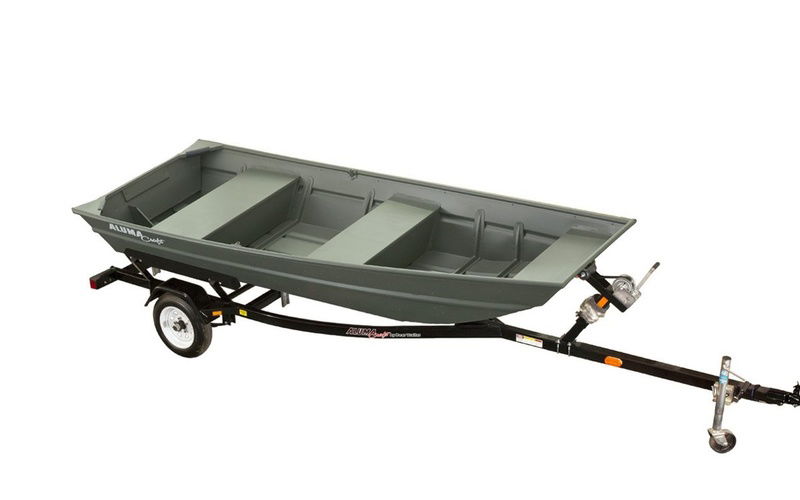



Images have been gathered from various sources and belong to their respective owners.
Review - Alumacraft 1236 JON Sierra

MarineBroker
03/04/2024, 7:28 AM
2012 Alumacraft 1236 JON Sierra: How to Get the Most Out of a Small Jon Boat
If you’ve been looking at the 2012 Alumacraft 1236 JON Sierra, chances are you already know the appeal: simple, lightweight, affordable, and easy to haul just about anywhere. Boats like this one have a loyal following because they solve a very real problem for everyday boaters—how to enjoy time on the water without needing a big truck, a big budget, or a big learning curve.
But small jon boats also come with their own set of challenges. Limited space, weight balance, shallow-water handling, and comfort can all become frustrating if you don’t set the boat up the right way. That’s especially true with a compact model like the 2012 Alumacraft 1236 JON Sierra, where every inch and every pound matters.
The good news is that most of those issues are manageable. With the right setup, smart gear choices, and a little attention to safety and balance, this boat can be a practical little workhorse for fishing, hunting, or utility use. In this article, we’ll walk through the common pain points owners face and how to solve them in a way that keeps the boat simple, useful, and enjoyable.
- Why the 2012 Alumacraft 1236 JON Sierra Still Makes Sense
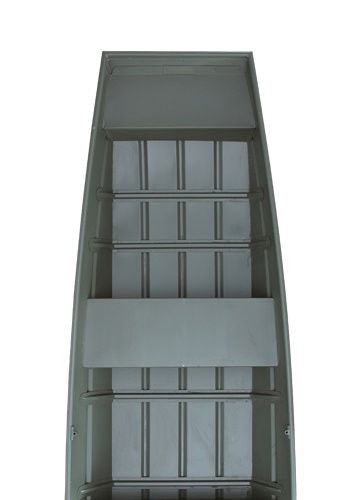
The 2012 Alumacraft 1236 JON Sierra is a classic small aluminum jon boat. At 12 feet long and 36 inches wide, it sits in the category of boats built for simplicity and shallow-water performance.
That makes it a strong choice for:
- Small lakes and ponds
- Creeks and protected rivers
- Duck hunting setups
- Fishing in tight, shallow areas
- Easy transport in a pickup bed or on a small trailer
The biggest advantage of this kind of boat is that it lowers the barrier to getting on the water. You don’t need a large engine, expensive marina storage, or complicated maintenance. For many people, that’s the whole point.
Still, a boat this size works best when you understand what it can and cannot do. The main problem most owners run into is expecting too much from a compact jon boat. If you treat it like a bigger aluminum boat, you’ll run into stability, storage, and performance issues pretty quickly.
- The Main Problem: Small Boat Limitations
The 2012 Alumacraft 1236 JON Sierra is useful, but it is also intentionally minimal. That means a few common challenges show up again and again.
These include:
- Limited load capacity
- Less stability than wider boats
- Tight space for gear and passengers
- Sensitivity to weight placement
- More exposure to wind and waves
For many owners, the frustration starts when the boat feels “tippy” or sluggish. In reality, the boat may not be the problem. It’s usually a setup issue.
A 1236 jon boat can perform very well for its size, but only if the load is kept light and balanced. Once the boat is overloaded or the weight is stacked in the wrong place, it becomes harder to control and less comfortable to use.
The practical solution is to optimize the boat around its strengths instead of fighting its design.
- Know What the 2012 Alumacraft 1236 JON Sierra Is Best For
Before making upgrades, it helps to define the boat’s best use case. This model is ideal for short trips, calm water, and light-duty tasks.
Best uses include:
- Solo fishing
- Two-person fishing with minimal gear
- Duck hunting in shallow marshes
- Running small electric motors or low-horsepower outboards
- Transporting light supplies
It is not the best choice for:
- Rough water
- Large groups
- Heavy gear loads
- Long-distance cruising
- Fast travel in open water
A lot of frustration disappears once the boat is matched to the job. If you want a lightweight boat that can be launched easily and moved around without hassle, the 2012 Alumacraft 1236 JON Sierra fits the bill. If you need a bigger platform, the smarter move is to scale up rather than trying to force this boat into a role it wasn’t built for.
- How to Improve Stability in a Small Jon Boat
Stability is usually the first concern people have with a 12-foot jon boat. The good news is that you can improve how it feels on the water with a few simple adjustments.
Here’s what helps most:
- Keep weight low
Heavy items should sit on the deck or floor, not up high. Avoid stacking gear on seats or elevated platforms unless necessary.
- Distribute weight evenly
Try to balance load from side to side. If one person sits on one side and all the gear is on the other, the boat will feel less stable.
- Sit instead of stand
Standing in a narrow jon boat can be risky, especially when casting or moving around. If you need to stand, do it carefully and only in calm water.
- Use a small trolling motor or low-horsepower outboard
Big motors can add unnecessary weight and stress. A modest motor is usually enough for a boat of this size.
- Add non-slip flooring or mats
This won’t change the hull, but it does make movement safer and more controlled.
A stable setup is usually more about discipline than hardware. If you keep the boat uncluttered and balanced, it will feel much better on the water.
- Smart Gear Choices for the 2012 Alumacraft 1236 JON Sierra
Because space is tight, every item you bring should earn its spot. The best gear for a small jon boat is compact, lightweight, and multi-purpose.
Useful gear ideas include:
- Foldable or low-profile seats
- Small cooler that doubles as a seat
- Compact anchor system
- Lightweight battery for trolling motor use
- Short-handled paddles or push pole
- Tackle trays instead of bulky boxes
- Soft gear bags rather than hard cases
It also helps to avoid bringing duplicates. In a small boat, extra gear quickly becomes clutter.
A good rule is to pack for the trip, not for every possible scenario. If you’re fishing a small pond, you probably do not need three tackle boxes, five rods, and a large cooler. Keep it simple and you’ll enjoy the boat more.
- Choosing the Right Motor Setup
The 2012 Alumacraft 1236 JON Sierra can work with different propulsion setups depending on how you use it. The best choice depends on your water, load, and distance needs.
Common options include:
- Paddles or oars
Best for very short trips, quiet water, and low-cost operation. This is the simplest setup and often the lightest.
- Trolling motor
A popular choice for fishing. Quiet, efficient, and easy to control in shallow water. It’s one of the best upgrades for this kind of boat.
- Small outboard
Useful if you need more range or want to cover water faster. Keep the horsepower modest and stay within the boat’s ratings.
For most owners, the sweet spot is a trolling motor or a small outboard paired with a light battery or fuel load. That gives enough performance without overloading the hull.
If your goal is maximum simplicity, a trolling motor is hard to beat. If your goal is travel distance, a small gas motor may make more sense.
- How to Set Up the Boat for Fishing
Fishing is one of the most common reasons people buy a 1236 jon boat. The challenge is making the boat functional without crowding it.
A practical fishing setup should focus on:
- One or two rods only
- Minimal tackle
- A compact anchor
- A small cooler or storage box
- A stable seat position
- Easy access to landing net or fish grip tools
If you fish alone, the boat becomes much easier to manage. If you fish with a partner, keep movement limited and decide in advance where each person will sit.
A few simple fishing tips for this boat:
1. Keep the bow pointed into wind when possible.
2. Avoid sudden shifts in position.
3. Use short, controlled casts.
4. Store hooks and lures in sealed containers.
5. Bring only the essentials for the trip.
A small jon boat is often at its best when it’s treated like a mobile fishing platform, not a floating garage.
- How to Use the 2012 Alumacraft 1236 JON Sierra for Hunting
This boat is also a solid choice for hunting, especially in shallow marshes and backwater areas. Its low profile and lightweight design make it easy to hide and easy to move.
For hunting use, the main goals are:
- Keep the boat quiet
- Reduce visible clutter
- Add camouflage where needed
- Maintain balance with decoys and gear
Helpful adjustments include:
- Camo netting or paint
- Low-profile seating
- Dry storage for gear
- Secure mounts for decoys or guns
- A simple layout that avoids loose items
One important note: never overload the boat with decoys, blinds, and heavy equipment all at once. It may seem manageable at the launch, but it can create serious handling issues once you’re on the water.
For hunting, less is often better. A clean, well-balanced boat is easier to hide, easier to launch, and safer in shallow water.
- Maintenance Tips That Keep the Boat Reliable
A boat like the 2012 Alumacraft 1236 JON Sierra is known for being straightforward to maintain. That’s part of its appeal. Still, a little routine care goes a long way.
Basic maintenance checklist:
- Rinse the boat after use, especially in muddy or brackish water
- Check for dents, loose rivets, or leaks
- Inspect transom condition if using a motor
- Keep drain plugs, if fitted, in good condition
- Store the boat covered when not in use
- Check trailer bunks or supports if trailering
Aluminum jon boats are durable, but they still benefit from regular inspection. Small issues are easier to fix before they become bigger problems.
If the boat is older or has seen a lot of use, pay close attention to:
- Corrosion around hardware
- Cracks near mounting points
- Floor wear
- Sealant around seams
- Wiring condition if you’ve added lights or electronics
A simple maintenance routine keeps the boat dependable for years.
- Trailer and Transport Tips
One of the best things about a 12-foot jon boat is how easy it is to move. Still, transport deserves some planning.
If you use a trailer:
- Make sure the boat sits squarely on the bunks
- Strap it down at the bow and stern
- Check the transom support
- Verify lights and tires before travel
If you carry it in a truck bed:
- Use padding or supports to protect the hull
- Secure the bow and stern tightly
- Avoid dragging the boat during loading
- Make sure the weight is centered
Because the 2012 Alumacraft 1236 JON Sierra is lightweight, it’s easy to transport, but that also means it can shift more easily if not tied down properly. A few extra minutes of securing it well can prevent damage later.
- Common Mistakes to Avoid
Many small-boat problems come from the same few mistakes. If you avoid these, your experience will improve quickly.
Watch out for:
- Overloading the boat
- Standing in rough conditions
- Using a motor that’s too powerful
- Bringing too much gear
- Uneven weight placement
- Ignoring weather changes
- Skipping flotation or safety gear
It’s easy to treat a small jon boat casually because it looks simple. But simple does not mean careless. Safety matters even more in a smaller hull because you have less margin for error.
The best approach is to keep the boat light, respect the weather, and plan for calm-water use whenever possible.
- Safety Basics Every Owner Should Follow
No matter how you use the 2012 Alumacraft 1236 JON Sierra, safety should always come first.
Make sure you have:
- Proper life jackets for everyone onboard
- A whistle or signaling device
- A paddle or backup means of propulsion
- A flashlight if running early or late
- A basic first-aid kit
- A phone in a waterproof case
If you’re using a motor, it’s also smart to carry:
- Spare fuel or charged battery
- Basic tools
- Spare prop pin, if applicable
- Spare rope or anchor line
Even on calm water, small boats can get into trouble fast if weather changes or a motor fails. Having a few essentials onboard makes a big difference.
- Is the 2012 Alumacraft 1236 JON Sierra Worth It?
For the right person, absolutely. The value of this boat is not in luxury or speed. It’s in practicality.
It makes sense if you want:
- A lightweight, easy-to-handle boat
- Low operating costs
- Simple maintenance
- Shallow-water access
- A platform for fishing or hunting
- A boat that’s easy to store and transport
It may not be the right fit if you need:
- More room
- Greater comfort
- Better rough-water performance
- Higher passenger capacity
In other words, the 2012 Alumacraft 1236 JON Sierra is a solution for people who want a no-fuss boat that gets the job done. If you understand its limits and set it up intelligently, it can be a very satisfying little rig.
- Conclusion
The 2012 Alumacraft 1236 JON Sierra is a great example of how a small boat can still be highly useful when it’s matched to the right purpose. Most of the common problems owners face—like instability, limited space, or awkward handling—can be solved with smart loading, simple gear choices, and realistic expectations.
Keep it light, keep it balanced, and use it where a compact jon boat shines: shallow water, short trips, fishing, and hunting. With the right setup, this boat can be a dependable, easy-to-own platform that makes getting on the water feel simple again. If you’re planning to use one, it’s worth learning a little more about small-boat setup, safety, and load management before your next trip.
Specifications
General
Boat Type: Power Boats
Class Type: Freshwater Fishing
Specifications
Length: 12.14
Beam: 4.59
Draft: 0.66
Hull Material: Aluminium
Build
First Built: 2012
Propulsion
Fuel Type: Unleaded
Engines: 1
Power: 10 HP
Brand: Mercury
Accomodation
PROS & CONS
What we appreciated
 Lightweight and easy to transport due to its small sizeDurable aluminum construction resistant to corrosionSimple design ideal for fishing in calm watersFuel-efficient with smaller outboard motorsAffordable price point compared to larger boats
What we didn’t appreciate
 Limited passenger and gear capacityNot suitable for rough or open water conditionsMinimal onboard storage and amenitiesBasic seating may be uncomfortable for long tripsOlder model, may lack modern features and upgrades
Upkeep Costs
Fuel: Approximately $300 - $600 per year depending on usage and fuel prices
Maintenance: Around $200 - $400 annually for engine servicing and boat upkeep
Insurance: Typically $150 - $300 per year depending on coverage and location
Storage: $300 - $800 per year depending on storage type (indoor, outdoor, marina)
Registration and Taxes: Approximately $50 - $150 annually depending on state regulations

Rating
3.3
User
Score
Score
Driveability
Technology
Interior
Design
Similar Boats


MarineBroker
Download now for an immersive boat experience like never before! ⛵✨ Your journey begins with a simple click. 🌊📲
#SetSailSmart #DownloadNow
#SetSailSmart #DownloadNow

Subscribe
Copyright 2017 - 2026, Marinebroker.net, All Rights Reserved