Boat Database » Alumacraft MV1860 AW TL
Alumacraft MV1860 AW TL
Outboard four-stroke, Unleaded, 1x 25 HP
Power Boats 2016 Alumacraft MV1860 AW TL: How to Set It Up, Maintain It, and Get the Most Out of It
If you’re looking into the 2016 Alumacraft MV1860 AW TL, chances are you already know it’s the kind of boat that can do a lot without making ...
Discover


Images have been gathered from various sources and belong to their respective owners.
Review - Alumacraft MV1860 AW TL

MarineBroker
02/29/2024, 7:12 AM
2016 Alumacraft MV1860 AW TL: How to Set It Up, Maintain It, and Get the Most Out of It
If you’re looking into the 2016 Alumacraft MV1860 AW TL, chances are you already know it’s the kind of boat that can do a lot without making life complicated. It’s a versatile aluminum utility boat that appeals to anglers, hunters, and anyone who wants a durable, easy-to-handle rig for shallow water, lakes, rivers, or backwater trips. But here’s the catch: owning a boat like this is one thing, and getting it dialed in for real-world use is another.
A lot of owners and buyers run into the same issue—figuring out how to make the boat comfortable, efficient, and reliable for their specific needs. Maybe the layout feels too bare. Maybe you’re unsure about motor sizing, storage, or how to outfit it for fishing. Or maybe you just want to avoid common mistakes that can turn a good boat into a frustrating one.
The good news? With the right setup and a few practical habits, the 2016 Alumacraft MV1860 AW TL can become a very capable, low-maintenance boat that fits the way you actually use the water.
- Why the 2016 Alumacraft MV1860 AW TL Stands Out
The 2016 Alumacraft MV1860 AW TL sits in a sweet spot for boaters who want utility without unnecessary complexity. It’s built around a practical aluminum hull, which usually means less worry about corrosion, easier trailering, and better durability for rougher use than many fiberglass options.
This model is especially appealing if you want a boat that can handle multiple roles. It can serve as a fishing platform one weekend and a work boat or hunting boat the next. That flexibility is a big reason people search for it in the first place.
A few things make it attractive:
- Aluminum construction for durability and lighter towing
- A wide, stable layout for gear, passengers, or fishing equipment
- Shallow-water friendliness for rivers, bays, and backwaters
- Simple design that’s easier to maintain than more complex rigs
The main challenge is that a utility-style boat often arrives as a blank slate. That’s great for customization, but it also means the owner has to think through how to use the space efficiently.
- The Most Common Problem: A Great Boat That Isn’t Set Up Right
For many owners, the biggest issue with the 2016 Alumacraft MV1860 AW TL isn’t the boat itself. It’s the setup.
A boat like this can feel underwhelming if it’s not matched to your actual boating style. For example, someone who wants to fish might need rod storage, electronics, and a trolling motor setup. Someone using it for hunting may care more about open deck space, camouflage, and gear tie-downs. If the boat is configured without that purpose in mind, it can feel awkward and inefficient.
Common setup problems include:
- Choosing the wrong outboard size
- Overloading the boat with unnecessary accessories
- Poor weight distribution
- Lack of storage organization
- Skipping basic maintenance because the boat seems “simple”
The solution is not to add everything possible. It’s to build the boat around the way you use it.
- How to Turn the 2016 Alumacraft MV1860 AW TL Into a Better Boat for Your Needs
The best way to get value from this boat is to treat it like a platform, not just a purchase. That means making smart, intentional decisions about setup.
Start by asking one question: what will this boat do most often?
If the answer is fishing, your priorities will look different than if you’re using it for duck hunting, hauling gear, or general utility work. Once you know the main job, the rest becomes much easier.
Here’s a practical approach:
1. Define the primary use
Decide whether the boat is mainly for fishing, hunting, transport, or mixed use.
2. Match the motor to the job
Don’t overspend on power you don’t need, but don’t underpower the boat either.
3. Keep the layout clean
Open space is one of the biggest advantages of an aluminum utility boat.
4. Add only useful accessories
Every item should improve comfort, safety, or function.
5. Balance the load
Weight placement matters a lot in smaller boats.
This simple framework helps you avoid the classic mistake of turning a practical boat into a cluttered one.
- Choosing the Right Motor Setup
One of the most important decisions for the 2016 Alumacraft MV1860 AW TL is the outboard. The right motor makes the boat feel responsive, efficient, and safe. The wrong one can make it sluggish, noisy, or hard to manage.
For a boat of this type, the best motor choice depends on how much gear and how many people you typically carry. A lighter setup may work well for solo fishing or short trips. A more powerful motor might make sense if you frequently run loaded with passengers or equipment.
A few tips:
- Stick to the manufacturer’s recommended horsepower range
- Consider fuel efficiency if you make long runs
- Think about shallow-water performance if you use rivers or flats
- Make sure the transom and rigging are in good condition
If you’re unsure, it’s better to prioritize practical performance over raw speed. Utility boats are usually at their best when they’re efficient and predictable.
- Setting Up the Deck for Real-World Use
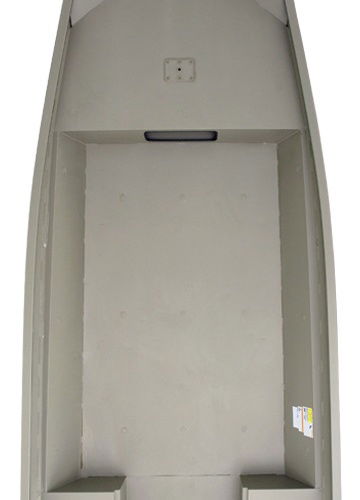
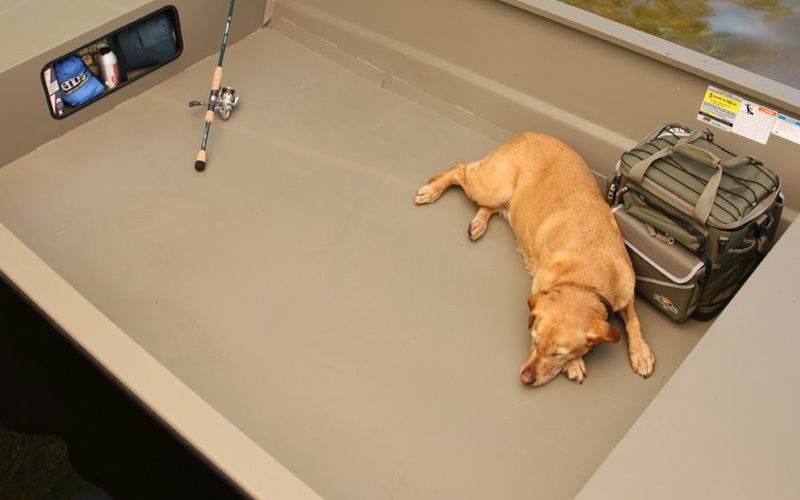
The open deck on the 2016 Alumacraft MV1860 AW TL is one of its biggest strengths, but only if you use it well. A clean deck gives you room to move, store gear, and work comfortably. The trick is not filling it up too fast.
For fishing setups, consider these additions:
- A trolling motor for controlled movement
- Battery storage placed low and centered
- Non-slip flooring or deck surfaces
- Rod holders or a simple rod storage system
- A small livewell or portable bait tank if needed
For hunting or utility use:
- Tie-down points for gear
- Waterproof storage containers
- Floor mats or protective surfaces
- Open space for decoys, tools, or cargo
Try to keep heavy items low and centered in the boat. That improves stability and helps the boat handle better in chop or when turning.
- How to Improve Comfort Without Overcomplicating the Boat
A lot of boat owners think comfort means adding more stuff. In reality, comfort usually comes from smarter choices.
On a utility boat like this, comfort is about reducing fatigue and making the boat easier to use. That can mean better seating, less clutter, and improved organization more than fancy extras.
Simple comfort upgrades that make a difference:
- Swivel seats or cushioned seating
- A secure place for coolers and tackle
- Shade options for hot days
- Dry storage for phones, keys, and electronics
- Battery monitoring for peace of mind
If you spend long hours on the water, small upgrades can have a big effect. A well-placed seat or a dry, organized storage box can make the boat feel much more enjoyable without changing its character.
- Maintenance Tips That Keep the Boat Reliable
One of the best things about the 2016 Alumacraft MV1860 AW TL is that aluminum boats are generally easier to maintain than many alternatives. Still, “easy” doesn’t mean “no maintenance.”
If you want the boat to stay dependable, build a simple routine around it.
Basic maintenance checklist:
- Rinse the hull after use, especially in saltwater
- Check for dents, loose rivets, or signs of wear
- Inspect the transom and mounting hardware
- Test navigation lights and electrical connections
- Keep batteries charged and terminals clean
- Grease moving parts and hinges
- Check fuel lines for cracking or leaks
If you use the boat in brackish or saltwater, cleaning becomes even more important. Salt can shorten the life of hardware, wiring, and the motor if it’s left sitting.
A good rule of thumb: spend 10 minutes on maintenance after each outing, and you’ll save hours of frustration later.
- Weight Distribution: The Hidden Factor That Changes Everything
Many boat performance issues come down to weight distribution. This is especially true on smaller aluminum boats, where the difference between balanced and unbalanced can be dramatic.
If the boat sits too low in the stern, it may take longer to plane and feel sluggish. If too much weight is up front, the bow may ride low or become harder to control. The goal is to keep the boat level and stable.
Practical weight tips:
- Store batteries where they help balance the hull
- Keep fuel and heavy gear distributed evenly
- Avoid stacking everything in one corner
- Recheck balance after adding accessories
- Test the boat lightly loaded before committing to a full setup
A well-balanced boat is easier to run, safer in rougher water, and usually more fuel efficient.
- Best Uses for the 2016 Alumacraft MV1860 AW TL
The 2016 Alumacraft MV1860 AW TL is not trying to be a luxury cruiser, and that’s part of its appeal. It shines when you use it for practical jobs.
Some of the best uses include:
- Freshwater fishing
- Duck hunting
- River and backwater travel
- Light hauling
- Exploring shallow areas
- General utility work around docks or property
Because it’s built for versatility, it works best for people who value function over flash. If you need a boat that can adapt to different tasks, this model makes a lot of sense.
- What to Look for When Buying a Used One
If you’re shopping for a used 2016 Alumacraft MV1860 AW TL, inspection matters. A clean-looking boat can still hide issues that affect safety and value.
Check these areas carefully:
- Hull condition: dents, cracks, welds, or corrosion
- Transom integrity: any softness or movement
- Flooring and decking: signs of rot or damage if modified
- Wiring: exposed connections, corrosion, or poor repairs
- Engine hours and service history
- Trailer condition: tires, bearings, lights, and winch
- Previous modifications: make sure they were done cleanly
It’s also smart to ask how the boat was used. A shallow-water fishing boat that was gently maintained is very different from one that lived on a muddy riverbank or sat uncovered for years.
If possible, do a water test. A short run can reveal a lot about stability, motor performance, and whether the boat feels right under load.
- Common Mistakes to Avoid
A practical boat can still become a headache if you make the wrong choices early on. The most common mistakes are usually easy to avoid.
Watch out for these:
- Adding too many accessories too soon
- Ignoring the boat’s weight limits
- Using the wrong propeller for the motor
- Skipping maintenance because the boat seems simple
- Overloading gear in one area
- Buying without checking the trailer and transom
The best setups are often the simplest. Start lean, use the boat, and add only what truly improves your experience.
- A Smart, Simple Solution for Better Ownership
If your goal is to get more out of the 2016 Alumacraft MV1860 AW TL, the solution is straightforward: set it up around purpose, keep it balanced, and maintain it consistently.
That means:
- Choosing the right motor for your typical load
- Keeping the deck open and functional
- Adding only useful accessories
- Watching weight distribution
- Sticking to a basic maintenance routine
This approach works because it respects what the boat already does well. The 2016 Alumacraft MV1860 AW TL is at its best when it stays practical, durable, and easy to use. You don’t need to overbuild it to make it useful. You just need to match the setup to the way you actually boat.
- Conclusion
The 2016 Alumacraft MV1860 AW TL is a versatile aluminum boat that can handle fishing, hunting, and everyday utility work with the right setup. The biggest challenge for most owners isn’t the boat’s performance—it’s figuring out how to configure it without overcomplicating things. By focusing on motor choice, weight balance, smart storage, and regular maintenance, you can turn this boat into a reliable and easy-to-use platform.
Whether you already own one or are considering buying one, the key is to keep it practical. A clean, balanced, well-maintained boat will always outperform a cluttered one. If you want to go further, explore setup ideas based on your main use case and build from there.
Specifications
General
Boat Type: Power Boats
Class Type: Freshwater Fishing
Specifications
Length: 18.04
Beam: 7.55
Draft: 0.98
Hull Material: Aluminium
Build
First Built: 2016
Propulsion
Fuel Type: Unleaded
Engines: 1
Power: 25 HP
Brand: Mercury
Accomodation
PROS & CONS
What we appreciated
 Durable aluminum hull construction for longevity and low maintenanceSpacious 18.6-foot length offers ample room for fishing and passengersAll-welded construction enhances structural integrityMultiple storage compartments for gear and equipmentGood stability and performance in various water conditions
What we didn’t appreciate
 May lack advanced electronics and modern amenities found in newer modelsBasic interior finish compared to fiberglass boatsNo built-in cabin or shelter, limiting use in adverse weatherWeight may require a larger outboard engine for optimal performanceLess suited for high-speed cruising or rough offshore conditions
Upkeep Costs
Fuel: Approximately $500 - $1,000 per year depending on usage
Maintenance: Around $300 - $600 per year for engine servicing and hull upkeep
Insurance: Typically $200 - $500 annually
Storage: $300 - $1,200 per year depending on location and type (garage, marina slip, dry storage)
Registration and Taxes: $50 - $200 annually depending on state
Rating
4.6
User
Score
Score
Driveability
Technology
Interior
Design
Similar Boats


MarineBroker
Download now for an immersive boat experience like never before! ⛵✨ Your journey begins with a simple click. 🌊📲
#SetSailSmart #DownloadNow
#SetSailSmart #DownloadNow

Subscribe
Copyright 2017 - 2026, Marinebroker.net, All Rights Reserved