Boat Database » Alumacraft Voyageur 175 Tiller
Alumacraft Voyageur 175 Tiller
Outboard four-stroke, Unleaded, 1x 60 HP
Power Boats 2013 Alumacraft Voyageur 175 Tiller: How to Get the Most Out of This Versatile Fishing Boat
If you’re looking at a 2013 Alumacraft Voyageur 175 Tiller, chances are you already know it’s the kind of boat that can do a lot without ...
Discover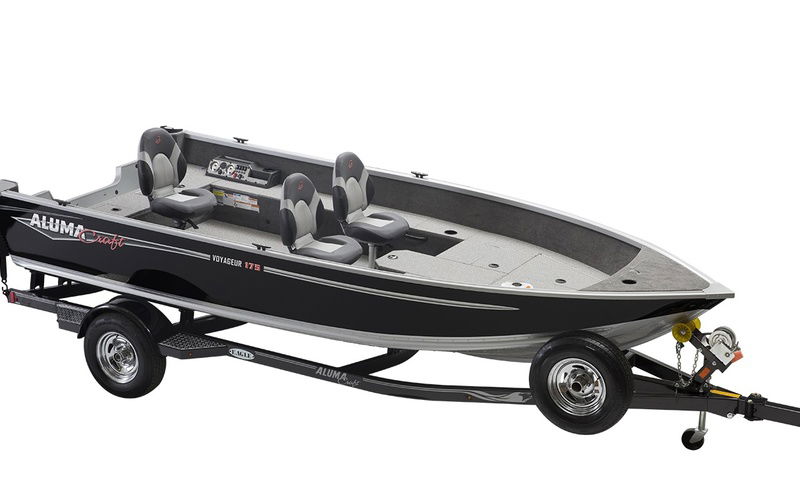
Images have been gathered from various sources and belong to their respective owners.
Review - Alumacraft Voyageur 175 Tiller

MarineBroker
02/26/2024, 8:25 AM
2013 Alumacraft Voyageur 175 Tiller: How to Get the Most Out of This Versatile Fishing Boat
If you’re looking at a 2013 Alumacraft Voyageur 175 Tiller, chances are you already know it’s the kind of boat that can do a lot without making life complicated. It’s roomy enough for fishing with a buddy, stable enough for moving around the deck, and simple enough that you don’t need to be constantly thinking about maintenance, electronics, or a complicated cockpit layout. That’s a big part of the appeal.
But here’s the real challenge many owners and buyers run into: even a great tiller boat can feel underwhelming if it isn’t set up right for how you actually use it. Maybe it’s not handling as well as you expected. Maybe storage feels tight. Maybe the boat seems a little slow to plane, or you’re not getting the comfort and fishability you hoped for. The good news is that most of those issues are fixable with the right setup, a few smart upgrades, and a better understanding of how this hull is meant to perform.
In this article, we’ll look at what makes the 2013 Alumacraft Voyageur 175 Tiller a strong choice, the common problems owners face, and practical ways to solve them so the boat works better for fishing, cruising, and everyday use.
- Why the 2013 Alumacraft Voyageur 175 Tiller Still Gets Attention
The 2013 Alumacraft Voyageur 175 Tiller sits in a sweet spot for anglers who want a multi-purpose aluminum boat with a clean, open layout. At around 17.5 feet, it offers a good balance between maneuverability and usable space. That makes it appealing for inland lakes, rivers, and general fishing use.
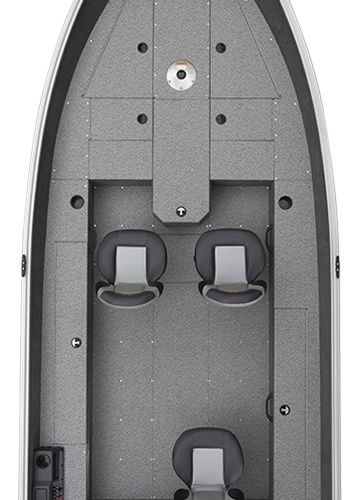
One of the biggest advantages of a tiller model is simplicity. With no console taking up floor space, you get more room to move, cast, store gear, and fish from multiple positions. For many boaters, that open layout is a major reason to choose a tiller over a side-console or dual-console setup.
A boat like this also tends to be easier to maintain than more complex rigs. Fewer components usually mean fewer headaches. That said, the boat’s performance depends heavily on how it’s rigged, loaded, and powered.
For people shopping used boats, the Voyageur 175 Tiller can be especially attractive because it often delivers a lot of function for the money. But like any used fishing boat, it’s important to understand what it does well and where owners sometimes need to make improvements.
- The Most Common Problem: Getting the Boat to Feel Right on the Water
For most owners, the biggest issue isn’t the boat itself. It’s making the boat feel balanced, efficient, and comfortable for real-world use.
A common complaint with 17-foot tiller boats is that they can feel:
- Stern-heavy or poorly balanced
- Slow to get on plane
- Harder to control in rough water
- Cramped once gear, batteries, and passengers are added
- Less comfortable on long runs than expected
This usually happens because the boat is being used in a way that doesn’t match its setup. Tiller boats are sensitive to weight distribution, motor choice, prop selection, and where you store gear. A slight change in layout can make a noticeable difference.
The solution is not usually a major overhaul. In most cases, a few targeted adjustments can improve handling, comfort, and fishability a lot.
- Understanding the 2013 Alumacraft Voyageur 175 Tiller Hull and Layout
Before making changes, it helps to understand what kind of boat you’re working with.
The Voyageur 175 Tiller is designed as a practical fishing platform first. It’s not trying to be a high-speed performance boat or a luxury cruiser. Instead, it focuses on:
- Open deck space
- Stable fishing posture
- Simple operation
- Good utility for inland waters
- Easy access to gear and rods
That means the boat performs best when it’s not overloaded and when weight is distributed carefully. Tiller boats are especially sensitive to where the operator sits and how much gear is stored toward the stern.
If you’re using the boat for solo fishing, it will often feel quite different than when you’re carrying two or three people. That’s normal. The key is to set it up for your most common use case.
For example:
- Solo angler setup: keep batteries, tackle, and heavier gear balanced forward when possible
- Two-person fishing setup: spread weight more evenly across the boat
- Family or multi-use setup: prioritize comfort, storage access, and stable seating positions
Once you think of the boat in terms of balance and purpose, a lot of the frustrations start making sense.
- How to Improve Handling on the 2013 Alumacraft Voyageur 175 Tiller
If your main issue is handling, there are several practical fixes that can help.
- Check weight distribution
This is the first place to start. Too much weight in the back can make the boat squat, slow down planing, and reduce steering control.
Try to:
- Move heavy tackle boxes forward
- Place batteries in balanced positions if possible
- Avoid stacking too much gear near the transom
- Keep fuel and coolers distributed evenly
Even small changes can improve how the boat sits in the water.
- Match the motor and prop correctly
A tiller boat depends heavily on the outboard setup. If the motor is underpowered, the boat may struggle to plane. If the prop is not matched well, you may lose efficiency and top-end performance.
A good setup should give you:
- Smooth hole shot
- Reasonable cruising speed
- Stable steering response
- Acceptable fuel economy
If the boat feels sluggish, a propeller change may be more effective than adding more horsepower. Many boaters overlook this and assume the motor is the problem when the prop is actually the bigger issue.
- Use trim properly
Trim can make a huge difference in how the boat rides. Too much trim down can push the bow into the water and slow you down. Too much trim up can make the boat unstable or cause porpoising.
A simple rule:
- Trim in for takeoff
- Trim out gradually once on plane
- Adjust based on load and water conditions
If you’re new to tiller boats, this alone can change how the boat feels.
- Consider a hydrofoil or setup adjustments if needed
In some cases, a small setup change like a hydrofoil can help the boat plane faster and ride flatter. This isn’t always necessary, but it can be useful if you often run with a heavy load or fish with multiple passengers.
Before adding accessories, make sure the basics are right first:
- Correct prop
- Proper engine height
- Balanced load
- Clean hull
Those four things solve more problems than most people expect.
- Making the 2013 Alumacraft Voyageur 175 Tiller More Comfortable
Comfort matters more than many buyers realize. A boat that fishes well but wears you out after a few hours won’t be used as often.
- Add better seating if needed
Tiller boats often benefit from upgraded seats or pedestal options, especially if you spend long days on the water. A good seat can reduce fatigue and make rough water easier to handle.
Look for seating that offers:
- Solid support
- Weather resistance
- Easy removal or folding
- Compatibility with your fishing layout
If you fish standing most of the time, a reliable leaning post or stand-up support can also help.
- Reduce deck clutter
Open space is one of the biggest advantages of this boat, so don’t waste it. Keep gear organized so you can move freely.
Helpful storage habits include:
- Use compact tackle storage
- Keep rods secured and out of the way
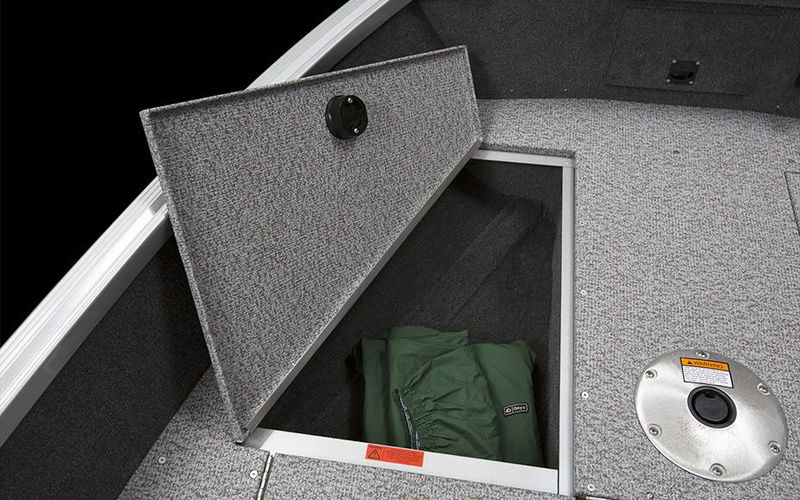
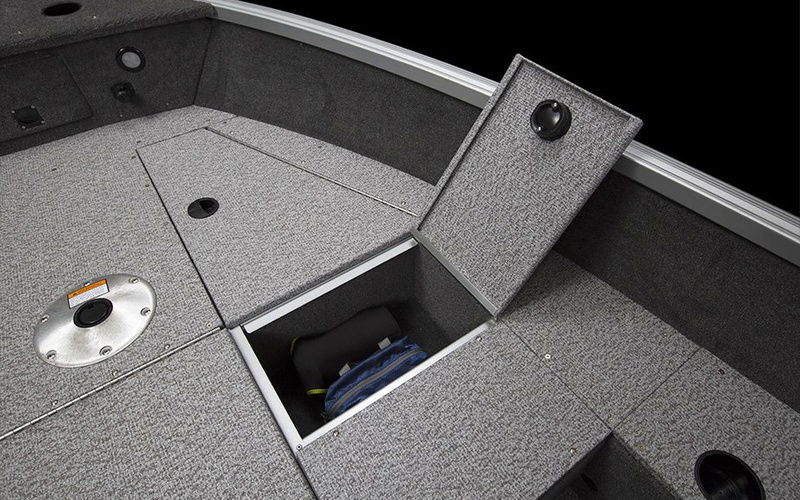
- Store rarely used items in dedicated compartments
- Avoid leaving loose gear on the floor
A cleaner boat feels bigger and safer.
- Add non-slip surfaces where needed
Fishing boats get wet. It’s just part of the deal. If the deck feels slick, a non-slip mat or traction tape can make the boat safer and more comfortable.
This is especially useful if:
- You fish in rain or spray
- You wear slick-soled shoes
- You move around the deck often while landing fish
Small traction upgrades can make a big difference in confidence.
- Fishing Setup Tips for the Voyageur 175 Tiller
The 2013 Alumacraft Voyageur 175 Tiller can be a very effective fishing boat if you rig it with purpose.
- Keep electronics simple but useful
You don’t need a huge electronics package to fish well. A good fish finder, proper transducer placement, and a clean battery setup can go a long way.
Focus on:
- Reliable sonar
- Easy-to-read screen placement
- Protected wiring
- Battery access for charging and maintenance
If you fish lakes with structure, a basic depth finder can improve your success more than a lot of fancy add-ons.
- Organize rods for quick access
Tiller boats are great for active anglers because you can move around easily. But rods can become a mess fast if they aren’t stored properly.
Use:
- Rod holders
- Secure horizontal storage
- Tip protection
- Clear separation between active and backup rods
This keeps the deck open and prevents damage.
- Think about livewell and cooler placement
If your boat has livewell or storage options, use them strategically. Don’t let heavy coolers or bait containers sit in places that throw off the boat’s balance.
A good rule is to keep:
- Heavy items low
- Frequently used items accessible
- Fragile items protected from foot traffic
That helps with both safety and efficiency.
- What to Check Before Buying a Used 2013 Alumacraft Voyageur 175 Tiller
If you’re shopping for one of these boats used, there are a few things worth checking closely.
- Hull condition
Look for:
- Dents or deep gouges
- Signs of corrosion
- Loose rivets or seams
- Repairs near the transom or keel
Aluminum boats are durable, but damage can affect performance and long-term reliability.
- Transom strength
The transom is critical, especially on a tiller boat where the motor and steering load are concentrated there. Check for:
- Soft spots
- Cracks
- Flexing under pressure
- Water intrusion
A weak transom is a serious issue and should not be ignored.
- Floor and deck integrity
Check for:
- Soft spots
- Water damage
- Loose panels
- Signs of previous leaks
Even on aluminum boats, decking and interior materials can wear out over time.
- Wiring and electrical condition
Used boats often have modified wiring, and not all of it is done neatly. Make sure:
- Battery connections are clean
- Fuse protection is present
- Electronics power up correctly
- Wiring is not exposed or corroded
Electrical issues are common on older boats, but they’re usually manageable if caught early.
- Trailer condition
Don’t overlook the trailer. A boat can be in great shape and still be a headache if the trailer needs work.
Inspect:
- Tires
- Lights
- Bearings
- Winch
- Bunks or rollers
- Frame rust or corrosion
A solid trailer makes the whole ownership experience easier.
- Best Ways to Get More Value from the Boat
If you already own the 2013 Alumacraft Voyageur 175 Tiller, the best way to get more value is to make it fit your real boating habits.
Ask yourself:
- Do I fish solo or with others most often?
- Do I run shallow rivers or larger lakes?
- Do I need speed, comfort, or maximum deck space?
- Am I carrying too much gear for the boat’s size?
Once you answer those questions, the right solution becomes clearer.
Here are some high-value improvements that usually pay off:
1. Rebalance the load
2. Match the prop to your typical use
3. Improve seating
4. Add simple electronics
5. Keep the deck organized
6. Maintain the hull and transom regularly
These upgrades are practical, not flashy. But they make the boat more enjoyable every time you use it.
- Why This Boat Works Well for the Right Owner
The 2013 Alumacraft Voyageur 175 Tiller isn’t about luxury or speed. It’s about giving anglers a dependable, open, easy-to-use fishing platform that can handle a variety of conditions.
It works especially well for people who want:
- A straightforward fishing boat
- Good open space
- Simple maintenance
- Flexible storage and layout options
- A tiller setup that keeps the deck open
If you like a boat that feels practical and fishing-focused, this model has a lot going for it.
The main thing to remember is that the boat performs best when you respect its design. Keep it balanced, don’t overload it, and set it up around your actual needs. That’s where the real value comes from.
- Conclusion
The 2013 Alumacraft Voyageur 175 Tiller remains a solid choice for anglers who want a simple, versatile aluminum fishing boat with plenty of usable space. Most of the common frustrations people have with this boat come down to setup rather than the boat itself. With the right weight balance, motor and prop match, comfort upgrades, and organized fishing layout, it can become a much better-performing and more enjoyable rig.
If you’re already an owner, focus on practical improvements that fit the way you really fish. If you’re shopping for one, inspect the hull, transom, wiring, and trailer carefully before buying. A little attention up front can save a lot of hassle later and help you get the most out of this capable tiller boat.
Specifications
General
Boat Type: Power Boats
Class Type: Freshwater Fishing
Specifications
Length: 17.72
Beam: 7.22
Draft: 1.31
Hull Material: Aluminium
Build
First Built: 2013
Propulsion
Fuel Type: Unleaded
Engines: 1
Power: 60 HP
Brand: Mercury
Accomodation
PROS & CONS
What we appreciated
 Durable aluminum hull providing excellent longevity and resistance to corrosionCompact and lightweight design making it easy to trailer and launchTiller steering offers direct and responsive handlingSpacious interior for a 17.5-foot boat allowing comfortable seating and gear storageGood stability and suitable for various water conditions including lakes and rivers
What we didn’t appreciate
 Limited protection from weather due to open designBasic features compared to larger or more modern boatsTiller steering can be tiring on longer tripsLimited engine options due to size and designMinimal onboard amenities such as seating comfort and storage compartments
Upkeep Costs
Fuel: Approximately $500 - $1,000 per year depending on usage
Maintenance: Around $300 - $600 per year for typical upkeep
Insurance: $200 - $600 annually depending on coverage and location
Storage: $500 - $1,200 per year depending on marina or storage type
Registration and Licensing: $50 - $150 per year depending on state

Rating
5.3
User
Score
Score
Driveability
Technology
Interior
Design
Similar Boats


MarineBroker
Download now for an immersive boat experience like never before! ⛵✨ Your journey begins with a simple click. 🌊📲
#SetSailSmart #DownloadNow
#SetSailSmart #DownloadNow

Subscribe
Copyright 2017 - 2026, Marinebroker.net, All Rights Reserved