Boat Database » Alumacraft MV1650 AW SC
Alumacraft MV1650 AW SC
Outboard four-stroke, Unleaded, 1x 25 HP
Power Boats 2014 Alumacraft MV1650 AW SC: How to Get More Comfort, Stability, and Better Fishing Results from a Compact Aluminum Boat
If you’re looking at the 2014 Alumacraft MV1650 AW SC, chances are you already know the appeal: it’s a prac...
Discover
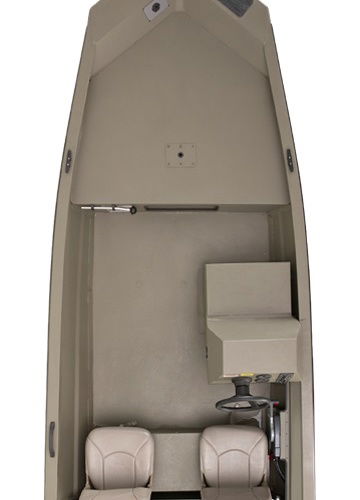


Images have been gathered from various sources and belong to their respective owners.
Review - Alumacraft MV1650 AW SC

MarineBroker
02/29/2024, 7:03 AM
2014 Alumacraft MV1650 AW SC: How to Get More Comfort, Stability, and Better Fishing Results from a Compact Aluminum Boat
If you’re looking at the 2014 Alumacraft MV1650 AW SC, chances are you already know the appeal: it’s a practical, lightweight aluminum fishing boat that’s easy to tow, launch, and handle. But like a lot of compact jon-style rigs, it can also leave owners with a familiar set of headaches. Maybe the deck feels cramped when you’re fishing with gear. Maybe the boat gets a little lively in wind or chop. Or maybe you’re trying to figure out how to set it up so it actually fits the way you fish instead of working against you.
That’s the real challenge with boats like the 2014 Alumacraft MV1650 AW SC. The hull is capable, but the way it’s rigged and used makes a huge difference in comfort, stability, and day-to-day enjoyment. The good news is that most of the common pain points are fixable with smart setup choices, better weight distribution, and a few simple upgrades. If you know what to look for, this boat can become a much more efficient, fishable platform without turning it into an expensive project.
- Why the 2014 Alumacraft MV1650 AW SC Appeals to So Many Boat Owners
The 2014 Alumacraft MV1650 AW SC sits in a sweet spot for anglers and casual boaters who want something simple, durable, and easy to manage. Aluminum construction keeps it lightweight and forgiving, while the size makes it practical for smaller lakes, rivers, and backwater fishing.
For many owners, the attraction is straightforward:
- Easy to trailer with a midsize vehicle
- Simple to launch and retrieve solo
- Lower maintenance than fiberglass boats
- Enough space for one or two anglers
- Good platform for customizing with seats, storage, and electronics
That said, the same compact design that makes it convenient can also create some frustrations. A boat this size rewards thoughtful setup. If it’s rigged poorly, it can feel crowded, unstable, or underpowered. If it’s balanced well, it can be a really efficient fishing machine.
- The Most Common Problem: Making a Small Aluminum Boat Feel Bigger and Better
The biggest issue many owners face with the 2014 Alumacraft MV1650 AW SC is not the hull itself. It’s the mismatch between how the boat is used and how it’s set up.
Common complaints often include:
- Not enough usable deck space
- Poor weight balance
- Sluggish performance with too much gear
- A bouncy ride in rough water
- Limited storage for tackle and safety items
- Seating that feels awkward for long days on the water
These issues usually show up when the boat is loaded without a plan. A cooler, battery, gas tank, trolling motor, and two anglers can quickly change how the boat sits in the water. In a smaller aluminum rig, even small changes in placement can make a big difference.
The solution is not to fight the boat. It’s to optimize it.
- Start with Weight Distribution
If there’s one thing that improves the 2014 Alumacraft MV1650 AW SC more than almost anything else, it’s proper weight distribution. This is the foundation of better handling, better stability, and a more comfortable ride.
A small boat reacts fast to weight shifts. Put too much mass in the stern, and the bow rides high. Load too much gear to one side, and the boat leans. Add a heavy battery or fuel tank in the wrong place, and the boat can feel sluggish and harder to control.
A better setup usually follows a few simple rules:
- Keep heavy items low and centered
- Balance gear from left to right
- Avoid stacking unnecessary weight in the rear
- Place the battery, fuel, and anchor gear where they help trim the boat
- Recheck balance after adding accessories
A practical example: if the stern feels too heavy because of the battery and fuel tank, moving one of those items slightly forward can improve the boat’s attitude and reduce porpoising. Even small adjustments can noticeably improve ride quality.
- Improve Stability Without Overcomplicating the Boat
Many owners want a more stable fishing platform, especially when standing to cast or when moving around with a partner. The 2014 Alumacraft MV1650 AW SC is not a giant bass boat, but it can still feel much more planted with the right setup.
Here are some practical ways to improve stability:
- Keep gear spread evenly across the boat
- Use non-slip deck material or marine matting
- Avoid overloading the boat beyond its intended capacity
- Add flotation-friendly storage instead of loose gear
- Fish from a seated position in rougher water
- Anchor or spot-lock when possible instead of drifting side-on to wind
A lot of stability problems are really “loading problems.” When tackle bags, coolers, and spare gear are tossed randomly into the boat, the center of gravity shifts in a bad way. Organized storage helps more than many people expect.
If you often fish solo, you may also want to set the boat up for single-operator balance rather than trying to make it ideal for every possible situation. That means placing the most important gear where it helps the hull perform best when you’re alone.
- Make the Deck Layout Work for the Way You Fish
One of the smartest ways to get more from the 2014 Alumacraft MV1650 AW SC is to think about workflow. In a small boat, every step matters. You want to reduce clutter and make the most-used items easy to reach.
Ask yourself:
- Where do I stand or sit most often?
- Which gear do I use every trip?
- What can be stored out of the way?
- What needs to be instantly accessible?
A good small-boat layout usually includes:
- A dedicated spot for tackle trays
- A secure place for the battery
- Quick access to pliers, line cutters, and landing net
- Dry storage for phone, keys, and wallet
- Clear walking or casting space
If the boat has bench seating or limited open floor area, soft storage bags and compact boxes often work better than bulky hard cases. The goal is to keep the deck open enough to move safely while still having what you need within reach.
- Choose the Right Trolling Motor and Battery Setup
For many owners, the trolling motor is one of the most important upgrades on the 2014 Alumacraft MV1650 AW SC. A good trolling motor can make the boat far more useful on small lakes, rivers, and windy conditions.
The key is not just power. It’s matching the motor and battery setup to the boat’s size and your fishing style.
A few practical tips:
- Don’t oversize the motor unnecessarily
- Choose a shaft length that keeps the prop properly submerged
- Use a battery with enough reserve for your typical trip length
- Keep wiring clean and protected from moisture
- Mount the motor securely to reduce flex and vibration
A bigger motor might sound better on paper, but it can add weight and drain the battery faster if it’s more than the boat needs. For a compact aluminum rig, efficiency often matters more than raw power.
If you fish calm waters, a smaller, efficient trolling motor may be the best match. If you deal with wind or current often, prioritize thrust and battery capacity so you’re not fighting dead batteries halfway through the day.
- Keep the Ride Comfortable in Chop and Wind
Small aluminum boats can feel lively when the water gets rough. That doesn’t mean the 2014 Alumacraft MV1650 AW SC is a bad boat. It just means you need to use it with a little more awareness.
Comfort in chop comes down to a few habits:
- Slow down early before hitting waves
- Take waves at an angle when safe
- Avoid sudden throttle changes
- Keep passengers seated in rough water
- Trim or load the boat so the bow isn’t riding too high
In windy conditions, a light boat can drift and swing more than you’d like. That’s normal. The solution is to use the boat’s strengths instead of forcing it to behave like a larger hull. Drift socks, anchors, or a trolling motor with good control can make a big difference.
If you regularly fish rough water, it helps to plan trips around conditions rather than trying to push through every day. A small aluminum boat becomes much more enjoyable when you pick your windows wisely.
- Smart Storage Ideas for a Cleaner, Safer Boat
Clutter is one of the fastest ways to make a small boat feel smaller. In a compact rig like the 2014 Alumacraft MV1650 AW SC, storage organization is not just about convenience. It affects safety and performance too.
Better storage habits include:
- Keeping only the gear you’ll actually use
- Storing heavy items low and secure
- Using waterproof containers for electronics and valuables
- Securing loose items so they don’t shift underway
- Labeling tackle boxes for faster access
Some owners like to add under-seat storage bins, side-mounted organizers, or small waterproof boxes for tools and spare parts. These additions don’t need to be fancy. They just need to keep clutter off the deck.
A clean deck also makes the boat easier to fish from. Less clutter means fewer snags, fewer trips, and fewer chances of stepping on something important.
- Simple Upgrades That Make a Big Difference
You don’t need to rebuild the whole boat to improve it. A few practical upgrades can make the 2014 Alumacraft MV1650 AW SC feel much more refined.
Useful upgrades often include:
- Marine carpet or deck matting for traction
- Better seating for longer trips
- A quality bilge pump if the boat sees wet conditions
- LED navigation lights for early or late fishing
- Rod holders to free up deck space
- A transducer mount for cleaner sonar performance
These upgrades are especially helpful if you fish often. They reduce fatigue, improve organization, and make the boat easier to use.
If you’re choosing upgrades, focus on function first. A comfortable seat or better traction underfoot may improve your experience more than cosmetic changes ever will.
- Maintenance Habits That Keep the Boat Performing Well
A well-kept aluminum boat is easier to tow, launch, and enjoy. The 2014 Alumacraft MV1650 AW SC is no exception. Routine maintenance helps protect performance and prevents small issues from becoming expensive ones.
Good habits include:
- Rinsing the boat after use, especially in muddy or dirty water
- Checking rivets, seams, and fasteners for leaks or looseness
- Inspecting the trailer tires, lights, and bearings
- Keeping the battery charged and terminals clean
- Looking over the trolling motor mount and wiring regularly
Aluminum boats are known for durability, but that doesn’t mean they’re maintenance-free. A quick inspection after each trip can catch problems early. If you notice unusual flex, water intrusion, or electrical issues, it’s best to address them before the next outing.
- How to Get the Best Results from the 2014 Alumacraft MV1650 AW SC
The best version of this boat is the one that matches your fishing style. That means thinking beyond specs and focusing on how you actually use it.
To get the most from it:
1. Load the boat with balance in mind.
2. Keep the deck clean and organized.
3. Match your trolling motor and battery to your real needs.
4. Use seating and storage that fit your habits.
5. Fish in conditions the boat handles well.
6. Make small upgrades that improve comfort and safety.
This approach works because it respects the boat’s strengths. The 2014 Alumacraft MV1650 AW SC is not trying to be a giant offshore platform. It’s meant to be a practical, nimble, easy-to-manage aluminum boat. When it’s set up correctly, that’s exactly what it becomes.
- A Realistic Way to Think About This Boat
A lot of boat owners get frustrated because they expect a compact aluminum rig to do everything. That’s usually where disappointment starts. The better mindset is to treat the 2014 Alumacraft MV1650 AW SC as a highly adaptable small-water boat that rewards smart setup.
For solo fishing, quick evening runs, small lakes, and simple trailering, it can be a very efficient choice. For heavier loads, rough water, or lots of passengers, it will need more careful planning.
That’s not a weakness. It’s just the nature of the size and class. Once you accept that, the boat becomes easier to enjoy.
- Conclusion
The 2014 Alumacraft MV1650 AW SC can be a solid, versatile aluminum boat, but getting the most from it depends on how well it’s set up. Most of the common frustrations—tight space, uneven balance, and a less-comfortable ride—can be improved with smarter weight distribution, cleaner storage, and a few practical upgrades. Focus on how you load the boat, how you organize your gear, and how you use it in real-world conditions.
If you’re trying to make this boat work better for your style of fishing, start with the basics before chasing big modifications. Small changes often deliver the biggest gains. And if you want to keep improving, look for setup ideas that match your water, your gear, and the way you actually spend time on the boat.
Specifications
General
Boat Type: Power Boats
Class Type: Freshwater Fishing
Specifications
Length: 16.08
Beam: 6.56
Draft: 0.98
Hull Material: Aluminium
Build
First Built: 2014
Propulsion
Fuel Type: Unleaded
Engines: 1
Power: 25 HP
Brand: Mercury
Accomodation
PROS & CONS
What we appreciated
 Durable aluminum construction providing long-lasting performanceSpacious 16.5-foot design suitable for fishing and recreational useAll-welded hull offering enhanced strength and rigidityAmple storage compartments for gear and equipmentStable and easy to maneuver in various water conditions
What we didn’t appreciate
 Limited seating capacity compared to larger boatsBasic features and amenities may require additional upgradesNo built-in livewell in standard configurationMay require a moderate horsepower motor to achieve optimal performanceOlder model, so some components may show signs of wear or need replacement
Upkeep Costs
Fuel: Approximately $500 - $1,000 annually, depending on usage and fuel prices
Maintenance: Around $300 - $600 per year for engine servicing, hull cleaning, and minor repairs
Insurance: Typically $200 - $400 per year, depending on coverage and location
Storage: $300 - $1,200 annually, depending on whether you use marina slips, dry storage, or trailer storage
Registration and Licensing: $50 - $150 per year, varying by state or region
Rating
4.9
User
Score
Score
Driveability
Technology
Interior
Design
Similar Boats


MarineBroker
Download now for an immersive boat experience like never before! ⛵✨ Your journey begins with a simple click. 🌊📲
#SetSailSmart #DownloadNow
#SetSailSmart #DownloadNow

Subscribe
Copyright 2017 - 2026, Marinebroker.net, All Rights Reserved