Boat Database » Action Craft 1820 Flatsmaster
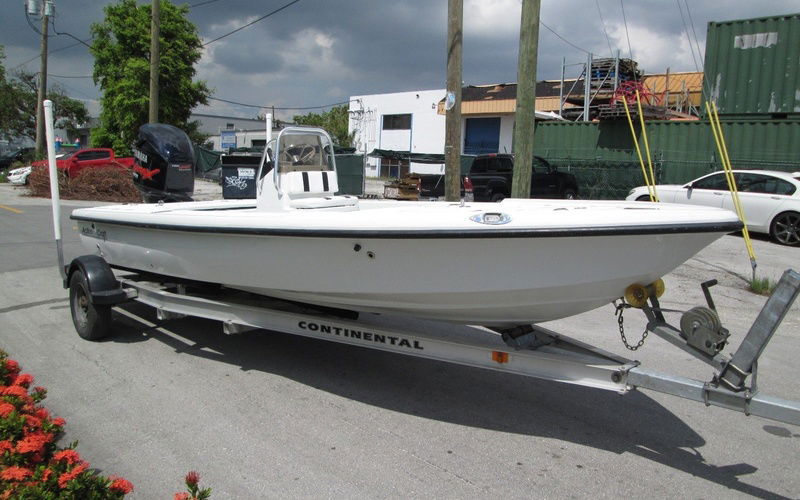
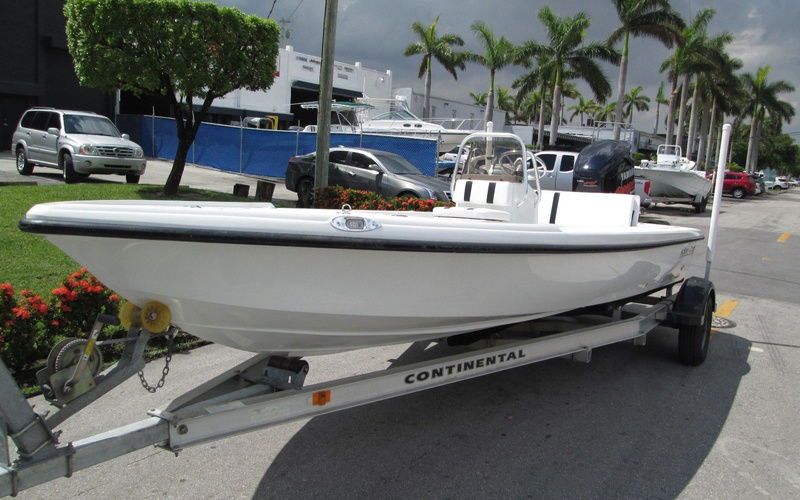
Action Craft 1820 Flatsmaster
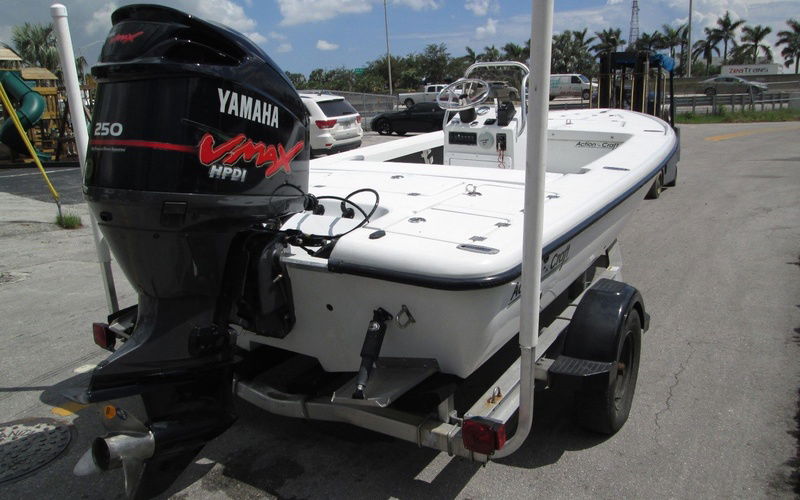
Outboard four-stroke, Unleaded, 1x 150 HP
Power Boats 2000 Action Craft 1820 Flatsmaster: What Owners Should Know Before Buying, Restoring, or Fishing It
If you’ve been looking into the 2000 Action Craft 1820 Flatsmaster, chances are you’re already drawn to what this boat was built ...
Discover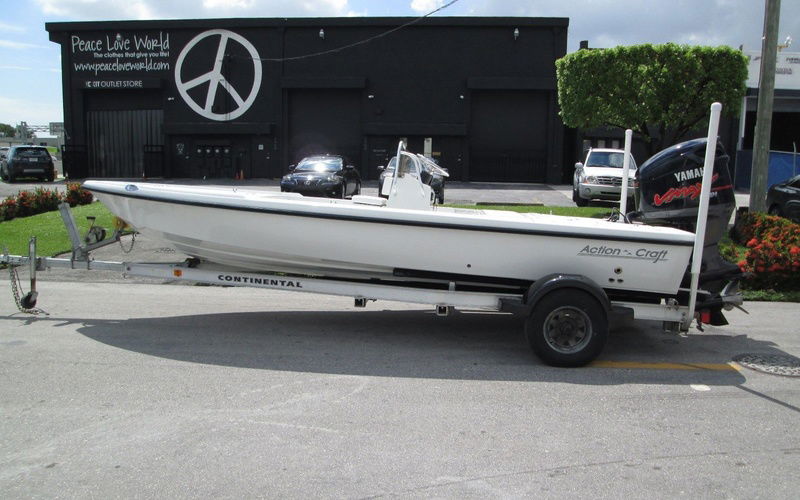
Images have been gathered from various sources and belong to their respective owners.
Review - Action Craft 1820 Flatsmaster

MarineBroker
01/19/2024, 9:35 AM
2000 Action Craft 1820 Flatsmaster: What Owners Should Know Before Buying, Restoring, or Fishing It
If you’ve been looking into the 2000 Action Craft 1820 Flatsmaster, chances are you’re already drawn to what this boat was built for: shallow water, quiet runs, and easy access to flats fishing spots that bigger boats can’t always reach. It’s a classic bay/flats design with a reputation for being practical, nimble, and very fishable.
But here’s the real challenge: when a boat is 20+ years old, the biggest question usually isn’t whether it was a good boat in its day. It’s whether it still makes sense now. Buyers want to know what to inspect, what problems tend to show up, and how to tell if a used 2000 Action Craft 1820 Flatsmaster is a smart buy or a money pit. Owners, on the other hand, often need help keeping one reliable without overcomplicating maintenance.
That’s where this guide comes in. We’ll walk through the common concerns, what makes this model appealing, and the practical steps that help you evaluate, maintain, or restore one with confidence.
- What Makes the 2000 Action Craft 1820 Flatsmaster Worth a Look
The 2000 Action Craft 1820 Flatsmaster sits in a sweet spot for anglers who want a shallow-draft boat that still feels stable enough for real fishing use. At around 18 feet, it’s manageable to tow, launch, and store, while still offering enough deck space for a solo angler or a pair of fishermen.
Action Craft built a strong reputation around flats and bay boats that were designed with fishing first. That means features like:
- Low draft for skinny-water access
- A practical layout for casting and moving around
- A hull shape aimed at shallow-water performance
- A size that’s easier to handle than larger center consoles
For the right buyer, that’s a big deal. A boat like this isn’t trying to do everything. It’s built to do one thing well: get you into shallow water and let you fish comfortably.
That said, older boats always come with a tradeoff. The same age that makes them affordable can also bring hidden issues, especially if the boat has had a hard life or inconsistent maintenance.
- The Main Problem: Age, Wear, and Hidden Maintenance Issues
When people search for the 2000 Action Craft 1820 Flatsmaster, the biggest concern is usually condition. With older fiberglass boats, the hull may still be solid, but everything around it can start to age out.
Common issues on boats this age often include:
- Soft spots in the deck or transom
- Worn wiring or corroded electrical connections
- Fuel system issues from old hoses or tanks
- Steering wear
- Pump or livewell problems
- Hardware leaks around fittings and hatches
The tricky part is that some of these problems are not obvious during a quick walkaround. A boat might look clean on the surface but still need serious work underneath.
For many buyers, the real problem is uncertainty. They don’t know if they’re looking at a solid older fishing boat or one that will require constant repairs after purchase. The good news is that most of that uncertainty can be reduced with a careful inspection and a realistic plan.
- How to Inspect a 2000 Action Craft 1820 Flatsmaster the Smart Way
If you’re considering buying one, don’t rush the inspection. A shallow-water fishing boat can be a great value, but only if the structure and mechanical systems are still in decent shape.
Start with the hull and deck.
Look for:
- Cracks around stress points
- Repairs that look uneven or rushed
- Soft areas in the deck
- Signs of water intrusion around screws, cleats, and hatches
- Visible damage from grounding or trailer wear
Next, check the transom.
The transom is one of the most important parts of any older boat. If it’s weak, that can turn into a major repair. Press firmly in different spots and look for flexing, discoloration, or cracking near the engine mounting area.
Then move to the wiring and console.
Older boats often have electrical systems that were added to, modified, or repaired over the years. You want to see:
- Clean wire routing
- No exposed copper
- No melted connectors
- Working gauges and switches
- A battery setup that looks organized, not improvised
Finally, test the livewell, bilge, and pumps if possible. These are small systems, but they matter a lot on a fishing boat. Replacing them isn’t impossible, but a lot of small failures can add up fast.
- Common 2000 Action Craft 1820 Flatsmaster Issues to Watch For
Every boat model has its usual weak spots, and the 2000 Action Craft 1820 Flatsmaster is no exception. Knowing what tends to show up can help you avoid surprises.
Here are the most common things to watch:
1. Aging fuel system components
Fuel lines, primer bulbs, and tanks can deteriorate over time. Ethanol fuel makes this even more important. If the boat has sat unused, the fuel system should be treated as suspect until proven otherwise.
2. Soft decking or flooring
If water has gotten into the core material, the deck can feel spongy. This is one of the more expensive repairs on an older fiberglass boat.
3. Transom wear
A transom that has been stressed by an oversized motor, poor storage, or water intrusion can become a serious issue.
4. Electrical corrosion
Saltwater use, even occasional, can be hard on switches, terminals, and fuse panels. Corrosion often starts small and spreads.
5. Hardware leaks
Old sealant around cleats, rails, and hatches can fail. Once water gets in, it can slowly damage the structure.
6. Trailer problems
Don’t forget the trailer. Tires, hubs, bunks, lights, and brakes all matter. A great boat on a bad trailer is still a problem.
The point isn’t to scare you off. It’s to help you focus on the parts that matter most before you buy or invest in repairs.
- Why the 2000 Action Craft 1820 Flatsmaster Still Appeals to Anglers
Even with its age, this model has some real strengths that keep it interesting for the right buyer.
First, the size is practical. An 18-foot flats boat is easier to trailer, launch, and store than many newer bay boats. If you fish smaller ramps, shallow estuaries, or tight backwater areas, that convenience matters.
Second, the layout is usually fishing-friendly. Boats in this category are often designed with open space, which makes casting easier and keeps the deck from feeling cramped.
Third, older boats like this can be a value play. If the hull is solid and the systems are decent, you may end up with a very capable fishing boat for less than the cost of a newer model.
That value only holds if you buy wisely. A cheap boat that needs major structural work is not really a bargain.
- Best Uses for the 2000 Action Craft 1820 Flatsmaster
This boat makes the most sense for anglers who want a simple, efficient fishing platform.
It’s especially useful for:
- Inshore flats fishing
- Backwater and mangrove runs
- Skinny-water trips
- Solo or two-person fishing
- Day trips where simplicity matters more than luxury
It’s less ideal if you want:
- Big-water offshore capability
- A lot of family seating
- Heavy gear storage
- Modern comfort features
- High-speed performance in rough chop
That’s not a flaw. It just means the boat is specialized. And specialized boats can be excellent when matched to the right job.
- Practical Restoration and Maintenance Tips
If you already own a 2000 Action Craft 1820 Flatsmaster, or you’re planning to buy one, the smartest approach is to focus on reliability first.
Here’s a good order of priorities:
1. Inspect and repair the structure first
Before spending money on cosmetics, make sure the transom, deck, and hull are sound.
2. Update the fuel system
Replace old fuel lines, filters, and any questionable fittings. If the tank is original and showing signs of trouble, have it properly inspected.
3. Refresh the electrical system
This may include new battery cables, switch panels, terminals, and fuses. A clean electrical setup prevents a lot of headaches.
4. Service the engine thoroughly
Even if the motor starts, it should be checked for compression, cooling performance, lower unit condition, and fuel delivery.
5. Rework the trailer
Good tires, bearings, lights, and bunks make the whole ownership experience easier and safer.
6. Seal and protect vulnerable areas
Use quality marine sealant around fittings and keep up with routine inspections.
A lot of older boat owners make the mistake of chasing upgrades before fixing fundamentals. Don’t do that. A reliable boat is built from the bottom up.
- What to Budget for When Buying One
One of the smartest things you can do is buy with a repair budget in mind.
Even a boat that looks decent may need:
- Battery replacement
- Pump replacement
- New hoses or wiring
- Upholstery repair
- Trailer service
- Minor fiberglass work
If you’re buying a used 2000 Action Craft 1820 Flatsmaster, it’s wise to assume some level of cleanup unless the seller has detailed records and recent maintenance proof.
A helpful rule of thumb:
- Clean, well-kept boat: lower repair budget
- Average older boat: moderate repair budget
- Unknown history or neglected boat: larger repair budget
This doesn’t mean you should avoid older boats. It just means you should price them realistically. The purchase price is only part of the story.
- How to Tell If a Used One Is a Good Deal
A good deal is not just the lowest price. It’s the boat that gives you the best balance of condition, equipment, and expected repair cost.
A used 2000 Action Craft 1820 Flatsmaster is more likely to be a good deal if:
- The hull and transom are solid
- The deck feels firm
- The motor has service records
- The trailer is roadworthy
- The wiring is clean
- The seller can explain maintenance history clearly
Be cautious if:
- The boat has been sitting for years
- The transom shows moisture or flex
- The deck feels soft
- The engine history is unknown
- There are signs of repeated patch jobs
- The price seems “too good” without explanation
A boat that’s been cared for is usually worth more than one that just looks shiny.
- Small Upgrades That Make a Big Difference
If you do end up with one, a few upgrades can make the boat more enjoyable and easier to use.
Useful improvements include:
- New battery switch and wiring cleanup
- LED navigation and deck lights
- Modern trolling motor setup
- Updated fish finder or chart plotter
- Better seating or pedestal hardware
- Non-slip deck surfaces
- Fresh livewell plumbing
These aren’t flashy changes, but they improve everyday fishing. For a boat like the 2000 Action Craft 1820 Flatsmaster, practical upgrades usually matter more than cosmetic ones.
- Final Buying Tip: Match the Boat to Your Real Fishing Style
This is the part a lot of buyers overlook. The best boat isn’t always the newest one or the one with the longest feature list. It’s the one that fits how you actually fish.
If you fish shallow estuaries, want a simple layout, and like the idea of a compact, efficient flats boat, the 2000 Action Craft 1820 Flatsmaster can still make a lot of sense. If you need more space, more comfort, or more all-around versatility, you may want to compare it with newer bay boats before deciding.
The key is to be honest about your needs. That’s how you avoid buyer’s remorse and end up with a boat you’ll actually use.
- Conclusion
The 2000 Action Craft 1820 Flatsmaster remains appealing because it offers what many anglers still want: shallow-water access, a practical fishing layout, and a manageable size. The main challenge with any older boat is condition, not just age, so the smartest move is to inspect carefully, budget realistically, and focus on structural and mechanical reliability first.
If you’re buying, restoring, or simply researching this model, the best approach is to look past the surface and evaluate how well it has been maintained. With the right checks and a sensible repair plan, this boat can still be a very capable fishing platform. If you want to go deeper, compare maintenance records, inspect similar models, and learn what upgrades matter most for your style of fishing.
Specifications
General
Boat Type: Power Boats
Class Type: Freshwater Fishing
Specifications
Length: 18.18
Beam: 6.99
Draft: 0.66
Hull Material: GRP
Build
First Built: 2000
Propulsion
Fuel Type: Unleaded
Engines: 1
Power: 150 HP
Brand: Yamaha
Accomodation
PROS & CONS
What we appreciated
 Shallow draft design ideal for flats and shallow watersDurable construction with quality materialsSpacious deck layout for fishing and maneuverabilityReliable outboard engine compatibilityGood resale value for a classic flats boat
What we didn’t appreciate
 Older model with potential need for maintenance or upgradesLimited modern electronics and features compared to newer boatsSmaller size may limit passenger and gear capacityBasic comfort amenitiesPossible wear on hull and fittings due to age
Upkeep Costs
Fuel: Approximately $1,500 - $2,500 per year depending on usage
Insurance: $300 - $600 per year
Maintenance and Repairs: $500 - $1,200 per year
Storage: $500 - $1,500 per year (varies by location and type)
Registration and Taxes: $50 - $150 per year
Rating
4.9
User
Score
Score
Driveability
Technology
Interior
Design
Similar Boats


MarineBroker
Download now for an immersive boat experience like never before! ⛵✨ Your journey begins with a simple click. 🌊📲
#SetSailSmart #DownloadNow
#SetSailSmart #DownloadNow

Subscribe
Copyright 2017 - 2026, Marinebroker.net, All Rights Reserved