Boat Database » Alumacraft MV 1650 AW TL
Alumacraft MV 1650 AW TL
Outboard four-stroke, Unleaded, 1x 20 HP
Power Boats 2011 Alumacraft MV 1650 AW TL: What Owners Should Know Before Buying, Using, or Restoring
If you’re researching the 2011 Alumacraft MV 1650 AW TL, you’re probably trying to answer a pretty common question: is this boat still a sm...
Discover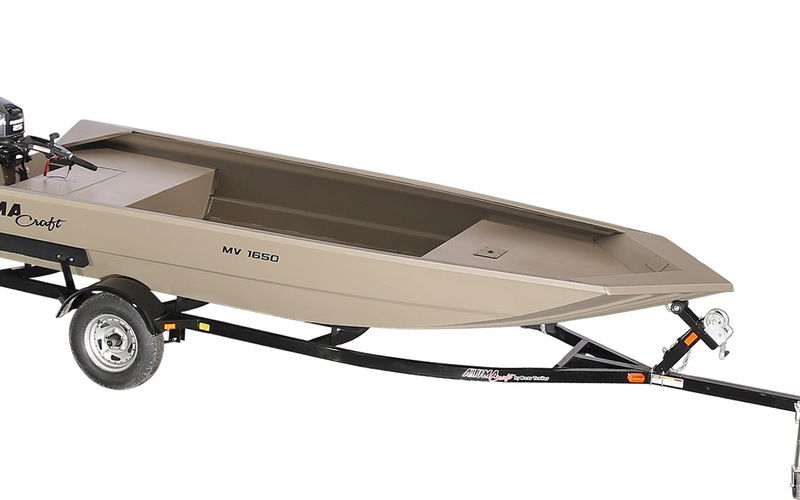

Images have been gathered from various sources and belong to their respective owners.
Review - Alumacraft MV 1650 AW TL

MarineBroker
02/29/2024, 7:00 AM
2011 Alumacraft MV 1650 AW TL: What Owners Should Know Before Buying, Using, or Restoring
If you’re researching the 2011 Alumacraft MV 1650 AW TL, you’re probably trying to answer a pretty common question: is this boat still a smart choice today, and what should you watch out for if you’re considering one? That’s a fair concern. A boat from 2011 can still be a great value, but only if it’s been maintained well and matches the kind of fishing or boating you want to do.
The challenge with older aluminum boats is that they often look simple on the surface, but the real condition can be hidden in the details. Things like rivets, transom wear, corrosion, wiring, trailer condition, and motor setup can make a huge difference in how enjoyable and reliable the boat is. A clean-looking hull doesn’t always mean a trouble-free boat.
The good news is that the 2011 Alumacraft MV 1650 AW TL has a lot going for it if you know what to inspect and how to set it up right. In this article, we’ll walk through the boat’s strengths, common issues to check, and practical ways to get the most out of it without overcomplicating the process.
- What Is the 2011 Alumacraft MV 1650 AW TL?
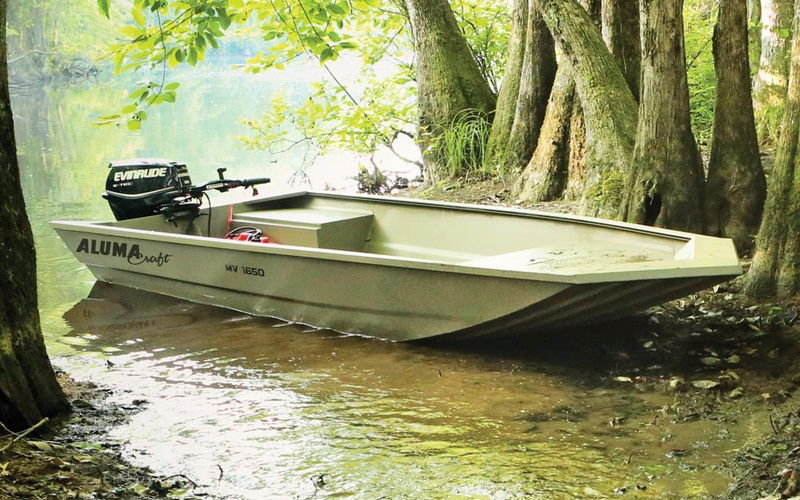
The 2011 Alumacraft MV 1650 AW TL is a mid-sized aluminum fishing boat built for versatility. It’s the kind of rig that appeals to anglers who want something light enough to tow easily, but sturdy enough for lakes, rivers, and moderate conditions.
Alumacraft has long been known for practical aluminum hulls, and the MV series fits that reputation well. The 1650 size gives you a nice balance between maneuverability and usable space. The “AW” designation is commonly associated with a wide-beam design, which helps with stability and interior room. The “TL” typically points to a specific trim or layout package, depending on the market and configuration.
For many owners, this boat works best as:
- A family fishing boat
- A weekend lake boat
- A simple, dependable utility fishing rig
- A platform for trolling motors and electronics
It’s not trying to be a luxury boat. That’s part of the appeal. It’s straightforward, practical, and easy to maintain compared with larger fiberglass models.
- Why People Still Look for the 2011 Alumacraft MV 1650 AW TL
There are a few reasons this model still gets attention years after it was built.
First, aluminum boats tend to age well when cared for properly. They’re lighter than fiberglass boats, easier to tow with a mid-size vehicle, and generally less expensive to maintain.
Second, the 16.5-foot class is a sweet spot for many anglers. It’s big enough to feel usable, but not so large that launching, trailering, or storing becomes a headache.
Third, older boats like this often offer strong value. If the hull is solid and the rigging is in decent shape, you can get a lot of boat for the money.
That said, the main problem buyers face is not the design itself. It’s figuring out whether a used boat has been abused, neglected, or modified in ways that create hidden costs later.
- The Main Problem: Hidden Wear in an Older Aluminum Boat
When people shop for a used 2011 Alumacraft MV 1650 AW TL, the biggest risk is assuming the boat is ready to go just because it starts, floats, and looks decent in photos.
Older aluminum boats can hide issues in a few key areas:
- Rivet leaks
- Corrosion around fittings
- Soft or damaged transom material
- Worn trailer components
- Old wiring or poor electrical repairs
- Cracked sealant around seams
- Motor setup mismatches
This is especially important because a boat may be “usable” but still cost a lot to get truly reliable. A small leak or weak transom can turn into a major repair if ignored.
The solution is not to avoid the boat. It’s to inspect it carefully and understand what matters most.
- How to Inspect a 2011 Alumacraft MV 1650 AW TL Before Buying
If you’re looking at one of these boats, take your time and check the basics thoroughly. A careful inspection can save you a lot of money and frustration.
- Check the hull and rivets
Walk around the boat and look closely at the hull. You want to see straight lines, no major dents, and no signs of patchwork or fresh sealant that might be hiding a problem.
Pay special attention to:
- Rivet lines
- Keel area
- Welds and seams
- Scratches that may have gone through the metal
- Signs of impact near the bow or stern
A few cosmetic scratches are normal. Deep dents, bent structure, or repeated patching are worth questioning.
- Inspect the transom
The transom is one of the most important parts of any boat. If it’s weak, the boat may still float, but it won’t be safe or dependable.
Look for:
- Flexing when the motor is tilted or bounced
- Cracks around mounting bolts
- Water intrusion
- Soft spots
- Rust or corrosion on hardware
If the boat has an outboard mounted, ask whether the bolts have ever been re-torqued or resealed.
- Look at the floor and interior
Many aluminum boats use wood or composite components under the flooring or under seats. Even if the aluminum hull is fine, internal wood can rot over time if water gets in.
Check for:
- Soft spots in the floor
- Spongy casting deck areas
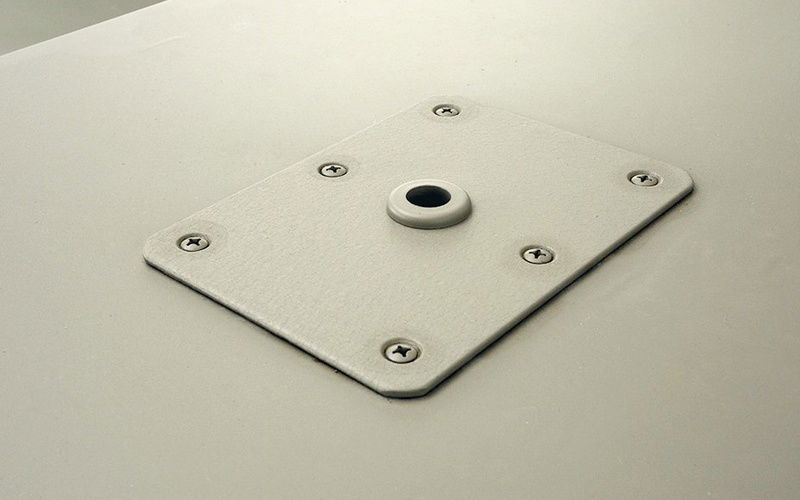
- Loose seat bases
- Water trapped under carpeting or vinyl
- Mildew odor, which can signal long-term moisture issues
A dry, solid interior is a very good sign.
- Test the electrical system
Older boats often have electrical issues caused by corrosion, DIY repairs, or outdated wiring.
Test:
- Navigation lights
- Bilge pump
- Trolling motor wiring
- Battery connections
- Fuse panel
- Console gauges, if equipped
If the wiring looks messy, assume you may need to clean it up or replace part of it.
- Check the trailer too
A lot of people focus only on the boat and forget the trailer. That’s a mistake.
Inspect:
- Tires for dry rot
- Bearings and hubs
- Lights
- Winch strap
- Bunks or rollers
- Frame rust
- Coupler and jack
A bad trailer can turn a good boat into a hassle fast.
- Common Uses for the 2011 Alumacraft MV 1650 AW TL
One reason this model remains popular is that it can be adapted to different kinds of boating.
- Freshwater fishing
This boat is well suited for bass, panfish, walleye, and general inland fishing. The size makes it easy to fish solo or with a partner.
- Trolling motor setups
Many owners equip boats like this with a bow-mount trolling motor for quiet control on lakes and reservoirs. If you fish often, this is one of the best upgrades you can make.
- Electronics installation
The flat, practical layout makes it easier to add:
- Fish finders
- GPS units
- Battery chargers
- Rod holders
- Livewell accessories
- Family and utility use
Some owners use boats like this for simple recreational outings, light gear hauling, or shoreline exploring. It’s not a pontoon, but it can still be a versatile family boat.
- Best Ways to Improve Performance and Reliability
If you already own a 2011 Alumacraft MV 1650 AW TL, the best approach is to focus on reliability first, then performance.
- Replace old batteries
A weak or aging battery causes more problems than many boaters realize. If your boat has a starting battery and a trolling battery, test both before the season starts.
- Upgrade the trolling motor if needed
If the boat still has an older trolling motor, upgrading can make a huge difference in control and fishing comfort. A modern motor with better thrust and battery efficiency is worth considering if you fish often.
- Refresh wiring and connectors
Corrosion is common in older boats. Replacing corroded terminals, cleaning grounds, and using marine-grade heat shrink connectors can improve reliability quickly.
- Seal minor leaks early
If you notice a slow leak, don’t wait. Small leaks often get worse over time. Use the right marine sealant and inspect the affected area carefully.
- Keep weight balanced
These boats perform best when weight is distributed well. Too much gear in one area can affect trim, handling, and fuel efficiency.
A few simple habits help a lot:
- Store heavy gear low and centered
- Avoid overloading the stern
- Balance passengers when possible
- Keep the bilge area clear
- What to Expect on the Water
The 2011 Alumacraft MV 1650 AW TL is typically best described as a stable, practical fishing platform rather than a high-speed boat.
Here’s what owners usually like about boats in this class:
- Easy launching and trailering
- Good low-speed handling
- Stable fishing platform
- Lower operating costs than larger boats
- Simple maintenance
What you should not expect:
- A super soft ride in rough chop
- Huge storage space
- Luxury finishes
- High-speed performance like a fiberglass bass boat
If you understand its strengths, it’s easier to appreciate what it does well.
- Maintenance Tips That Make a Big Difference
A boat like this can last a long time if you stick to a few basic maintenance habits.
- Rinse after use
Even in freshwater, rinsing off the hull, trailer, and hardware helps reduce grime and corrosion buildup.
- Keep drains and bilge areas clear
Leaves, dirt, and old fishing line can clog drain paths and trap moisture.
- Inspect sealant yearly
Look at seams, fittings, and mounting points. Fresh sealant in the right places can prevent bigger problems later.
- Grease moving parts
Winches, trailer bearings, hinges, and steering components all benefit from regular lubrication.
- Store it properly
If possible, store the boat under cover or use a well-fitted cover. Sun and water exposure are tough on seats, wiring, and finishes.
- When the 2011 Alumacraft MV 1650 AW TL Is a Smart Buy
This boat can be a smart buy if:
- The hull is straight and leak-free
- The transom is solid
- The trailer is in good condition
- The motor has been maintained properly
- The price reflects its age and condition
- You want a practical aluminum fishing boat, not a luxury boat
It’s especially appealing if you like simple setups and want something easy to own without constant upkeep.
- When to Walk Away
Even a good model is not worth it if the specific boat is in rough shape.
Walk away if you find:
- Major transom damage
- Serious corrosion
- Repeated patch repairs
- Rotten floor or structural wood
- Badly neglected wiring
- A trailer that needs major work
- A motor condition that doesn’t match the asking price
Sometimes the cheapest boat ends up being the most expensive one after repairs.
- Practical Ownership Tips for First-Time Buyers
If this is your first aluminum boat, keep things simple.
A good starting setup might include:
- Reliable battery charger
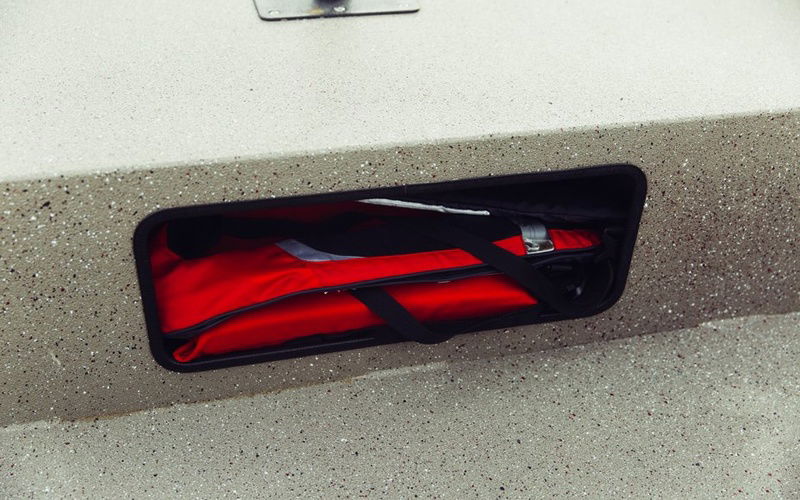
- Quality life jackets
- Spare trailer tire
- Basic tool kit
- Marine sealant
- Small repair kit for wiring and connectors
- Cover for storage
Also, take the boat out for a short test run before buying if possible. Listen for unusual noises, watch how it planes, and check whether it handles evenly.
A short water test can tell you a lot more than a long sales listing ever will.
- Why the 2011 Alumacraft MV 1650 AW TL Still Makes Sense
The reason this boat still gets attention is pretty simple: it hits a useful middle ground. It’s not too big, not too complicated, and not too expensive to keep running if it’s in decent shape.
For buyers who want a dependable aluminum fishing boat, the 2011 Alumacraft MV 1650 AW TL can still be a solid option. The key is knowing what to inspect and not rushing into a purchase just because the price looks good.
A careful buyer can get a lot of value from this model. A rushed buyer can inherit hidden repairs.
- Conclusion
The 2011 Alumacraft MV 1650 AW TL remains a practical choice for anglers and boaters who want a lightweight, versatile aluminum rig. Its real value comes from simplicity, easy trailering, and solid on-water usability, especially when the hull, transom, trailer, and wiring are in good shape.
If you’re shopping for one, focus on condition first and features second. A thorough inspection, a test run, and a realistic view of maintenance needs will help you avoid surprises and make a smarter decision. If you already own one, a few small upgrades and regular upkeep can keep it reliable for years. For anyone researching this model, the best next step is to learn what to inspect and compare a few examples before choosing one.
Specifications
General
Boat Type: Power Boats
Class Type: Freshwater Fishing
Specifications
Length: 16.08
Beam: 6.56
Draft: 0.66
Hull Material: Aluminium
Build
First Built: 2011
Propulsion
Fuel Type: Unleaded
Engines: 1
Power: 20 HP
Brand: Mercury
Accomodation
PROS & CONS
What we appreciated
 Durable all-welded aluminum construction for long-lasting useVersatile multi-vessel design suitable for fishing and recreational boatingDeep-V hull provides good stability and smooth ride in choppy watersLightweight and easy to tow with smaller vehiclesSpacious deck layout with ample storage for gear and equipment
What we didn’t appreciate
 Limited cabin space due to the open designOlder model may lack some modern electronics and featuresSmaller size limits passenger capacity and comfort for longer tripsBasic interior finish may feel utilitarian compared to newer boatsPotential need for engine or component upgrades due to age
Upkeep Costs
Fuel: Approximately $500 - $1,000 per year depending on usage
Maintenance: Around $300 - $600 per year for engine and hull upkeep
Insurance: Typically $200 - $400 per year
Storage: $300 - $800 annually depending on location and type
Registration and Licensing: $50 - $150 per year

Rating
4.8
User
Score
Score
Driveability
Technology
Interior
Design
Similar Boats


MarineBroker
Download now for an immersive boat experience like never before! ⛵✨ Your journey begins with a simple click. 🌊📲
#SetSailSmart #DownloadNow
#SetSailSmart #DownloadNow

Subscribe
Copyright 2017 - 2026, Marinebroker.net, All Rights Reserved