Boat Database » Alumacraft Competitor Shadow 175 Tiller
Alumacraft Competitor Shadow 175 Tiller
Outboard four-stroke, Unleaded, 1x 70 HP
Power Boats 2020 Alumacraft Competitor Shadow 175 Tiller: How to Get the Most Out of a Versatile Fishing Boat
If you’re looking at the 2020 Alumacraft Competitor Shadow 175 Tiller, there’s a good chance you want a boat that can do a little b...
Discover

Images have been gathered from various sources and belong to their respective owners.
Review - Alumacraft Competitor Shadow 175 Tiller

MarineBroker
02/26/2024, 7:44 AM
2020 Alumacraft Competitor Shadow 175 Tiller: How to Get the Most Out of a Versatile Fishing Boat
If you’re looking at the 2020 Alumacraft Competitor Shadow 175 Tiller, there’s a good chance you want a boat that can do a little bit of everything without making life complicated. That’s exactly where this rig stands out. It’s built for anglers who want a practical, no-nonsense fishing boat with enough space, stability, and control to handle lakes, rivers, and long days on the water.
But here’s the common problem: a great boat doesn’t automatically mean a great experience. Many owners and buyers run into the same challenges—figuring out the best setup, dialing in storage, choosing the right motor and trolling options, and understanding how to make a tiller boat feel comfortable instead of tiring. The good news is that most of these issues are easy to solve once you know what to focus on.
In this article, we’ll break down what makes the 2020 Alumacraft Competitor Shadow 175 Tiller a smart choice, what problems people usually face with this kind of boat, and the practical steps that help you get better performance, better fishing, and a better day on the water.
- What Makes the 2020 Alumacraft Competitor Shadow 175 Tiller Stand Out
The 2020 Alumacraft Competitor Shadow 175 Tiller is designed around one big idea: give anglers a stable, efficient platform that stays simple and functional. Tiller boats are popular because they keep the layout open, reduce complexity, and make it easier to move around while fishing.
That open layout matters more than many people realize. When you’re casting, netting fish, or switching spots quickly, less clutter means fewer problems. It also makes the boat easier to clean, easier to customize, and often more affordable to maintain than more complex console setups.
A few reasons this boat appeals to so many anglers:
- Open deck space for fishing mobility
- Lightweight, efficient design for easier handling
- Practical layout for solo or small-group fishing
- Good balance of stability and simplicity
- Easy to outfit with trolling motors, electronics, and storage upgrades
For many boaters, the appeal is not just the hull or the brand name. It’s the fact that the boat feels like a tool built for real-world fishing instead of a flashy setup that looks great on paper but gets in the way on the water.
- The Main Problem: A Tiller Boat Can Feel Uncomfortable or Under-Optimized
A lot of people love the idea of a tiller boat until they spend a full day using one. Then the reality hits: steering can feel awkward, weight distribution matters more than expected, and the boat may not perform as well if it’s not set up correctly.
With the 2020 Alumacraft Competitor Shadow 175 Tiller, the most common issue isn’t the boat itself. It’s how the boat is configured and used.
Typical problems include:
- Fatigue from long hours at the tiller
- Poor balance caused by uneven gear placement
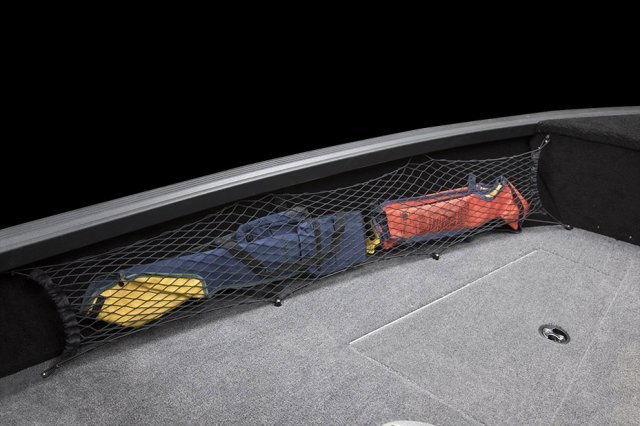
- Not enough storage organization
- Difficulty getting the right trolling speed
- Electronics mounted in a way that blocks movement
- Not using the boat’s open layout efficiently
These are all fixable. In fact, once a tiller boat is dialed in, it can become one of the easiest and most enjoyable fishing setups to run.
- How to Make the 2020 Alumacraft Competitor Shadow 175 Tiller More Comfortable
Comfort is one of the biggest factors in whether you enjoy a tiller boat or not. Since you’re steering from the rear, your posture, stance, and movement matter a lot.
A few simple adjustments can make a huge difference:
- Add a quality tiller extension if needed
- Make sure the throttle response feels smooth
- Use padded seating or a leaning post when appropriate
- Keep frequently used gear within easy reach
- Stand on anti-fatigue mats if you fish long hours
One of the easiest mistakes people make is assuming discomfort is just part of owning a tiller boat. It doesn’t have to be. Small ergonomic upgrades can reduce strain and make the boat feel much more natural.
If you fish for extended stretches, pay attention to how your body feels after an hour or two. If your lower back, shoulders, or wrists are getting tired fast, the setup probably needs a few tweaks.
- Dialing In Balance and Weight Distribution
The 2020 Alumacraft Competitor Shadow 175 Tiller performs best when weight is distributed properly. This is one of the biggest reasons some boats feel stable and responsive while others feel twitchy or sluggish.
A good rule of thumb is to keep heavier items balanced and avoid loading everything to one side or the rear. That includes:
- Batteries
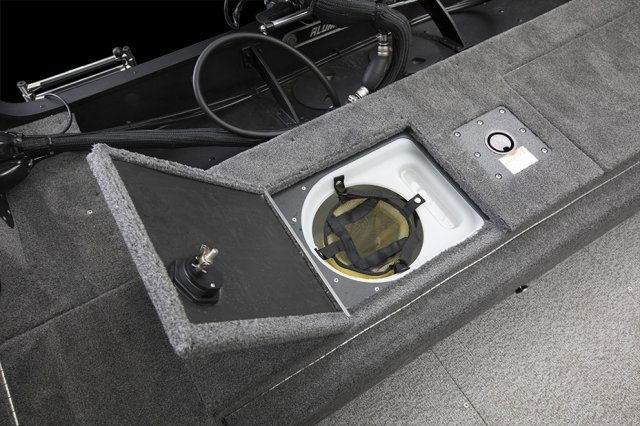
- Fuel tanks
- Coolers
- Tackle boxes
- Anchors
- Extra gear
If the stern sits too low, the boat may plane poorly and feel less efficient. If weight is shifted too far to one side, handling can suffer, especially in wind or when making quick turns.
Practical tips for better balance:
1. Store heavy gear low and centered when possible
2. Keep the heaviest items near the middle of the boat
3. Avoid stacking all your equipment in one corner
4. Recheck balance after adding electronics or accessories
5. Test the boat with your normal fishing load, not just an empty hull
This is especially important for anglers who fish solo. A boat that feels perfect with two people on board may behave differently when you’re out alone with a full load of gear.
- Getting Better Performance from the Hull and Motor Setup
The 2020 Alumacraft Competitor Shadow 175 Tiller is built to be practical, but like any boat, performance depends heavily on setup. The motor, prop, load, and trim all work together.
If the boat feels slower than expected, struggles to get on plane, or burns more fuel than it should, the issue may not be the hull. It may be the setup.
Here’s what to look at:
- Prop selection: The wrong prop can hurt hole shot and top-end speed
- Engine height: Too high or too low can affect efficiency
- Load distribution: Uneven loading can reduce performance
- Trim use: Proper trim helps the boat ride better and use less fuel
- Maintenance: A clean, well-maintained motor performs better every time
For anglers who use their boat often, it’s worth dialing in the setup with real-world testing. Try different load conditions and note how the boat responds. Small changes can lead to noticeable improvements.
If you’re not sure where to start, focus first on prop and weight distribution. Those two factors usually make the biggest difference for a tiller fishing boat.
- Making the Open Layout Work for You
One of the best things about the 2020 Alumacraft Competitor Shadow 175 Tiller is the open deck space. But open space only helps if it’s organized with a purpose.
The challenge is that open layouts can become messy fast. Without a system, gear ends up scattered around the boat, which creates clutter and slows you down.
A better approach is to assign zones:
- One area for tackle
- One area for landing and handling fish
- One area for electronics and battery access
- One area for day-to-day essentials like pliers, gloves, and line cutters
A few organization ideas:
- Use stackable tackle storage
- Install secure rod holders
- Keep a small “grab box” for frequently used tools
- Use labeled bins for soft plastics, terminal tackle, and safety gear
- Mount accessories only where they won’t interfere with movement
The more intentional your layout, the more the boat starts to feel like a well-designed workspace instead of just an open deck.
- Electronics and Accessories That Actually Help
It’s easy to overdo accessories on a fishing boat. The trick is choosing upgrades that solve real problems instead of adding clutter.
For the 2020 Alumacraft Competitor Shadow 175 Tiller, the most useful additions usually include:
- A reliable fish finder or sonar unit
- A trolling motor with good control
- Battery management setup
- Rod holders that don’t get in the way
- Navigation lights and safety gear
- Storage solutions that keep gear dry and secure
If you fish shallow water, structure, or weed edges, electronics can make a big difference in finding fish faster. But placement matters. A screen mounted where it blocks movement or creates glare isn’t helping much.
Before adding gear, ask yourself:
- Will this make fishing easier?
- Will it improve safety?
- Will it save time or reduce frustration?
- Does it fit the way I actually fish?
That simple filter helps prevent unnecessary upgrades and keeps the boat functional.
- Best Uses for the 2020 Alumacraft Competitor Shadow 175 Tiller
This boat really shines when used for practical fishing situations. It’s especially appealing for anglers who value versatility and want a boat that can adapt to different styles.
It works well for:
- Walleye fishing
- Bass fishing
- Panfish trips
- River fishing
- Small- to mid-sized lakes
- Solo fishing days
- Light multi-angler outings
The open layout makes it easy to move around, which is a big advantage when fishing multiple spots or changing tactics quickly. If you like casting from different positions, working shorelines, or moving between structure and open water, the tiller layout can be a real benefit.
It’s also a strong option for anglers who want a boat that’s simpler to launch, run, and maintain than larger, more complex rigs.
- Common Mistakes to Avoid
Even a good boat can feel disappointing if it’s used the wrong way. Here are a few mistakes that often cause frustration with tiller boats like the 2020 Alumacraft Competitor Shadow 175 Tiller:
- Overloading the boat with unnecessary gear
- Ignoring balance and trim
- Mounting accessories without planning the layout
- Choosing the wrong prop or motor setup
- Failing to maintain batteries and electrical connections
- Assuming discomfort is unavoidable
Another big mistake is not testing the boat in real conditions. A setup that looks fine in the driveway may feel completely different on the water with wind, waves, and fishing gear on board.
Take time to fine-tune the boat after the first few trips. Most improvements come from observing how you actually use it.
- A Simple Setup Checklist for Better Results
If you want the 2020 Alumacraft Competitor Shadow 175 Tiller to feel easier and more efficient, here’s a practical checklist to work through:
1. Balance heavy gear evenly
2. Keep the deck clear of clutter
3. Adjust tiller comfort and steering position
4. Test prop and motor performance
5. Organize tackle by use frequency
6. Mount electronics where they’re easy to read
7. Check battery and fuel placement
8. Carry only the gear you really need
9. Review comfort after each trip
10. Make one improvement at a time
This kind of step-by-step approach keeps things manageable and helps you figure out what actually improves the boat experience.
- Why This Boat Appeals to Practical Anglers
The 2020 Alumacraft Competitor Shadow 175 Tiller isn’t about flashy extras. It’s about usefulness. That’s a big reason it attracts anglers who care more about time on the water than showroom features.
People who tend to appreciate this boat usually want:
- A straightforward fishing platform
- Good stability
- Easy access around the deck
- Lower complexity
- Room for customization
- A boat that feels efficient and functional
In other words, it’s a boat for people who like solving fishing problems with smart setup choices instead of relying on gimmicks.
If that sounds like your style, the boat’s strengths are likely to matter more than its limitations.
- Final Thoughts on Getting the Most from the 2020 Alumacraft Competitor Shadow 175 Tiller
The 2020 Alumacraft Competitor Shadow 175 Tiller is a solid choice for anglers who want a simple, open, and adaptable fishing boat. Like any tiller rig, it performs best when the setup is thoughtful, the weight is balanced, and the layout matches the way you fish.
Most of the common frustrations people run into are not major problems. They’re usually setup issues, and that means they’re fixable. Once you dial in comfort, organization, and performance, the boat becomes much easier to enjoy on long fishing days.
If you’re considering this model or already own one, focus on the basics first: comfort, balance, storage, and smart accessory placement. Those improvements often deliver the biggest payoff. And if you want to keep improving your setup, keep learning from each trip—small adjustments can turn a good boat into a great one.
Specifications
General
Boat Type: Power Boats
Class Type: Freshwater Fishing
Specifications
Length: 17.72
Beam: 7.87
Draft: 1.31
Hull Material: Aluminium
Build
First Built: 2020
Propulsion
Fuel Type: Unleaded
Engines: 1
Power: 70 HP
Brand: Yamaha
Accomodation
PROS & CONS
What we appreciated
 Lightweight and easy to towDurable aluminum hull suitable for various water conditionsTiller steering offers precise control and maneuverabilitySpacious deck layout ideal for fishingGood fuel efficiency with smaller outboard engines
What we didn’t appreciate
 Limited seating capacity compared to larger modelsBasic features with fewer luxury or comfort optionsOpen design provides less protection from weather elementsMay have limited storage compartmentsNot ideal for rough waters or high-speed cruising
Upkeep Costs
Fuel: Approximately $500 - $1,000 per year depending on usage
Maintenance and Repairs: $300 - $700 per year
Insurance: $200 - $500 per year
Storage: $300 - $1,000 per year depending on location and type
Registration and Licensing: $50 - $150 per year

Rating
6.3
User
Score
Score
Driveability
Technology
Interior
Design
Similar Boats


MarineBroker
Download now for an immersive boat experience like never before! ⛵✨ Your journey begins with a simple click. 🌊📲
#SetSailSmart #DownloadNow
#SetSailSmart #DownloadNow

Subscribe
Copyright 2017 - 2026, Marinebroker.net, All Rights Reserved