Boat Database » Alumacraft Classic 165 Sport
Alumacraft Classic 165 Sport
Outboard four-stroke, Unleaded, 1x 50 HP
Power Boats 2013 Alumacraft Classic 165 Sport: What to Check Before Buying and How to Make It a Great Fishing Boat
If you’re looking at a 2013 Alumacraft Classic 165 Sport, chances are you already know the appeal: it’s a compact aluminum boa...
Discover


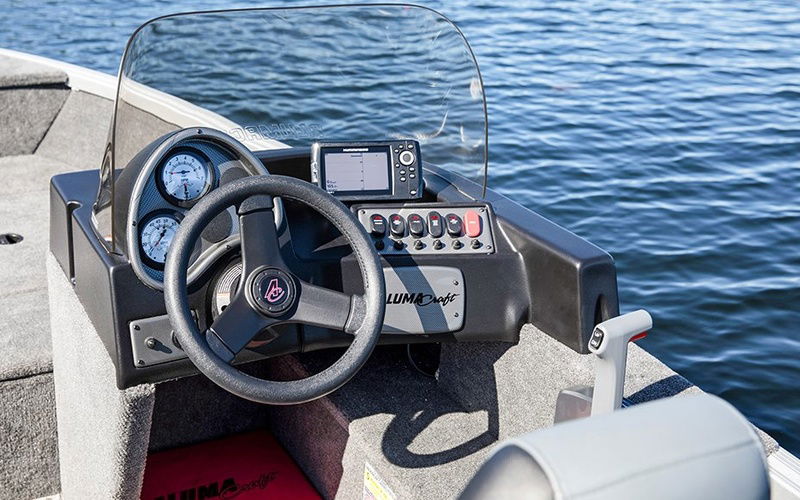
Images have been gathered from various sources and belong to their respective owners.
Latest Market Trends (Latest Available Year Model)
Price: $26,995
Review - Alumacraft Classic 165 Sport

MarineBroker
02/26/2024, 8:36 AM
2013 Alumacraft Classic 165 Sport: What to Check Before Buying and How to Make It a Great Fishing Boat
If you’re looking at a 2013 Alumacraft Classic 165 Sport, chances are you already know the appeal: it’s a compact aluminum boat with a practical layout, easy trailering, and the kind of versatility that works for fishing, cruising, and light family use. Boats like this often hit a sweet spot for people who want something manageable without giving up too much space or capability.
But there’s usually one big question that comes up before buying a used boat: how do you know if it’s actually a good deal and not a project in disguise? With a 2013 model, age alone isn’t the problem. The real issue is condition, maintenance history, and whether the boat has been set up to match how you plan to use it.
That’s where a little know-how goes a long way. If you understand what to inspect, what common wear points matter most, and how to improve the boat after purchase, you can avoid expensive surprises and end up with a rig that feels like a smart, practical buy.
- Why the 2013 Alumacraft Classic 165 Sport Still Gets Attention
The 2013 Alumacraft Classic 165 Sport remains interesting because it sits in a very usable middle ground. It’s not oversized, so it’s easier to tow, launch, and store. At the same time, it offers enough room for a couple of anglers, some gear, and a small crew on calmer waters.
For many buyers, that balance is the whole point. A boat like this is often chosen by people who want:
- A reliable aluminum hull
- Simple ownership and lower upkeep than larger fiberglass boats
- Good fuel efficiency with a modest outboard
- A layout that works for fishing and casual outings
Aluminum boats also tend to appeal to buyers who fish in shallow lakes, rivers, and inland waters. They’re generally lighter and easier to manage on and off the trailer, which makes them practical for weekend use.
The challenge is that used boats can look fine at first glance while hiding issues that matter. That’s especially true for boats that have seen a lot of shoreline bumps, trailer use, or seasonal storage in less-than-ideal conditions.
- The Real Problem: Buying a Used Boat Without Knowing Its History
The biggest problem for someone interested in a 2013 Alumacraft Classic 165 Sport is uncertainty. A boat can be clean, shiny, and even well-equipped, but still have problems that only show up after purchase.
Common concerns include:
- Corrosion around fasteners or fittings
- Hull dents from beaching or trailer mishaps
- Worn transom areas
- Electrical issues from old wiring or bad connections
- Leaks around rivets, seams, or accessories
- A motor that starts but hasn’t been maintained properly
- A trailer that looks serviceable but has bearing, tire, or brake issues
This is why a used boat inspection matters so much. The price tag on the hull is only part of the story. If the engine, trailer, and accessories need work, your “good deal” can turn into a long repair list.
The good news is that the 2013 Alumacraft Classic 165 Sport is the kind of boat where a careful inspection can tell you a lot. You just need to know what to look for.
- What Makes the 2013 Alumacraft Classic 165 Sport a Practical Choice
A boat doesn’t need to be fancy to be useful. In fact, one reason people keep looking at the 2013 Alumacraft Classic 165 Sport is because of its simple, usable design.
Here’s what makes boats in this class appealing:
- Lightweight aluminum construction makes towing easier
- Lower maintenance than many larger boats
- Straightforward layout for fishing gear and movement onboard
- Good fit for lakes, reservoirs, and protected waters
- Often easier to store in a garage or smaller space
If you’re the kind of boater who wants to spend more time on the water and less time maintaining a complicated setup, this style of boat makes sense.
That said, “simple” doesn’t mean “problem-free.” It just means the boat rewards buyers who inspect carefully and set it up wisely.
- How to Inspect a 2013 Alumacraft Classic 165 Sport Before You Buy
A smart inspection can save you from a lot of frustration later. You don’t need to be a marine surveyor to catch many common issues. You just need to slow down and check the details.
- Start with the hull
Walk around the boat and look closely at the aluminum hull. You’re checking for:
- Dents deeper than normal cosmetic wear
- Cracks near welded areas
- Signs of patching or amateur repairs
- Heavy oxidation or pitting
- Uneven wear along the keel or chines
Small scuffs are normal on a used aluminum boat. Deep dents, however, can indicate hard grounding or repeated impact.
- Check the transom
The transom is a critical area, especially if the boat carries an outboard. Press around it, inspect mounting points, and look for:
- Flexing
- Corrosion around bolts
- Water stains
- Softness or separation if there are any wood or composite components involved
A weak transom is not something to ignore. It can lead to expensive repairs and safety concerns.
- Inspect the rivets and seams
On aluminum boats, leaks often show up around rivets or seams. Look for corrosion, white oxidation, or signs of sealant that has been repeatedly patched.
If possible, ask whether the boat has ever needed leak repair. A dry boat is always a better sign than one that has been “fixed a few times.”
- Look at the floor and interior
Step carefully and feel for soft spots, movement, or unusual flex. Check:
- Flooring condition
- Seat mounts
- Storage compartments
- Livewell lids or hatches
- Rust or corrosion on hardware
Interior wear can tell you how the boat was used. Heavy fishing use is fine, but neglected hardware or water intrusion can point to bigger problems.
- Examine the trailer
A lot of buyers focus on the boat and forget the trailer. That’s a mistake.
Check:
- Tire condition and date codes
- Bearing play
- Lights and wiring
- Winch and strap
- Frame rust
- Bunks or rollers
- Registration and title status
A trailer in bad shape can be a headache even if the boat itself is solid.
- Don’t skip the motor
If the 2013 Alumacraft Classic 165 Sport comes with an outboard, inspect it closely or have a mechanic do it. Ask about:
- Service records
- Compression test results
- Impeller replacement
- Fuel system maintenance
- Starting behavior cold and warm
- Idling and shifting performance
An outboard that starts quickly but hasn’t been serviced properly can still become an expensive problem.
- Common Issues to Watch for in a Boat of This Age
A 2013 boat isn’t old in the grand scheme of things, but it’s old enough that wear and maintenance history matter. Here are the most common issues to watch for.
- Electrical gremlins
Old wiring, corroded terminals, and weak grounds can cause frustrating problems. Lights may flicker, bilge pumps may act up, or accessories may stop working intermittently.
If you see a mess of added electronics, make sure the wiring was done cleanly with marine-grade materials.
- Fuel system age
Fuel lines, primer bulbs, tanks, and filters age over time. Ethanol-blended fuel can also create issues if the boat sat unused for long periods.
A rough-running motor may not be “just old age.” It could be a fuel delivery problem.
- Hardware corrosion
Even aluminum boats can develop corrosion around stainless fasteners, fittings, and dissimilar metals. Saltwater use makes this worse, but freshwater boats aren’t immune.
Look for white powdery buildup, pitting, or hardware that seems seized.
- Upholstery and cushion wear
Seats and cushions may be faded, cracked, or waterlogged. This isn’t always a dealbreaker, but replacement costs add up.
- Storage wear
Boats stored outside without proper cover often show sun damage, mildew, and faded finishes. That doesn’t automatically mean the boat is bad, but it does mean you should inspect more carefully.
- How to Turn the 2013 Alumacraft Classic 165 Sport Into a Better Boat for Your Needs
One of the best things about a boat like the 2013 Alumacraft Classic 165 Sport is that it can often be improved pretty easily after purchase. The goal isn’t to overbuild it. The goal is to make it fit your style of boating.
- Upgrade the safety basics first
Before adding fancy gear, make sure the essentials are solid:
- Life jackets for everyone onboard
- Fire extinguisher
- Throwable flotation device
- Working navigation lights
- Bilge pump if equipped
- Horn or sound device if needed
These upgrades aren’t exciting, but they matter every time you launch.
- Improve fishability
If you’re buying the boat for fishing, focus on practical additions:
- Trolling motor
- Battery setup with proper charging
- Rod holders
- Storage organization
- Fish finder or sonar unit
- Anchor system suited to your waters
A small aluminum boat can become much more enjoyable with just a few well-chosen accessories.
- Make the ride more comfortable
If you plan to use the boat for casual outings too, consider:
- Better seating
- Removable cushions
- Bimini top or sun protection
- Dry storage solutions
- Non-slip mats in high-traffic areas
These changes can make a big difference on longer days.
- Keep weight in mind
Because the boat is compact and lightweight, it’s important not to overload it with gear. Too much weight can affect performance, handling, and fuel economy.
A good rule of thumb is to keep the setup simple and purposeful. Every item onboard should earn its place.
- How to Use a 2013 Alumacraft Classic 165 Sport in the Real World
This boat works best when matched to the right water and expectations. It’s a practical choice for:
- Inland lakes
- Calm reservoirs
- Slow-moving rivers
- Weekend fishing trips
- Casual family cruising in protected waters
It’s not the boat you choose for rough offshore conditions or big-water adventures in bad weather. That doesn’t make it less useful. It just means it shines in the right environment.
If you’re mostly launching from ramps, fishing local waters, and want something easy to own, this type of boat makes a lot of sense.
- Smart Buying Tips That Save Money Later
If you’re seriously considering a 2013 Alumacraft Classic 165 Sport, a few simple buying habits can protect your budget.
- Ask for maintenance records
Even a basic service log is helpful. It tells you whether the owner actually cared for the boat or just used it until something broke.
- Test everything on the water
A dockside look is not enough. If possible, run the boat long enough to check:
- Starting
- Idling
- Acceleration
- Steering
- Trim operation
- Shifting
- Electronics
Problems often show up only under load.
- Compare the total package, not just the hull
A boat with a strong motor, clean trailer, and decent electronics may be a better deal than a cheaper hull with hidden problems.
- Budget for immediate maintenance
Even a good used boat usually needs a few things right away:
- Fresh fluids or oil service
- New batteries
- Fuel filter replacement
- Safety gear updates
- Trailer service
- New seals or caulk in some areas
Planning for that upfront keeps you from being surprised later.
- Why the Right Maintenance Matters After Purchase
Once you own the boat, maintenance is what keeps it useful. Aluminum boats are relatively forgiving, but they still need regular care.
A simple maintenance routine should include:
- Rinsing after use
- Checking for corrosion
- Inspecting the trailer before towing
- Charging batteries properly
- Storing the boat covered when possible
- Flushing the motor if required
- Keeping an eye on seals and fasteners
A few minutes of care after each trip can prevent much bigger issues down the road.
The nice thing about a boat like the 2013 Alumacraft Classic 165 Sport is that maintenance is usually manageable. You don’t need a huge budget or a full-time mechanic. You just need consistency.
- Conclusion
The 2013 Alumacraft Classic 165 Sport can be a very practical boat for the right buyer, especially if you want something simple, easy to tow, and versatile enough for fishing or relaxed days on the water. The main challenge with any used boat is not the model itself, but the unknowns that come with age, maintenance, and prior use.
If you inspect the hull, transom, trailer, motor, and wiring carefully, you can avoid most of the common headaches. From there, a few smart upgrades and a basic maintenance routine can turn it into a dependable, enjoyable setup. If you’re comparing used aluminum boats, take your time, ask good questions, and focus on the total condition rather than just the asking price.
Specifications
General
Boat Type: Power Boats
Class Type: Freshwater Fishing
Specifications
Length: 16.4
Beam: 6.89
Draft: 0.98
Hull Material: Aluminium
Build
First Built: 2013
Propulsion
Fuel Type: Unleaded
Engines: 1
Power: 50 HP
Brand: Evinrude
Accomodation
PROS & CONS
What we appreciated
 Durable aluminum hull providing longevity and corrosion resistanceLightweight design making it easy to tow and launchSpacious 16.5-foot length suitable for fishing and recreational useStable and smooth ride in calm to moderate water conditionsSimple, low-maintenance construction ideal for beginners
What we didn’t appreciate
 Limited space and comfort for larger groups or extended tripsBasic features with minimal luxury or advanced electronicsNot well-suited for rough water or high-speed boatingOlder model with potential need for engine or equipment upgradesMinimal storage compartments compared to newer models
Upkeep Costs
Fuel: Approximately $500-$800 per year depending on usage and engine size
Maintenance and Repairs: Around $300-$600 annually
Insurance: Typically $200-$400 per year
Storage Fees: Varies widely, estimated $300-$1,200 annually
Registration and Taxes: Approximately $50-$150 per year

Rating
5.2
User
Score
Score
Driveability
Technology
Interior
Design
Similar Boats


MarineBroker
Download now for an immersive boat experience like never before! ⛵✨ Your journey begins with a simple click. 🌊📲
#SetSailSmart #DownloadNow
#SetSailSmart #DownloadNow

Subscribe
Copyright 2017 - 2026, Marinebroker.net, All Rights Reserved