Boat Database » Alumacraft MV1860 AW Bay
Alumacraft MV1860 AW Bay
Outboard four-stroke, Unleaded, 1x 50 HP
Power Boats 2017 Alumacraft MV1860 AW Bay: How to Get More Out of a Compact Bay Boat
If you’re looking at the 2017 Alumacraft MV1860 AW Bay, chances are you already know the appeal of a bay boat that’s easier to trailer, simpler to handle, a...
Discover


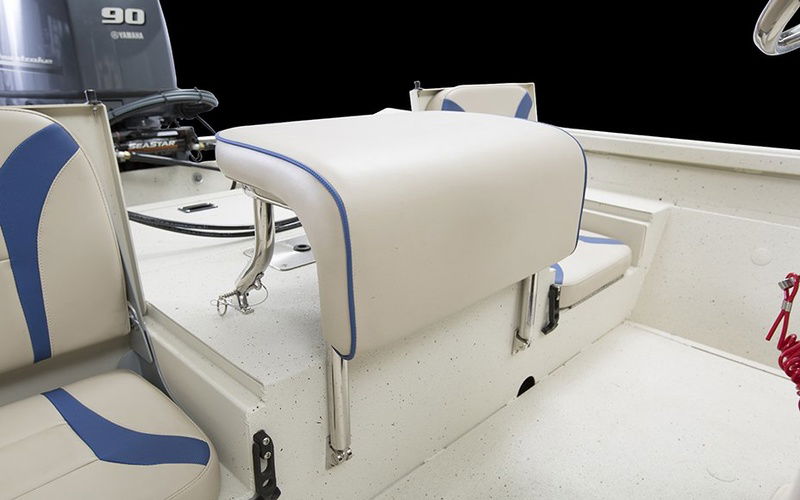
Images have been gathered from various sources and belong to their respective owners.
Review - Alumacraft MV1860 AW Bay

MarineBroker
03/06/2024, 1:47 PM
2017 Alumacraft MV1860 AW Bay: How to Get More Out of a Compact Bay Boat
If you’re looking at the 2017 Alumacraft MV1860 AW Bay, chances are you already know the appeal of a bay boat that’s easier to trailer, simpler to handle, and still capable of serious fishing. The challenge is figuring out how to make a boat like this work best for your style of boating without overloading it, under-equipping it, or expecting it to do everything at once.
That’s a pretty common problem for owners and buyers of compact bay boats. A rig like the 2017 Alumacraft MV1860 AW Bay sits in a sweet spot: it’s big enough for bay fishing, shallow-water runs, and family outings, but small enough to stay manageable. The catch is that performance, comfort, and usefulness depend a lot on how you rig it and how you use it.
The good news? With the right setup and a few smart habits, this boat can be a very practical all-around platform. In this article, we’ll look at what makes the MV1860 AW Bay appealing, the common issues people run into, and how to solve them in a way that actually improves your time on the water.
- What Makes the 2017 Alumacraft MV1860 AW Bay Stand Out
The 2017 Alumacraft MV1860 AW Bay is designed for anglers who want a versatile aluminum bay boat without jumping into a larger, heavier, more expensive hull. At 18 feet 6 inches, it offers a useful balance of deck space, draft, and trailerability.
That size matters. Many boaters want something that can handle inshore waters, but they don’t want the hassle that comes with a bigger center console or deep-V rig. This model fits that need well.
A few traits make this type of boat especially attractive:
- Shallow-water capability for flats, marshes, and protected bays
- Lightweight aluminum construction for easier towing and launching
- Open layout that works well for fishing and gear movement
- Lower operating cost compared with larger fiberglass bay boats
- Flexibility for anglers, casual cruising, and light family use
For many people, the real value isn’t just the boat itself. It’s the fact that a compact bay boat can be adapted to different trips without becoming a burden to own.
- The Main Problem: Too Many Owners Don’t Match the Boat to the Way They Use It
One of the biggest issues with any boat like the 2017 Alumacraft MV1860 AW Bay is mismatched expectations. People often buy a bay boat thinking it will do everything equally well, then get frustrated when they run into limitations.
Here’s what that usually looks like:
- Loading too much gear and hurting performance
- Running in rougher water than the hull is really meant for
- Using the wrong motor or prop setup
- Ignoring weight distribution
- Failing to plan for storage, electronics, and battery placement
- Expecting big-boat comfort from a compact layout
This is where many owners lose confidence. The boat isn’t necessarily the problem. The setup is.
A compact bay boat works best when you treat it like a purpose-built tool rather than a one-size-fits-all platform. Once you do that, you can get much better results from the same hull.
- Understanding What the MV1860 AW Bay Is Best At
Before making upgrades or planning trips, it helps to be realistic about what this boat does well.
The 2017 Alumacraft MV1860 AW Bay is best suited for:
- Inshore fishing in bays and protected coastal waters
- Running shallow water where draft matters
- Solo fishing or fishing with one or two partners
- Shorter day trips
- Anglers who want a practical, easy-to-trailer rig
It is not typically the best choice for:
- Long offshore runs
- Heavy chop at speed
- Large-group outings
- Overloaded weekend cruising with lots of passengers and gear
That doesn’t make it limited. It just means the boat performs best when used within its design range. Knowing that range is the first step toward solving most of the common frustrations.
- How to Improve Performance on the Water
If you want the 2017 Alumacraft MV1860 AW Bay to feel more efficient and stable, start with the basics. A lot of performance issues can be traced back to weight, balance, and prop setup.
- Keep Weight Under Control
Aluminum bay boats are often sensitive to unnecessary weight. Every extra battery, cooler, tackle box, or accessory changes how the boat sits in the water.
A few simple habits help:
- Remove gear you don’t use regularly
- Store heavy items low and near the centerline
- Avoid piling everything in the stern
- Use lightweight accessories when possible
This can improve hole shot, fuel economy, and shallow-water handling.
- Check Weight Distribution
Uneven loading can make the boat feel sluggish or unstable. If the stern is too heavy, the bow may ride low and the boat may struggle to plane efficiently.
Try to balance:
- Fuel
- Batteries
- Tackle
- Ice chests
- Anchors
- Extra passengers
Even small changes can make a noticeable difference in how the boat handles.
- Match the Prop to the Way You Run
Prop choice matters more than many new owners expect. The wrong prop can lead to poor acceleration, weak top-end speed, or inefficient cruising.
If you mainly:
- Fish shallow water, prioritize quick lift and good low-speed control
- Run with a partner and light gear, focus on efficient cruising
- Carry extra load, consider a setup that helps maintain plane under weight
If you’re unsure, a dealer or prop shop can help you dial in the right setup based on your engine, load, and typical water conditions.
- Use Trim Correctly
Trim is one of the easiest tools for improving ride quality, but many boaters don’t use it enough.
A good trim setup can:
- Help the hull plane faster
- Reduce drag
- Improve fuel efficiency
- Smooth out the ride in light chop
The key is to make small adjustments and pay attention to how the boat responds. Too much trim can make the bow feel loose; too little can make the boat plow unnecessarily.
- Making the Most of the Open Layout
One of the strongest advantages of the 2017 Alumacraft MV1860 AW Bay is the open deck. That gives you flexibility, but it also means you need a plan.
Without organization, open space can turn into clutter fast.
- Create Zones for Gear
Think of the boat in sections:
- Bow area for casting and anchor work
- Midship area for tackle and electronics
- Stern area for battery, fuel, and mechanical access
When gear has a place, the boat feels bigger and safer.
- Use Storage Smartly
If your boat has limited built-in storage, use compact, stackable containers. Soft tackle bags often work better than hard boxes because they fit into tight spaces and are easier to move around.
Good storage habits include:
- Keeping frequently used tackle accessible
- Storing safety gear where it can be reached quickly
- Securing loose items so they don’t slide around
- Labeling boxes for different fishing styles or trips
A clean deck is not just about looks. It also reduces tripping hazards and makes fishing more efficient.
- Add Only the Electronics You Actually Need
It’s easy to overdo electronics on a smaller bay boat. Bigger screens and multiple accessories can look impressive, but they can also eat up space, power, and budget.
For most owners, a practical setup includes:
- A reliable fish finder/chart plotter
- A good battery management plan
- Optional trolling motor support if you fish shallow areas often
- Basic lighting for early or late trips
If you fish mostly in familiar waters, a simpler setup may be enough. If you run new water often, GPS and mapping become more valuable.
- Solving the Comfort Problem on a Smaller Bay Boat
Comfort is another area where expectations can get out of line. The 2017 Alumacraft MV1860 AW Bay can be a great fishing platform, but it’s still a compact boat. That means comfort has to be built into the setup.
- Improve Seating and Standing Options
Standing room is great for casting, but long days on the water can wear you out. If your boat allows it, add:
- A supportive leaning post
- A pedestal seat for longer runs
- Cushioned seating where practical
You don’t need to turn the boat into a cruiser. Just make it comfortable enough that people want to stay out longer.
- Add Shade Where Possible
In hot climates, sun exposure can drain the fun out of a day fast. A compact bimini top or removable shade solution can make a big difference, especially for family trips or midday fishing.
- Keep Ride Expectations Realistic
This type of boat can handle a lot, but it’s still a lighter hull. In rough water, comfort depends on:
- Speed
- Trim
- Seating position
- Load balance
- Weather awareness
Slowing down a little often makes the biggest comfort difference of all.
- Safety Habits That Matter More on a Compact Bay Boat
Smaller bay boats are easy to tow and launch, but they still deserve serious safety attention. In fact, because they’re light and open, good habits matter even more.
- Check the Weather Before Every Trip
This sounds basic, but it’s one of the most important habits you can build. Wind and chop can change a pleasant outing into a rough ride quickly.
Before leaving, check:
- Wind speed and direction
- Storm chances
- Tide movement
- Water conditions in your area
If conditions look marginal, it’s often better to shorten the trip or choose more protected water.
- Carry the Right Safety Gear
At minimum, make sure you have:
- Life jackets for everyone on board
- A throwable flotation device
- Fire extinguisher if required
- Navigation lights
- Whistle or horn
- First-aid kit
- Anchor and line
For shallow-water and bay use, a push pole or shallow-water anchor can also be very useful.
- Don’t Overload the Boat
This is worth repeating. Overloading affects stability, draft, and handling.
A good rule is to keep the boat loaded for the trip you’re actually taking, not the trip you might take someday.
- Maintenance Tips That Keep the Boat Performing Well
The 2017 Alumacraft MV1860 AW Bay can stay reliable for years if you stay ahead of routine maintenance. Aluminum boats are tough, but the systems around them still need attention.
- Inspect the Hull Regularly
Check for:
- Dents or impact damage
- Loose rivets or fasteners
- Corrosion around fittings
- Wear on the keel and transom areas
Catching small issues early can save money and prevent bigger problems later.
- Keep Wiring Neat and Dry
Electrical issues are one of the most common frustrations on fishing boats. Moisture, loose connections, and cluttered wiring can cause all kinds of headaches.
To avoid that:
- Use marine-grade connectors
- Keep wiring secured and labeled
- Protect battery terminals from corrosion
- Check fuses and switches periodically
- Service the Motor on Schedule
Your engine is the heart of the setup. Follow service intervals for:
- Oil changes
- Lower unit maintenance
- Fuel system inspection
- Spark plugs
- Water pump checks
A well-maintained motor usually does more for your boating experience than any accessory upgrade.
- Who Gets the Most Value from the 2017 Alumacraft MV1860 AW Bay?
This boat is a strong fit for people who want a practical, adaptable fishing rig without going too large.
It tends to suit:
- Inshore anglers
- Buyers who trailer often
- People with limited storage space
- Owners who want lower operating costs
- Boaters who prefer a simple, functional layout
It may be less ideal for someone who wants:
- A large family cruiser
- Offshore capability
- Maximum comfort in rough water
- Tons of built-in luxury features
That’s not a weakness. It’s just a matter of matching the boat to the job.
- A Practical Setup Formula for Better Results
If you want a simple way to get more from the 2017 Alumacraft MV1860 AW Bay, use this approach:
1. Keep the boat light and balanced
2. Match the prop and engine setup to your real-world use
3. Organize the deck so gear doesn’t take over
4. Add only the electronics and accessories you’ll truly use
5. Maintain the hull and motor consistently
6. Respect weather and water conditions
That formula solves most of the common issues owners run into. It also makes the boat feel more capable without requiring major changes.
- Conclusion
The 2017 Alumacraft MV1860 AW Bay works best when you treat it as a smart, versatile inshore platform rather than a do-everything boat. Its compact size, shallow-water ability, and open layout make it a solid choice for anglers who value simplicity and practicality.
Most of the problems owners face come down to setup, not the hull itself. By managing weight, improving balance, choosing the right prop, and keeping the deck organized, you can get a lot more comfort and performance out of the boat. If you’re considering this model or already own one, focusing on how you use it will make the biggest difference. For more help, it’s worth exploring rigging guides, prop advice, and maintenance resources tailored to bay boats.
Specifications
General
Boat Type: Power Boats
Class Type: Freshwater Fishing
Specifications
Length: 18.04
Beam: 7.55
Draft: 0.98
Hull Material: Aluminium
Build
First Built: 2017
Propulsion
Fuel Type: Unleaded
Engines: 1
Power: 50 HP
Brand: Mercury
Accomodation
PROS & CONS
What we appreciated
 Durable aluminum hull ideal for shallow waters and rugged conditionsVersatile design suitable for both fishing and general recreational useSpacious deck layout with ample storage compartmentsGood fuel efficiency with a lightweight buildReliable outboard motor compatibility and easy maintenance
What we didn’t appreciate
 Limited cabin or shelter options for bad weatherBasic comfort features compared to larger or more expensive boatsMay have lower stability in very rough waters due to smaller sizeMinimal electronics and advanced navigation equipment includedSeating may be less comfortable for longer trips
Upkeep Costs
Fuel: Approximately $500 - $1,200 annually depending on usage and fuel prices
Maintenance: Around $300 - $600 per year for engine servicing and hull upkeep
Insurance: Typically $300 - $600 per year depending on coverage and location
Storage: $500 - $1,200 annually depending on marina or storage type
Registration and Taxes: $50 - $200 per year depending on state regulations
Rating
5.1
User
Score
Score
Driveability
Technology
Interior
Design
Similar Boats


MarineBroker
Download now for an immersive boat experience like never before! ⛵✨ Your journey begins with a simple click. 🌊📲
#SetSailSmart #DownloadNow
#SetSailSmart #DownloadNow

Subscribe
Copyright 2017 - 2026, Marinebroker.net, All Rights Reserved