Boat Database » Alumacraft Competitor 185 Tiller
Alumacraft Competitor 185 Tiller
Outboard four-stroke, Unleaded, 1x 75 HP
Power Boats 2016 Alumacraft Competitor 185 Tiller: What to Know Before You Buy, Fish, or Upgrade
If you’ve been looking at the 2016 Alumacraft Competitor 185 Tiller, chances are you already know it’s the kind of boat that can do a lot withou...
Discover
Images have been gathered from various sources and belong to their respective owners.
Review - Alumacraft Competitor 185 Tiller

MarineBroker
02/23/2024, 6:40 AM
2016 Alumacraft Competitor 185 Tiller: What to Know Before You Buy, Fish, or Upgrade
If you’ve been looking at the 2016 Alumacraft Competitor 185 Tiller, chances are you already know it’s the kind of boat that can do a lot without feeling complicated. It’s built for anglers who want a practical, stable, and easy-to-handle fishing platform, especially on inland lakes and rivers. But like any used boat, the big question isn’t just “Is it a good boat?” It’s “Will it actually fit the way I fish?”
That’s where a lot of buyers get stuck. They like the layout, the tiller setup, and the fishing-focused design, but they’re unsure about real-world things like storage, horsepower needs, handling, comfort, and whether a used 2016 model still makes sense today. Those are the details that matter most once you’re out on the water.
The good news is that most of those concerns can be solved with the right checklist and a few practical upgrades. In this article, we’ll walk through what makes the 2016 Alumacraft Competitor 185 Tiller appealing, what problems owners and buyers should watch for, and how to get the most out of it if you’re considering one.
- What Makes the 2016 Alumacraft Competitor 185 Tiller Stand Out
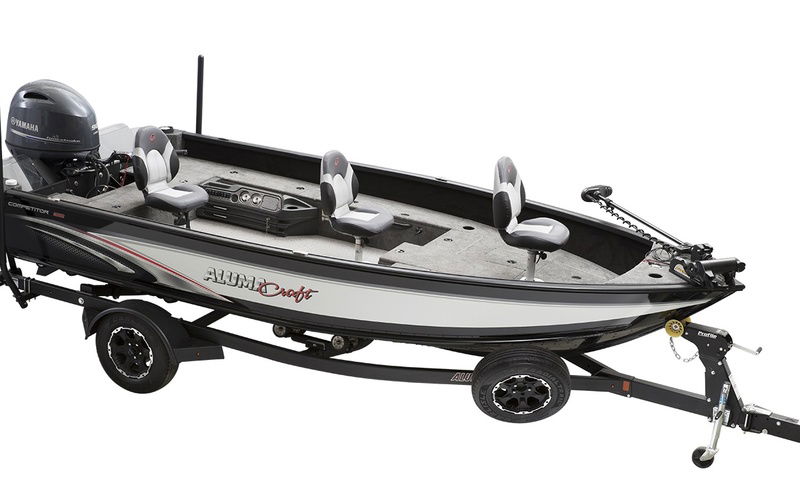
The 2016 Alumacraft Competitor 185 Tiller is a fishing boat designed with simplicity and function in mind. At roughly 18.5 feet, it offers a nice balance between maneuverability and usable deck space, which is one reason many anglers like this style of boat.
A tiller model gives you a very direct boating experience. Instead of sitting at a console, you control the boat from the rear with a tiller handle. That means fewer components, a more open layout, and usually a lighter overall package compared with a side-console or dual-console setup.
For many anglers, that’s a big advantage.
Why people look for this model:
- Simple, open fishing layout
- Good platform for lakes, rivers, and backwaters
- Easy to trailer, launch, and store
- Less clutter than console boats
- Often preferred by anglers who fish solo or with one partner
The Competitor line is known for being practical rather than flashy. That’s a strength. If your goal is to fish comfortably and efficiently, the boat’s design makes sense.
- The Main Problem Buyers Face: Finding the Right Used Fishing Boat
When people search for a 2016 Alumacraft Competitor 185 Tiller, they’re usually trying to solve one of three problems:
- They want a reliable used fishing boat without overspending.
- They need a tiller boat that works well for their style of fishing.
- They’re comparing options and want to know if this model is a smart buy.
The challenge is that used boats can look great on paper but still have hidden issues. A clean hull doesn’t always mean a clean history. A boat with good specs may still be a poor fit if it doesn’t match your fishing habits, water conditions, or towing vehicle.
That’s why the real problem isn’t just “finding the boat.” It’s finding the right boat and knowing how to evaluate it properly.
- Why the Tiller Setup Appeals to So Many Anglers
A tiller boat is a bit different from the typical fishing boat setup, and that difference is exactly what attracts many buyers.
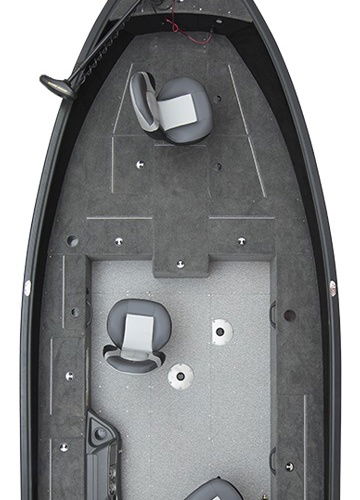
With the engine controlled from the rear, you get a very open cockpit and more freedom to move around. That makes it easier to fish, net, cast, and store gear without working around a helm console.
Benefits of a tiller setup:
- More usable interior space
- Better visibility and direct boat control
- Often lighter and simpler than console boats
- Easier access to the stern and fishing areas
- Great for anglers who value function over luxury
The tradeoff is that tiller boats can be less comfortable in rough water for long periods, especially if you’re standing or exposed to wind. But for many inland-water anglers, that’s a fair trade for the simplicity and space.
If you fish smaller lakes, protected bays, or rivers, a tiller model like the 2016 Alumacraft Competitor 185 Tiller can be a very practical choice.
- What to Check Before Buying a 2016 Alumacraft Competitor 185 Tiller
If you’re shopping for one, don’t focus only on the year and model name. A used fishing boat lives or dies by its condition.
Here’s a smart inspection checklist:
- Hull condition
Look for dents, deep scratches, corrosion, or signs of repair. Aluminum boats are durable, but hard impacts can still cause problems.
- Transom health
The transom should feel solid and show no signs of flexing, rot, or water intrusion. This is especially important if the boat has been used with a heavier outboard.
- Floor and decking
Check for soft spots, loose panels, or signs of water damage.
- Wiring and electronics
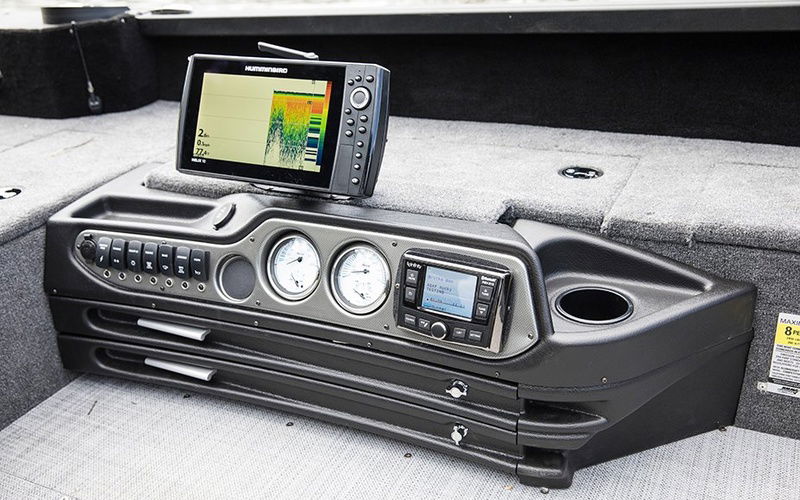
Test navigation lights, bilge pump, livewell systems, and any fish finder or accessory wiring.
- Outboard condition
Ask for service records. A well-maintained motor is worth far more than a lower asking price on a neglected one.
- Trailer condition
Inspect tires, bearings, bunks, lights, and brakes if equipped. A bad trailer can turn a good boat purchase into a headache.
- Fuel system
Old fuel lines, tanks, or filters can cause performance issues. Smell for fuel leaks and inspect for cracking.
- Ownership and title
Make sure the title and registration are clean and match the seller’s information.
A boat can look ready to go and still need a few thousand dollars in repairs. That’s why a careful inspection is one of the best solutions to the used-boat problem.
- How the 2016 Alumacraft Competitor 185 Tiller Fits Different Types of Fishing
Not every fishing boat works for every angler. The good news is that this model fits a few common fishing styles very well.
- Solo anglers
If you often fish alone, a tiller boat is easy to manage. You can launch it, dock it, and control it without needing a second person.
- Weekend fishing with a partner
The 18.5-foot size gives enough room for two anglers to fish comfortably without feeling cramped.
- River and inland lake fishing
This is where the boat really makes sense. The open layout and responsive control are useful in tighter waters.
- Multi-species fishing
Whether you’re after bass, walleye, panfish, or pike, the boat’s layout can be adapted with rods, electronics, and storage setups.
If you mostly fish large open water in rough conditions, you may want to think carefully about wind exposure and ride comfort. But for many freshwater anglers, this boat hits a very useful middle ground.
- Common Questions About Performance and Handling
One of the biggest concerns with a tiller boat is whether it will handle well enough for everyday use. The answer depends on how it’s set up.
The 2016 Alumacraft Competitor 185 Tiller is generally best viewed as a capable, efficient fishing boat rather than a speed machine. Performance depends heavily on the outboard horsepower, prop choice, load, and water conditions.
Things that affect handling:
- Motor size and setup
- Weight distribution
- Number of passengers
- Gear load
- Wind and wave conditions
A well-balanced tiller boat should track predictably and respond quickly to steering input. If the motor is underpowered or the boat is loaded unevenly, you may notice sluggish turns or poor planing.
Practical tip:
If you’re evaluating a used model, ask the seller how it performs with two anglers, full fuel, and fishing gear. That’s a much better real-world test than just hearing top speed numbers.
- Smart Upgrades That Make the Boat Even Better
If you buy a 2016 Alumacraft Competitor 185 Tiller, a few upgrades can make a big difference in usability and comfort.
Useful upgrades to consider:
- Modern fish finder or sonar unit
- Trolling motor with spot-lock or GPS anchoring
- Better pedestal seats or seat cushions
- Additional rod holders
- Battery upgrade or onboard charging system
- LED interior and navigation lighting
- Storage organizers for tackle and safety gear
- Spray-in or non-slip deck improvements
These upgrades don’t just make the boat nicer. They solve real problems like clutter, fatigue, poor visibility, and inefficient fishing.
For example, a quality trolling motor can make a huge difference on windy lakes, while a better electronics setup helps you fish more productively. Even simple changes like improved seating can make longer trips more comfortable.
- How to Make a Used Tiller Boat More Comfortable
A lot of people assume tiller boats are always basic and a little rough around the edges. That’s not necessarily true. With a few adjustments, they can be surprisingly comfortable.
Ways to improve comfort:
- Add shock-absorbing or supportive seats
- Use a tiller extension if needed for better steering position
- Keep the deck organized to reduce clutter
- Install wind protection accessories if compatible
- Bring layered clothing for changing weather
- Balance the load so the boat rides smoother
Comfort matters more than many buyers think. If you’re tired after two hours, you won’t enjoy the boat as much, even if it performs well on paper.
A good setup solves that problem by making the boat easier to use for longer stretches.
- What to Ask the Seller Before You Buy
Buying a used boat is easier when you ask the right questions.
Good questions to ask:
- How long have you owned it?
- What kind of water was it used on?
- Has the motor been regularly serviced?
- Any repairs to the hull, transom, or trailer?
- Has it been stored indoors or outdoors?
- Why are you selling it?
- Are there maintenance records available?
These questions help you spot red flags early. A seller who answers clearly and honestly is usually a better sign than one who avoids specifics.
You should also ask whether the boat has ever been in a collision, taken on water, or had electrical problems. Even if the answer is “yes,” the details matter. A repaired issue isn’t always a dealbreaker. An unknown issue usually is.
- Is the 2016 Alumacraft Competitor 185 Tiller a Good Value?
Value depends on condition, equipment, and local market pricing. But as a category, this boat can represent strong value for anglers who want a straightforward fishing platform without paying for a more complex setup.
It tends to make sense if you want:
- A practical freshwater fishing boat
- A simple tiller layout
- Enough size for two anglers
- A boat that’s easier to maintain than many larger fiberglass rigs
It may be less ideal if you want:
- A high-end luxury feel
- Maximum weather protection
- A deep-water offshore setup
- A boat with lots of built-in electronics and features from the factory
In other words, it’s a problem-solver for anglers who prioritize function. If that sounds like you, the value proposition is strong.
- Best Practices for Long-Term Ownership
Once you own a used boat, the real goal is keeping it reliable.
To protect your investment:
- Rinse and clean the boat after each trip
- Check trailer bearings and tire pressure regularly
- Replace worn fuel lines and filters on schedule
- Keep batteries charged and stored properly
- Inspect the hull and transom at least a few times per season
- Winterize the motor if you live in a cold climate
- Cover the boat when not in use
A little maintenance goes a long way. Most used-boat problems become expensive only when they’re ignored.
Think of ownership as a routine, not a repair cycle. That mindset keeps the boat ready and reduces surprise costs.
- Who Should Consider the 2016 Alumacraft Competitor 185 Tiller?
This boat is a strong candidate for anglers who want:
- A clean, open fishing layout
- Good maneuverability
- Simplicity over complexity
- A dependable freshwater fishing platform
- A boat that’s easy to trailer and maintain
It’s especially appealing for anglers who fish smaller waters and want a boat that feels practical every time they use it.
If you’re more interested in comfort features, enclosed seating, or bigger-water capability, you may want to compare it with other layouts before deciding.
- Final Thoughts
The 2016 Alumacraft Competitor 185 Tiller is a solid option for anglers who want a no-nonsense fishing boat with an open layout and easy handling. The biggest challenge for buyers is not just finding one, but making sure the boat is in good condition and truly fits the way they fish.
The best solution is a careful inspection, a realistic understanding of your fishing needs, and a few smart upgrades after purchase. Do that, and this kind of tiller boat can become a very capable, enjoyable setup for years of freshwater fishing. If you’re still comparing options, take your time, check service history, and focus on how the boat will perform on your home waters.
Specifications
General
Boat Type: Power Boats
Class Type: Freshwater Fishing
Specifications
Length: 18.7
Beam: 7.87
Draft: 0.66
Hull Material: Aluminium
Build
First Built: 2016
Propulsion
Fuel Type: Unleaded
Engines: 1
Power: 75 HP
Brand: Mercury
Accomodation
PROS & CONS
What we appreciated
 Durable aluminum hull provides excellent durability and corrosion resistanceTiller steering offers precise and responsive handlingSpacious 18.5-foot length suitable for fishing and recreational useLightweight design makes it easy to trailer and launchGood stability and performance in various water conditions
What we didn’t appreciate
 Basic interior and features compared to newer modelsLimited seating capacity, primarily designed for 2-3 peopleTiller steering may be less comfortable for long trips compared to wheel steeringMinimal storage space for gear and equipmentNo built-in livewell or advanced fishing amenities
Upkeep Costs
Fuel: Approximately $1,200 - $1,800 per year depending on usage
Maintenance and Repairs: Around $500 - $1,000 annually
Insurance: Typically $300 - $600 per year
Storage: Varies widely, $500 - $1,500 per year depending on location
Registration and Taxes: Approximately $50 - $150 per year
Rating
6.3
User
Score
Score
Driveability
Technology
Interior
Design
Similar Boats


MarineBroker
Download now for an immersive boat experience like never before! ⛵✨ Your journey begins with a simple click. 🌊📲
#SetSailSmart #DownloadNow
#SetSailSmart #DownloadNow

Subscribe
Copyright 2017 - 2026, Marinebroker.net, All Rights Reserved