Boat Database » Alumacraft Competitor 165 Tiller
Alumacraft Competitor 165 Tiller
Outboard four-stroke, Unleaded, 1x 60 HP
Power Boats 2014 Alumacraft Competitor 165 Tiller: What Owners Should Know About Setup, Handling, and Smart Upgrades
If you’re looking into the 2014 Alumacraft Competitor 165 Tiller, chances are you already know it’s the kind of boat that ca...
Discover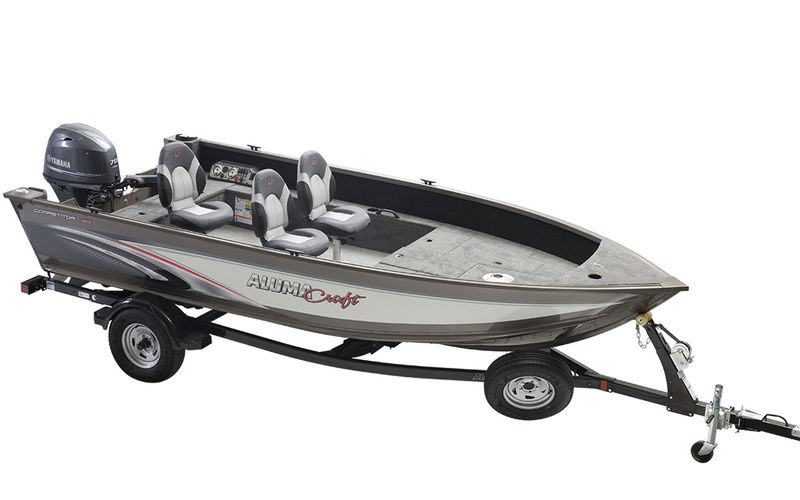


Images have been gathered from various sources and belong to their respective owners.
Review - Alumacraft Competitor 165 Tiller

MarineBroker
02/22/2024, 9:59 AM
2014 Alumacraft Competitor 165 Tiller: What Owners Should Know About Setup, Handling, and Smart Upgrades
If you’re looking into the 2014 Alumacraft Competitor 165 Tiller, chances are you already know it’s the kind of boat that can do a lot without making life complicated. It’s a practical aluminum fishing boat with a tiller layout that keeps things simple, nimble, and easy to manage on smaller lakes, rivers, and backwaters. But like many used boats in this size range, the real challenge isn’t just finding one—it’s figuring out how to get the best performance out of it once it’s in your driveway or on the trailer.
That’s where a lot of owners get stuck. Maybe the boat feels underpowered. Maybe it doesn’t handle quite the way you expected. Or maybe you’re trying to set it up for fishing and want it to be more comfortable, more stable, and more efficient without turning it into an expensive project.
The good news is that most of the common pain points with the 2014 Alumacraft Competitor 165 Tiller can be solved with a few smart setup choices, routine maintenance habits, and a better understanding of how the boat is meant to be used. Let’s walk through what matters most.
- Why the 2014 Alumacraft Competitor 165 Tiller Still Makes Sense
The 2014 Alumacraft Competitor 165 Tiller sits in a sweet spot for anglers who want a boat that is easy to tow, easy to launch, and easy to fish from. At around 16 feet, it’s compact enough for solo use but still big enough to handle a second angler and a fair amount of gear.
That balance is a big reason this model remains popular in the used market.
Here’s why people keep coming back to this style of boat:
- Aluminum construction keeps weight down and durability up
- Tiller steering gives you direct control and simple operation
- The size is manageable for smaller ramps and tighter water
- It’s often more affordable to own than larger fiberglass boats
- Maintenance is usually straightforward if the boat has been cared for
For many anglers, the real value is not just in the boat itself, but in how easy it is to customize for their local waters. Whether you fish shallow weed beds, sheltered bays, or winding river channels, a tiller boat like this can be a very practical tool.
- The Most Common Problem Owners Face: Getting the Boat Dialed In
The biggest issue with the 2014 Alumacraft Competitor 165 Tiller is usually not the hull design. It’s setup.
A used boat often comes with unknown history. Maybe the motor has been swapped, the prop isn’t matched well, the batteries are aging, or the weight distribution is off. Any one of those things can make the boat feel sluggish, noisy, unstable, or harder to control than it should be.
Common complaints include:
- Poor hole shot
- Excessive bow rise
- Steering that feels heavy or twitchy
- The boat porpoising at speed
- Not enough storage organization
- Rough ride in chop if weight is poorly balanced
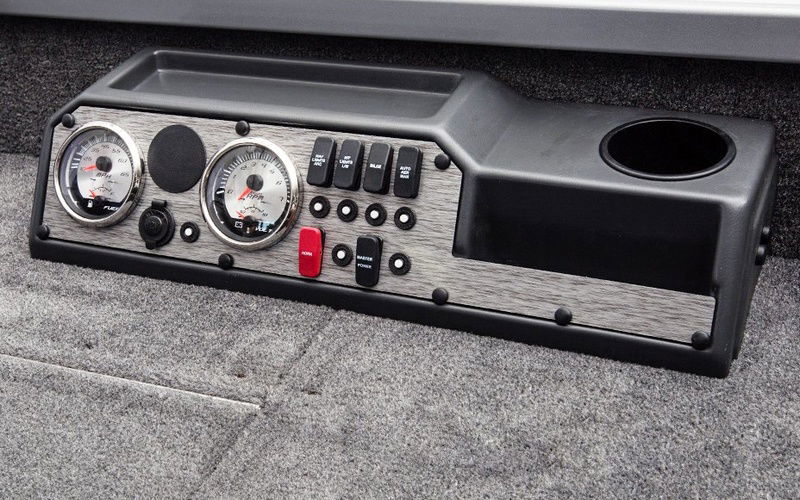
- Electrical issues from aging wiring or accessories
The good news is that these problems are often fixable. In most cases, the boat doesn’t need a major overhaul. It just needs a proper baseline setup.
- Start With the Basics: Inspection Before You Change Anything
Before you spend money on upgrades, take time to inspect the boat carefully. A lot of performance issues are really maintenance issues in disguise.
Check these areas first:
- Hull condition for dents, cracks, or corrosion
- Transom integrity, especially around motor mounting points
- Steering and throttle controls for smooth operation
- Fuel lines and primer bulb condition
- Battery age and cable corrosion
- Trailer bearings, lights, and tire condition
- Livewell plumbing and bilge function if equipped
If you’re buying a used 2014 Alumacraft Competitor 165 Tiller, this step matters even more. A clean hull with a weak battery and poor prop setup can feel worse than a boat with a few cosmetic flaws but solid mechanical systems.
A simple inspection helps you separate real problems from setup issues.
- Getting Better Performance From the 2014 Alumacraft Competitor 165 Tiller
If the boat feels off on the water, the solution often starts with engine setup. Tiller boats are especially sensitive to motor height, prop choice, and load balance.
Here’s what usually makes the biggest difference.
- Match the Prop to the Way You Fish
Prop selection can dramatically affect performance. If the prop is wrong, the boat may struggle to plane, waste fuel, or feel unstable at top end.
A good prop should help with:
- Strong acceleration
- Reasonable top speed
- Predictable handling
- Efficient cruising at your normal load
If you usually fish with one person and light gear, your prop needs may differ from someone running two anglers, a full livewell, and a trolling motor. In other words, the “best” prop is the one that fits your actual use case.
- Check Motor Height
Outboard mounting height is one of the most overlooked setup points on small tiller boats.
If the motor sits too low:
- Drag increases
- Speed drops
- Fuel efficiency suffers
If it sits too high:
- The prop may ventilate
- Steering can feel sloppy
- The motor may struggle in turns or rough water
A proper setup usually means the anti-ventilation plate is close to the ideal position relative to the hull bottom. If you’re unsure, a marine mechanic or experienced dealer can help you fine-tune it quickly.
- Balance the Load
This is a huge one for tiller boats.
Because the operator sits at the back, too much weight in the stern can make the boat squat, slow to plane, and less efficient. On the other hand, too little weight forward can make the bow bounce and reduce control.
Try to distribute weight like this:
- Heavier batteries and fuel should be placed thoughtfully
- Keep unnecessary gear out of the stern
- Move tackle and coolers forward when possible
- Adjust passenger position based on conditions
A well-balanced 2014 Alumacraft Competitor 165 Tiller can feel like a completely different boat compared with one loaded carelessly.
- Improve Handling Without Overcomplicating Things
One of the best things about a tiller boat is how simple it is. But simple doesn’t mean basic in a bad way. With a few smart adjustments, handling can improve a lot.
- Use the Right Trim
Trim affects how the boat rides, especially at cruising speed. Too much trim can cause the bow to rise excessively or make the boat feel loose. Too little trim can create drag and reduce efficiency.
A practical rule:
- Trim up gradually until the boat rides level and efficient
- Back off if the hull starts to bounce or feel unstable
- Make small adjustments rather than big ones
Many owners are surprised by how much better their boat behaves once trim is used intentionally instead of left in a default position.
- Add or Adjust a Stabilizer Plate if Needed
Some tiller boat owners use stabilizer plates or hydrofoils to help reduce bow rise and improve planing. These are not always necessary, but in certain setups they can make the boat more predictable with heavier loads.
They may help if:
- The boat struggles to get on plane
- There’s excessive bow rise
- You often run with extra gear or a second person
That said, these are best used after you’ve checked prop, motor height, and load balance. They’re a fine-tuning tool, not a first fix.
- Keep the Bottom Clean
It sounds simple, but a dirty hull can affect performance more than many people realize.
Algae, grime, and waterline buildup create drag. Even a modest layer of buildup can affect:
- Top speed
- Fuel economy
- Planing time
- Handling in turns
A clean hull is an easy win, especially for aluminum boats that spend a lot of time in storage or on shallow water.
- Make the Boat More Comfortable for Fishing
A lot of people shopping for a 2014 Alumacraft Competitor 165 Tiller want it to do more than just run well. They want it to be a better fishing platform.
That usually means improving comfort and organization.
- Add Practical Storage Solutions
Small boats get cluttered fast. If tackle, pliers, rods, and safety gear are all loose, the deck becomes frustrating to use.
Helpful upgrades include:
- Tackle trays and storage boxes
- Rod holders
- Under-seat organizers
- Dry bags for electronics and documents
- Small gear bins for frequently used items
The goal is to keep your deck clear and your gear easy to reach.
- Upgrade Seating if Needed
A tiller setup can be physically demanding if you fish long days. Better seating can make a huge difference.
Look for:
- Supportive pedestal seats
- Swivel options if compatible with your layout
- Seat bases that reduce fatigue
- Cushions for rough-water comfort
Comfort matters more than people think. If you’re less fatigued, you fish better and stay safer.
- Improve Footing and Deck Safety
Small boats can get slippery fast, especially with wet shoes, fish slime, or rain.
Consider:
- Non-slip mats
- Grip tape in high-traffic areas
- Secure storage for loose items
- Good lighting for early morning or evening outings
These are simple improvements, but they make the boat feel more refined and safer to move around in.
- Electrical and Electronics: Keep It Simple and Reliable
Many owners overcomplicate electronics on a boat this size. The best approach is usually to focus on reliability first.
Start with the essentials:
- A healthy starting battery
- Clean, corrosion-free connections
- Properly fused accessory circuits
- Reliable navigation lights
- A fish finder that suits your fishing style
If you add electronics to a 2014 Alumacraft Competitor 165 Tiller, make sure the wiring is neat and protected. Loose wiring and weak connectors are common causes of frustrating problems later.
A few habits help a lot:
- Use marine-grade wire and connectors
- Keep battery terminals clean
- Check fuse ratings before adding accessories
- Route wires away from sharp edges and wet areas
Reliable electrical work is one of the best investments you can make in a used boat.
- Maintenance Habits That Pay Off
The 2014 Alumacraft Competitor 165 Tiller can last a long time if it’s maintained consistently. The maintenance list doesn’t have to be complicated.
Focus on these basics:
- Flush the motor after use in appropriate conditions
- Inspect the prop for damage or fishing line
- Grease fittings as recommended
- Check fuel lines and clamps regularly
- Clean and dry the boat before storage
- Keep the trailer in good shape
- Store batteries properly during the off-season
If the boat is used in freshwater, corrosion risk is lower, but it still exists. A little prevention goes a long way.
- What to Look for If You’re Buying a Used One
If you’re shopping for a used 2014 Alumacraft Competitor 165 Tiller, don’t just look at the hull and engine hours. Pay attention to how the boat was cared for.
A good used boat often shows:
- Even wear and clean wiring
- Solid transom and deck feel
- Working gauges and accessories
- A trailer that rolls and brakes properly
- A motor that starts easily and idles smoothly
Red flags include:
- Soft spots or transom flex
- Heavy corrosion around fittings
- Patchy wiring or amateur electrical work
- Water intrusion in storage compartments
- Visible neglect on the trailer and motor
A boat that was maintained well will usually save you money and frustration, even if the asking price is a little higher.
- A Simple Setup Plan for Better Results
If you want a practical starting point, here’s a straightforward plan for dialing in a 2014 Alumacraft Competitor 165 Tiller:
1. Inspect the hull, transom, motor, and trailer.
2. Replace worn fuel lines, batteries, and corroded connectors.
3. Confirm prop match and motor mounting height.
4. Balance gear and passenger weight carefully.
5. Test trim and handling on the water.
6. Add only the accessories you’ll actually use.
7. Keep the hull and motor clean and maintained.
This approach works because it solves the most common problems first. You don’t need to transform the boat overnight. You just need to make it reliable, predictable, and comfortable.
- Why This Boat Works Best When Kept Practical
The 2014 Alumacraft Competitor 165 Tiller is at its best when it stays true to what it is: a straightforward, versatile fishing boat. It’s not trying to be a luxury rig or a giant multi-species platform. Its strength is in being manageable, adaptable, and easy to use.
That’s also why the best solution for most owners is not complicated. Instead of chasing every possible upgrade, focus on the few changes that improve real-world performance:
- Proper setup
- Balanced loading
- Reliable maintenance
- Smart storage
- Comfortable fishing layout
When those pieces are in place, the boat becomes a lot more enjoyable and a lot less frustrating.
- Conclusion
The 2014 Alumacraft Competitor 165 Tiller is a solid choice for anglers who want a simple, dependable, and easy-to-handle fishing boat. Most of the common frustrations owners run into—slow planing, awkward handling, cramped storage, or unreliable performance—usually come down to setup and maintenance rather than the boat itself.
By checking the basics, balancing weight properly, matching the prop and motor setup, and keeping the boat organized and maintained, you can get much better performance without overcomplicating things. If you’re working with a used one, a careful inspection and a few smart upgrades can make a big difference. In the end, this boat performs best when it’s treated like the practical fishing tool it is. If you want to keep improving it, start with the fundamentals and build from there.
Specifications
General
Boat Type: Power Boats
Class Type: Freshwater Fishing
Specifications
Length: 16.73
Beam: 7.22
Draft: 0.98
Hull Material: Aluminium
Build
First Built: 2014
Propulsion
Fuel Type: Unleaded
Engines: 1
Power: 60 HP
Brand: Mercury
Accomodation
PROS & CONS
What we appreciated
 Lightweight and easy to tow due to its aluminum constructionDurable and corrosion-resistant material suitable for freshwater useTiller steering offers precise control and responsivenessSpacious deck layout for fishing and gear storageEfficient hull design provides good stability and performance
What we didn’t appreciate
 Limited protection from elements due to open designSmaller size may limit passenger capacity and comfortTiller steering can be tiring on longer trips compared to wheel steeringBasic features with minimal luxury or advanced electronicsNot ideal for rough water conditions or offshore use
Upkeep Costs
Fuel: Approximately $500 - $1,000 per year depending on usage
Maintenance: Around $300 - $600 annually for engine and hull upkeep
Insurance: Typically $200 - $400 per year
Storage: $300 - $1,000 annually depending on location and type
Registration and Licensing: $50 - $150 per year

Rating
5.4
User
Score
Score
Driveability
Technology
Interior
Design
Similar Boats


MarineBroker
Download now for an immersive boat experience like never before! ⛵✨ Your journey begins with a simple click. 🌊📲
#SetSailSmart #DownloadNow
#SetSailSmart #DownloadNow

Subscribe
Copyright 2017 - 2026, Marinebroker.net, All Rights Reserved