Boat Database » Alumacraft Competitor 165 Sport
Alumacraft Competitor 165 Sport
Outboard four-stroke, Unleaded, 1x 70 HP
Power Boats 2015 Alumacraft Competitor 165 Sport: How to Choose, Set Up, and Get the Most from This Versatile Fishing Boat
If you’ve been looking at the 2015 Alumacraft Competitor 165 Sport, chances are you’re trying to figure out one big th...
Discover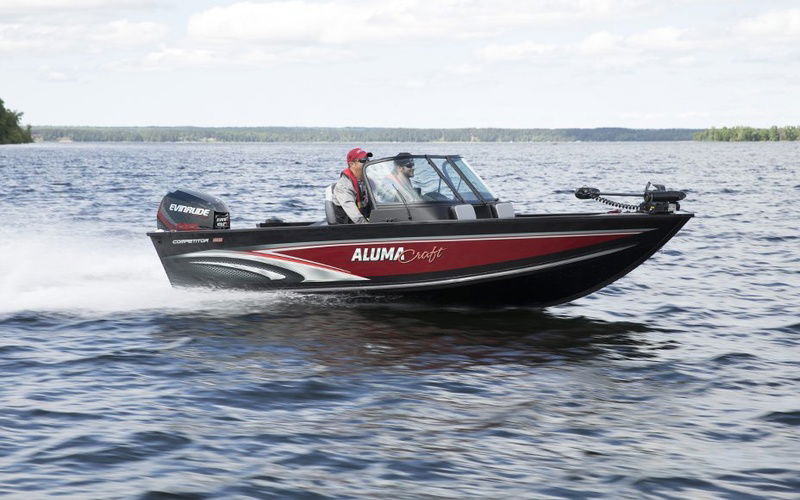
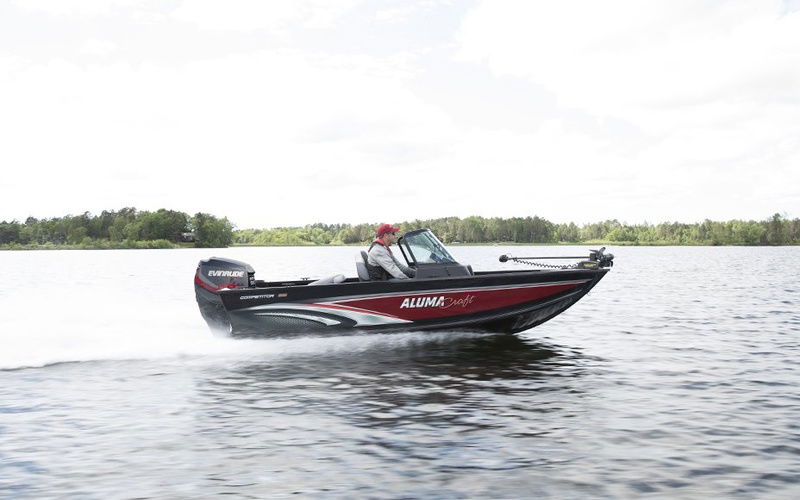
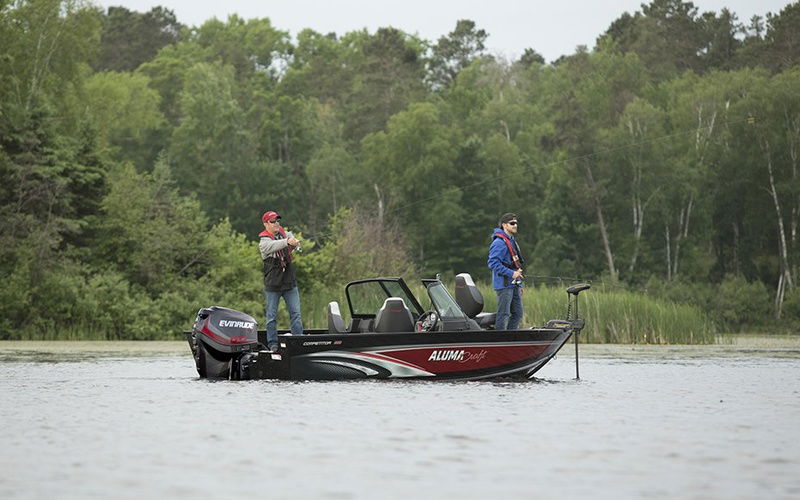
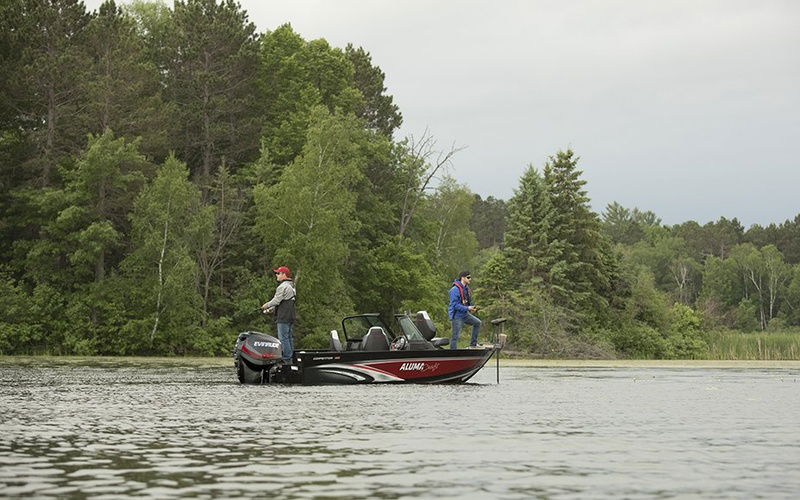
Images have been gathered from various sources and belong to their respective owners.
Latest Market Trends (Latest Available Year Model)
Price: $38,600
Review - Alumacraft Competitor 165 Sport

MarineBroker
02/22/2024, 10:10 AM
2015 Alumacraft Competitor 165 Sport: How to Choose, Set Up, and Get the Most from This Versatile Fishing Boat
If you’ve been looking at the 2015 Alumacraft Competitor 165 Sport, chances are you’re trying to figure out one big thing: is it the right boat for your kind of fishing and family time on the water? That’s a fair question. Buying a used aluminum boat isn’t just about liking the layout or the price tag. It’s about whether the boat fits your lakes, your gear, your towing setup, and the way you actually use it.
The challenge with a model like the 2015 Alumacraft Competitor 165 Sport is that it sits in a sweet spot for a lot of boaters. It’s big enough to handle serious fishing trips, but compact enough to remain manageable for trailering, storage, and fuel use. That flexibility is a huge plus, but it also means buyers often struggle to know what to look for and how to evaluate one properly.
The good news? With the right checklist and a few practical setup tips, you can avoid common mistakes and get a boat that feels dialed in from day one. Let’s break it down in a way that’s easy to use, whether you’re shopping for one or already own it.
- Why the 2015 Alumacraft Competitor 165 Sport Appeals to So Many Boaters
The 2015 Alumacraft Competitor 165 Sport is popular because it blends fishing-focused features with everyday usability. For many owners, that balance matters more than having the biggest boat on the lake.
This model typically attracts anglers who want:
- A stable aluminum fishing platform
- Easy towing with a midsize truck or SUV
- Lower maintenance than fiberglass boats
- Enough versatility for fishing, cruising, and family outings
- A boat that can handle inland lakes, rivers, and moderate conditions
That versatility is really the key. Some boats are built purely for fishing. Others are more family-oriented and sacrifice casting space or storage. The Competitor 165 Sport sits somewhere in between, which makes it attractive to people who want one boat to do a lot of jobs.
For first-time buyers, though, that same versatility can create confusion. A boat like this can look great on paper, but the real question is whether it matches your actual needs. If you usually fish solo or with one partner, you may not need to overthink size. If you often bring kids, gear, or multiple anglers, then layout and load capacity matter much more.
- The Main Problem Buyers Run Into With the 2015 Alumacraft Competitor 165 Sport
The biggest issue isn’t usually the boat itself. It’s buying one without checking whether it has been maintained, equipped, and used in a way that fits your goals.
With used boats, common problems include:
- Worn carpet, seats, or flooring
- Corrosion on wiring, trailer parts, or fittings
- Old trolling motors or batteries
- Weak livewell or bilge performance
- Poorly installed accessories
- Engine hours and service history that don’t match the asking price
Another common mistake is focusing too much on cosmetics. A clean-looking boat can still hide electrical issues, soft spots, or trailer problems. On the other hand, a boat with some normal wear may be a great buy if the hull, motor, and systems are solid.
The solution is to evaluate the 2015 Alumacraft Competitor 165 Sport like a working tool, not just a listing. Think about how it performs, what it needs to be reliable, and whether the current setup supports your style of boating.
- What to Check Before Buying a 2015 Alumacraft Competitor 165 Sport
If you’re shopping for one, a careful inspection can save you a lot of frustration later. Here’s where to focus.
- Hull and transom
Start with the aluminum hull. Look for dents, deep scratches, patchwork repairs, or signs of impact. Small cosmetic marks are normal on a used aluminum boat, but structural damage is a different story.
Check the transom closely. It should feel solid, with no flex or soft spots. If the boat has an outboard mounted, look for cracking around the mounting area or signs of water intrusion.
- Trailer condition
A lot of buyers forget that the trailer is part of the package. Inspect:
- Tires for dry rot or uneven wear
- Bearings and hubs
- Lights and wiring
- Winch strap and bow stop
- Frame rust or corrosion
- Bunks or rollers
A bad trailer can turn a good boat into a headache fast. If the trailer needs work, factor that into your total cost.
- Electrical system
Electrical problems are common on used fishing boats. Test every switch, light, pump, and accessory. Pay special attention to:
- Navigation lights
- Bilge pump
- Livewell pump
- Trolling motor wiring
- Battery charger, if included
- Console gauges and displays
Corroded connectors or amateur wiring jobs are common trouble spots. If something looks messy, assume you’ll need time and money to clean it up.
- Engine and maintenance records
If the boat includes an outboard, ask for service history. Even a reliable engine needs regular maintenance. Look for:
- Oil changes
- Lower unit service
- Impeller replacement
- Fuel system care
- Winterization records
If possible, do a water test. A boat can sound fine on a trailer and still have issues under load. Watch how it idles, accelerates, and shifts. Make sure it reaches proper operating temperature and runs smoothly.
- Livewell, storage, and deck layout
The 2015 Alumacraft Competitor 165 Sport is valued partly for its fishing layout, so make sure the deck, storage, and livewell systems work for you.
Ask yourself:
- Are the rod lockers long enough for your rods?
- Is storage easy to access while fishing?
- Does the livewell hold water properly?
- Is the deck space enough for two anglers to fish comfortably?
- Are the compartments dry and secure?
A boat can be mechanically sound but still feel awkward if the layout doesn’t match how you fish.
- How to Set Up a 2015 Alumacraft Competitor 165 Sport for Better Performance
Once you own the boat, a smart setup can make a huge difference in comfort and efficiency. A lot of owners improve their experience simply by dialing in a few basics.
- Balance weight properly
Weight distribution matters more than many people think. Keep batteries, tackle, and heavy gear placed to avoid listing or poor hole shot performance.
General tips:
- Store heavy items low and centered
- Keep excess gear out of the bow if the boat rides nose-heavy
- Don’t overload one side with coolers, tackle boxes, or spare gear
- Recheck balance when adding new accessories
A well-balanced aluminum boat will feel more stable and easier to control, especially at slower speeds or in choppy water.
- Upgrade the trolling motor setup if needed
For many anglers, the trolling motor is one of the most important parts of the boat. If the existing motor is underpowered or worn out, replacing it can dramatically improve your experience.
When choosing a trolling motor, consider:
- Thrust level
- Shaft length
- Foot pedal vs. hand control
- Freshwater or saltwater use
- Battery capacity
If you fish windy lakes or spend a lot of time on spot-lock style positioning, a stronger motor with modern features may be worth it. If you mostly fish calm water, a simpler setup may be enough.
- Make battery management easier
Battery issues are one of the most common reasons boaters get frustrated. A solid battery system helps keep the day smooth.
Useful upgrades include:
- Quality onboard charger
- Dedicated cranking battery
- Deep-cycle trolling motor batteries
- Battery cutoff switch
- Clean, labeled wiring
If your boat has older batteries, replace them before they become a problem on the water. It’s not glamorous, but it’s one of the best reliability upgrades you can make.
- Organize tackle for faster fishing
A cluttered boat wastes time. The more organized your tackle, the easier it is to fish efficiently.
Try this:
- Keep one box for terminal tackle
- Separate lures by species or technique
- Use labeled storage bags for soft plastics
- Avoid overpacking compartments
- Store backup gear in one dry area
The goal is to spend more time fishing and less time digging around for the right lure.
- Improve comfort for longer days
If you plan to use the 2015 Alumacraft Competitor 165 Sport for all-day trips, small comfort upgrades can make a big difference.
Consider:
- Better pedestal seats
- Additional cup holders or storage trays
- A small cushion or standing mat
- Wind protection for cooler months
- Sun protection like a bimini top, if appropriate
These may seem minor, but they help reduce fatigue and make the boat more enjoyable for family outings too.
- Best Use Cases for the 2015 Alumacraft Competitor 165 Sport
This boat works best when used for the kind of boating it was built to handle: practical, flexible fishing on inland waters and moderate conditions.
It’s a strong fit for:
- Walleye, bass, crappie, and panfish anglers
- Couples or small families
- Weekend fishing trips
- Trailered boating on lakes and reservoirs
- Anglers who want a manageable boat size
It may be less ideal if you need:
- A large offshore platform
- Maximum passenger capacity
- A highly specialized tournament-only layout
- Luxury-level ride comfort in rough water
That doesn’t mean it can’t do a lot. It just means expectations should match the boat’s size and design. When used in the right environment, it can be a very practical and enjoyable rig.
- Common Upgrades That Add Real Value
If you already own the boat, a few upgrades can improve reliability and resale value without going overboard.
Good value-focused upgrades include:
- New marine batteries
- Modern trolling motor
- Updated fish finder or sonar unit
- LED trailer and interior lighting
- New seat pedestals or cushions
- Fresh trailer tires and bearings
- Corrosion-resistant hardware
- Added rod holders or gear organizers
The best upgrades are the ones that make the boat easier to use every time you launch. Fancy extras are nice, but dependable basics usually matter more.
- Maintenance Tips to Keep It Running Smoothly
A used aluminum boat can last a long time if you stay on top of simple maintenance. The 2015 Alumacraft Competitor 165 Sport is no different.
Here’s a practical routine to follow:
- Rinse the boat and trailer after each use
- Check plugs, pumps, and wiring regularly
- Grease trailer bearings on schedule
- Inspect the prop for damage
- Keep batteries charged and stored properly
- Tighten loose hardware
- Cover the boat when not in use
- Drain water from compartments after trips
If you fish often, make a habit of doing a quick pre-launch and post-trip check. That small routine catches problems early before they turn into expensive repairs.
- How to Know If This Boat Is the Right Fit for You
The easiest way to decide is to compare your needs to what the boat actually offers.
Ask yourself:
- Do I want a boat that’s easy to tow and store?
- Do I fish more than I cruise?
- Am I usually on inland water rather than big open water?
- Do I want a practical setup instead of a luxury boat?
- Can I handle basic maintenance and occasional upgrades?
If most of your answers are yes, the 2015 Alumacraft Competitor 165 Sport may be a very smart fit. It’s especially appealing to buyers who value function, durability, and versatility over flash.
If you need more room, more speed, or a higher-end electronics package right away, you may want to keep shopping or budget for upgrades.
- A Simple Buying Checklist for Peace of Mind
Before you commit, use this quick checklist:
1. Inspect the hull and transom
2. Test all electrical systems
3. Verify engine service history
4. Check trailer tires, lights, and bearings
5. Confirm livewell and bilge operation
6. Look for corrosion or water damage
7. Test-drive the boat if possible
8. Compare asking price with condition and included accessories
This approach helps you see the whole picture instead of getting distracted by a clean paint job or shiny accessories.
- Conclusion
The 2015 Alumacraft Competitor 165 Sport stands out because it offers a practical mix of fishing performance, manageable size, and everyday versatility. But like any used boat, the real value comes from choosing one carefully and setting it up the right way. Focus on hull condition, trailer health, electrical systems, and engine history before buying. Then, once it’s yours, improve balance, battery management, storage, and comfort to make it work better for your style of boating.
If you’re looking for a boat that can handle serious fishing without becoming a hassle to tow or maintain, this model deserves a close look. Take your time, inspect smart, and use the boat for what it does best.
Specifications
General
Boat Type: Power Boats
Class Type: Freshwater Fishing
Specifications
Length: 16.73
Beam: 7.22
Draft: 0.98
Hull Material: Aluminium
Build
First Built: 2015
Propulsion
Fuel Type: Unleaded
Engines: 1
Power: 70 HP
Brand: Mercury
Accomodation
PROS & CONS
What we appreciated
 Durable aluminum hull providing good longevity and resistance to corrosionLightweight design allowing for easy towing and launchingSpacious cockpit suitable for fishing and recreational activitiesGood stability and handling in various water conditionsAffordable price point compared to similar models in its class
What we didn’t appreciate
 Limited storage space for gear and equipmentBasic interior features with minimal comfort amenitiesNot ideal for rough waters due to smaller sizeOutboard motor options may have limited power rangeOlder model, so may lack some modern technological advancements
Upkeep Costs
Fuel: Approximately $500-$800 annually depending on usage
Maintenance and Repairs: Around $300-$600 per year
Storage: $200-$600 annually depending on location and type
Insurance: $150-$400 per year
Registration and Taxes: $50-$150 annually

Rating
6.3
User
Score
Score
Driveability
Technology
Interior
Design
Similar Boats


MarineBroker
Download now for an immersive boat experience like never before! ⛵✨ Your journey begins with a simple click. 🌊📲
#SetSailSmart #DownloadNow
#SetSailSmart #DownloadNow

Subscribe
Copyright 2017 - 2026, Marinebroker.net, All Rights Reserved