Boat Database » Alumacraft Classic 165 CS
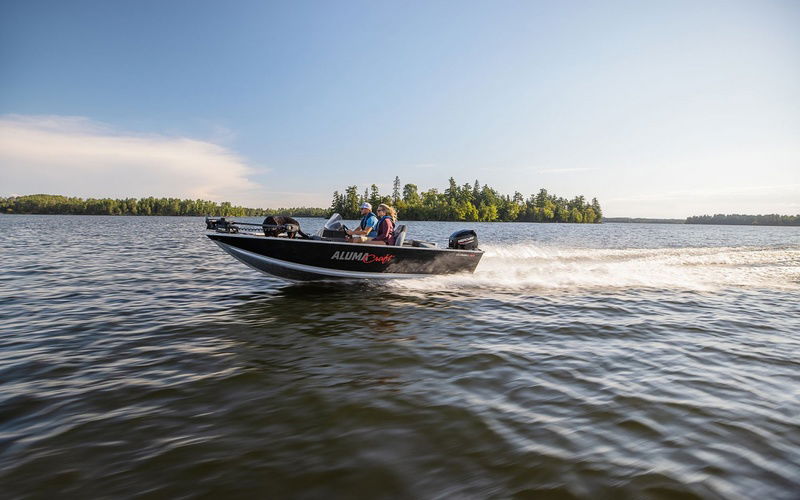
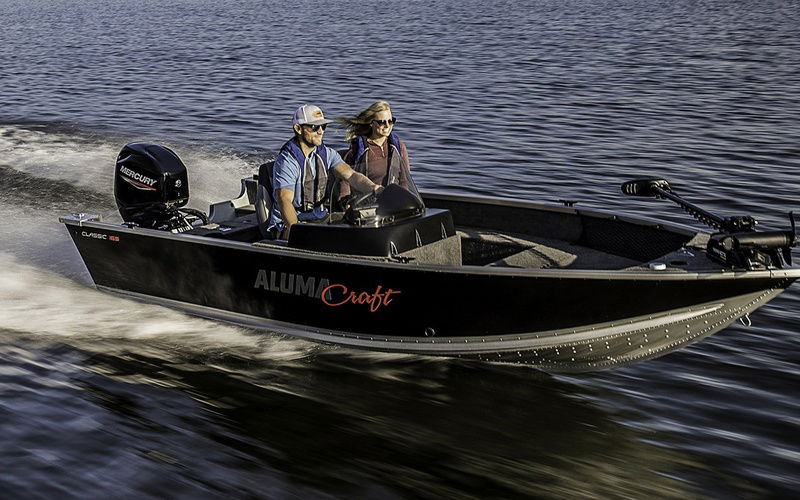
Alumacraft Classic 165 CS
Outboard four-stroke, Unleaded, 1x 50 HP
Power Boats 2013 Alumacraft Classic 165 CS: What to Know Before You Buy, Inspect, or Restore
If you’ve been looking at the 2013 Alumacraft Classic 165 CS, you’re probably already drawn to the same things a lot of boaters are: a practical lay...
Discover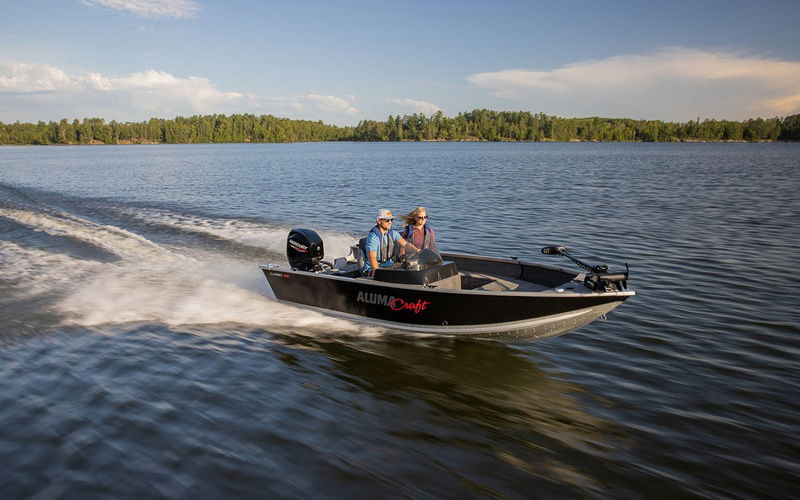

Images have been gathered from various sources and belong to their respective owners.
Review - Alumacraft Classic 165 CS

MarineBroker
02/26/2024, 8:39 AM
2013 Alumacraft Classic 165 CS: What to Know Before You Buy, Inspect, or Restore
If you’ve been looking at the 2013 Alumacraft Classic 165 CS, you’re probably already drawn to the same things a lot of boaters are: a practical layout, manageable size, and a hull that fits the sweet spot for fishing, cruising, and general weekend use. But once you get past the listing photos, the real question usually becomes: is this boat actually the right one for your needs, and what should you watch out for before you commit?
That’s where many buyers run into trouble. A used aluminum boat can look simple on the surface, but small issues like worn wiring, neglected transoms, trailer problems, or outdated accessories can turn a “good deal” into a frustrating project. On the other hand, when you know what to inspect and how to evaluate the boat properly, a model like the 2013 Alumacraft Classic 165 CS can be a solid, straightforward choice.
This guide breaks down what makes this boat appealing, the common problems people face when shopping for one, and the practical steps you can take to make a smart decision.
- What Makes the 2013 Alumacraft Classic 165 CS Popular
The 2013 Alumacraft Classic 165 CS sits in that very usable mid-size category that many anglers and casual boaters appreciate. It’s large enough to feel stable, yet small enough to tow, launch, and store without a lot of hassle.
For many buyers, that balance is the main attraction. You’re not dealing with the complexity of a bigger fiberglass rig, and you’re also not giving up the versatility needed for fishing trips, family outings, or light utility use.
A few reasons this boat tends to stay on people’s radar:
- Aluminum construction is generally easier to maintain than fiberglass
- The size is manageable for single-person trailering
- It’s typically well-suited for inland lakes, rivers, and protected waters
- The layout often appeals to anglers who want simple, functional space
- Used models can be attractive to buyers looking for value over flash
The “CS” in the model name is often associated with a more comfort-oriented or side-console-style layout depending on the exact configuration, which can make the boat feel more practical for everyday use. That said, buyers should always verify the actual setup on the specific boat they’re looking at, because used listings can vary.
- The Real Problem Buyers Face With Used Boats Like This
The biggest issue with shopping for a 2013 Alumacraft Classic 165 CS is not usually the brand or model itself. It’s the condition of the individual boat.
A used aluminum boat may appear clean in photos, but hidden wear can show up in places that are easy to miss:
- Corrosion around rivets, seams, or fittings
- Soft transom areas from water intrusion
- Trailer wear that makes towing unsafe
- Old electronics that no longer work well
- Damaged flooring, seats, or storage compartments
- Engine maintenance gaps if the boat is sold with a motor
For many buyers, the problem is uncertainty. They know the boat looks promising, but they don’t know whether it has been cared for properly. That uncertainty can lead to overpaying, buying a project boat by accident, or missing a better option.
The solution is not to avoid the boat. It’s to inspect it carefully, understand the model’s strengths, and focus on the details that matter most.
- 2013 Alumacraft Classic 165 CS: What to Inspect First
If you’re serious about buying this boat, start with the basics. A careful inspection can tell you a lot before you ever think about negotiating price.
- Hull and exterior
Walk around the boat slowly and look for dents, deep scratches, patchwork repairs, or signs of impact. Aluminum boats are tough, but they’re not immune to damage.
Pay close attention to:
- Keel condition
- Rivet lines
- Welds
- Signs of corrosion
- Uneven repairs or sealant
- Waterline marks that suggest storage issues
Small cosmetic marks are normal on a used boat. Structural damage is the real concern.
- Transom condition
The transom is one of the most important parts of any boat. If it’s weak, the boat can become unsafe or expensive to repair.
Check for:
- Flexing when pressure is applied
- Cracks around mounting points
- Soft spots
- Signs of delamination or rot if wood is involved in the structure
- Water staining near the engine mounting area
If the boat has a motor mounted, inspect the bracket area carefully. A transom that has been stressed over time may not be obvious at first glance.
- Flooring and deck
Walk every inch of the floor if possible. Spongy spots, loose panels, or soft decking can point to moisture problems or hidden rot.
Look under storage lids and around carpeted sections if present. In aluminum boats, floor issues are often tied to long-term moisture exposure or neglected repairs.
- Wiring and electrical systems
Older boats often have electrical issues that are annoying more than dramatic, but they still matter.
Test:
- Navigation lights
- Bilge pump
- Livewell pump
- Switch panels
- Fish finder or electronics
- Battery connections
Corroded terminals and messy wiring are common signs that the boat has been modified over time. That doesn’t always mean it’s a bad buy, but it does mean you should budget for cleanup.
- Trailer condition
A boat is only as convenient as the trailer underneath it. Don’t overlook this part.
Check:
- Tire age and tread
- Bearing condition
- Winch operation
- Lights
- Bunks or rollers
- Frame rust
- Tongue jack function
A neglected trailer can create more frustration than the boat itself. If the trailer needs work, factor that into your offer.
- Why This Boat Appeals to Practical Boaters
The 2013 Alumacraft Classic 165 CS tends to attract buyers who care more about function than luxury. That’s a good thing, because practical boats often age well when maintained properly.
This kind of boat is appealing if you want:
- A straightforward layout
- Easy towing with a suitable vehicle
- Simple maintenance
- Aluminum durability
- A boat that can handle regular use without too much fuss
For anglers, the appeal is even clearer. A boat like this gives you enough room to fish comfortably without stepping into a larger, more expensive category. For casual users, it offers a stable and approachable platform for lakes and calm rivers.
The key is to match the boat to your actual use. If you mostly fish smaller waters, cruise locally, or want a dependable utility-style setup, this model can make a lot of sense.
- Common Issues to Watch for in a 2013 Alumacraft Classic 165 CS
Even a well-built used boat can come with age-related problems. Knowing what to expect helps you avoid surprises.
- Wear from age, not abuse
A 2013 boat is not old by marine standards, but it’s old enough to show normal wear. Seats may be cracked, carpet may be faded, and hardware may be loose.
These issues are often manageable, but they add up. If several small repairs are needed, the total cost can become significant.
- Outdated accessories
Many used boats still have older electronics, trolling motors, or gauges. Sometimes they work fine, but sometimes they’re near the end of their useful life.
If you plan to fish seriously, you may want to upgrade:
- Fish finder
- Trolling motor
- Battery system
- Lighting
- Seat bases or mounts
That’s not a deal-breaker, but it should be part of your budget.
- Storage-related problems
Boats that sit unused for long periods can develop issues even if they don’t see heavy use. Moisture, stale fuel, corroded connectors, and seized parts are all common in boats that have been stored poorly.
A boat that was used regularly and maintained properly is often a better buy than one that sat untouched for years.
- Engine uncertainty
If the boat is sold with a motor, engine condition matters just as much as hull condition.
Ask about:
- Service history
- Hours of use
- Impeller replacement
- Fuel system maintenance
- Compression test results
- Starting performance when cold
If the seller can’t answer basic maintenance questions, proceed carefully.
- How to Decide Whether the 2013 Alumacraft Classic 165 CS Is Right for You
Not every good boat is the right boat. The smartest buyers look at their own needs first.
Ask yourself:
- Do I need a boat mainly for fishing?
- Will I launch it often or only a few times a season?
- Do I want something easy to tow and store?
- Am I comfortable doing minor maintenance myself?
- Do I need a boat for rough water, or mostly calm lakes and rivers?
If your answers lean toward simple, practical, and low-stress boating, this model may fit well.
If you want luxury features, a large casting deck, or a high-end ride in rough water, you may need to look elsewhere. The 2013 Alumacraft Classic 165 CS is more about utility and reliability than premium extras.
- Smart Buying Tips That Save Money
The best way to buy a used boat is to treat it like a system, not just a hull.
Here are a few practical tips:
1. Inspect in daylight
Never rely only on photos or evening walkthroughs. Natural light makes problems easier to spot.
2. Test everything
Turn on every switch, check every light, and ask to see the boat running if a motor is included.
3. Bring a checklist
A simple checklist helps you stay focused and prevents you from forgetting important details.
4. Compare similar listings
Look at several boats in the same size and age range so you understand what’s normal in the market.
5. Budget for immediate fixes
Even a decent used boat usually needs something. Tires, batteries, hoses, or safety gear may be due for replacement.
6. Don’t ignore the trailer
A cheap boat with a bad trailer can become an expensive headache fast.
7. Ask for maintenance records
Receipts, service notes, and storage history can tell you more than a polished listing ever will.
- If You Already Own One: Practical Maintenance Advice
If you already have a 2013 Alumacraft Classic 165 CS, the good news is that routine care goes a long way.
A simple maintenance routine can help keep the boat reliable:
- Rinse the boat after use, especially if it sees dirty water
- Check rivets, sealant, and fittings regularly
- Keep batteries charged and terminals clean
- Inspect the trailer before every trip
- Drain water from the bilge and compartments
- Cover the boat properly during storage
- Service the motor on schedule if equipped
A lot of boat problems start small. Catching them early is usually cheaper and easier than waiting.
- Upgrades That Make Sense Without Overdoing It
One of the nice things about a boat like this is that you don’t have to go overboard with upgrades. A few practical improvements can make a big difference.
Good value upgrades include:
- Fresh batteries
- LED navigation and trailer lights
- Better seating
- Reliable fish finder
- Trolling motor with enough thrust for your waters
- Storage organization accessories
- Non-slip deck mats or improved flooring
The goal is to improve usability, not turn the boat into a completely different machine. For many owners, small upgrades make the biggest difference in day-to-day enjoyment.
- The Bottom Line on Value and Ownership
The 2013 Alumacraft Classic 165 CS is the kind of boat that can make a lot of sense for the right buyer. It’s practical, familiar, and generally easy to live with, which is exactly why people keep searching for it years after it was built.
But like any used boat, value depends on condition. A clean hull, solid transom, healthy trailer, and working systems matter far more than a shiny listing description. If you inspect carefully and budget realistically, you can avoid most of the common frustrations buyers run into.
For many people, the best solution is simple: focus on condition first, features second, and price third. That approach gives you the best chance of ending up with a boat that’s genuinely useful instead of just looking good on paper.
- Conclusion
The 2013 Alumacraft Classic 165 CS stands out because it offers a practical, no-nonsense boating experience that works well for anglers and casual owners alike. The main challenge is not finding the boat, but judging its real condition and making sure it fits your needs. By checking the hull, transom, trailer, wiring, and any included motor carefully, you can avoid costly mistakes and buy with confidence.
If you’re comparing listings, take your time and use a checklist. A little patience now can save you a lot of money and hassle later. For more help, it’s worth exploring boat inspection guides, maintenance tips, and model-specific owner discussions before making your final decision.
Specifications
General
Boat Type: Power Boats
Class Type: Freshwater Fishing
Specifications
Length: 16.4
Beam: 6.89
Draft: 0.98
Hull Material: Aluminium
Build
First Built: 2013
Propulsion
Fuel Type: Unleaded
Engines: 1
Power: 50 HP
Brand: Mercury
Accomodation
PROS & CONS
What we appreciated
 Durable aluminum hull construction ensures longevity and corrosion resistanceStable and versatile design suitable for fishing and recreational useSpacious cockpit with comfortable seating for multiple passengersGood fuel efficiency with moderate engine power optionsEasy to tow and launch due to lightweight design
What we didn’t appreciate
 Limited onboard storage space compared to larger modelsBasic features may require aftermarket upgrades for advanced fishing electronicsNo cabin or enclosed area, limiting use in poor weather conditionsLower freeboard can result in more water spray in rough conditionsOutboard motor not always included, adding to overall cost
Upkeep Costs
Fuel: Approximately $500 - $800 per year depending on usage and fuel prices
Maintenance: Around $300 - $600 per year for engine servicing, hull upkeep, and minor repairs
Insurance: Typically $200 - $400 annually depending on coverage and location
Storage: $300 - $1,200 per year depending on marina or storage type
Registration and Taxes: $50 - $150 per year depending on state regulations

Rating
5.1
User
Score
Score
Driveability
Technology
Interior
Design
Similar Boats


MarineBroker
Download now for an immersive boat experience like never before! ⛵✨ Your journey begins with a simple click. 🌊📲
#SetSailSmart #DownloadNow
#SetSailSmart #DownloadNow

Subscribe
Copyright 2017 - 2026, Marinebroker.net, All Rights Reserved