2013 Alubat Ovni 445: What to Check Before Buying and How to Avoid Costly Surprises
If you’re looking at a 2013 Alubat Ovni 445, you’re probably already drawn to the same things most sailors are: serious offshore capability, a to...
Discover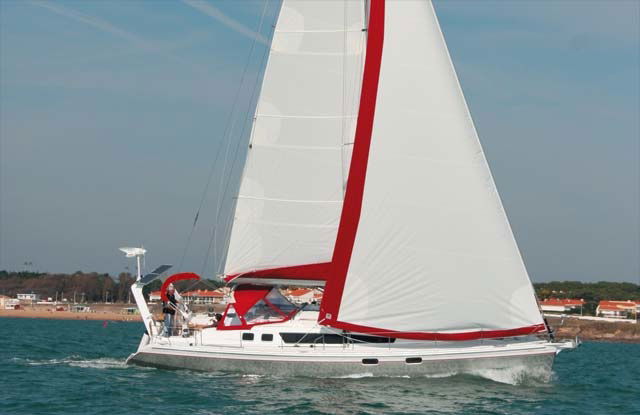


Images have been gathered from various sources and belong to their respective owners.
Review - Alubat Ovni 445

MarineBroker
02/21/2024, 4:43 AM
2013 Alubat Ovni 445: What to Check Before Buying and How to Avoid Costly Surprises
If you’re looking at a 2013 Alubat Ovni 445, you’re probably already drawn to the same things most sailors are: serious offshore capability, a tough aluminum hull, and the kind of reputation that makes long-distance cruising feel a little more realistic. The Ovni 445 has a loyal following for good reason. It’s a centerboard cruiser built for shallow-water access, bluewater passages, and self-sufficient sailing.
But here’s the catch: buying a used offshore yacht like this isn’t just about admiring the spec sheet. The real challenge is figuring out whether a specific boat has been well maintained, properly upgraded, and honestly represented. On a boat of this type, hidden issues can turn into expensive headaches fast—especially if you’re planning to cruise far from easy repair yards.
That’s why the smartest approach is not just to ask, “Is the 2013 Alubat Ovni 445 a good boat?” but rather, “How do I evaluate one properly before committing?” In this article, we’ll walk through the key things to inspect, the common problem areas to watch for, and the practical steps that help you buy with confidence.
- Why the 2013 Alubat Ovni 445 still attracts serious cruisers
The Ovni line has long been known for one big idea: combine offshore strength with shoal-draft flexibility. That makes the 445 especially appealing to sailors who want to explore anchorages, river mouths, and remote coastlines without giving up bluewater capability.
For many buyers, the attraction is a mix of:
- Strong aluminum construction
- Centerboard performance
- Shallow draft when the board is raised
- Good passagemaking reputation
- A layout designed for extended cruising
The 2013 model year sits in an interesting sweet spot. It’s modern enough to benefit from relatively recent systems and design refinements, but old enough that the market may offer better value than a brand-new build.
Still, a boat like this is only as good as its history. The same features that make it attractive also mean you need to pay close attention to maintenance. Aluminum hulls, keel mechanisms, rigging, and cruising systems all need a careful look.
- The main problem buyers face with a used 2013 Alubat Ovni 445
The biggest issue isn’t usually one dramatic failure. It’s uncertainty.
With a used offshore cruiser, buyers often struggle to answer questions like:
- Has the boat been sailed hard or cared for properly?
- Were upgrades done professionally or as budget fixes?
- Is the centerboard mechanism in good shape?
- Are there corrosion issues hidden under paint or fittings?
- Do the systems reflect real offshore use, or just cosmetic improvement?
That uncertainty can lead to overpaying, underestimating refit costs, or missing a serious defect until after purchase.
The practical solution is a structured inspection process. Instead of relying on appearance alone, evaluate the boat section by section. That means hull, deck, rigging, keel system, machinery, electrical, plumbing, and cruising equipment. A good surveyor helps, but you’ll get better results if you know what matters before you even step aboard.
- Why aluminum construction needs a different buying mindset
One of the most important things to understand about the 2013 Alubat Ovni 445 is that aluminum changes the inspection priorities.
Unlike fiberglass boats, aluminum yachts don’t usually suffer from osmosis. That’s a plus. But they do demand careful attention to corrosion, dissimilar metal contact, and poorly executed modifications.
Look closely at:
- Stainless-to-aluminum fittings
- Bonding and grounding systems
- Paint condition and any bubbling or lifting
- Signs of pitting around fasteners or hardware
- Evidence of unsealed penetrations or amateur repairs
Aluminum boats are tough, but they are not maintenance-free. A small corrosion problem can become a major structural or cosmetic issue if ignored. The good news is that when aluminum is properly protected and maintained, it can last a very long time.
- The centerboard system: a key feature that deserves extra attention
The Ovni 445’s centerboard is one of its defining advantages. It gives you shallow-water access without completely sacrificing sailing performance. But it also adds complexity.
When inspecting the board system, check for:
- Smooth operation when raising and lowering
- Excessive play or banging
- Corrosion on pivots, cables, or hydraulic components
- Signs of impact damage
- Leaks or wear around the trunk and associated hardware
A centerboard boat that has been used in varied cruising grounds may have seen grounding incidents. That doesn’t automatically make it a bad purchase, but it does mean the board, case, and lifting mechanism should be carefully examined.
If the boat has a hydraulic lift system, test it thoroughly. If it uses cables or mechanical controls, look for wear, fraying, or uneven movement. Problems here can be costly and inconvenient, especially if you rely on the boat for access to shallow anchorages.
- Common areas to inspect on a 2013 Alubat Ovni 445
A boat like this rewards thoroughness. Here’s where to focus first.
- Hull and structure
Check for dents, repairs, corrosion spots, and any evidence of hard groundings. Pay close attention to welds, weld-adjacent areas, and the underside around the keel/centerboard system.
- Deck and fittings
Look for leaks around stanchions, chainplates, hatches, and deck hardware. Water intrusion can lead to hidden issues even on an aluminum boat, especially where different materials meet.
- Rig and standing rigging
The rig is critical on any offshore cruiser. Review the age of standing rigging, turnbuckles, chainplates, mast step area, and corrosion around fittings. If the rig is original or near-original, budget for replacement.
- Engine and drivetrain
A reliable auxiliary engine matters more than most buyers admit. Check service records, cooling system condition, mounts, exhaust, shaft alignment, and any evidence of fuel contamination or overheating.
- Electrical system
Cruising boats often accumulate layers of wiring changes over time. Look for neat labeling, proper circuit protection, battery age, charging systems, and any signs of DIY shortcuts.
- Plumbing and tanks
Inspect fresh water, fuel, and holding tank systems. Long-range cruising demands dependable plumbing, and small leaks can create big annoyances.
- Interior condition
The interior should tell a story. A clean, organized layout often suggests thoughtful ownership. Damp smells, staining, or mismatched repairs may point to neglect or water intrusion.
- What maintenance records can tell you
Paperwork matters a lot when evaluating a used 2013 Alubat Ovni 445. In many cases, maintenance records tell you more than a polished interior ever will.
Look for documentation on:
- Engine servicing
- Rigging replacement
- Sail inventory and age
- Battery replacement
- Paint or coating work
- Centerboard maintenance
- Any major refit or repair
A well-documented boat gives you a clearer picture of ownership habits. It also helps you estimate upcoming costs. For example, if the standing rigging was replaced recently, that’s one major expense you may not need to face right away. If not, it should be part of your budget.
Missing records don’t automatically mean the boat is bad, but they do increase uncertainty. In that case, the survey becomes even more important.
- How to estimate the true cost of ownership
One common mistake is focusing only on the purchase price. For a cruising yacht, the real number is usually purchase price plus immediate refit costs.
When budgeting for a used Ovni 445, consider:
1. Survey and haul-out costs
2. Rigging inspection or replacement
3. Sail replacement or repair
4. Safety gear updates
5. Electronics upgrades
6. Engine servicing or overhaul reserves
7. Corrosion treatment or repainting
8. Centerboard system maintenance
Even a boat that looks “ready to go” may need several thousand dollars in work before you trust it offshore. That’s not unusual. It’s just part of buying a serious cruising boat.
A helpful rule: if the boat is priced attractively because it needs work, make sure you know whether that work is cosmetic, mechanical, or structural. Cosmetic improvements are manageable. Structural or system-wide issues are where budgets often get blown.
- The role of a surveyor and why it matters
If you’re serious about buying a 2013 Alubat Ovni 445, a marine survey is not optional. It’s essential.
A good surveyor can help identify:
- Structural concerns
- Corrosion issues
- Moisture intrusion
- Rigging wear
- Mechanical problems
- Safety deficiencies
- Evidence of grounding or collision damage
For an aluminum boat, make sure your surveyor has relevant experience. Aluminum construction is not the same as fiberglass, and not every surveyor will know what to look for in the same way.
If possible, attend the survey in person. You’ll learn a lot by listening, asking questions, and seeing the boat through a professional’s eyes. The survey report also becomes a useful negotiating tool if repairs are needed.
- Practical buying strategy for the 2013 Alubat Ovni 445
If you want to reduce risk, use a simple step-by-step approach.
- Step 1: Define your cruising goals
Are you planning coastal cruising, long offshore passages, or liveaboard use? The answer affects which equipment matters most.
- Step 2: Review the boat’s history
Ask about ownership, cruising grounds, refits, groundings, and maintenance intervals.
- Step 3: Inspect the high-risk systems first
Focus on hull, centerboard, rigging, engine, and electrical systems before getting distracted by upholstery or cosmetics.
- Step 4: Get a proper survey
Use a surveyor familiar with aluminum offshore boats.
- Step 5: Price the refit realistically
Assume you’ll need to spend something, even on a well-kept boat.
- Step 6: Compare against alternatives
A clean Ovni 445 may be worth it if it matches your needs, but compare it with other bluewater cruisers in the same class to keep expectations grounded.
This process helps you avoid emotional decisions. That’s important because boats like this are easy to fall in love with quickly.
- Signs that a 2013 Alubat Ovni 445 has been well cared for
A well-maintained boat usually shows consistency, not perfection.
Positive signs include:
- Organized engine space
- Clear labeling on electrical panels
- Clean bilges
- No strong mildew or fuel smells
- Even wear across equipment
- Recent service records
- Updated safety gear
- Thoughtful upgrades rather than random modifications
You’re looking for a boat that has been used, not abused. Offshore cruisers often show some wear, and that’s normal. What matters is whether the wear is honest and managed.
A boat that has been sailed regularly and maintained methodically is usually a better buy than one that looks untouched but has sat neglected for years.
- When the 2013 Alubat Ovni 445 is the right choice
This boat makes the most sense for sailors who value versatility and offshore credibility. If you want shallow draft, robust construction, and a platform that can handle extended cruising, it has real appeal.
It’s especially suitable if you:
- Plan to cruise in tidal or shallow areas
- Want aluminum durability
- Prefer a boat built for self-sufficient passagemaking
- Are willing to inspect and maintain a complex cruising system
- Appreciate practical design over flashy styling
On the other hand, if you want a low-maintenance weekend boat with minimal systems, this may be more boat than you need. The Ovni 445 is a serious tool, and serious tools need informed ownership.
- Final thoughts before you make an offer
Buying a 2013 Alubat Ovni 445 can be a smart move, but only if you approach it with your eyes open. The boat’s strengths are real: aluminum durability, shallow draft, and offshore capability. The main challenge is making sure the specific boat you’re considering has been properly maintained and hasn’t been hiding expensive problems.
The best solution is a careful inspection, a knowledgeable surveyor, and a realistic budget for maintenance and upgrades. If you do that, you’ll have a much better shot at ending up with a capable cruising yacht that fits your plans instead of draining your time and money. For anyone serious about exploring farther and anchoring where others can’t, that preparation is well worth the effort.
Specifications
General
Boat Type: Sail Boats
Class Type: Cruiser
Specifications
Length: 45.28
Beam: 14.07
Draft: 10.33
Hull Material: Aluminium
Build
First Built: 2013
Propulsion
Fuel Type: Diesel
Engines: 1
Power: 0 HP
Brand: Unknown
Accomodation
PROS & CONS
What we appreciated
 Robust aluminum hull construction offering excellent durability and safetySpacious and comfortable interior layout suitable for extended cruisingGood sailing performance with a well-designed rig and hull shapeHigh-quality craftsmanship and attention to detail typical of Alubat yachtsVersatile and seaworthy design capable of handling offshore conditions
What we didn’t appreciate
 Aluminum hull can be more expensive to repair compared to fiberglassHeavier weight may result in slightly reduced speed compared to lighter boatsLimited resale market due to niche builder and material choiceInterior styling may be considered less modern compared to newer modelsPotential for higher maintenance costs on specialized aluminum fittings and welding
Upkeep Costs
Insurance: $800 - $1,200 per year
Docking/Marina Fees: $2,000 - $5,000 per year
Maintenance and Repairs: $1,000 - $3,000 per year
Fuel: $300 - $700 per year (depending on usage)
Winter Storage: $500 - $1,500 per year
Rating
7.7
User
Score
Score
Driveability
Technology
Interior
Design
Similar Boats


MarineBroker
Download now for an immersive boat experience like never before! ⛵✨ Your journey begins with a simple click. 🌊📲
#SetSailSmart #DownloadNow
#SetSailSmart #DownloadNow

Subscribe
Copyright 2017 - 2026, Marinebroker.net, All Rights Reserved