Boat Type: Sail Boats
Boat Class: Cruiser
Length: 32.78 ft
Berths: 4
Cabins: 2
Bathrooms: 1
Max Persons: 10
Boat Database » Bavaria Cruiser 34
Bavaria Cruiser 34
Inboard Direct-Drive, Diesel, 1x 18 HP
Sail Boats 2016 Bavaria Cruiser 34: What Owners Should Know Before Buying, Sailing, or Upgrading
If you’re researching the 2016 Bavaria Cruiser 34, you’re probably already drawn to the idea of a compact cruiser that feels bigger than its si...
Discover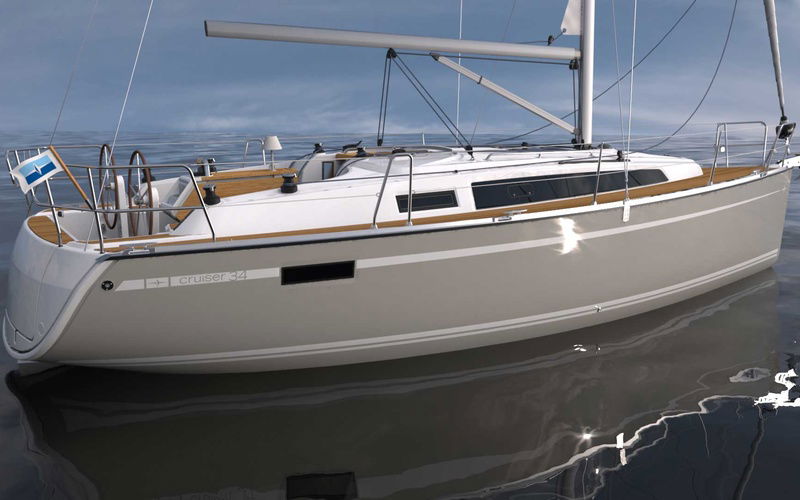

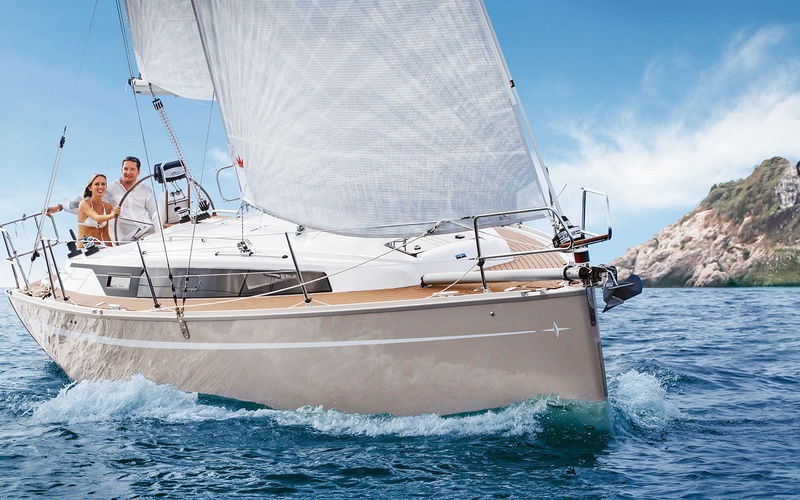
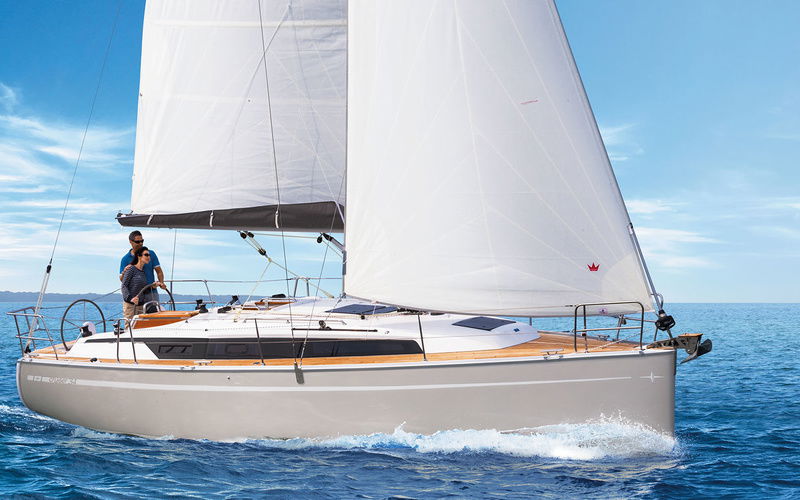
Images have been gathered from various sources and belong to their respective owners.
Latest Market Trends (Latest Available Year Model)
Price: $154,932
Review - Bavaria Cruiser 34

MarineBroker
08/25/2024, 11:17 AM
2016 Bavaria Cruiser 34: What Owners Should Know Before Buying, Sailing, or Upgrading
If you’re researching the 2016 Bavaria Cruiser 34, you’re probably already drawn to the idea of a compact cruiser that feels bigger than its size suggests. That makes sense. It’s a popular sweet spot for sailors who want manageable handling, decent performance, and enough comfort for weekends or longer coastal trips.
But here’s the real challenge: finding a boat in this class that still feels right after years of use. A 34-footer can look perfect on paper, yet the actual experience depends on layout, maintenance history, sail condition, rigging wear, engine care, and how the boat was used. For many buyers and current owners, the problem isn’t whether the Bavaria Cruiser 34 is a good boat in general. It’s figuring out whether a specific boat is the right one, and what upgrades or checks will make it safer, more enjoyable, and better value.
The good news is that the 2016 Bavaria Cruiser 34 has a lot going for it. With the right inspection and a few smart decisions, it can be a very practical cruising boat. Let’s break down what to look for, what tends to matter most, and how to get the best out of this model.
- Why the 2016 Bavaria Cruiser 34 Remains Popular
The Bavaria Cruiser 34 sits in a very appealing size range. It’s small enough to handle without feeling overwhelming, but large enough to offer real cruising comfort for a couple or small family.
What makes this model stand out is the balance between space, simplicity, and sailing ability. Many owners like it because it doesn’t demand a huge crew, marina berth, or maintenance budget compared with larger yachts.
Some of the main reasons sailors still search for the 2016 Bavaria Cruiser 34 include:
- Easy handling for short-handed sailing
- Comfortable interior volume for its length
- Practical layout for coastal cruising
- Good market availability on the used boat market
- A reputation for being approachable rather than overly complex
In other words, it appeals to people who want to spend more time sailing and less time wrestling with a boat that feels too big or too demanding.
- The Real Problem: Used Boats Can Hide Expensive Surprises
When people look at a 2016 Bavaria Cruiser 34, the boat itself is rarely the issue. The problem is the condition behind the cosmetics.
A boat of this age may look tidy in photos, but still have hidden wear in places that matter:
- Standing rigging nearing replacement age
- Sails that have lost shape
- Engine service gaps
- Osmosis or hull blister concerns
- Worn seacocks, hoses, or clamps
- Aging batteries and electrical issues
- Deck hardware leaks or soft spots
- General neglect from infrequent use
This is why buyers sometimes feel unsure. They’re not just buying a model. They’re buying a maintenance history, a condition, and a set of future costs.
The practical solution is to evaluate the boat like a system, not just a listing. That means checking the major components one by one and understanding what will cost money soon versus later.
- 2016 Bavaria Cruiser 34: What to Check First
If you’re viewing a boat, start with the items that can create the biggest bills.
- Standing rigging
By 2016, many boats are approaching the age where rigging deserves close attention. Even if it looks fine, stainless wire and fittings can hide fatigue.
Look for:
- Rust staining
- Broken strands
- Corrosion at swages or terminals
- Signs of previous repairs
- Missing service records
If the rigging has not been replaced or professionally inspected, assume it may need attention soon.
- Sails
Sail condition can transform how a boat performs. A tired mainsail or genoa can make a perfectly good cruiser feel sluggish and harder to handle.
Check for:
- Stretch
- UV damage
- Chafe
- Weak stitching
- Poor shape in the draft
A boat with newer sails often feels much more “alive” than one with original, tired canvas.
- Engine and drivetrain
The engine on a cruiser this size is a major part of the ownership experience. You want confidence, not mystery.
Ask about:
- Service intervals
- Oil and filter changes
- Impeller replacement
- Fuel filter maintenance
- Cooling system checks
- Gearbox operation
- Shaft seal or saildrive servicing if applicable
A clean engine bay is nice, but paperwork matters more. Regular servicing is a strong sign the boat has been cared for properly.
- Deck and hull
Walk the deck slowly and notice how it feels underfoot. Soft spots or flexing can point to core issues or water ingress.
Also inspect:
- Around chainplates
- Around winches and stanchions
- Around hatches and ports
- Near the mast step
- Around fittings and deck hardware
On the hull, look for repairs, gelcoat cracking, blistering, and evidence of grounding.
- Interior condition
The interior should tell you a lot about how the boat was used.
A well-kept cabin usually shows:
- Dry bilges
- Clean upholstery
- Working lockers and hinges
- No persistent smells of damp or fuel
- No staining around windows or hatches
Moisture is the big one. It often signals leaks that are easy to ignore at first and expensive later.
- Common Ownership Issues and How to Solve Them
Even a well-built cruiser like the 2016 Bavaria Cruiser 34 can develop predictable issues over time. The key is knowing what they are and addressing them early.
- Problem: Leaks around hatches and deck fittings
Small leaks are one of the most common frustrations on cruising boats. They can lead to staining, mildew, and hidden structural damage.
Solution:
- Re-bed suspect fittings with proper marine sealant
- Inspect hatch gaskets
- Clean and maintain drainage channels
- Check sealant around stanchion bases and chainplates
A little attention here can prevent bigger headaches later.
- Problem: Aging batteries and weak charging performance
Electrical issues often start with tired batteries. Owners may notice slow charging, dim lighting, or unreliable electronics.
Solution:
- Test battery health under load
- Check charger output
- Inspect cable corrosion
- Upgrade to a modern battery monitoring system if needed
- Replace old batteries as a set when practical
Good electrical health makes the whole boat feel more dependable.
- Problem: Poor sail handling in stronger winds
Some owners find that a boat feels harder to manage when the sails are old or the control lines are worn.
Solution:
- Replace stretched halyards and sheets
- Service winches
- Inspect clutches and blocks
- Consider a furling system tune-up
- Add reefing lines or upgrade sail controls if needed
A well-set-up 34-footer should feel manageable, not stressful.
- Problem: Engine access and service convenience
On many cruising boats, engine access is a complaint. If routine checks are awkward, maintenance gets delayed.
Solution:
- Label service points clearly
- Keep a maintenance log onboard
- Replace difficult-to-reach hose clamps proactively
- Organize spare filters, impellers, and belts
- Make service intervals part of your sailing routine
The easier it is to maintain, the more likely it gets done on time.
- How the 2016 Bavaria Cruiser 34 Performs on the Water
One reason this model stays attractive is that it offers a sensible sailing experience. It’s not trying to be a race boat, but it shouldn’t feel dull either.
For many sailors, the sweet spot is:
- Comfortable under autopilot
- Easy to tack and dock
- Predictable in coastal conditions
- Capable of decent passage-making for its size
That said, performance depends heavily on setup. A clean bottom, healthy sails, proper rig tension, and correct trim can make a huge difference.
If you’re comparing boats, pay attention to how the 2016 Bavaria Cruiser 34 feels in these situations:
- Light wind: Does it move well, or feel sticky?
- Close-hauled: Does it track cleanly?
- Under motor: Is vibration minimal?
- In harbor: Is visibility and maneuverability good?
A boat that handles well in everyday conditions is usually the one people enjoy most.
- Interior Comfort: Where the 2016 Bavaria Cruiser 34 Fits Best
Comfort is one of the main reasons people choose this size of cruiser. The layout typically works well for couples, small families, or sailing friends who want a practical cabin arrangement.
What buyers often appreciate:
- A usable saloon
- Functional galley space
- Separate sleeping areas
- Enough storage for cruising gear
- A layout that doesn’t feel cramped
That said, comfort is not just about space. It’s about how the boat is used.
For example:
- A couple doing weekend sailing may value open living space and easy access.
- A family may prioritize berth count and storage.
- A coastal cruiser may care most about ventilation and galley usability.
If you’re viewing one, imagine a real trip:
- Where do wet jackets go?
- Is there enough room for food and provisions?
- Can you move around easily at anchor?
- Is the head practical for the people aboard?
These details matter more than brochure specs.
- Smart Inspection Tips Before You Buy
A pre-purchase inspection is one of the best investments you can make. It helps you avoid emotional decisions and gives you leverage for negotiation if repairs are needed.
Here’s a practical checklist:
- Review service records
- Confirm engine hours and maintenance history
- Check age of standing rigging
- Inspect sails for shape and wear
- Look for deck leaks and moisture
- Test electronics, lights, pumps, and instruments
- Inspect keel, rudder, and hull for damage
- Ask about winter storage and antifouling history
- Verify safety gear and expiry dates
If possible, sea trial the boat in real conditions. Dockside demonstrations are useful, but they don’t show how the boat behaves under sail, under power, or in a chop.
A surveyor can also flag issues that are easy to miss, especially if you’re new to this model or to used boat ownership in general.
- Upgrades That Make the Biggest Difference
If you already own a 2016 Bavaria Cruiser 34, or you’re thinking about buying one, a few upgrades can dramatically improve the experience.
The best value upgrades are usually the ones that improve reliability and handling first.
- New batteries or improved charging setup
- Fresh sails or sail repairs
- Updated navigation electronics
- Better cockpit cushions or spray protection
- Improved anchor gear
- LED cabin lighting
- Modern bilge monitoring
- Upgraded lines, blocks, and clutches
These changes don’t just make the boat nicer. They make it easier to use, which means you’ll probably sail more often.
For cruising owners, one of the most worthwhile improvements is often the anchoring setup. A reliable anchor, good chain, and proper windlass operation can make a huge difference to confidence at anchor.
- Maintenance Habits That Keep the Boat Valuable
If you want the 2016 Bavaria Cruiser 34 to stay enjoyable and hold value, consistency matters more than occasional big repairs.
Good habits include:
- Rinsing salt off deck hardware
- Ventilating the cabin after use
- Tracking engine service dates
- Checking bilges regularly
- Inspecting lines and chafe points
- Keeping a simple maintenance log
- Fixing small leaks early
Boats age better when small issues are handled before they spread. That’s especially true for boats used in coastal and seasonal conditions.
A clean, documented maintenance history can also make the boat easier to sell later.
- Who the 2016 Bavaria Cruiser 34 Is Best For
This model makes the most sense for sailors who want a practical cruiser rather than a highly specialized yacht.
It’s a strong fit for:
- Couples cruising weekends or holidays
- Small families learning to sail
- Owners stepping up from a smaller boat
- People who want simple handling
- Sailors who value comfort without going too large
It may be less ideal for those who want:
- High-performance racing characteristics
- Very large liveaboard space
- Luxury features above all else
- Minimal maintenance responsibility
The best boat is the one that matches your actual habits, not just your dream itinerary.
- Final Thoughts on Buying or Owning a 2016 Bavaria Cruiser 34
The 2016 Bavaria Cruiser 34 earns its popularity because it offers a very usable balance of comfort, handling, and cruising practicality. But like any used boat, its true value depends on condition, maintenance, and the quality of the equipment onboard.
If you’re buying, focus on the hidden-cost items first: rigging, sails, engine care, leaks, and electrical health. If you already own one, prioritize preventive maintenance and small upgrades that improve reliability on the water.
The payoff is simple: a well-sorted 2016 Bavaria Cruiser 34 can be a relaxed, capable, and enjoyable cruiser that rewards regular sailing. Take the time to inspect it carefully, maintain it consistently, and make upgrades where they matter most. If you do, you’ll get much more from the boat than just a nameplate and a berth.
Specifications
General
Boat Type: Sail Boats
Class Type: Cruiser
Specifications
Length: 32.78
Beam: 11.22
Draft: 6.63
Hull Material: GRP
Build
First Built: 2016
Propulsion
Fuel Type: Diesel
Engines: 1
Power: 18 HP
Brand: Volvo Penta
Accomodation
Berths: 4
Cabins: 2
Bathrooms: 1
PROS & CONS
What we appreciated
 Spacious and comfortable interior for a 34-foot cruiserWell-designed layout with good storage optionsSolid build quality typical of Bavaria yachtsEfficient sail plan suitable for cruisingGood value for money in the used boat market
What we didn’t appreciate
 Interior finish may feel basic compared to higher-end brandsEngine access can be somewhat limitedPerformance may be average in light wind conditionsLimited customization options from factoryRelatively heavy, affecting speed and agility
Upkeep Costs
Insurance: $800 - $1,200 per year
Docking/Mooring fees: $1,000 - $3,000 per year
Maintenance and repairs: $1,000 - $2,000 per year
Engine service and fuel: $1,200 - $2,000 per year
Winter storage and haul-out: $500 - $1,500 per year
Rating
7.5
User
Score
Score
Driveability
Technology
Interior
Design
Similar Boats


MarineBroker
Download now for an immersive boat experience like never before! ⛵✨ Your journey begins with a simple click. 🌊📲
#SetSailSmart #DownloadNow
#SetSailSmart #DownloadNow

Subscribe
Copyright 2017 - 2026, Marinebroker.net, All Rights Reserved