2013 Beneteau Sense 50: What Buyers Should Know Before You Step Aboard
If you’ve been looking at the 2013 Beneteau Sense 50, chances are you’re already drawn to its big-cabin comfort, easy handling, and modern cruising layout. It...
Discover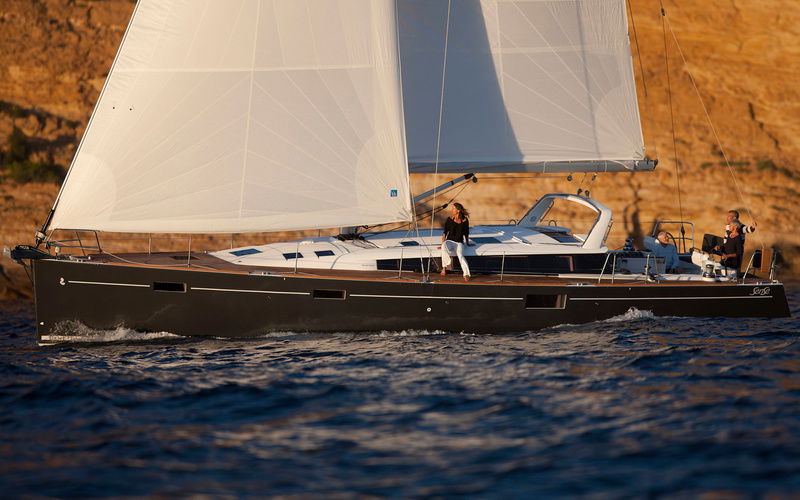

Images have been gathered from various sources and belong to their respective owners.
Latest Market Trends (Latest Available Year Model)
Price: $281,873
Review - Beneteau Sense 50

MarineBroker
09/29/2024, 5:15 AM
2013 Beneteau Sense 50: What Buyers Should Know Before You Step Aboard
If you’ve been looking at the 2013 Beneteau Sense 50, chances are you’re already drawn to its big-cabin comfort, easy handling, and modern cruising layout. It’s one of those boats that makes a lot of sense on paper: spacious, stylish, and built for relaxed passagemaking or extended coastal cruising. But here’s the thing—finding the right boat is only half the job. The real challenge is figuring out whether this model actually fits the way you want to sail, live, and maintain a yacht over time.
That’s where many buyers get stuck. A boat like the Sense 50 can look perfect in listings, yet still surprise you with details that matter a lot once you own it. Things like maintenance history, sail plan, system layout, and how the boat was used can make a huge difference in long-term satisfaction. The good news? With the right checklist and a clear understanding of what to look for, you can avoid common mistakes and make a much smarter decision. Let’s break it down in a practical way.
- What Makes the 2013 Beneteau Sense 50 Stand Out
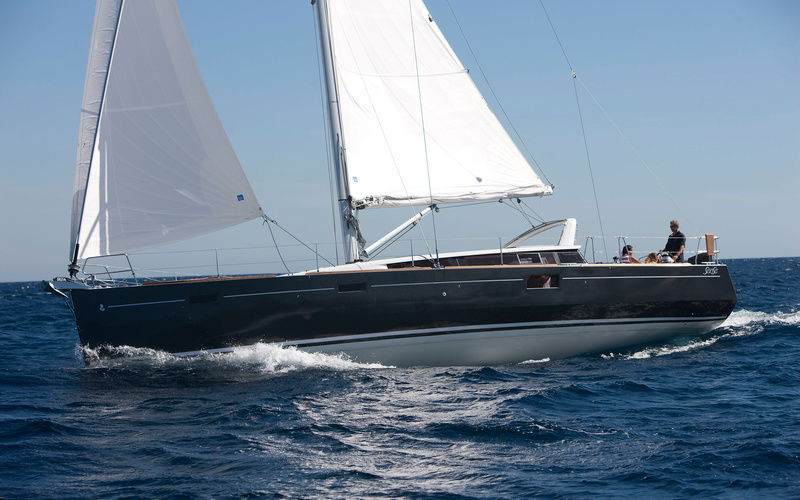
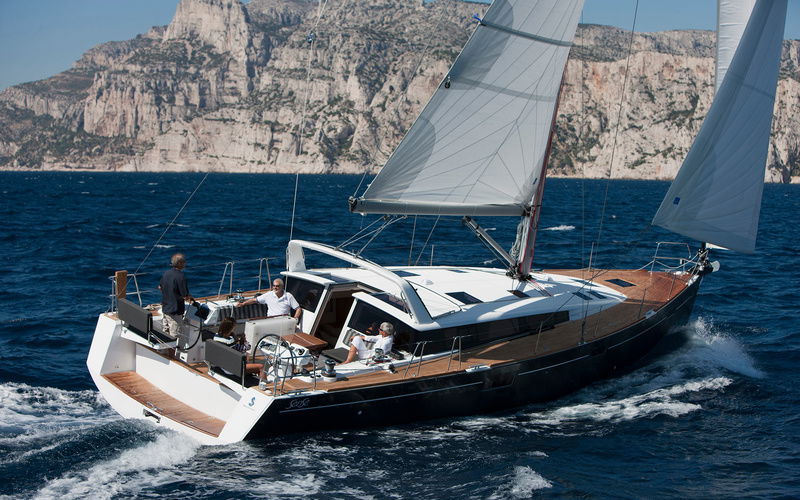
The 2013 Beneteau Sense 50 was designed with a simple idea in mind: make cruising easier and more comfortable without giving up the performance and confidence sailors expect from a 50-foot yacht. Beneteau took a different approach from more traditional layouts, focusing on open living space, low-stress movement around the boat, and a hull design that supports stable, forgiving handling.
For many sailors, that’s the appeal. The Sense 50 isn’t trying to be a stripped-down racer or a floating condo. It sits in a sweet spot for people who want a real bluewater-capable cruiser with a more relaxed onboard feel.
Some of the features that attract buyers include:
- A wide, open saloon with excellent natural light
- A forward cabin arrangement that feels more like a private suite
- Easy cockpit-to-interior flow
- A hull and deck plan aimed at comfort underway and at anchor
- Good visibility from the helm and a manageable sail plan for a boat of this size
That said, a boat with this much comfort can also come with tradeoffs. Understanding those tradeoffs is the key to buying well.
- The Main Problem Buyers Face
The biggest problem for people interested in the 2013 Beneteau Sense 50 is not usually “Is it a good boat?” It’s more like, “How do I know if this specific boat is the right one for me?”
That’s a very different question.
A used cruising yacht can look great in photos and still hide issues that affect safety, budget, and enjoyment. On a 2013 model, age alone isn’t the issue. The real concerns are:
- How well the boat has been maintained
- Whether key systems have been updated
- How much wear the hull, rig, sails, and equipment have seen
- Whether the boat has been used for coastal cruising, liveaboard life, or heavier offshore work
- Whether the layout matches your actual sailing habits
In other words, the challenge is not just finding a Sense 50. It’s finding a well-cared-for Sense 50 that fits your cruising style.
- Why the 2013 Beneteau Sense 50 Appeals to So Many Cruisers
There’s a reason this model still gets attention in the brokerage market. It offers a very livable experience without feeling overly complicated.
For couples, families, or owners who like to cruise with guests, the Sense 50’s interior space can be a major advantage. The layout often feels less cramped than many boats in the same length range, especially in the main living areas.
A few reasons it stands out:
- Comfortable living space: Great for extended stays aboard
- Easy social layout: The cockpit and saloon feel connected
- Manageable handling: Designed for easier short-handed sailing
- Modern styling: Still looks current compared with older cruisers
- Good resale interest: Popular enough to remain recognizable in the market
If your goal is relaxed cruising rather than high-adrenaline sailing, this boat can be a very appealing package.
- What to Check Before Buying a 2013 Beneteau Sense 50
This is where practical ownership starts. A thorough inspection can save you from expensive surprises later.
- Hull and Deck Condition
Start with the basics. Look closely for signs of impact damage, stress cracking, soft spots, or repairs that may not have been done professionally.
Pay attention to:
- Chainplate areas
- Around stanchions and deck fittings
- Around hatches and windows
- Keel joint and hull-to-deck connection
- Any signs of water intrusion in the cabin or lockers
Even a well-built boat can develop issues if hardware is loose or sealants have aged out.
- Rigging and Sails
The standing and running rigging should be checked carefully. On a 2013 boat, original rigging may still be serviceable depending on use, but it may also be due for replacement or close inspection.
Ask about:
- Age of standing rigging
- Condition of turnbuckles and terminals
- Mainsail, genoa, and furling gear condition
- Evidence of chafe or UV damage
- Service history for winches and furlers
If the sails are tired, budget for replacement sooner rather than later. That can make a huge difference in how the boat performs.
- Engine and Mechanical Systems
The engine is one of the biggest areas where a buyer can win or lose money. Even if the boat looks pristine, a neglected diesel can become a headache fast.
Check:
- Engine hours
- Oil analysis or maintenance records
- Cooling system service
- Transmission condition
- Fuel tank cleanliness
- Shaft, propeller, and cutlass bearing wear
If the boat has a generator, watermaker, or other add-ons, those should be tested too. Extra systems are great when they work and expensive when they don’t.
- Electrical and Battery Setup
Modern cruising boats tend to accumulate upgrades over time, which is good—if they were installed properly.
Look for:
- Clean wiring runs
- Proper labeling
- Updated battery banks
- Smart charging systems
- Solar or inverter additions
- Evidence of amateur modifications
Messy electrical work is one of the most common hidden problems on used yachts. A neat panel and documented upgrades are usually a good sign.
- Plumbing and Comfort Systems
Because the Sense 50 is designed for comfortable cruising, many owners rely on its domestic systems heavily. That means plumbing should be checked with care.
Inspect:
- Freshwater tanks and pumps
- Heads and holding tanks
- Water heater
- Bilge pumps
- Air conditioning, if installed
- Galley appliances
Leaks, pump failures, and clogged lines are common on older cruising boats, especially if the boat has spent long periods unused.
- The Best Solution: Buy Based on Use, Not Just Appearance
The smartest way to approach the 2013 Beneteau Sense 50 is to match the boat to your real-world sailing needs.
Ask yourself:
- Will I sail mostly coastal or offshore?
- Will I cruise short-handed or with family and friends?
- Do I want a boat for weekends, seasonal cruising, or liveaboard use?
- Am I comfortable maintaining systems myself, or do I want a simpler setup?
- Do I value interior comfort more than maximum sailing performance?
This matters because a beautiful boat that doesn’t fit your habits becomes a burden. A boat that fits your lifestyle becomes a pleasure.
For example:
- If you mostly cruise with two people, easy sail handling and a comfortable cockpit may matter more than extra performance.
- If you plan to live aboard, storage, ventilation, and system reliability become top priorities.
- If you want to sail longer distances, rig condition, tankage, and service records become especially important.
The solution is not just “find a good boat.” It’s “find the right boat for the way you actually use it.”
- How the 2013 Beneteau Sense 50 Fits Different Types of Owners
Not every buyer wants the same thing from a 50-footer. Here’s how this model tends to work for different sailors.
- For Couples
This is one of the strongest use cases for the Sense 50. Couples often appreciate:
- Easy movement around the deck
- A manageable sail plan
- A private, comfortable owner’s cabin
- A cockpit layout that feels secure and social
If you sail short-handed, convenience matters a lot. This boat generally supports that style well.
- For Families
Families often like the open interior and the sense of space onboard. The layout can make life easier when multiple people are sharing the boat.
Still, check:
- Berth arrangements
- Storage for gear and provisions
- Safety features for children
- Cockpit seating and visibility
- Ease of boarding from docks or tenders
A family-friendly boat should be practical, not just spacious.
- For Liveaboard Cruisers
The Sense 50 can make a strong liveaboard platform if the systems are in good shape. Comfortable living spaces matter a lot when the boat is home.
Key liveaboard priorities include:
- Ventilation
- Refrigeration
- Power management
- Water capacity
- Storage
- Noise and vibration control
A liveaboard boat also needs reliable systems more than almost anything else. Comfort disappears quickly if the plumbing or electrical setup is weak.
- Common Mistakes to Avoid
A lot of buyers get excited and skip the boring parts. That’s where trouble starts.
Try not to make these mistakes:
- Buying based on cosmetics alone
- Ignoring maintenance records
- Overlooking tired sails and rigging
- Assuming upgrades were done properly
- Forgetting to budget for survey findings
- Choosing the wrong layout for your sailing style
The most expensive mistake is usually not the purchase price. It’s the hidden cost of catching up on neglected maintenance after the sale.
- Smart Questions to Ask the Seller
Before you move forward, ask direct questions. A good seller should be able to answer clearly.
Useful questions include:
1. How long have you owned the boat?
2. Where has it been used most?
3. When were the standing rigging and sails last replaced?
4. What major maintenance has been done in the last few years?
5. Are there service records for the engine and systems?
6. Has the boat ever had water intrusion or structural repairs?
7. What equipment is original, and what has been upgraded?
The answers can tell you a lot about how the boat was treated.
- Why a Professional Survey Matters
This part is non-negotiable on a boat of this size. A professional marine survey can uncover issues that are easy to miss, especially in systems, rigging, and structural areas.
A survey helps you:
- Confirm the boat’s condition
- Estimate future maintenance costs
- Negotiate fairly if issues are found
- Avoid unexpected safety problems
- Make a confident buying decision
If possible, pair the survey with an engine inspection and a sea trial. That combination gives you the clearest picture of what you’re actually buying.
- Maintenance Tips After Purchase
Once you own a 2013 Beneteau Sense 50, the goal is to keep it reliable and enjoyable. A little routine care goes a long way.
Focus on:
- Regular engine servicing
- Rigging inspections
- Keeping deck hardware sealed and tight
- Testing pumps, batteries, and charging systems
- Washing salt off fittings and canvas
- Tracking all repairs in a logbook
Seasonal maintenance is especially important if the boat sits unused for periods. Boats tend to complain when they’re ignored.
- Is the 2013 Beneteau Sense 50 a Good Choice?
For the right buyer, yes. The 2013 Beneteau Sense 50 can be a very rewarding cruising yacht because it blends comfort, ease of use, and modern living space in a way that still feels fresh.
But the value is in the individual boat, not just the model name. The best purchase is the one with solid maintenance, sensible upgrades, and a layout that matches how you sail.
If you’re realistic about your needs, patient during the search, and thorough with inspections, this boat can deliver a lot of enjoyment without unnecessary stress.
- Conclusion
The 2013 Beneteau Sense 50 is appealing for good reason: it offers a spacious, comfortable cruising experience with practical handling and modern design. But like any used yacht, the real difference comes down to condition, maintenance history, and whether the boat fits your sailing lifestyle. The smartest buyers focus less on the shine and more on the systems, structure, and service records.
If you’re considering one, take your time, ask the right questions, and don’t skip the survey. A careful approach can help you avoid costly surprises and find a boat that’s genuinely enjoyable to own. If you want to keep researching, compare listings, review owner reports, and talk with a surveyor who knows Beneteau cruising yachts well.
Specifications
General
Boat Type: Sail Boats
Class Type: Cruiser
Specifications
Length: 50.1
Beam: 15.94
Draft: 6.89
Hull Material: GRP
Build
First Built: 2013
Propulsion
Fuel Type: Diesel
Engines: 1
Power: 0 HP
Brand: Unknown
Accomodation
Berths: 6
Cabins: 3
PROS & CONS
What we appreciated
 Spacious and modern interior layout with excellent natural lightHigh-quality build and finish typical of Beneteau yachtsEfficient sail plan suitable for cruisingComfortable cockpit designed for socializing and ease of handlingGood balance between performance and liveaboard comfort
What we didn’t appreciate
 Relatively large size may require experienced handlingMaintenance and repair costs can be higher due to complexityLess performance-oriented compared to pure racing yachtsLimited availability of used models may affect resale valueHeavier displacement could reduce speed in light wind conditions
Upkeep Costs
Annual insurance: $2,000 - $3,500
Docking/Marina fees: $5,000 - $10,000 per year
Maintenance and repairs: $4,000 - $8,000 per year
Fuel: $1,000 - $3,000 per year depending on usage
Winter storage and hauling: $1,500 - $3,000 per year
Rating
8.0
User
Score
Score
Driveability
Technology
Interior
Design
Similar Boats


MarineBroker
Download now for an immersive boat experience like never before! ⛵✨ Your journey begins with a simple click. 🌊📲
#SetSailSmart #DownloadNow
#SetSailSmart #DownloadNow

Subscribe
Copyright 2017 - 2026, Marinebroker.net, All Rights Reserved