2013 Alubat Cigale 16: What to Check Before Buying and How to Make It a Great Offshore Cruiser
If you’re looking at a 2013 Alubat Cigale 16, you’re probably already drawn to the same things most sailors love about this boat: seri...
Discover
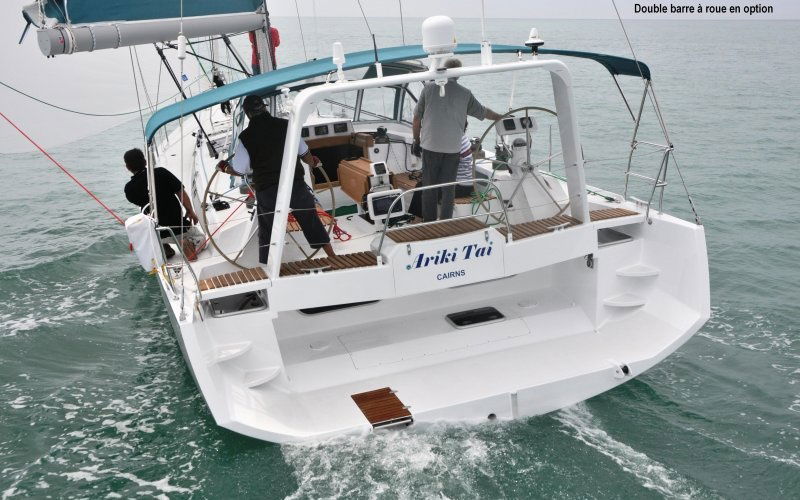
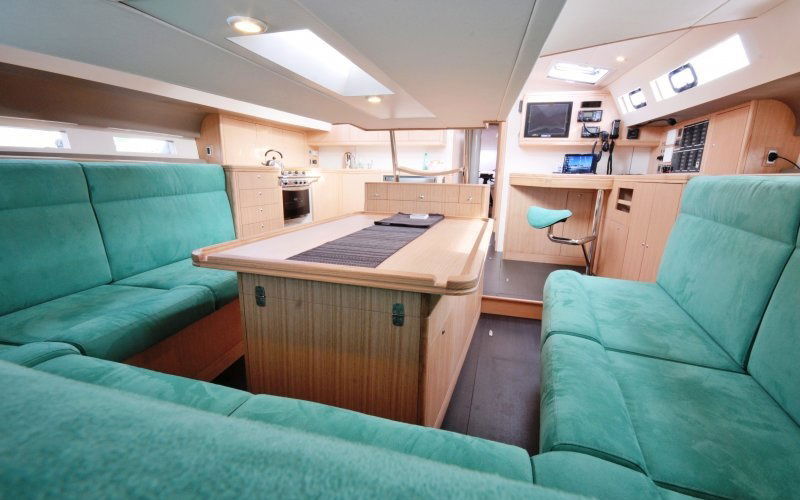
Images have been gathered from various sources and belong to their respective owners.
Latest Market Trends (Latest Available Year Model)
Price: $450,000
Review - Alubat Cigale 16

MarineBroker
02/21/2024, 4:50 AM
2013 Alubat Cigale 16: What to Check Before Buying and How to Make It a Great Offshore Cruiser
If you’re looking at a 2013 Alubat Cigale 16, you’re probably already drawn to the same things most sailors love about this boat: serious offshore capability, aluminum construction, and a layout designed for real passagemaking rather than just marina life. But buying a performance cruiser of this caliber is not the same as buying a typical production sailboat. The big question is usually not “Is it a good boat?” but “How do I know this specific boat has been maintained well enough to be worth it?”
That’s the real challenge with boats like the 2013 Alubat Cigale 16. They’re built to go far, but their value depends heavily on condition, refit history, and how they’ve been used. A well-kept example can be an outstanding bluewater platform. A neglected one can turn into a very expensive project fast.
The good news is that most of the risk can be managed with the right inspection approach. If you know what to look for, where the common weak points are, and how to evaluate the boat’s systems as a whole, you can make a much smarter decision. Let’s break it down in a practical way.
- Why the 2013 Alubat Cigale 16 stands out
The Cigale 16 sits in that sweet spot where performance, comfort, and offshore credibility meet. Alubat’s aluminum hull construction is a major part of its appeal, especially for sailors who want strength, durability, and the ability to handle rough conditions with confidence.
Compared with many fiberglass cruisers, an aluminum yacht often offers:
- Better impact resistance
- Easier repairability after damage
- Long-term structural confidence
- Lower concern about hidden osmosis issues
The Cigale line is also known for being designed with serious cruising in mind. That means the boat is not just about speed. It’s about seaworthiness, practical deck layout, and systems that can support extended time at sea.
For buyers, that’s both exciting and a little intimidating. A boat like this can be a dream passagemaker, but only if the systems, rig, and hull have been properly cared for. That’s why the smartest buyers focus less on cosmetics and more on condition, maintenance records, and upgrade history.
- The main problem buyers face with a 2013 Alubat Cigale 16
The biggest issue is uncertainty.
With a 2013 offshore cruiser, you’re not just evaluating age. You’re evaluating how the boat has been used over more than a decade. Has it crossed oceans? Sat unused for long periods? Been stored properly? Had major upgrades? Was it maintained by a careful owner or patched together over time?
This matters because the cost of fixing overlooked issues can be significant. On a boat like the 2013 Alubat Cigale 16, the most expensive surprises usually involve:
- Standing rigging and mast hardware
- Electrical system aging
- Engine and drivetrain wear
- Tankage and plumbing issues
- Deck fittings and water intrusion
- Corrosion in aluminum-specific areas
The problem is that many of these issues are not obvious at first glance. A clean interior or fresh upholstery does not tell you much about the condition of the rig, the wiring, or the structural interfaces.
So the real challenge is learning how to separate a well-prepared offshore yacht from one that only looks ready.
- What to inspect first on a 2013 Alubat Cigale 16
If you’re evaluating one of these boats, start with the items that matter most for safety, reliability, and future costs.
- Hull and aluminum structure
The aluminum hull is one of the Cigale’s biggest strengths, but it still deserves a careful inspection. Look for:
- Signs of corrosion, especially around fittings and dissimilar metals
- Repairs that may indicate grounding or impact history
- Condition of welds and structural joints
- Any evidence of leaks around hull penetrations
Aluminum boats are tough, but they are not maintenance-free. Poorly isolated stainless fittings, trapped moisture, or neglected paint systems can create long-term issues.
If the boat has been properly maintained, the hull should show a consistent, healthy condition with no signs of serious oxidation or structural concern. If you see patchwork repairs or widespread corrosion, that’s a warning sign.
- Rigging and spars
For an offshore sailboat, rigging condition is non-negotiable. Standing rigging has a finite life, and even if it looks fine from a distance, age alone can make replacement a smart move.
Check:
- Age of standing rigging
- Chainplates and attachment points
- Mast step and spreader fittings
- Signs of fatigue or movement
- Any corrosion at terminals or hidden areas
If the standing rigging is original or near-original, budget for replacement unless you have proof of a recent professional refit. On a boat intended for offshore sailing, this is not an area to gamble on.
- Keel, rudder, and steering system
The keel and rudder tell you a lot about how the boat has lived. Look for grounding damage, movement, or repairs. On a performance cruiser, steering loads can be substantial, so the system should feel tight and responsive.
Pay attention to:
- Rudder bearings and play
- Steering cables or hydraulic components
- Visible wear around the keel joint
- Evidence of past impacts
- Smoothness of helm action
A boat that has been sailed hard but maintained well can still be excellent. The key is knowing whether the wear is normal or a sign of deeper structural stress.
- Engine and mechanical systems
The engine on a cruising sailboat is not just a convenience. It’s part of the safety system. On a boat like the 2013 Alubat Cigale 16, you want reliable propulsion, charging, and maneuvering ability.
Inspect:
- Engine hours and maintenance records
- Oil and coolant condition
- Belts, hoses, mounts, and filters
- Fuel tank cleanliness and access
- Shaft, propeller, and stuffing box or seal system
A well-maintained diesel can run for a long time, but neglected cooling systems or contaminated fuel can create expensive repairs. If the boat has spent time at anchor or in long-distance cruising mode, ask about how the engine was exercised and serviced.
- Electrical and battery systems
Older cruising yachts often run into trouble here. Over time, batteries age, chargers become outdated, and wiring modifications can get messy.
Look for:
- Clean, labeled wiring
- Updated battery bank and charging setup
- Solar, wind, or generator integration if installed
- Evidence of professional electrical work
- Corrosion at terminals and switches
A modern, tidy electrical system is a huge plus. A chaotic one can become a constant source of frustration. On an offshore boat, reliability matters more than complexity.
- Deck hardware and water intrusion
Deck leaks are one of those problems that seem small until they aren’t. Water intrusion can damage core materials, corrode fittings, and create interior issues that are hard to trace.
Check:
- Winches, cleats, stanchions, and track mounts
- Hatches and portlights
- Chainplate areas
- Soft spots in the deck
- Signs of past resealing work
If you find recurring leaks, ask whether the source was actually repaired or just temporarily sealed. A good surveyor will pay close attention here, especially on a boat that has seen years of offshore exposure.
- How to judge whether the 2013 Alubat Cigale 16 is a good value
A boat like this should never be judged by asking only, “What is the asking price?”
Instead, look at total ownership value. That means factoring in:
- Required maintenance
- Likely near-term upgrades
- Survey findings
- Equipment age
- Refit quality
- Sailing history
A lower-priced boat that needs rigging, electronics, batteries, and sail replacement may cost more in the end than a higher-priced example with recent upgrades. That’s especially true for the 2013 Alubat Cigale 16, where offshore readiness depends on more than just hull condition.
A useful rule: prioritize boats with clear documentation. Service records, upgrade invoices, and maintenance logs are worth real money because they reduce uncertainty.
- Common upgrades that make a big difference
If you already own a Cigale 16 or are planning to buy one, certain upgrades can improve safety, comfort, and ease of use without changing the character of the boat.
- Modern navigation electronics
Older chartplotters and instruments can become outdated quickly. A reliable modern navigation suite improves confidence offshore and makes watchkeeping easier.
Good upgrades include:
- Multi-function display
- AIS
- Radar
- Wind and depth instruments
- Backups for critical navigation data
- Energy management
Bluewater boats benefit from efficient power generation. Many owners improve autonomy with:
- Solar panels
- High-capacity lithium or AGM banks
- Smart charging systems
- Energy-efficient refrigeration
- LED lighting
The goal is not just convenience. Better energy management reduces dependence on the engine or generator.
- Safety gear
For offshore sailing, safety equipment should be current and appropriate to the cruising area. This may include:
- Liferaft
- EPIRB
- Jacklines and harness points
- Storm sails
- Emergency steering solutions
- Fire suppression equipment
A boat may look ready, but if safety gear is outdated, the real cruising readiness is lower than it appears.
- Sail inventory
Sails wear out, and offshore performance depends heavily on sail condition. Check:
- Main and headsail age
- UV damage
- Stitching and hardware
- Reefing setup
- Spare sails or cruising inventory
A tired sail plan can make the boat feel sluggish and expensive to operate. Fresh or well-maintained sails can completely change the experience.
- How to avoid buying a problem boat
The easiest way to reduce risk is to slow down and inspect methodically. Excitement can make buyers overlook obvious warning signs.
Use this checklist:
1. Review maintenance records before seeing the boat
2. Inspect the hull, rig, and deck carefully
3. Test all major systems underway if possible
4. Hire an experienced marine surveyor
5. Budget for immediate post-purchase maintenance
6. Assume some upgrades will be needed, even on a good boat
The survey is especially important. For a specialized offshore yacht like the 2013 Alubat Cigale 16, you want someone who understands aluminum construction and performance-cruiser systems. A generalist survey is helpful, but experience with aluminum sailboats is even better.
- Who the 2013 Alubat Cigale 16 is best for
This boat makes the most sense for sailors who want more than weekend coastal cruising. It’s a strong fit for:
- Long-distance cruisers
- Offshore passagemakers
- Couples or small crews
- Sailors who value strength and reliability
- Buyers willing to maintain a serious yacht properly
It may be less ideal for someone who wants minimal upkeep, simple systems, or a low-budget ownership experience. Boats like this reward careful ownership. They are not hard to love, but they do ask for attention.
If your goal is serious cruising with a capable platform under you, the Cigale 16 deserves a close look. If your goal is easy, low-maintenance sailing, you may want to compare it with simpler designs.
- Practical buying strategy for interested buyers
If you’re seriously considering a 2013 Alubat Cigale 16, here’s the simplest way to approach it.
- Step 1: Focus on condition, not just model reputation
The Cigale name is respected, but each boat has its own story. A great model can still be a poor purchase if neglected.
- Step 2: Prioritize the expensive systems
Rigging, engine, electrical, and structural condition matter more than cushions or cosmetics.
- Step 3: Estimate your first-year budget
Even a good boat usually needs some work. Plan for:
- Survey and haul-out
- Minor repairs
- Safety updates
- Routine servicing
- Possible sail or electronics replacement
- Step 4: Compare examples fairly
Two similar boats can have very different ownership costs. The one with better records and recent work may be the better deal.
- Step 5: Think about your sailing plans
If you plan offshore passages, your standards should be higher than if you only want sheltered coastal cruising. Match the boat to the mission.
- Why this boat can still be a smart choice
Despite the inspection work involved, the 2013 Alubat Cigale 16 remains attractive because it offers something many sailors want: a real offshore platform with strong construction and thoughtful design.
That combination is hard to find. When maintained properly, it can deliver confidence at sea, good sailing performance, and the kind of durability that makes long-term ownership more satisfying.
The key is not to rush. Boats like this are best bought with patience, good information, and a realistic budget. If you do that, you’re much more likely to end up with a yacht that feels like a capable partner rather than a constant project.
- Conclusion
The 2013 Alubat Cigale 16 is a compelling option for sailors who want a serious offshore cruiser with aluminum construction and proven bluewater potential. The main challenge is not whether the boat is capable, but whether a specific example has been maintained well enough to justify the purchase.
By focusing on the hull, rig, steering, engine, electrical systems, and maintenance history, you can reduce risk and spot the boats that are truly worth considering. A careful survey and a realistic budget for upgrades will go a long way.
If you’re comparing examples, take your time and look beyond the surface. The right boat can be an excellent long-term cruising companion, especially when you know exactly what you’re buying.
Specifications
General
Boat Type: Sail Boats
Class Type: Cruiser
Specifications
Length: 52.46
Beam: 15.72
Draft: 8.07
Hull Material: Aluminium
Build
First Built: 2013
Propulsion
Fuel Type: Diesel
Engines: 1
Power: 0 HP
Brand: Unknown
Accomodation
PROS & CONS
What we appreciated
 High-quality French craftsmanship with attention to detailSpacious and comfortable interior for a 16-foot boatGood sailing performance and stabilityLightweight and easy to handleWell-suited for coastal cruising and day sailing
What we didn’t appreciate
 Limited storage space due to compact sizeSmaller cabin may feel cramped for extended tripsOlder model, may require updates or maintenanceLimited availability of parts due to niche manufacturerNot ideal for rough offshore conditions
Upkeep Costs
Insurance: $500 - $1,200 per year
Docking/Marina Fees: $1,000 - $3,000 per year
Maintenance and Repairs: $1,000 - $3,000 per year
Winter Storage: $500 - $1,500 per year
Fuel: $200 - $600 per year
Rating
7.7
User
Score
Score
Driveability
Technology
Interior
Design
Similar Boats


MarineBroker
Download now for an immersive boat experience like never before! ⛵✨ Your journey begins with a simple click. 🌊📲
#SetSailSmart #DownloadNow
#SetSailSmart #DownloadNow

Subscribe
Copyright 2017 - 2026, Marinebroker.net, All Rights Reserved